Atypical forms of myocardial infarction
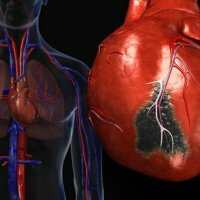
Myocardial infarction is a form of ischemic heart disease. This dangerous disease begins with the development of intense pain, which is localized in the heart area. Those who have suffered a heart attack describe this pain as follows: in the region of the heart there is a feeling that there is burning coal;In the chest, there is a strong weight. The cause of the development of pain can be emotional stress, physical stress. In such cases, the pain captures a wide proportion of the anterior chest area.
But with myocardial infarction, not always the predominant symptom is severe pain, localized in the heart area. Sometimes there are atypical forms of heart attack and then the main symptoms can be completely different complaints.
Often, an atypical form of myocardial infarction occurs in elderly patients with the concomitant manifestation of cardiosclerosis, often with a history of a history of heart failure, and circulatory insufficiency. Usually only the initial forms of the myocardium develop atypically, and later the process will develop into a typical form.
peripheral shape myocardial atypical predisposition pain differs concentrating pain in the throat area( form laryngopharyngeal) and not in the precordial or retrosternal area left scapula( Form levolopatochnaya) at the end of the left little finger, left hand( levoruchnaya form), the lower jaw(Form of the mandibular), in the cervico-thoracic spine( upper vertebral form).
The intensity of pain varies, it can be amplified and may not be quenched with nitroglycerin. Other symptoms include weakness, falling blood pressure, sweating, palpitation, acrocyanosis, arrhythmia.
Gastralgic( abdominal) variant is mainly observed with posterior myocardial infarction( diaphragmatic).In this case, intense pain is observed in the right hypochondrium, can be localized in the epigastric region, the right side of the abdomen. The pain is often accompanied by nausea, paresis of the intestine and stomach, bloating, vomiting, diarrhea. The muscles of the anterior abdominal wall are strained during palpation.
On the part of the cardiovascular system, the following symptoms are observed: deafness of cardiac tones, lowering of arterial pressure, various arrhythmias.
The asthmatic form of the infarction is accompanied by the development of pulmonary edema or asthma( cough with frothy sputum, severe choking) with mild pain in the heart zone or its absence. There is a drop in blood pressure, sometimes various arrhythmias, the rhythm of the canter may develop. This form of heart attack occurs in the presence of hypertension, severe cardiosclerosis and in almost all cases occurs with a pectoral muscle infarction.
Another variant of myocardial infarction is collaptoid. This variant of the infarction proceeds without a pain syndrome. In this case dominated by symptoms such as dizziness, hypotension, darkening of the eyes, the appearance of cold sweat. This is usually a cardiogenic shock.
The next form of myocardial infarction is arrhythmic. For this form of the myocardium various abnormalities of rhythm are characteristic: atrial fibrillation, extrasystole, paroxysmal tachycardia. In addition, different types of atrioventricular blockades are characteristic of arrhythmic forms of infarction.
Another known form of myocardial infarction is cerebral. This form of myocardial manifested symptoms of dynamic failure of cerebral circulation - nausea, dizziness, headache, vomiting. Sensitive and motor disorders manifest themselves sometimes.
cerebral blood supply deficiency develops due to atherosclerotic disorders of cerebral arteries due to a decrease in cardiac output. This development indicates an acute myocardial infarction. For
malosimptomno, erased form of myocardial infarction is characterized by weakness, chest pain of uncertain character, sweating. Such symptoms are generally difficult to interpret accurately.