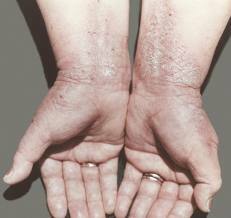
Skin Allergies
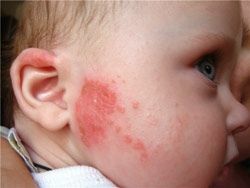 Allergy on the skin - the reaction of the human body to a certain stimulus, manifested by the sudden appearance on the skin of swollen pale red patches or nodules and their continuous itching. These symptoms of allergy are most pronounced in those areas of the skin, where clothing is most closely attached to the body or the greatest number of skin folds is present. It is necessary to know that in spite of the constant itching of these places, they should not be combed, as this will only worsen the situation. Also, this should not be done due to the fact that through the combs formed during combing, all sorts of pathogenic infections and bacteria can enter the body, which will lead to the development of inflammation. In addition, the wound after healing can leave in its place quite unsightly scars.
Allergy to the skin in children most often causes serious itchy skin, and the affected skin can not only itch, but also burn or stove. A rash can appear on any part of the body, even ears, a throat, tongue, lips and face are not insured from it. In its length, the rash can also vary significantly - from an area of a few centimeters to the size of a dinner plate. In addition, skin rash areas are prone to unification, thereby forming even larger lesions. Before the skin rashes on the body begin to gradually fade, must pass at least a few hours or even days.
Angioedema is very similar in its symptoms to hives. The difference between them is only that the swelling does not develop on the surface of the skin, but under it. Angioedevrichesky edema is characterized by a deep swelling of the skin around the lips and eyes, and in some cases on the feet and hands, and also in the genital area. Most often this disease lasts longer than urticaria, but the tumor usually disappears in less than a day. In exceptional severe cases, angioedema of the lungs, tongue, or throat impedes breathing by blocking the airways. In this case, this condition can seriously endanger life.
Skin allergies - causes of
Both the formation of an allergic rash and the development of angioedema are directly related to the immune response of the body to the chemical element histamine, which is emitted through the special cells into the blood vessels of the skin. Insect bites, contained in food chemicals, allergic reactions, exposure to medications or sunlight provoke secretion into the skin of histamine. In some cases, the exact cause of the appearance of the rash can not be established.
The most common skin-affecting allergens include all daily household chemicals( perfumes, toilet water, deodorants, soap, washing powders, etc.), used daily, which, upon contact with which the allergen penetrates directly under the skin, thereby causing an allergic rash. For some people, some natural fabrics are very strong allergens, especially wool. The reason for the appearance of skin allergies in children can be made from nickel such items of clothing as buttons, rivets or zippers. Some plants, pet hair can also cause allergic rashes.
The most common food allergens that can cause allergies on the skin include tomatoes, nuts, seafood, chocolate, strawberries, etc. Skin rash may occur as a reaction to certain medications.
The main difference between allergy on the skin from other types of rash is the absence of deterioration in overall well-being. If you specify, then because of an allergic rash a person does not have weakness, sluggishness, his appetite does not vanish, and the body temperature does not rise. However, in exceptional cases with a very strong allergic reaction, in addition to the rash, swelling of the lips and eyelids can be observed.
There are many types of allergic rash, below we will describe the most common:
• Acute urticaria. This type of allergic rash is in the active phase for at least six weeks. Its most likely causes are available acute infections, taking certain medications or eating certain foods. Internal diseases and insect bites can also lead to acute urticaria.
Usually, skin allergies are caused by eating foods such as milk, fresh berries, eggs, tomatoes, fish, chocolates and nuts. An allergic reaction is often provoked by fresh food. Preservatives and certain nutritional supplements of similar effect can also cause. Capable
angionevrichesky provoke allergic edema and rash medicines: analgesics( codeine and so forth.), Non-steroidal anti-inflammatory drugs( ACE, aspirin, ibuprofen, and so forth.)
• chronic urticaria and chronic angionevrichesky edema. These types of rashes last more than six weeks, and the causes of their development are much more difficult to determine than the causes of acute urticaria. Nearly 90% of people suffering from chronic urticaria have a problem provoking the disease.
Chronic angionevricheskogo edema and chronic urticaria affect the gastrointestinal tract, muscles and lungs, manifesting symptoms such as diarrhea, vomiting, shortness of breath, muscle aches
• Physical urticaria. Allergic rash, hives physical appears in the case of physical irritation of the skin, which usually occurs as a result of sweating, pressure, exercise, vibration, exposure to sunlight, heat or cold. Symptoms of physical urticaria are usually observed in places where the skin has been physically affected. Most often, these allergic rashes occur within an hour after the irritating effect of
• Dermatografism. This type of allergy is a manifestation of injury or scratching a particular area of the skin and is often combined with other forms of urticaria symptoms 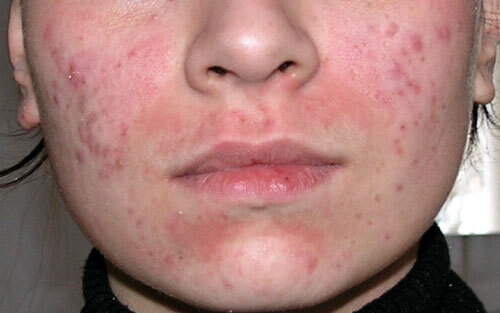
allergy skin - itchy skin, rubella and measles-like rash, redness of the skin. If rash or swelling angionevrichesky accompanied by such symptoms as the swelling of the lips, face or tongue, constriction of the chest, shortness of breath, wheezing or dizziness, you should seek immediate medical attention.
Diagnosis of skin allergy is based on a thorough examination by a dermatologist and / or a therapist and on medical history. To identify a specific substance, which could develop an allergic reaction, take skin tests. In order to establish the possible triggering of the patient allergic diseases, blood donation is a standard assays
allergy skin - treatment
to prevent skin allergies, every person subject to the development of allergic reactions should be sure to know the entire list of provoking allergic to allergens skin. However, it is often impossible to establish a provoker of skin rashes on your own. Therefore, with the appearance of the slightest signs of skin allergy, you should not hesitate to contact your doctor. After the appointment of a number of specific tests and tests, the diagnosis can be established more accurately, after which the doctor will be able to prescribe an appropriate treatment for the patient.
At the same time I want to note that absolutely no treatment for skin allergy will not be able to help the patient in case the provoking allergen has not been removed from his daily life. In the absence of a provocateur, the allergy to the skin often passes by itself. If it does not, then the patient is assigned to the reception of antihistamines( fenistil, suprastin, tavegil etc.), Which are not only clean skin rashes, but also eliminates the inconvenience of delivering huge itch. In addition, antihistamines are able to eliminate such common signs of an allergic reaction as edema. In especially severe cases, the appointment of glucocorticoids is indicated.
Most allergists attribute hormonal creams and ointment to their patients with an allergy on the skin .These drugs are not dangerous at all, as modern creams and ointments contain so little doses of hormones in their composition that they are practically not absorbed into the blood, while providing a good anti-allergic effect.
Allergy to the skin in children due to the susceptibility of the child's body to hormonal drugs, hormonal creams and ointments is usually not treated. In such cases, funds are used that do not contain hormones in their composition, which are no less able to cope with this problem.