Operative treatment of atrial fibrillation
Speaking of atrial fibrillation, it should be noted that it is, perhaps, the most common violation of the heart rate. People of all ages are affected by this disease, but most of them suffer from elderly individuals. Often, this type of arrhythmia is closely related to organic myocardial diseases, but a large number of patients have no violations. In addition, atrial fibrillation belongs to a close relationship with such complications as embolism and hemodynamic instability, and these complications are very serious, leading to a significant increase in the price of medical care and increased mortality due to the disease. Already in these few suggestions can be absolutely clear that atrial fibrillation - this is a very serious disease, and surgical treatment of atrial fibrillation must be vigorously always, regardless of the form and extent of the disease.
What is atrial fibrillation?
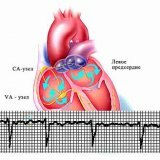
The disease, which we are now talking about, implies one of the varieties of tachyarrhythmias of the supraventricular. It is characterized, in the main, by in no way coordinated activity of the atria, which entails significant deterioration of their function of contraction. The most characteristic features of this type of arrhythmia are the replacement of the P wave with fibrillation waves or rapid osylation. It is clear that the common man, these words do not say much, but the people who even be good with the medicine, be sure to understand just how complex this disease is and how important its quality timely treatment. It is also worth noting that the ventricles can contract during illness with different frequencies, and this frequency depends on many factors. First of all, these are the electrophysiological characteristics of the ventricular-atrial node;Also the level of activity of nervous systems - both sympathetic and parasympathetic. In addition, affect the course of the disease and drugs. It is the frequency of contraction of the ventricles that coordinates the complexity of a particular case of the disease, directly proportional to the degree of arrhythmia.
It is impossible not to mention the generally accepted fact that in clinical practice it is atrial fibrillation that is the most common disease from the whole of its vast group. It accounts for about a third of all cases of the disease, and hospitalization due to cardiac arrhythmias in almost half of cases is characterized by atrial fibrillation. Naturally, these words alone are enough to understand: the disease requires as much as possible professional and effective surgical treatment. After all, four to five people out of a hundred inhabitants of the earth suffer from this disease, and the percentage increases proportionally to the age of the sick. Thus, in arrhythmics under the age of sixty the prevalence of the disease is less than one percent, and in people over sixty - more than six percent. Therefore, atrial fibrillation can be safely called the age-related illness of all people on the globe.
How is atrial fibrillation treated?
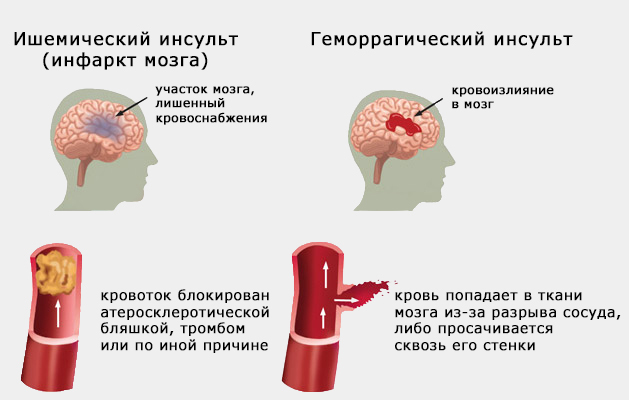
To begin with, it should be noted that in patients who have atrial fibrillation, ischemic stroke is five percent of cases. Without an arrhythmic disease from such a stroke, people suffer in one and a half percent of cases, and this is yet another eloquent indicator of the danger of the disease and the importance of its treatment. Treatment of atrial fibrillation usually begins when the patient is prescribed a variety of antiarrhythmic drugs, which are often enough to rapidly and significantly reduce the complexity of the disease and the degree of its manifestation.
Among the drugs, antiarrhythmics are four main classes, which vary their destiny and are often combined for effective treatment of atrial fibrillation, as well as some other types of arrhythmias. The first class is characterized by its main function - blocking the sodium channels of the membrane. Such means are called membranostabilizing and are divided into three groups. First moderately slow sodium current( quinidine, Dizopiramid, Pirmenol, Tsibenzol), other maximize repolarization and increased conduction( lidocaine, Piromekain, aprindine, Fenotoin), and others - pronounced slow conductivity( encainide, Indekainid, Allapinin, Propafenone).
The second class of antiarrhythmics has very different functions: it limits the sympathetic effect on the heart. This class includes many drugs, among which the most effective are Timolol, Nadolol, Propranolol, Metoprolol and Bisoprolol. However, none the less effective are Nebivolol, Abucatolol, Esmolol, Sotalol and some other means, in the name of which there is the same ending.
The third class can be described as a class of drugs that stimulate the uniformity of elongation of the phase responsible for repolarization. They also increase the duration of the action potential, which is directly related to their first function. The best in this class is called Cordarone, also called Amiodarone, Dofetilide, Brtilia Tozilat, Ibutilid and Nibentan. In the fourth class, drugs are collected that cover the calcium membrane channels and inhibit the depolarization of slow cells. In this form, Diltiazem and Verapamil are distinguished;Also very effective are such drugs as Tiapamil, Gallopamil and Bepridil.
In addition to antiarrhythmics, a popular way to treat arrhythmia is ciliary is radiofrequency ablation, the essence of which is the normalization of the heart rhythm through moxibustion of a small area in it. For this, a special catheter is used. But most often combined therapy is used, which consists of ablation in conjunction with several types of antiarrhythmic medications.