Tachycardia
 Our heart, sensitive, gentle, kind, gives an occasion to talk not only about love. Many people have a "heartache" in the truest sense of the word. Doctors know and treat a lot of heart diseases, but here we are talking about a very common disease - tachycardia, a drug for treatment which must be chosen thoroughly.
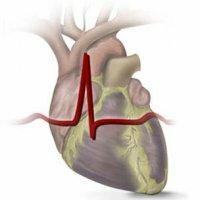
Tachycardia is a violation of the heart rhythm, in which the heart muscles contract with an increased frequency. An increase in the frequency of heart contractions can be observed in completely healthy people with increased physical exertion, high body temperature, stressful situation. In such cases it is not a disease, but a natural reaction of the body. After exercise, the heart should restore the normal rhythm in about five minutes. However, if the time for normalizing the rhythm is prolonged, or tachycardia is observed without apparent natural causes, this is a disease. And of course in this case, you should see a doctor as soon as possible.
This disease is not as safe as it may seem. Long-term disruption of the heart rate is fraught with numerous complications.
 Starting with general heart failure, tachycardia can lead to lung edema, disruption of blood supply to the brain, sudden cardiac arrest. You can not joke with this disease.
 Sudden attacks of the disease can provoke various external factors, such as taking certain medications, drinking strong coffee or alcohol, smoking.
Symptoms of tachycardia
The first symptoms felt by patients with tachycardia are the increased pulse, weakness and dizziness, shortness of breath, a feeling of heart failure. When there is doubt about the frequency of your pulse, then you can determine it yourself. For this, in a calm state, one should count the number of heartbeats within one minute. In an adult, an amount of 50 to 100 beats per minute is considered normal.
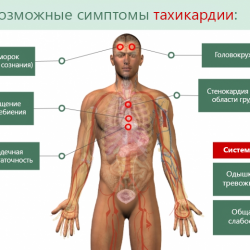 By its localization, tachycardia impulses can occur in the atria of the heart or in the ventricles of the heart. In the first case, doctors call the disease supraventricular tachycardia, in the second case, ventricular tachycardia.
Treatment of any type of tachycardia is always aimed at eliminating the root cause of its occurrence.
Causes of tachycardia
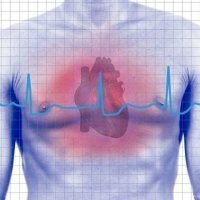
The causes of the appearance of tachycardia are different, and for their correct determination it is necessary to conduct a series of studies. First of all, this is an electrocardiogram and ultrasound of the heart - they will determine the type of tachycardia. Possible the appointment of hormonal blood test and other examinations. After receiving the results and their analysis, the doctor is able to determine the appropriate treatment taking into account all available factors.
Consider some of the causes of tachycardia and ways to treat it.
In a number of cases, the increase in heart rate may be caused by anemia, then to normalize the condition, patients need to take iron preparations. Typical signs with such a tachycardia will be darkening in the eyes, increased fatigue, pallor and dry skin. If a cause of heart rhythm disturbance is any blood disease - treatment is prescribed based on indications for a specific disease( for example, when leukemia is prescribed chemotherapy).
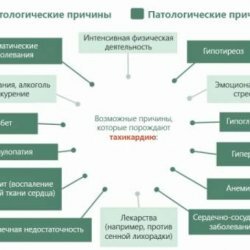 There is a possibility of occurrence of attacks of a tachycardia at the big blood loss as a result of surgical operations and traumas or strong vomiting and dehydration. The reason for this is a decrease in the amount of fluid in the body and, accordingly, a decrease in the volume of blood circulating through the blood vessels. At the same time, all the signs of the disease are accompanied by a feeling of intense thirst. Treatment in such situations will consist in increasing the volume of blood in the body.
Often the cause of tachycardia is hypothyroidism( a disease of the thyroid gland).To the main symptoms, patients are attached to complaints of irritability, hand trembling, young women may not have menstruation. In this case, the therapy is aimed at eliminating the cause of hypothyroidism and its treatment.
If the rhythm disturbance was a consequence of congenital heart disease or, for example, ischemic disease, the only treatment will be a surgical operation aimed at restoring the normal functioning of the heart muscles.
Most often, it happens that doctors note different complaints of patients, indicating not only tachycardia, but also accompanying diseases. In fact, it was other diseases that were the main cause of increased heart rate. Therefore, treatment in each case is different and it is determined only by a doctor.
Drugs for the treatment of tachycardia
However, there are certain drugs that are used in the treatment of tachycardia in order to eliminate not its causes, but the symptoms. These are antiarrhythmic drugs. They are a fairly large group of drugs with different mechanisms of action. Some of them are Rhythmelen, Verapamil, Propranolol, Flecainide, Reserpine, Adenosine, Etatsizin. It should be borne in mind that the dosage and use of these medicines is strictly individual and depends not only on the type of tachycardia, but also on a variety of other factors. Therefore, self-medication is by no means unacceptable. Medications and tachycardia are inextricably linked to each other. It can lead to a worsening of the condition and provoke a more dangerous attack.
Tachycardia can occur quite unexpectedly, and therefore healthy people and those already sick with tachycardia must know what measures must be taken in case of a sudden attack.
First you need to unbutton the collar of your shirt or remove the compressive clothing. Then provide the patient breathing fresh air - go to the window or go out into the street( if a person is not able to do it himself, you must definitely ask someone for help).On the forehead, you must put something cold, such as a wet towel. After this, the patient should try to hold his breath for a few seconds and strain the muscles of the abdominal press. If the condition does not improve, be sure to call an ambulance. Only qualified doctors are able to determine the cause of the attack and begin immediate treatment or medically reduce the increased palpitations. Often, timely help saves lives for many people.