Displacement of cervical vertebrae
The most mobile segment of the spine is the cervical section. Pathological mobility in this department is called spinal instability caused by displacement of the vertebrae. The displacement of the cervical vertebrae is not always accompanied by pain, sometimes it is detected accidentally by X-ray examination. If the displacement is accompanied by pain, then we are talking about the instability of the spine.
Most often, displacement of the vertebrae of the cervical region is observed in childhood. This is due to the peculiarities of the structure of the spine in young children. The displacement of the vertebrae is diagnosed in more than half of the cases in the segment C 2-C 3. The reasons for the displacement may be different: spine trauma, osteochondrosis, postoperative surgery, congenital dysplasia of vertebral discs. Always because of the displacement of the vertebrae, the spinal canal is squeezed. The cerebral casing as a result becomes inflamed, neurological diseases begin to develop.
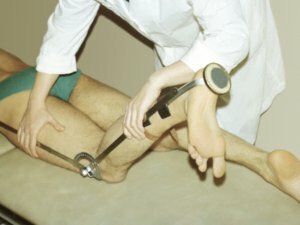
You can only diagnose an accurate diagnosis with the help of clinical examination methods. The most accurate picture is given by radiography in motion - with flexion and extension of the neck, as well as magnetic resonance imaging. X-rays with functional tests and conventional computed tomography are also used.
Symptoms of cervical vertebrae displacement
Most people have cervical pain. Many at first do not attach importance to it, writing off the indisposition for fatigue, a sedentary lifestyle. In fact, such a symptom indicates a possible unsafe displacement of cervical vertebrae leading to the development of some neurological diseases. The main symptoms of the pathology of the cervical spine are as follows:
- frequent dizziness, increased drowsiness, migraine in the usual daily routine;
- decreased hand sensitivity, a noticeable impairment of their function;
- pain of upper and lower extremities, chest and neck.
Pain in the cervical vertebrae is sometimes caused not only by the displacement, but also by the neck muscle injury, by the presence of osteochondrosis, intervertebral hernia, various kinds of tumors, hypothermia, or exaggerated burden on the back. Causes of pain can also consist in pinching the cervical vertebrae against the background of arthritis of the back or a herniated intervertebral disc.
Treatment of mixing cervical vertebrae
Treatment of any diseases of the spine is carried out only under the supervision of a specialist. Modern medicine can offer several conservative ways to treat vertebral displacement. These include:
- reflexotherapy, which works on certain points of the body with the help of special means;
- manual therapy, consisting in the treatment of hands, in the impact on the human body with the help of hands;
- physiotherapy - treatment by ultrasound, alternating current, laser, magnetic field.
Indication for surgery is too much displacement of the vertebrae in the neck after getting injured. In such a case, the spinal cord is surgically strengthened and stabilized by means specifically designed for this purpose. It must be said that carrying out any operations on the spine always involves the risk of an unfavorable outcome. But the very displacement of the vertebrae in the cervical region is fraught with serious consequences. Therefore, an operation is often absolutely necessary.
Prevention of bias
Of course, it is impossible to avoid accidental displacement of the vertebrae as a result of trauma or, for example, congenital dysplasia. However, anyone can take measures to prevent osteochondrosis - the main cause of displacement of cervical vertebrae. It is necessary to perform regular simple gymnastic exercises on a regular basis. You can do them anywhere and anytime - in the morning at home, during the day at work, even directly in public transport. Regular exercise gives good results.
- Shoulder rotation. When performing this exercise, you often hear a crunch in the spine. This sound is the result of the accumulation of salts. You need to actively carry out the exercise until the crunch stops. Further, the execution becomes less intense.
- Turns the head to the sides. Sitting straight, you need to turn your head as far back as possible. This should be done slowly, trying to gradually stretch the muscles of the neck. With each passing day such stretching will be more effective.
You can perform these exercises after visiting a doctor. And it is important to remember that these are methods of prevention, not treatment. With the existing displacement of the vertebrae in the neck, any exercises, including those described above, are contraindicated!