How to treat chronic pyelonephritis

When the disease develops in healthy kidneys - this is the primary pyelonephritis. If the disease develops against the background of some already existing diseases( glomerulonephritis, urolithiasis, etc.) is a secondary pyelonephritis. This disease can be one-sided and two-sided. The most common unilateral pyelonephritis.
Causes of chronic pyelonephritis
Women aged 18-30 years are most susceptible to this disease. It is at this age, in most cases, that women begin to have sex, get pregnant and give birth. These factors can be triggered the development of pyelonephritis. Also, pyelonephritis is noted in children under 7 years of age because of anatomical features. Men who suffer from adenoma of the prostate gland are also at risk.
The development of pyelonephritis is affected by chronic inflammatory diseases, diabetes mellitus, low immunity, recurrent frequent kidney colic, urolithiasis. In addition, the presence of kidney stones and salts can trigger this disease. People suffering from acute cystitis may also develop pyelonephritis.
Symptoms of chronic pyelonephritis
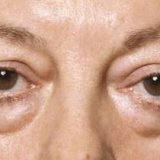
Symptoms of chronic pyelonephritis mask for other diseases. When chronic pyelonephritis develops, the skin becomes pale in a person, there are pains in the head, weakness, appetite disappears, often you want to go to the toilet. There may be blunt and aching pain in the lumbar region. These pains in wet weather can intensify. As the disease develops, the specific gravity of urine decreases. In some cases pressure leaps. Chronic pyelonephritis appears in consequence of acute pyelonephritis, when the patient did not treat pyelonephritis at the initial stage or did not bring the treatment to completion. Often happens, that as a result of treatment of an acute pyelonephritis the inflammation has been removed, but not all causative agents which were in a kidney, have been destroyed. Or the outflow of urine from the kidney was poorly regulated. Pyelonephritis chronic can be detected during urinalysis, as well as during the measurement of arterial pressure. With the exacerbation of this disease, all the signs characteristic of chronic pyelonephritis can manifest.
How to treat chronic and acute pyelonephritis
If pyelonephritis has already developed, then the treatment is based on three main points. In the beginning it is necessary to restore urodynamics( movement of urine on urinary ways).If it is broken, then treatment of infection will be ineffective. After the regulation of the urethra, antibacterial or uroseptic drugs are prescribed. If the course of the inflammation is prolonged, then immunomodulatory therapy is prescribed.
Treatment of pyelonephritis begins with antibacterial and uroseptic therapy, which lasts for 1-2 weeks. To effect was rapid, it is often ascribed to take two drugs at once. Better than others, the antibiotic levomycetin copes with the disease. It is undesirable to use tetracycline and gentamicin. The sensitivity of bacteria sown with urine to one or other drugs should be clarified before antibiotics are used. It is also possible to prescribe sulfonamides, preferably long-acting. They are active against bacteria, including E. coli. Nitrofurans in the treatment of pyelonephritis have also been widely used( furagin, furadonin).Effective use of drugs of the quinolone group, nalidixic acid. In our time, non-long courses of treatment are used. The patient is prescribed diuretics and a dropper with saline solution. With this treatment, the kidneys are well washed and bacteria multiplying stops.
Inadmissible self-treatment of pyelonephritis. If you find any symptoms or symptoms, you should consult a doctor. A prerequisite for the treatment of chronic pyelonephritis is the restoration of the passage of urine. Therefore, sometimes resort to surgery. If a person has his kidneys lowered, a bandage should be worn. The intestinal function should also be normalized. This is because bloating and constipation affect negatively on urodynamics.
When chronic pyelonephritis is not in an acute stage, follow a special diet. Use of broths from meat and fish should be limited. Eat meat and fish in boiled form and in small portions. The use of seasonings should also be limited. It is necessary to drink a lot of liquids, at least 2 - 2.5 liters per day. In the event that there is hypertension in pyelonephritis, you need to minimize the amount of salt consumed. To increase immunity in the body, consume more vitamin.
The most important thing for effective treatment of chronic pyelonephritis is to consult a doctor in time if there are any symptoms of the disease. After all, the treatment of any disease in the initial stage leads to the best results.