De-nol: action, application, effectiveness
 De-nol belongs to bismuth preparations, to the group of cytoprotectors.
The medicine is prescribed for gastric ulcer and duodenal ulcer, erosions, inflammation of the gastric mucosa due to prolonged use of NSAIDs.
Bismuth in small quantities enters the body with food and water. Greater intake provides for the intake of drugs containing bismuth, inside or through the skin.
This element is evenly distributed in organs and tissues. It can sometimes build up in the kidneys, liver, bone, and spleen, though.
Bismuth belongs to moderately toxic substances. Since ancient times, this element has been used in medicine. Currently, bismuth is widely used in gastroenterological practice.

Content:
- 1 The mechanism of action of cytoprotectors
-
2 Indications for use
- 2.1 Irritable Bowel Syndrome
- 2.2 Reflux esophagitis
- 2.3 Peptic ulcer and duodenal ulcer
- 2.4 Gastroduodenitis
- 2.5 Functional dyspepsia syndrome
- 2.6 Gastritis
- 3 Contraindications to taking De-nol and its analogues
- 4 Side effects
- 5 Preparations of bismuth tripotassium dicitrate
- 6 De-nol's analogs
- 7 Which cytoprotectant is best?
- 8 Special rules when taking De-nol
- 9 Conclusion
The mechanism of action of cytoprotectors
De-nol and its analogs have cytoprotective, antibacterial and antiulcer effects.

The cytoprotective effect is associated with:
- the formation of a protective film in the area of damage to the mucous membrane of the stomach or duodenum. Due to this, the defect does not interact with hydrochloric acid and further irritation;
- stimulating the formation of prostaglandin E2 the production of protective mucus increases in the stomach;
- a decrease in the formation of pepsin, which aggressively affects the gastric mucosa and mucosal defect;
- normalization of blood supply to the damaged area. Thanks to this, the restoration of damaged tissues is accelerated.
Antibacterial and antiulcer action. De-nol helps to eliminate Helicobacter pylori infection from the body.
It is this bacterium that is one of the causes of gastric ulcer and duodenal ulcer. This effect is possible due to the destruction of bacterial cells, suppression of its enzymes, and a decrease in the mobility of H. pylori.
In addition, the drug goes deep into the stomach, where it also affects the microorganism. Resistance is not developed to De-nol.
Indications for use
For what diseases are De-nol and its analogues prescribed?
Cytoprotectors are indicated for irritable bowel syndrome, reflux esophagitis, gastric ulcer and duodenal ulcer, inflammation of the gastric mucosa after prolonged use of NSAIDs, gastroduodenitis, syndrome functional dyspepsia.
Irritable Bowel Syndrome
Irritable bowel syndrome is a disorder of bowel function accompanied by recurrence of abdominal pain that occurs at least 1 time per week.
In this case, the pain syndrome is associated either with defecation, or with an altered frequency or shape of stool.
In irritable bowel syndrome, patients complain of pain in the abdomen, which decreases after a bowel movement or passing gas, associated with a change in the frequency or consistency of stools.
Moreover, the pain syndrome can be aching, burning, dull in nature. Sometimes the patient describes the pain as dagger, twisting, constant.
Soreness is felt in the iliac region (limited to the lower ribs and pelvic bones), often on the left. A patient with irritable bowel syndrome notes that abdominal discomfort increases after eating.
Another sign of irritable bowel syndrome is bloating (flatulence). Patients note that flatulence appears after eating, increases during the day.
Also, with irritable bowel syndrome, the patient is worried about diarrhea or constipation, or their alternation.
In addition, the patient may experience: a feeling of heaviness and fullness in the stomach, nausea, heartburn, soreness in the lower back, pain in muscles and joints, symptoms from genitourinary system (feeling of incomplete emptying of the bladder, frequent urge to urinate, frequent urination at night), pain during intercourse in women, sleep disturbance.
Reflux esophagitis

Reflux esophagitis is an inflammation of the lining of the esophagus due to the reflux of gastric contents into the esophagus.
Patients complain of soreness in the chest and in the epigastrium (in the navel and 2-3 cm above it) after swallowing food.
The same symptoms can occur with physical exertion, wearing tight straps. Often, soreness appears when lying down.
In this case, the pain is paroxysmal and "radiates" to the heart, neck or back. Pain syndrome is accompanied by belching of air. Sometimes stomach contents can be released when belching.
Also, patients complain of heartburn in the evening and night hours. In addition, hiccups, excessive salivation, vomiting, nausea, and difficulty breathing are troubling.
Moreover, patients note that hiccups continue for a long time, and its occurrence is associated with belching.
Peptic ulcer and duodenal ulcer

Peptic ulcer and duodenal ulcer is a condition characterized by the presence of an ulcer in the stomach or intestines. The disease proceeds with periods of exacerbation and remission.
Patients are worried about soreness in the epigastrium. It can be different. Patients characterize it as cutting, aching or burning.
Periodicity of pain syndrome is inherent in ulcerative defect. That is, the pain passes, then appears again.
In addition, such symptoms are noted mainly in autumn and spring. For pain syndrome with an ulcer, a connection with food intake is characteristic.
Also, in patients, belching is possible. It can be acidic (with hypersecretion of gastric juice), food can come back with it.
Sometimes vomiting appears, after which the condition improves significantly, heartburn and weight loss, because patients are afraid of pain after eating and try to eat less.
Gastroduodenitis

Gastroduodenitis is an inflammation of the duodenal mucosa and pyloric stomach.
The main symptom of gastroduodenitis is pain. It extends to the epigastrium (the navel area and 2-3 cm above it), can "give" to the left hypochondrium, the left half of the chest, the left arm.
The pain is associated with food intake. That is, the patient complains of pain in the abdomen that disappears after eating.
Also, the patient is worried about heartburn - a burning sensation behind the breastbone, rising up to the neck, weakness and lethargy, constipation or diarrhea. Diarrhea often worries patients in whom the stomach is more affected.
If the inflammation is localized, to a greater extent, in the duodenum, then constipation predominates.
In some cases, pallor of the skin, a feeling of quick satiety, bitterness in the mouth, belching, flatulence, sleep disturbance, loss of appetite, frequent headaches, vomiting, low arterial pressure.
Functional dyspepsia syndrome
Functional dyspepsia is a complex of symptoms that include soreness and burning in the epigastric region, a feeling of fullness after eating, and early satiety.
Patients with functional dyspepsia complain of epigastric pain (or discomfort), a feeling of fullness in epigastric region after eating - a feeling of prolonged delay in food in the stomach, burning sensation in the epigastrium - burning sensations in navel area.
Early satiety is characteristic - no matter how much the patient ate, he gets the feeling that the stomach is already full.
As a result, the patient does not eat enough, which leads to a gradual weight loss and deterioration in well-being.
Gastritis

Gastritis is a group of diseases characterized by similar symptoms, but which are based on different causes.
With gastritis, patients complain of nausea, regurgitation, belching, a feeling of heaviness and fullness in the stomach, burning sensation in the epigastric region.
Moreover, this symptomatology increases during a meal or some time after it. Some patients may notice an unpleasant taste in the mouth, heartburn. Sometimes constipation or diarrhea predominates.
Also, patients pay attention to increased irritability, weakness. Often there is an instability of blood pressure, moreover, its decrease is more often noted.
In some cases, there is a feeling of quick satiety during a meal, sharp and sudden weakness, drowsiness, hiccups, increased sweating, diarrhea.
If the pathological process has led to a lack of vitamin B12 and anemia, then there is a feeling of "creeping" in the hands and legs, burning and pain in the tongue, loss of interest in life, weakness, "sticking" in the corners of the mouth, hair loss and brittleness, bleeding gums.
Contraindications to taking De-nol and its analogues

In what cases should you not take bismuth preparations and its analogues? The medicine is contraindicated for:
- pregnancy and breastfeeding;
- the presence of allergic reactions to the components of the drug;
- impaired renal function;
- concomitant use of other drugs that contain bismuth.
Side effects
What side effects can occur when taking De-nol? The appearance of such conditions as:
- nausea and vomiting;
- darkening of feces;
- an allergic reaction (urticaria, itching, rashes);
- constipation;
- diarrhea;
- darkening of the tongue;
- long-term use of large doses of the drug leads to memory impairment, decreased attention and encephalopathy. Such a reaction is extremely rare.
In case of an overdose of the drug, the patient develops a black border on the gums, soreness in the abdomen, nausea and vomiting, diarrhea, and bloating.
Renal failure is also characteristic, which is manifested by itching, increased blood pressure, nausea and vomiting, weakness and sleep disturbance. After the abolition of bismuth tripotassium dicitrate, the listed phenomena disappear completely.
Preparations of bismuth tripotassium dicitrate
What preparations of bismuth tripotassium dicitrate exist, in addition to De-nol? Let's list them:
- Tribimol;
- Ulceron;
- Biscol;
- Biscol citrate;
- Ventrisol.
De-nol's analogs

Sucralfat, Carbenoxolone, Misoprostol, Pentoxifylline have the same therapeutic effect as De-Nol.
Sucralfate is an aluminum salt. Compared to De-nol, this drug has a low price. Sucralfate also binds bile acids that irritate the duodenum.
However, this medicine does not have an antimicrobial effect, does not stimulate the production of protective mucus in the stomach, and does not contribute to the normalization of the blood supply to the damaged area.
In addition, Sucralfat has more side effects and contraindications.
Carbenoxolone. The active ingredient is obtained from licorice. The medicine stimulates the production of mucus in the stomach and increases its viscosity.
Side effects of taking Carbenoxolone include increased blood pressure, swelling, and an increase in the concentration of potassium in the blood.
Misoprostol - refers to prostaglandin analogues that increase the production of protective mucus in the stomach.
The drug also improves blood flow in the area of the mucosal defect, reduces the level of pepsin in gastric juice, and improves ulcer healing.
Side effects of taking Misoprostol include nausea, headache, abdominal pain, and diarrhea. This drug is also used for medical abortion.
Pentoxifylline improves blood circulation in the stomach, thereby accelerating ulcer healing.
Which cytoprotectant is best?
At the Russian State Medical University, studies were carried out in which the effectiveness of De-Nol, Sucralfat, Misoprostol, Carbenoxolone and Pentoxifylline was studied and compared.
According to the research results, it was found that bismuth tripotassium dicitrate (De-nol) has the greatest number of gastroprotective effects.
Unlike Sucralfat, De-nol enhances blood circulation in the mucosal defect.
Also, bismuth tripotassium dicitrate reduces the concentration of pepsin in gastric juice, binds bile acids and creates a protective film in the ulcer area, in contrast to Misoprostol and Pentoxifylline.
In addition, De-nol, unlike Misoprostol, increases the production of protective mucus in the stomach. But bismuth tripotassium dicitrate binds bile acids to a lesser extent than sucralfate.
Thus, De-nol is preferable for the treatment of ulcers, chronic gastritis, inflammation of the gastric mucosa due to the use of alcohol and NSAIDs.
For gastritis caused by alcohol and stress, Sucralfate and Pentoxifylline may also be used.
With gastropathies due to prolonged use of NSAIDs, in addition to De-nol, Mesoprostol can be used for treatment.
When the gastric contents are thrown into the esophagus and its mucous membrane is inflamed (reflux esophagitis), the appointment of other cytoprotectors is more effective.
De-nol in this case loses to Misoprostol, Pentoxifylline and Sucralfat.
Special rules when taking De-nol
There are some rules for taking De-nol:
- the medicine is not prescribed for a period of more than two months;
- alcoholic beverages are prohibited during treatment with De-Nol;
- while taking bismuth preparations, the feces may darken, up to black;
- you can not take doses larger than indicated in the instructions;
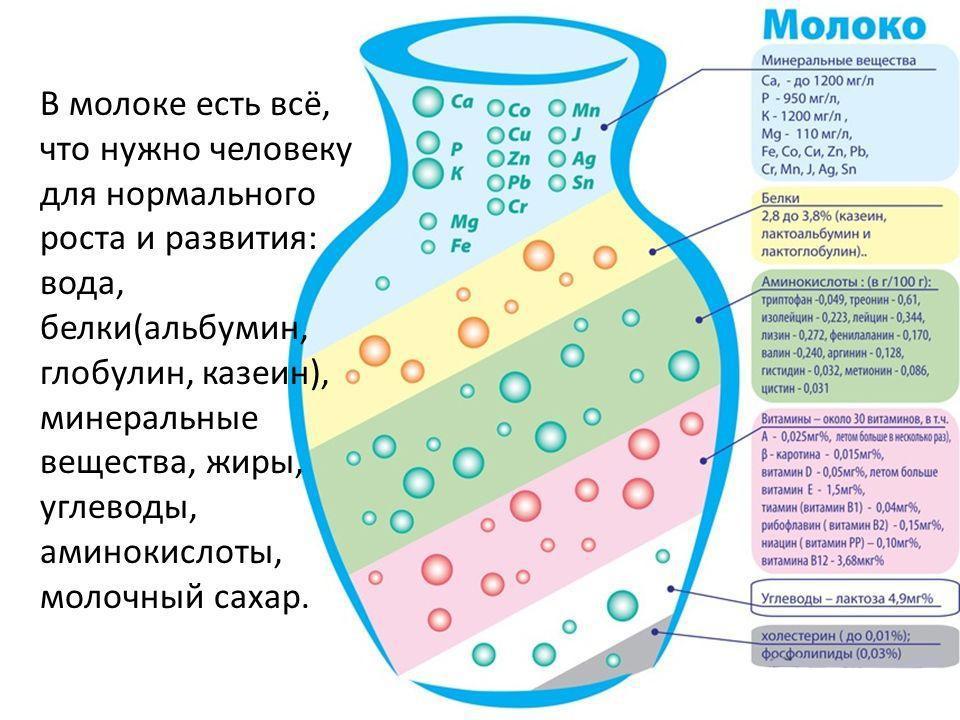
- taking the drug with dairy products, juice or fruit reduces its effectiveness;
- you can not take De-nol with some antibacterial agents (Tetracycline, Metronidazole, Ciprofloxacin, etc.), as it reduces the absorption of the listed drugs;
- taking De-nol simultaneously with antacids (Almagel, Fosfalugel, Maalox) reduces the effectiveness of the cytoprotector.
Conclusion
De-nol belongs to bismuth preparations, to the group of cytoprotectors. The medicine is prescribed for gastric ulcer and duodenal ulcer, erosions, inflammation of the gastric mucosa due to prolonged use of NSAIDs.
The mechanism of action of the drug is based on the antibacterial effect, increasing the production of protective mucus in the stomach, a decrease in the production of pepsin, an improvement in blood circulation in the area of the ulcer, the formation of a film that protects the ulcer.
Bismuth preparations are contraindicated in case of renal failure, pregnancy and lactation, the presence of allergic reactions.
De-nol's analogs include Carbenoxolone, Misoprostol, Sucralfat, Pentoxifylline.
According to the study, De-nol is most effective in the treatment of gastric ulcer and duodenal ulcer, gastritis, inflammation of the mucous membrane due to alcohol and NSAID intake.
In reflux esophagitis, the rest of the cytoprotectors showed the greatest efficiency. De-nol should not be taken in doses greater than indicated in the instructions, as well as more than two months.
When treating with the drug, the use of alcohol, treatment with antacids and antibiotics is prohibited.
Dairy products, juice and fruits should not be eaten together with De-Nol. During treatment with this remedy, it is possible to stain the stool black.