Gallbladder and its symptoms
The gallbladder is a kind of reservoir in the body designed to store bile. She, in turn, takes part in the digestive process.
If a person exhibits signs of gallbladder disease, such as hepatic colic or nausea, immediate remedial action is needed.
In this article, we will look at the symptoms and treatment of such ailments, and also talk about the factors that provoke their appearance.

Content:
- 1 Functions of the gallbladder
- 2 Causes of gallbladder disease
-
3 Characteristics of ailments of the gallbladder
- 3.1 Chronic non-calculous cholecystitis
- 3.2 Acute cholangitis
- 3.3 Cholelithiasis
- 3.4 Biliary dyskinesia
- 3.5 Carcinoma
- 4 Symptoms
- 5 Drug treatment of pathologies of the gallbladder
- 6 Diet food
- 7 Useful video
Functions of the gallbladder
Like any internal organ, the gallbladder has a number of important functions. Its main purpose is to store and transport the yellow fluid that the stomach needs to digest and digest fluid.
The organ is pear-shaped. It is thinned in the area of duct attachment and thickened at the base. Its average length in an adult is 3.5 - 5.5 cm.
The gallbladder is divided into 3 parts: the fundus, the neck and the body. It is located in the liver zone, therefore, gallbladder diseases are always accompanied by hepatic colic.
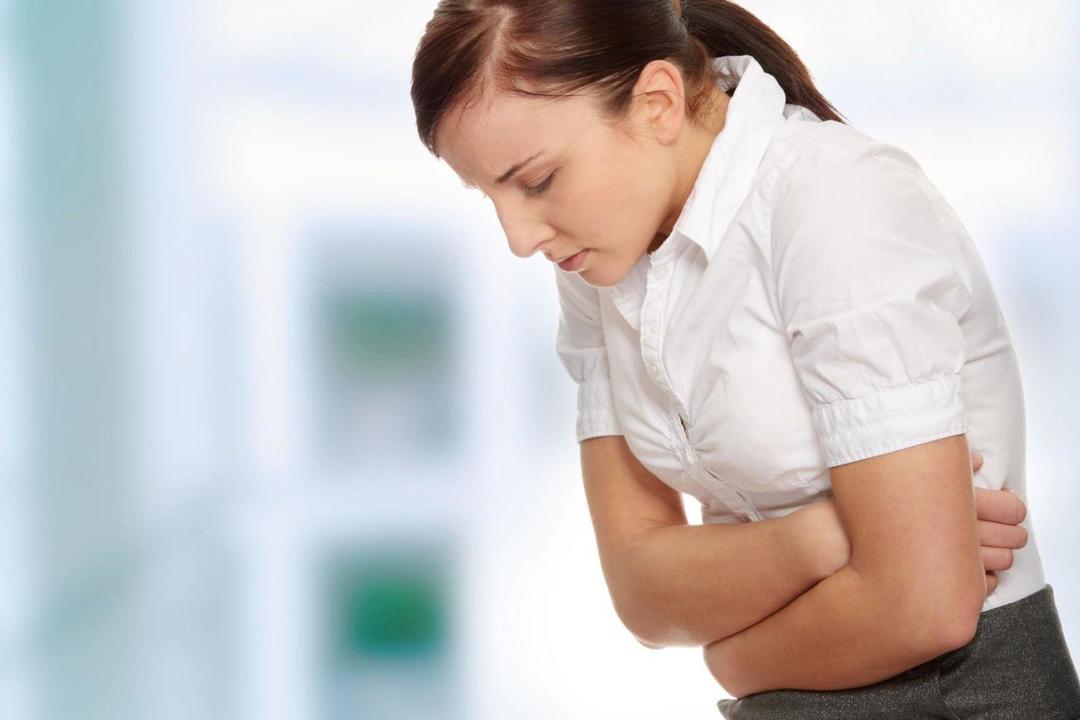
The person experiences severe pain in the right hypochondrium. To get rid of it, you need to take antispasmodics or analgesics.
This organ has a 3-layer tissue surface: mucous, muscular and serous. The first consists of a large number of longitudinal folds.
Interesting fact! It is impossible to feel the gallbladder through the abdominal wall. This is due to the anatomical structure of the human body. But if the organ is enlarged, then it is possible to probe it.
An increase in this reservoir is always accompanied by an inflammatory process that provokes severe pain in the right hypochondrium.
It is widely believed that the yellow fluid is produced by this particular organ. In fact, the liver is responsible for its production in the body.
When the process of producing yellow fluid is over, the bladder fills with it, after which a signal is sent to the stomach to accept it.
Then the yellow liquid enters a special cystic duct. Through the bile ducts, it enters the duodenum.
The reserve property is not the only purpose of this organ. It is also responsible for the production of acetylcholecystokinin and mucus.
Thanks to this reservoir, the stomach absorbs the nutrients necessary to keep a person alive.
In just 1 day, this organ is capable of producing about 1 liter of yellow liquid. Bile acid is not the only component. It also consists of phospholipids, water, mucus, amino acids, and bilirubin.
Bile contains a large amount of vitamins and minerals. Its main properties:
- Export of pathogenic intestinal microflora. The yellow liquid helps not only to neutralize the action of pathogens, but also to remove them from the body.
- Neutralization of the juice produced by the stomach.
- Giving tone to the intestines, improving its functions.
- Activation of intestinal enzymatic function.
- Removal from the body of the remnants of the active substances of medicines.
Gallbladder ailments in women may be associated with gynecology. Therefore, the patient of a gastroenterologist or surgeon is often offered to be examined by a "female" doctor.
Causes of gallbladder disease
Such ailments rarely occur under the influence of external factors. As practice shows, the violation of the functioning of this organ is associated with an incorrect lifestyle.
Let's list the main reasons for its dysfunction:
- Changes in the chemical bile composition. As a result, the yellow liquid becomes thicker. It significantly increases the concentration of cholesterol, acid, and minerals.
- Helminthic invasion. Almost any disease of the gallbladder can be triggered by a parasitic lesion. In most cases, it is caused by giardiasis.
- Infection of the body with pathogenic bacteria. For example, an ailment can be triggered by Pseudomonas aeruginosa entering the intestine. It provokes inflammation of the tissue surface of the reservoir. Also, under the influence of pathogenic bacteria, cholecystitis often develops.
- Oncological pathology. The presence of malignant neoplasms on the walls of the organ is accompanied by a gradual deterioration in well-being. If cancer is not diagnosed in time, the patient will die.
- Dysfunction of the biliary tract. If their work has been disrupted, the yellow liquid does not enter the stomach in sufficient quantities. As a result, the patient stacks up with a malfunction in the digestive function. This is fraught with the appearance of aching pain that does not subside even at night.
- Disease of the pancreas or liver.
Often, an ailment of the gallbladder is a complication of an underlying disease, for example, hepatic cirrhosis.
Clear signs of gallbladder disease appear when the chemical composition of the yellow fluid changes. As a result, the balance of its components is disturbed.
What does this lead to? As practice shows, a change in the chemical composition of the yellow liquid provokes the formation of calculi inside the reservoir - stones of different sizes and diameters.
Their movement within the organ leads to a blockage of the duct. As a result, the patient experiences severe pain in the right hypochondrium, which cannot always be stopped with medication.
The presence of stones inside the gallbladder is called cholelithiasis.
As medical practice shows, it is possible to stop its symptoms only by a surgical method. That is, an organ filled with stone or stones must be removed.
Characteristics of ailments of the gallbladder
Symptoms depend on the type of gallbladder disease. Let us briefly consider the main ailments, the development of which provokes the dysfunction of this organ.
Chronic non-calculous cholecystitis
One of the most dangerous pathologies. There are no calculi in the yellow liquid storage tank in chronic calculous cholecystitis.
Nevertheless, the tissue surface of the organ becomes highly inflamed. It is provoked by an infectious agent.
However, inflammation of the reservoir walls may be due to the development of pancreatic disease, hepatitis, or cholestasis.
Acute cholangitis
This ailment is characterized by inflammation of the bile ducts. In most cases, acute cholangitis occurs as a result of the development of other diseases.
In this case, it is their complication. Therefore, in order to get rid of acute cholangitis, you need to diagnose an ailment, the development of which provoked its appearance, after which - to take therapeutic measures aimed at stopping it symptoms.
Cholelithiasis
In 50% of cases, gastroenterologists treating patients suffering from this ailment refer them to a surgeon who must perform an operation.
Unfortunately, there are no therapeutic measures aimed at removing large calculi in the yellow liquid storage tank, except for the operation.
Stones smaller than 0.3 mm can be split using a laser or shock wave therapy. But the presence of such a neoplasm in the organ is rarely accompanied by the manifestation of severely tolerated signs of the disease.
Therefore, if the symptoms and signs of gallstone disease do not manifest themselves clearly, there is no need to remove the organ.
At risk are women over 40 who have given birth to a child. If a woman is plump, then the risk of predisposition to this ailment increases.
The chances of getting stones are higher in obese patients. It is worth noting that men are diagnosed with this ailment less often than women.
Gastroenterologists distinguish 4 types of calculi:
- Black.
- Bilirubin.
- Brown.
- Cholesterol.
Each of these types of stones can form in other internal organs as well. In most cases, gallstone disease is chronic.
She, like any other ailment, has a period of remission and exacerbation. As for the second period, then, at the time of its course, the patient experiences severe pain in the right hypochondrium.
Constantly felt discomfort deprives him of the ability to think critically and focus on objects in the external environment.
In medicine, this pain is called hepatic colic. Surgeons and gastroenterologists recommend stopping it with antispasmodics.
For example, during an exacerbation of this pathology, it is advisable to take No-shpa, Riabal and Spazmolgon.
If the pain is very severe, then taking pills is useless. In this case, injections are recommended.
Advice! To achieve the maximum analgesic effect, it is recommended to combine antispasmodics. For example, at the time of hepatic colic, the patient needs to inject 1 ampoule of Analgin, Spazmolgon, No-shpa and Baralgin.
Remember that relieving pain at the time of an exacerbation of the disease is not a curative measure! If discomfort in the right hypochondrium regularly bothers you, it is worth making an appointment with a gastroenterologist.
Biliary dyskinesia
This is a serious pathology that requires medical attention. It is characterized by dysfunction of the ducts through which the yellow liquid enters the stomach.
Signs of gallbladder disease with duct dyskinesia are always evident. A patient who has been diagnosed with this pathology will feel sluggish and apathetic.
Discomfort in the hepatic zone will become his constant companion. Psychoemotional stress often leads to the appearance of this ailment.
Excessive physical exertion, neurasthenia and overstrain of the brain are also distinguished among the provocative factors.
The best prevention of dyskinesia is good rest. A person should sleep at least 8 hours a day. As for the power loads, they should be moderate.
Carcinoma
This pathology is considered the most dangerous among all of the above. Why? With carcinoma, a tumor develops in the gallbladder area.
The etymology of the neoplasm is malignant. Its development is often provoked by an inflammatory process on the tissue surface of the organ.
High malignancy is the main characteristic of carcinoma. Even at an early stage of its development, the patient is faced with the appearance of screenings.
Symptoms
Regardless of the type, the symptoms of the disease, accompanied by gallbladder dysfunction, appear almost the same.
The main symptom indicating impaired functioning of the organ is a persistent pain in the right hypochondrium.
Important! Discomfort on the right side of the body is worse after eating. Therefore, a person who has been diagnosed with any pathology of the gallbladder needs a diet. Without following its rules, the pain will arise over and over again.
The discomfort is increased if the patient eats spicy, fried or fatty foods. Such food provokes the movement of calculus inside the organ.
As a result, it can clog the duct. This will lead to severe colic.
You cannot tolerate a painful attack. Sometimes the discomfort is so strong that a person loses consciousness. To prevent this, it is important to take medical measures in time.
In addition to hepatic colic, the patient is faced with other symptoms, namely:
- Nausea, sometimes accompanied by vomiting. It should be noted that with baked colic, vomiting of bile does not bring the desired relief.
- Failure in the functioning of the gastrointestinal tract. A person may experience constipation or diarrhea.
- Allergic reaction. It manifests itself in the form of itching and rash.
- Dyspeptic manifestation, such as belching.
- Labored breathing. At the time of a painful attack, a person experiences difficulties associated with the breathing process.
- Flatulence (severe bloating).
- Yellowing of the skin and whites of the eyes. The symptom is due to biliary obstruction.
- Sleep disturbance, insomnia.
- Increased irritability.
- Feeling of bitterness in the mouth.
- Drying of the skin.
The manifestation of such symptoms negatively affects not only the patient's health, but also his well-being.
Do not ignore its manifestation. If you are faced with the first symptoms of gallbladder dysfunction, feel free to go to the hospital.
Drug treatment of pathologies of the gallbladder
Of course, dysfunction of any internal organ is a serious problem that cannot be eliminated without medication.
Regular medication for cholestasis or other pathologies of the gallbladder is the main condition for achieving a therapeutic effect.
Without this, the desired therapeutic effect will not be achieved. What medications are prescribed by a gastroenterologist in this case?
- Pain relievers (analgesics).
- Choleretic drugs.
- Anti-inflammatory.
- Hepatoprotectors.
- Toning drugs.
It is important to approach the treatment issue in a comprehensive manner. Medicines are prescribed depending on the age and gender of the patient, as well as on the type of his illness.
When it comes to taking pain medications, it is important that only a doctor prescribes them.
It is worth noting that gastroenterologists, like surgeons, rarely prescribe analgesics to my patients, because they relieve pain.
It would seem that this is what to expect. Nevertheless, the presence of pain in the pathology of the biliary tract is important, because by its nature it is possible to judge the stage of the course of the disease, as well as the effectiveness of the application of methods aimed at its removal.
We can say that the use of analgesics in the presence of such diseases is not effective.
Relief of discomfort is not a curative measure, therefore, it is advisable to take drugs of this group only at the time of hepatic colic.
Choleretic agents are prescribed only during remission of pathology. At the time of its aggravation, they cannot be used. Otherwise, the patient's well-being will worsen, and his problem will worsen.
As for hepatoprotectors, they are prescribed for almost any pathology of the gallbladder. They are also recommended to be taken in case of liver dysfunction.
Medicines of this group help to normalize the process of production and supply of the stomach with yellow fluid.
Hepatoprotectors are prescribed only during the period of remission of the disease. Among them, there are drugs such as:
- Hofitol.
- Carsil.
- Essentiale.
- Hepabene, etc.
Diet food
Without following the rules of a therapeutic diet, you cannot count on treatment. Any pathology accompanied by impaired digestion should be treated with nutritional correction.
In this case, diet number 5 is recommended. Let's list its basic rules:
- It is recommended to drink at least 1.5 liters of clean water per day. This is required to prevent dehydration and prevent metabolic processes.
- The amount of fatty foods consumed by the patient should be minimal. The ideal option is to completely abandon it. We are talking about such products as meat / fish / potatoes fried in sunflower oil, fatty meat broths, mayonnaise, etc.
- Fractional food. You cannot overload your stomach with a large amount of food eaten for 1 meal, otherwise, constipation and nausea will occur.
- Alcohol during treatment should be completely excluded. As for smoking, you will also have to give up.
- Smoked and salty dishes will have to be abandoned.
- You will have to give up bakery, flour and chocolate products. Also, the patient should not drink carbonated water.
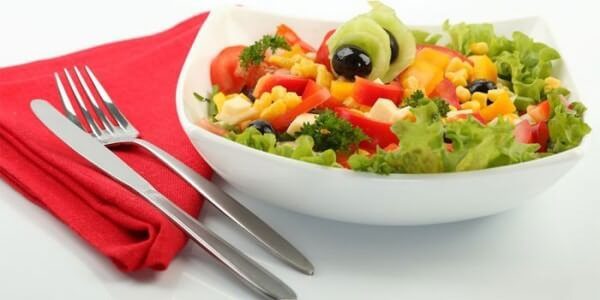
- Recommended dishes: vegetable soup, puree, puree soup, boiled chicken, vegetable stew, cereals, vegetable and fruit salads, low-fat dairy products. For example, a patient can indulge in low-fat cottage cheese or yogurt (it is advisable to cook it at home).
An important rule: after an attack of hepatic colic, you cannot drink or eat anything. You will have to refuse the meal for 1 day. Drinking water is allowed only in case of severe thirst.