Stroke symptoms in men: how to identify the first signs of a stroke in men and provide first aid

Content:
- First signs
- First aid
As with any part of the body, the human brain has a plexus of blood vessels that supply the brain with blood. If blood circulation in the brain is disturbed, then an attack of a stroke occurs - the death of part of the nerve cells in the brain, as a result of which the body may lose one or more functions for which the dead were responsible cells.
The results of the Framingham and Rochester studies indicate that there are currently worldwide deaths from stroke ischemic type averages 23% during the year, and in the first 30 days after a stroke, 19% of patients die.
In Russia, the indicators are slightly better than the global ones: within a year after a stroke, only 20% of patients die (according to other sources - 29%). In total, about half a million cases of stroke are diagnosed in Russia, including men and women.
Types of strokes and characteristic signs:
Hemorrhagic
A hemorrhagic stroke occurs as a result of a cerebral hemorrhage. The defective artery ruptures, blood enters the brain tissue and begins to squeeze adjacent areas, increasing pressure in the brain and preventing oxygen from reaching the site of injury.
The cause of hemorrhagic stroke is aneurysm (for example, with the development of atherosclerosis), that is, the impaired integrity of the vessel wall or vessels. High blood pressure is a contributing factor to the risk of hemorrhagic stroke.
Ischemic
As a result of ischemic stroke, when a vessel is disrupted in the brain, it is blocked, squeezed or ruptured due to blood clots. If the neighboring vessels cannot supply blood to the area of the brain with the damaged vessel, then the brain cells without the received oxygen will begin to die within a few minutes.
The cause of ischemic stroke is atherosclerotic plaques, which, when ruptured, form blood clots that block blood flow in a cerebral vessel.
Ischemic stroke in comparison with hemorrhagic stroke affects men much more often, but at the same time it is less painful.
The main symptoms of a man's stroke include:
- speech disorders in which the patient speaks indistinctly and cannot pronounce even simple words;
- numbness in various parts of the body;
- hearing and / or vision problems;
- problems with coordination: the patient's gait is similar to that of a drunk;
- sudden headaches.
The symptoms of a stroke in a man are quite similar to those of a female stroke, but there are some differences in the manifestation of this ailment.
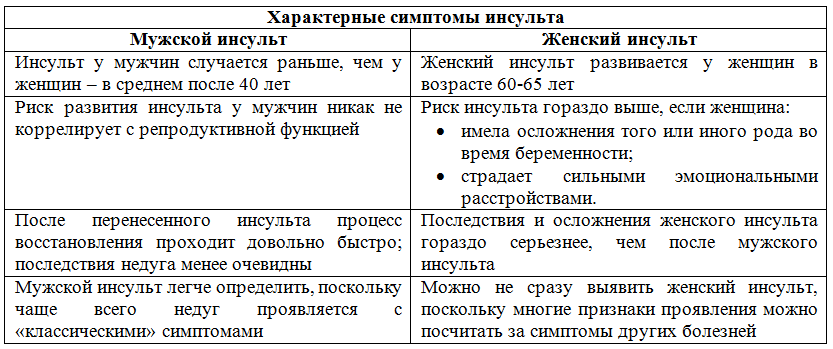
Summing up, the following conclusions can be drawn:
- male stroke is accompanied by pronounced symptoms, so it is much easier to provide timely assistance;
- male stroke "younger" than female;
- recovery processes after a stroke in men are much faster than in women, and with less significant complications.
The first signs and symptoms of stroke in men of different ages
It should be noted that the risk of stroke is growing every year, and medical specialists are sounding the alarm: stroke attacks overtake men at an earlier age than a few years ago.
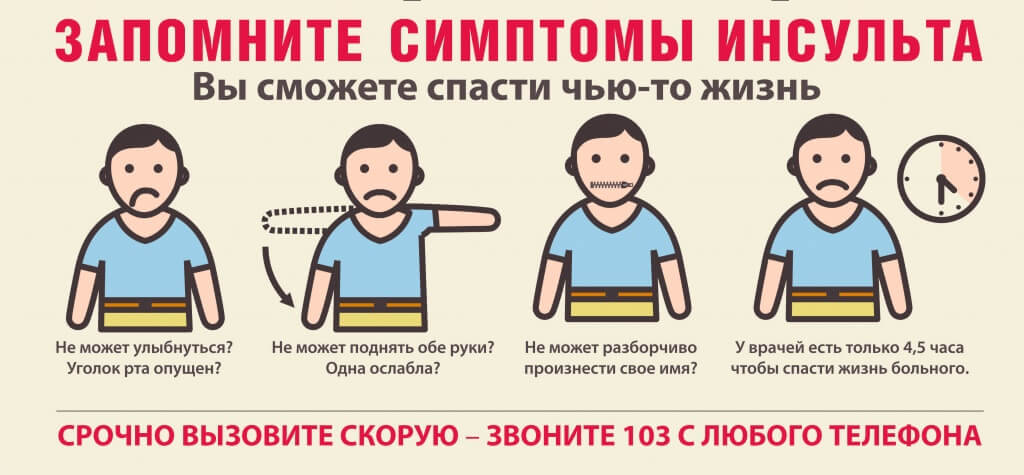
The first signs and symptoms of a stroke in men may be as follows:
-
Up to 30 years old
At this age, a man's stroke is extremely rare. Most likely, if a stroke has occurred, then this is a consequence of hypertension due to a skull injury or cerebral hemorrhage. If the victim is conscious, it is necessary to check for a stroke through an SPD test. -
After 30 years
If a person has congenital cerebral vascular pathologies, then a stroke is possible at the age of 30. Characteristic signs of hemorrhage can be a sharp attack of headache, accompanied by photophobia. The person may lose consciousness, or paralysis may occur. As a rule, at 30 years of age, stroke is difficult to prevent, since the course of many diseases can be asymptomatic. The first signs of a stroke in a man at the age of 30 do not appear outwardly, they can only be felt by the patient himself: this is a feeling of pulsation and noises in the head, periodic headaches. Usually, a man attributes these symptoms to extreme fatigue, which ultimately leads to a stroke. -
50-60 years
Strokes in men are most often observed between the ages of forty and sixty. Age itself is a risk factor for stroke. By the age of 50, a man can greatly exhaust his body with smoking, excess weight and incurable diseases of the heart and blood vessels, which cause a stroke. The risk of developing an ailment due to arterial hypertension is high. Stroke symptoms in an elderly man are detected through an SPD test (see below), or if the man is unconscious, an ambulance must be called.
How to quickly recognize a stroke
If you suspect that you or someone else is having a stroke, check it out with simple manipulations:
- Ask the person to smile: A characteristic sign of a stroke is a “crooked” smile. In a stroke victim, the face is asymmetrical, and the corners of the mouth are raised either unevenly, or only one corner of the mouth rises;
- ask the person something that suggests a few words answer: if a man cannot pronounce even simple words, then most likely it is a stroke;
- ask to raise both hands: if the victim is unable to do this or the arms are raised asymmetrically, this is a stroke;
- Ask to show your tongue: With a stroke, your tongue will bend unnaturally or tilt to the side.
If the victim is conscious, then he may complain of numbness of the limbs or the whole body, as well as dizziness. If a person tries to walk, he staggers: this makes others think that the victim is simply drunk and are in no hurry to help him.
SPD test Is the simple name for a set of actions that serve to recognize a stroke. This name stands for “smile, speak, raise”. The stroke victim is asked to smile, then try to say a few sentences, and finally raise both hands up.
Harbingers of stroke in a man: what should be the pressure and first aid for stroke
 Precursors of stroke in men in men are factors that significantly increase the chances of having a stroke.
Such factors make it possible to single out men in a special risk group.
It is worth noting that increased fatigue at work directly affects a man's health, increasing the chances of a stroke. And this is not only about physical activity: stress or increased mental activity can also contribute to the development of the disease.
It is important
If you begin to notice sudden speech disorders and short-term blackouts in your memory, do not rush to blame everything on severe fatigue. or your age: it is quite possible that there is a slow death of brain cells due to an insufficient amount of received nutrients substances.
The harbingers of a stroke in a man include:
- smoking for several years;
- frequent consumption of alcohol and / or drugs;
- high cholesterol levels;
- cardiovascular diseases;
- the presence of diabetes mellitus;
- hypertension.
In this case, it is best to insure yourself and consult a doctor.
First aid for stroke
If you witness an attack from a stroke (or suspect that it is a stroke), then you need to provide first aid to the victim.
It is important
If you are helping someone with a stroke, remember that you are quite limited in your actions. In the event of a stroke, DO NOT try to take the victim to an ambulance, sit him or lay him on his back, or give him water or medications on his own. Many of your actions that seem salutary to you can only harm.
How to help a man with a stroke?
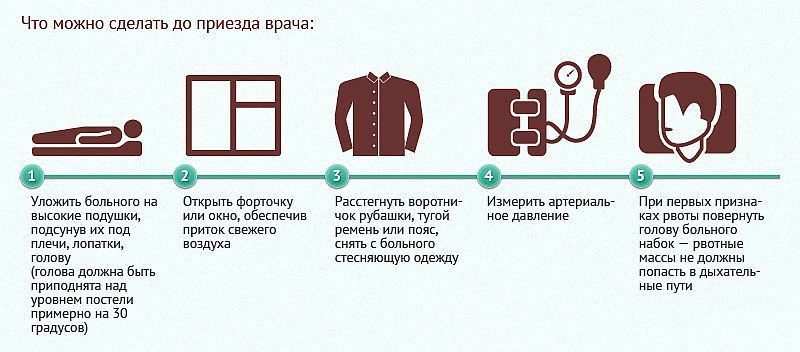
The first aid checklist in such cases is quite simple:
- Lay on one side: regardless of the patient's condition, he must be laid on one side and his head slightly raised. This is important because a stroke can lead to an attack of vomiting, from which, if the posture is incorrect, the victim can drown.
- Let me breathe: unfasten clothes and straps, remove straps and other items that restrict oxygen access.
- Call an ambulance: you need to dial 03 or 112 from the phone and provide the address (if you do not know where you are, ask passers-by for help).
Remember to restrain your urge to provide additional help beyond the points listed above.
Those who have experienced a stroke in their lives can confirm with confidence: it is much easier to prevent a stroke than to try to cure its consequences.
Stroke prevention involves combating factors that increase the risk of this disease. Most important, however, is blood pressure control. A sharp jump in blood pressure in men with a stroke (that is, the development of arterial hypertension) is the cause of cerebral hemorrhage in 80% of cases. In turn, this can lead to a stroke.
If your blood pressure exceeds 140/90 mm Hg. Art., it is worth seriously thinking about your lifestyle and methods of adjusting it.
It is important
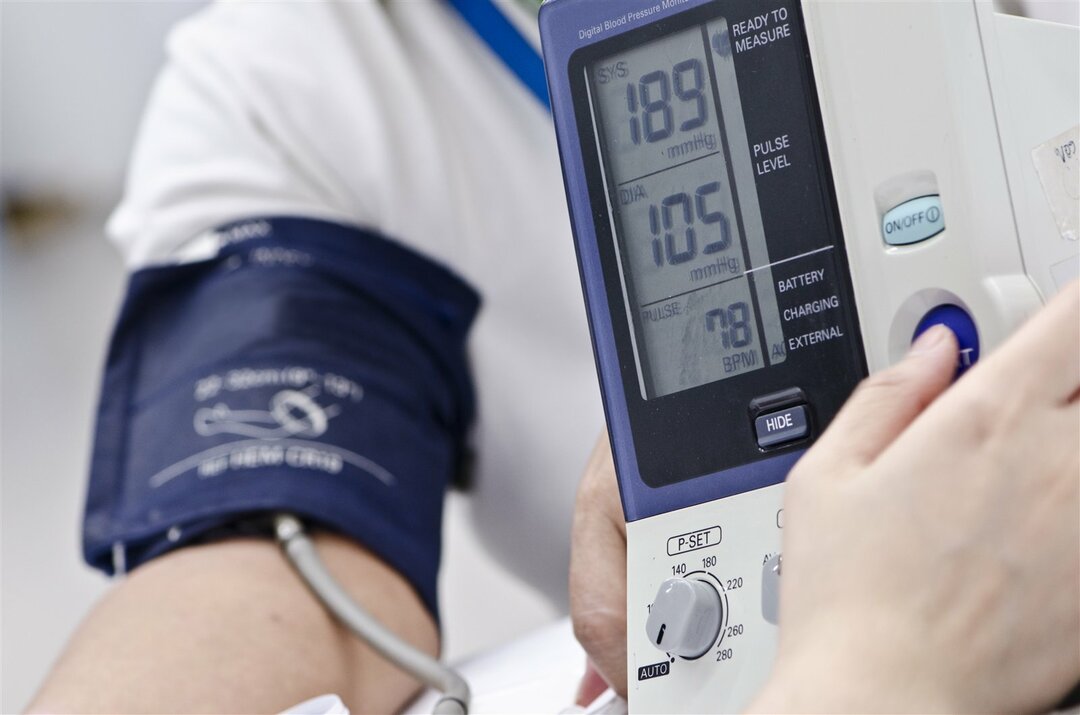
If you are hypertensive, then get a tonometer and check your blood pressure at least once a week by writing down the readings in a special diary. When taking measurements, you must be in a state of calm. You need to use the tonometer at the same time of the day.
Almost 80% of men who experience spikes in blood pressure have problems with being overweight. If you are obese, then you need to change your diet and regularly do gymnastics: this will help reduce cholesterol levels, which plays a significant role in the onset of stroke.
It is important to limit the amount of salt and animal fat in the diet: countries with this practice have seen a marked decrease in deaths from stroke.
Gymnastics should last at least 30 minutes and be carried out at least 5 times a week. Don't be fooled by doing a couple of neck exercises: if you don't have the willpower to control yourself on your own, sign up for a gym trainer. To prevent stroke, you need as much aerobic exercise as possible - physical activity that contributes to the saturation of the body with oxygen.
Partial use of site materials (no more than 30% of the content of the article) is allowed only with a hyperlink on www.med88.ru, full use of the article (more than 30% of the article content) is possible only with written permission edition.