Diseases of the vessels of the brain, upper and lower extremities: symptoms, diagnosis and treatment
Content:
- Cerebral vessels
- Vessels of legs and arms
It's no secret that all diseases, in particular vascular diseases, have become noticeably younger. Today, even a child can suffer from any pathology of the cardiovascular system, although earlier ailments of the heart and blood vessels were diagnosed mainly in people of the older age category. Such diseases are very dangerous. In addition, according to statistics, the highest mortality is noted precisely among people who have been diagnosed with vascular disease.
The causes and symptoms of CVS pathologies can be very diverse. Everything will depend on the specific disease. In any case, if alarming symptoms appear (we will talk about it further), you must immediately seek the help of a phlebologist. It is this specialist who deals with the therapy of vascular diseases.
The human body is equipped with a large number of venous and vascular networks. There is no organ in the human body that does not depend on the lymph and blood circulation. Vessels are a kind of pipeline. The vascular mesh is responsible for the transport of essential products to all organs. The arteries deliver all the necessary substances, in particular oxygen, to all organs. The venous vessels are responsible for collecting carbon dioxide-rich blood and delivering it to the heart and liver. The exception in this case is the pulmonary blood vessels.
People who suffer from such diseases complain of the appearance of a variety of symptoms caused by damage to both the vessels of certain organs, in particular, the brain, kidneys, intestines and muscles.
Pathologies of the vascular system are characterized by:
- dilated veins;
- blanching, redness or cyanosis of the dermis and mucous membranes;
- increase or decrease in temperature;
- the appearance of cracks, erosion and ulcers on the skin;
- pathological pulsation of the arteries;
- asymmetric (local) lymphatic edema of the limbs and trunk;
- violation of the integrity of the vascular walls: the appearance of hematomas, cyanosis, spider veins;
- bleeding;
- malaise;
- chronic fatigue;
- irritability.
Methods for examining peripheral vessels include palpation, auscultation and examination. During the examination, special attention is paid to the pulsation of certain arteries.
In some cases, you can see the artery itself, which runs shallow. This is due to its increased pulsation. On examination, it is also possible to detect focal expansion of small peripheral vessels or telangiectasias - a large number of dark red vascular nodes. In addition, the tortuosity of the arteries is revealed. This is due to the loss of elasticity and elongation (due to pulse tremors).
Examination of blood vessels in vascular diseases is carried out along the entire periphery of the body. There is an expansion of the cervical vessels, vessels of the anterior peritoneum and vessels of the legs (phlebitis, thrombophlebitis, varicose veins).
Vascular disease
- Atherosclerosis of cerebral vessels
- Venous dysgemia
- Cardiopsychoneurosis
- Hypotension
- Hypertensive crisis
- Pulmonary hypertension
- VSD symptoms
Quite often, patients have lymphatic edema of the legs, genitals, hands and face. The appearance of lymphostasis is caused by congenital anomalies, obstruction of the lymphatic pathways due to inflammation, trauma, and surgery.
Localization of edema in lymphostasis - foot or lower leg. The swelling is unstable. The appearance and increase of edema is determined, as a rule, by the season (summer, spring) and stress. Reduction of puffiness occurs in autumn-winter or after a long rest.
In addition, edema can increase due to an inactive lifestyle, professional activity, which is associated with prolonged standing, frequent stressful situations.
Skin with vascular pathologies of normal color. The vascular mesh is poorly expressed. In addition, with vascular ailments, pronounced swelling is noted. The pits do not remain at the moment of pressure. There is a tendency to inflammation, provoking a deterioration in the course of the pathology, and its progression.
Capillary pulse refers to the rhythmic redness and blanching of the nail. A similar pulse is also characterized by a change in the color of the forehead (if you rub it with something). Such a pulse can also be observed on the lips when the glass is pressed on them.
Allocate true and precapillary pulse. The appearance of the true is due to varying degrees of filling of the veins. Such a pulse can be observed in people suffering from such pathologies as thyrotoxicosis, as well as in young people in case of a strong increase in temperature.
As for the precapillary pulse, it appears exclusively in people suffering from aortic valve insufficiency.
Pathological changes in blood vessels are caused, as a rule, by:
- inflammatory and infectious ailments (arteritis, thrombophlebitis);
- congenital pathologies and abnormalities;
- deposition of atherosclerotic plaques;
- blood clots;
- embolism;
- aneurysms;
- autoallergic inflammatory processes (obliterating endarteritis);
- genetic predisposition;
- blood pathologies;
- vitamin deficiency;
- diabetes mellitus;
- atherosclerosis.
The central vessels are responsible for the blood supply to the heart and brain. Often the occurrence of ailments is due to atherosclerotic processes in the cerebral and coronary arteries. The consequences of the formation of cholesterol plaques include arterial stenosis, tissue ischemia, and susceptibility to increased blood clots.
The main ailments of the central vessels include: ischemic heart disease, cerebral ischemia, neurocirculatory dystonia.
Ischemic heart disease. Pathology arises as a response to a lack of blood supply to the vessels, which is responsible for nourishing the heart muscle. The ailment is characterized by the appearance of intense retrosternal painful sensations. Initially, pain occurs only with exertion. In the future, it arises even at rest. Pain sensations can be given to the left hand, throat, jaw, scapula. The attack is eliminated after taking nitro drugs. In addition, with ischemic heart disease, there are complaints of shortness of breath and rapid pulse.
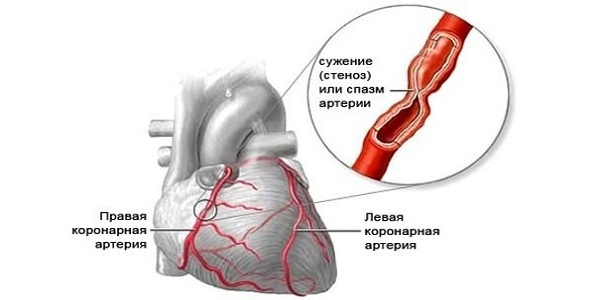
The acute form of ischemia is fraught with the development of a heart attack - a dangerous tissue damage. Pain sensations intensify, become cutting. It is also possible the transition of shortness of breath into dyspnea and pulmonary edema. You can relieve the attack with the help of Nitroglycerin.
As for a widespread heart attack, it is characterized by the appearance of cardiogenic shock, which in turn is fraught with secondary vascular damage. Treatment in this case is aimed at preserving life.
As for ischemia of cerebral vessels, the development of this ailment is caused not only by atherosclerosis, but also by injuries of the spinal column. The development of chronic ischemia is gradual. Often, pathology is found in elderly people. The disease is accompanied by the appearance of:
- dizziness;
- headaches;
- staggering when walking;
- decrease in the quality of hearing and vision;
- insomnia;
- irritability;
- gradual loss of memory.
The acute form of pathology is fraught with ischemic stroke. In addition, there are complaints about the occurrence of the following symptoms: mental disorders, difficulty speaking, paralysis, dizziness, coma.
For the treatment of the disease, the intake of vasodilators and sedatives, vitamins is prescribed.
What about neurocirculatory dystonia, then this ailment is an excellent example of arterial damage due to failures in the functioning of the central nervous system. This disease manifests itself:
- a slight increase in temperature;
- nausea;
- headaches;
- a slight decrease or increase in blood pressure;
- fainting conditions;
- dizziness;
- loss of appetite.
More than 70% of urban residents suffer from this pathology. It is found even in children and adolescents. The development of the disease is often caused by overwork and past infections. Therapy consists of adhering to a diet, taking medications, and maintaining an active and healthy lifestyle.
The most common peripheral vascular diseases include thrombophlebitis, varicose veins, atherosclerosis of the legs, arteritis obliterans of the legs.
Obliteration is due to:
- nonspecific inflammation of the wall;
- genetic predisposition;
- smoking.
Any person can develop pathology, however, representatives of the strong half of society are more susceptible to its occurrence. The emergence of atherosclerosis is more susceptible to elderly people.
The disease is manifested by acute pain in the calves, convulsions, cold extremities, increased pain while walking, trophic changes in the dermis, "intermittent claudication".
Varicose veins
- Signs
As for varicose veins, in this case there are complaints of aching pain in the feet and calves, swelling feet in the evening, increased fatigue of the lower extremities, the appearance of red spiders on the dermis of the lower leg and hips.
With the defeat of deep veins, an increase in symptoms is noted. The pain worries the patient constantly. In addition, there is a blue discoloration of the feet and transillumination of the thickened venous plexuses.
Varicose veins are referred to as female pathologies. The reason for this is: the constant wearing of high heels, pregnancy and the load on the pelvic organs. However, it should be understood that the development of varicose veins in representatives of the strong half of society is also not excluded.
A special form of the disease is hemorrhoids, characterized by constant itching and burning in the anal area, bursting pains, bleeding. For the treatment of varicose veins, the use of gymnastics, ointments, the use of compression underwear and the use of medications are prescribed.
Pathologies of peripheral vessels in the later stages are fraught with gangrene of the toes and the upper divisions.
In order to prevent the occurrence of vascular ailments, it is necessary to maintain the tone of the vascular walls. The first thing to adjust is the diet. The use of vegetables and fruits, dairy products and fish is recommended. Eating fried, fatty, spicy, smoked foods is not encouraged.
Moreover, it is necessary to give up addictions, in particular, smoking. Remember, movement is the key to healthy joints. Find something you like to do. Swim, run, or cycle. Start each new day with exercise. Only in this way can you prevent the development of dangerous pathologies.
Diseases of the cerebral vessels: symptoms and therapy
Diseases of the cerebral vessels are quite common today. According to statistics, more than 80% of the world's population is susceptible to the development of vascular pathologies and diseases associated with blood supply. The leading cause of vascular damage is a modern lifestyle. Many adolescents are familiar with the manifestations of VSD and hypertension.
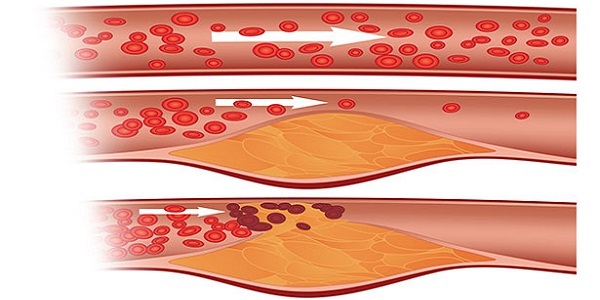
Diseases of the cerebral vessels do not manifest themselves at all for a certain period of time. In addition, few people attach particular importance to headaches or fatigue. However, it is important to understand that even a slight malaise or dizziness may indicate the presence of a cerebrovascular disease.
If such seemingly minor symptoms occur, you need to seek the help of a doctor. Do not use folk remedies or medications in the fight against headaches. This can lead to a worsening of the condition. You can take any medication with the knowledge and prescription of a qualified professional.
What are the manifestations of cerebrovascular diseases
The development of ischemic heart disease or discirculatory encephalopathy, sclerosis of the cerebral vessels is accompanied by:
- frequent migraines;
- light-headedness;
- decrease or increase in blood pressure;
- insomnia;
- violation of coordination of movements;
- malaise;
- numbness of the limbs, loss of sensitivity.
Vascular damage can be triggered by a genetic predisposition, an inactive lifestyle, the presence of addictions, diabetes, pathologies of the spinal column, blood diseases.
Therapy of vascular pathologies of the brain
If you experience alarming symptoms, seek urgent medical attention. Therapy of vascular pathologies should be appropriate and timely. The treatment of ischemic heart disease consists in:
- restoration of physiological and behavioral functions. The use of massage, magnetic therapy, electrophoresis, physiotherapy exercises is prescribed;
- stabilization of blood pressure and prevention of strokes. Prescribed to take anticoagulants and drugs that promote vasodilation;
- normalization of metabolic processes and blood circulation.
For the treatment of discirculatory encephalopathy, antihypoxants, nootropics, and nicotinic acid-based drugs are prescribed.
Diseases of the vessels of the legs and arms: types, as well as causes of diseases of the vessels of the upper and lower extremities
According to statistics, CVS pathology is the most common cause of death. Today, more and more often, diseases of the vessels of the legs are diagnosed even in adolescents.
The most common and dangerous diseases of the vessels of the legs include:
- atherosclerosis;
- phlebeurysm;
- endarteritis;
- obstruction of blood vessels;
- blockage of deep veins;
- thrombosis.
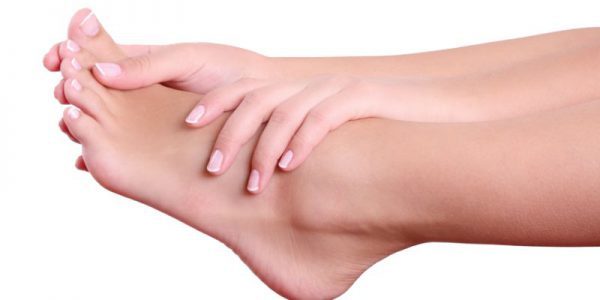
A chronic ailment, the development of which is due to a violation of lipid metabolism and the deposition of cholesterol plaques on the vascular walls, is called atherosclerosis. In the future, there is a narrowing of the vascular lumen. This is the main harbinger of ischemic heart disease.
The second, no less dangerous ailment, characterized by an imperceptible contraction of blood vessels until they are completely blocked, is called endarteritis. This disease of the vessels of the legs can develop in both women and men, regardless of age.
Another equally dangerous disease is varicose veins. The causes and manifestations of pathology were mentioned earlier. Ignoring the manifestations of the disease is fraught with the development of venous insufficiency.
As for the blockage of deep veins, this ailment is accompanied by the formation of blood clots in the legs, rapidly developing edema, local increase in temperature, soreness, arterial abbreviations.
You may also be interested in
- Gymnastics for blood vessels
- Influence of atmospheric pressure on blood pressure
Another dangerous disease of the leg vessels is thrombosis. This ailment is a companion of varicose veins.
Only a qualified specialist can deal with the treatment of pathologies of the vessels of the extremities. Therapy of pathology depends on the stage of the disease and the condition of the patient. In addition to the use of medications, dietary compliance, the wearing of compression bandages, and the use of compresses are prescribed.
Conditions characterized by impaired circulation in the arteries that go from the chest to the upper extremities, due to narrowing or blockage of the vessels of the disease, are very rare.
Often, their appearance and progression are very slow and do not manifest themselves at all in the early stages of the disease. In the future, the appearance of soreness in the hands is possible. Ignoring one or another ailment is fraught with the appearance of ulcers and gangrene.
In addition to atherosclerosis, vascular lesions of the hands can be caused by:
- Burger's disease. It is characterized by the development of an inflammatory process in small vessels. Often occurs in smokers.
- Takayasu's disease. Asians are more susceptible to the development of this autoimmune disease.
- Raynaud's disease. A condition characterized by increased sensitivity of the fingers to the effects of cold.
- Collagenoses.
- Embolism - blockage of an artery due to the penetration of a blood clot into it.
- Frostbite.
- Breast cancer.
Vascular pathologies of the hands are characterized by: soreness, cramps, fatigue in the hands, paleness and coldness of the dermis of the hands. A common manifestation of ailments is numbness in the fingers.
All vascular pathologies are very dangerous. They can lead to disastrous consequences if they are not treated in time. Therefore, do not hesitate when the above symptoms appear. The earlier the therapy of the disease begins, the sooner the recovery will come and the better the prognosis will be.
Partial use of site materials (no more than 30% of the content of the article) is allowed only with a hyperlink on www.med88.ru, full use of the article (more than 30% of the article content) is possible only with written permission edition.