Hay fever: what is it, symptoms and treatment, photo
Pollinosis (seasonal allergic rhinoconjunctivitis) - are a group of diseases represented by allergic reactions resulting from a high concentration of pollen in the ambient air.
Although this group of diseases has nothing to do with hay, it is also called in another way “hay fever».
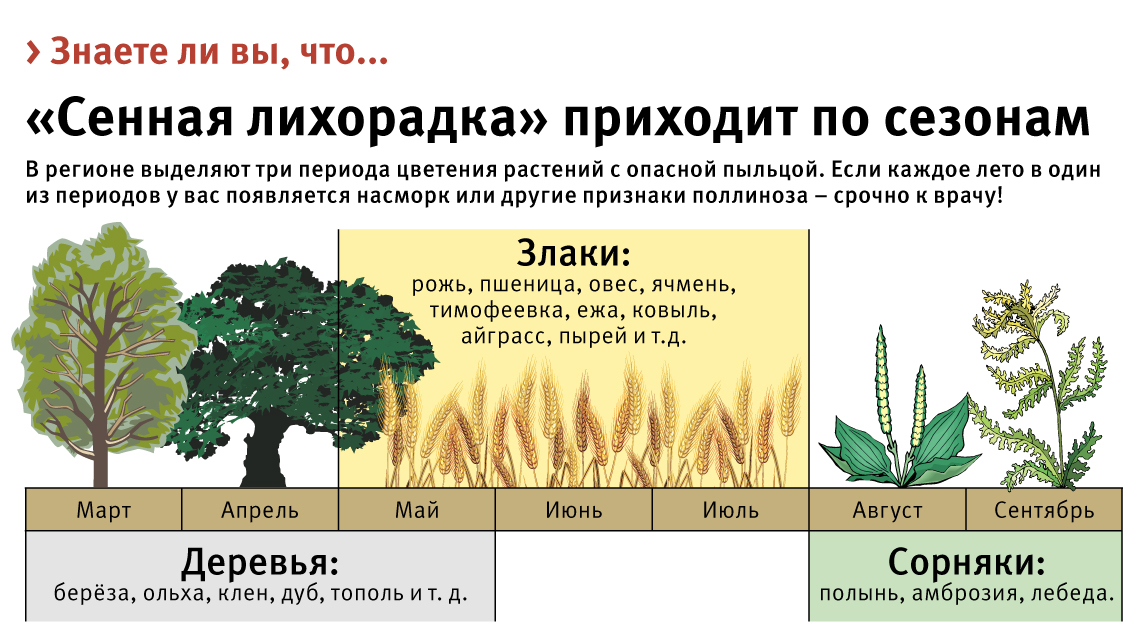
Allergic reactions to pollen can be observed from late spring to early autumn - the time of flowering of various plants.
In ICD-10, hay fever is included in section J30.1 - allergic rhinitiscaused by plant pollen.
Content
- Causes and provoking factors
- The clinical picture of the disease
- Hay fever stages
- Pollen Allergy Diagnostic Search
- Pollinosis treatment
- Pharmacological effects
- Operative treatment
- Alternative methods of exposure
- Hay fever diet
- Preventive actions
- Forecast
- Related Videos
Causes and provoking factors
The role of the etiological factor that causes an allergic reaction is the pollen of flowering plants - it can be both flowers and herbs, shrubs and trees.
The main reason for development is an increased sensitivity (sensitization) of the body to an irritating agent.
The pathogenesis of hay fever is based on repeated contact of a sensitized organism with an allergen.
Upon initial contact, allergen-specific Ig E antibodies are produced that bind to receptors basophils and mast cells, and already with the re-introduction of the allergen into the body, they bind with antibodies fixed on the cells and trigger an allergic reaction.
An important role is also assigned to provoking factors, which in themselves do not cause disease, but if there is a reason, they increase the risk of its occurrence and the rate of development of a response.
These include:
- dry windy weather - there is a significant increase in pollen in the air;
- female;
- urban residence;
- burdened hereditary history: if at least one of the parents has a tendency to allergies, then the risk the development of an allergic disease in a child increases by 25%, if both parents are allergic, respectively by 50%;
- bad habits;
- frequent infectious diseases (mainly of viral origin) in young children, especially those that affect the mucous membrane of the respiratory tract;
- birth injury;
- professional harm;
- living in a specific geographic zone.
The clinical picture of the disease
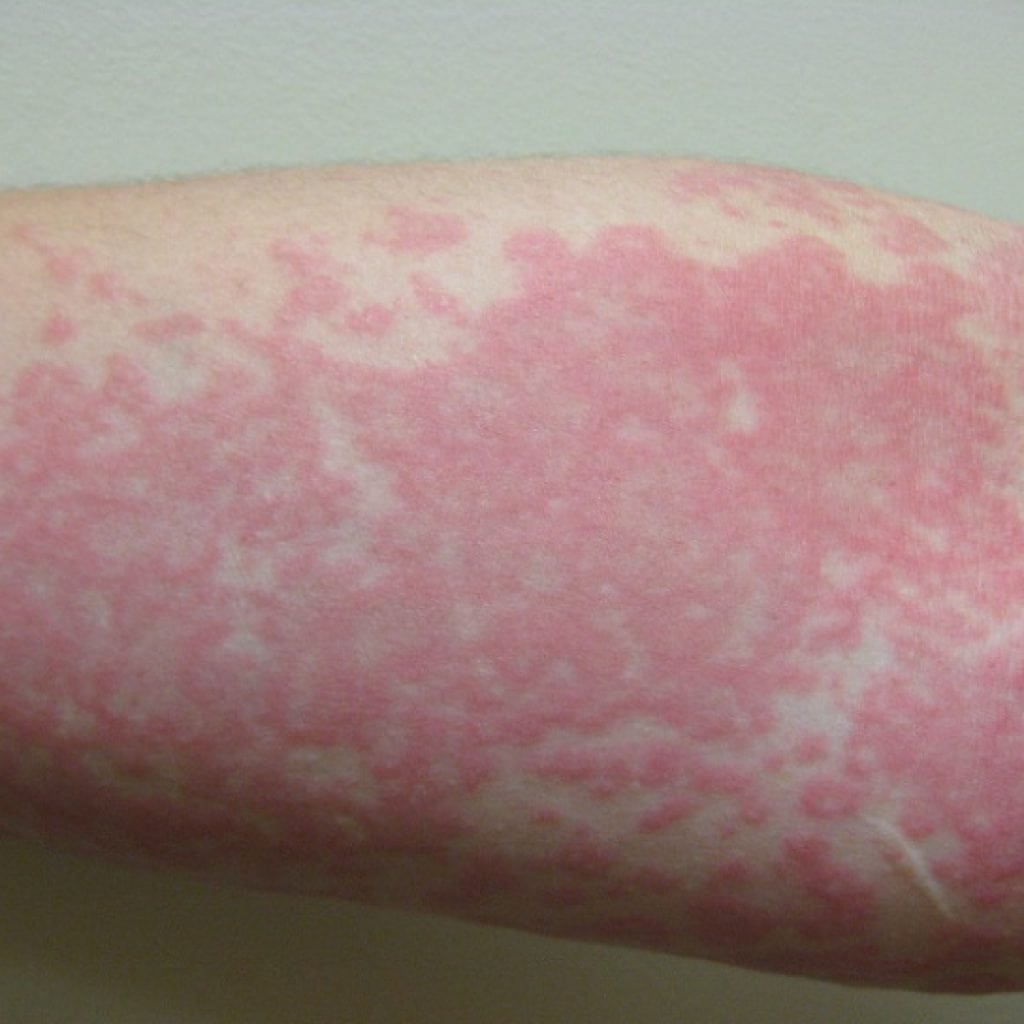
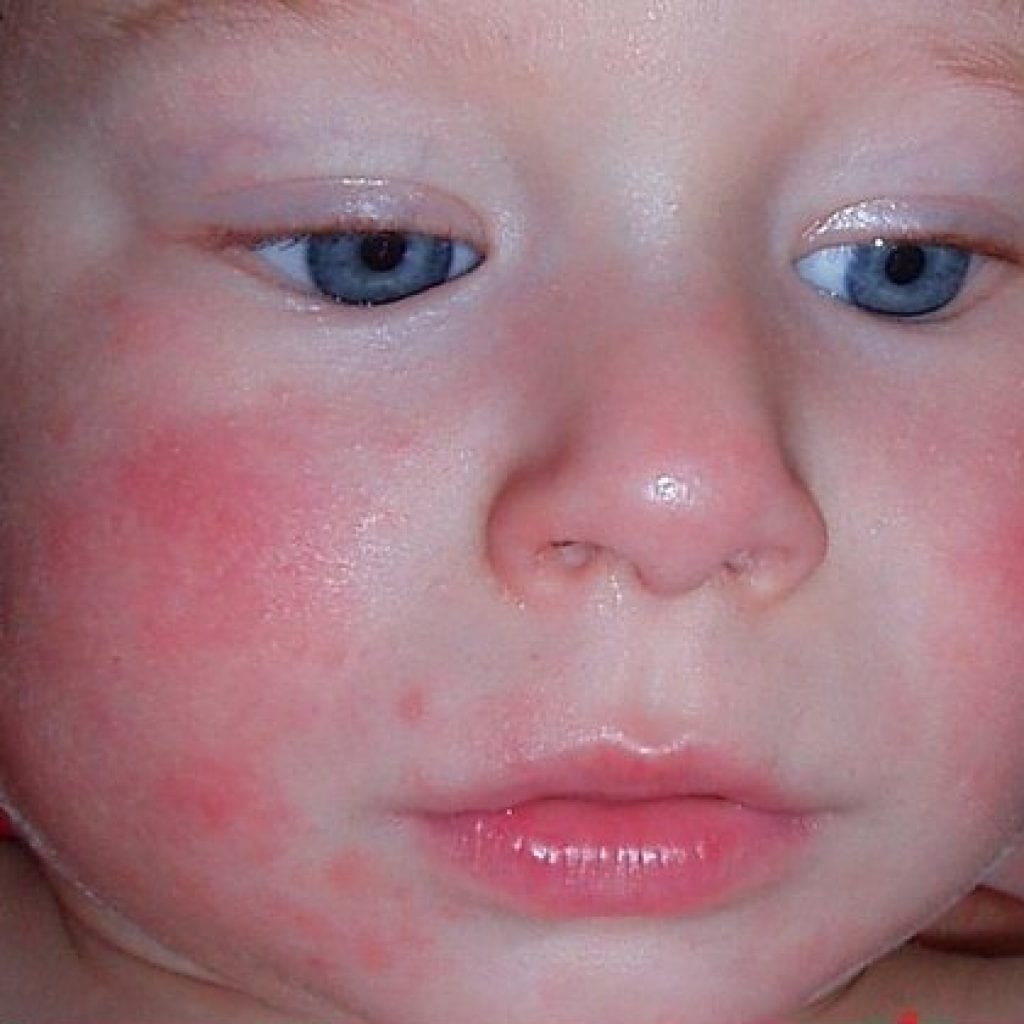
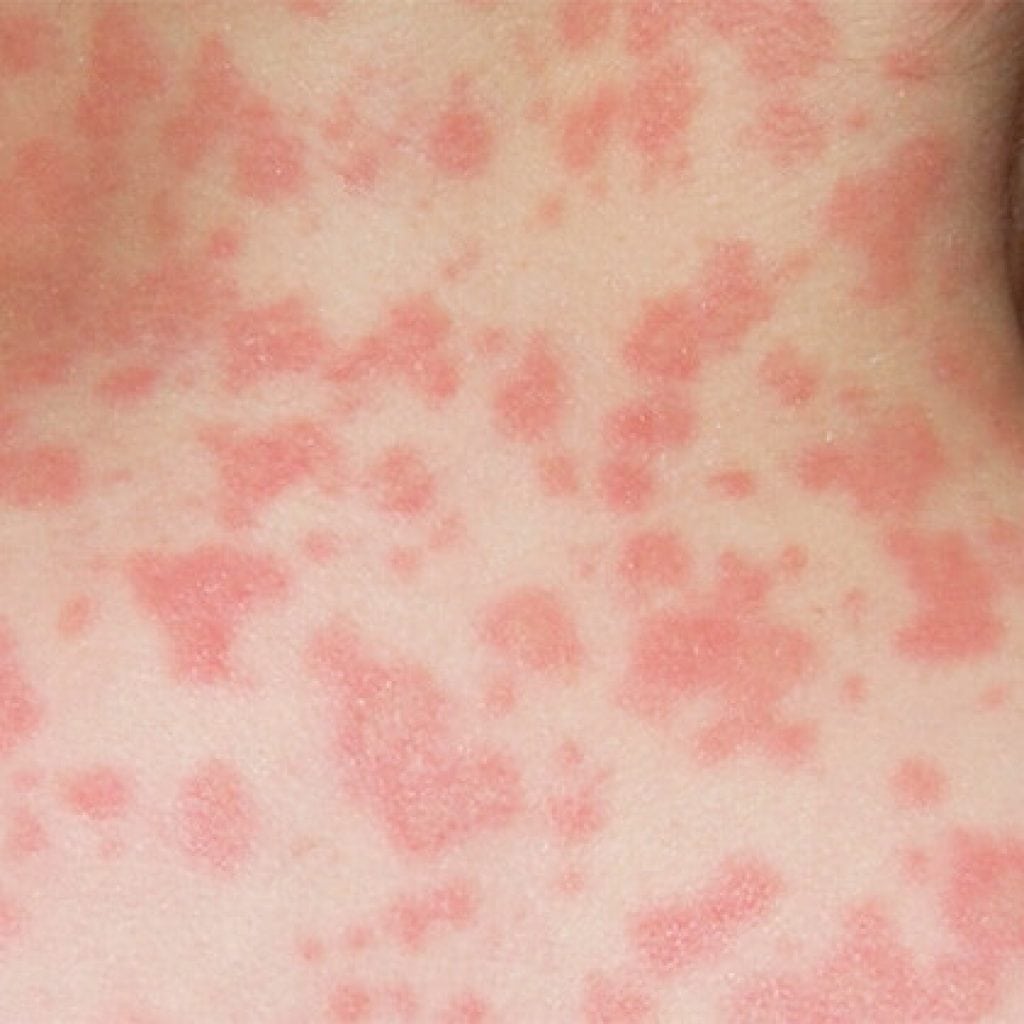
Pollinosis in children is a fairly common occurrence, because for the first time this allergic reaction manifests itself in children and young people. Due to the lability of the nervous system in children, in addition to the main symptoms, such manifestations of the disease as:
- increased irritability and moodiness;
- violation of sleep and wakefulness.
But hay fever in pregnant women may occur for the first time while carrying a baby. This is due to hormonal changes in the body.
The most susceptible to the development of this disease are women whose first trimester of pregnancy occurs in the summer, when the flowering of plants is in full swing. After childbirth, this type of allergic reaction may disappear for good.
Read also:Allergic rhinitis: causes, symptoms and treatment in adults
Due to the fact that small, sometimes invisible to the eye, plant pollen settles on the skin and mucous membranes of the nose, the symptoms can be divided into 2 large groups:
I. Respiratory and ocular manifestations:
- rhinitis, which is characterized by severe edema of the mucous membrane of the nasal cavity and, as a result, a severe runny nose in combination with nasal congestion;
- anaphylactic shock;
- violation of the sense of smell;
- cough;
- asthma attacks;
- sneezing;
- conjunctivitis, accompanied by itching of the eyelids, lacrimation, eye discomfort (feeling of sand in the eyes), redness of the conjunctiva and eyelids. Eye damage is always bilateral;
- photophobia.
II. Cutaneous manifestations:
- itching of the skin;
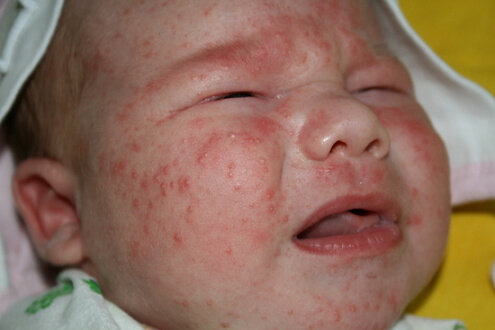
- rashes by type hives (cm. photo above);
- eczema (weeping lichen);
- swelling of soft tissues and subcutaneous fatty tissue (Quincke's edema).
A severe course of the disease can provoke the appearance and exacerbation bronchial asthmawith an allergic component.
In this case, patients note not only frequent attacks of suffocation and a hysterical cough, but the appearance shortness of breath not only with physical activity, but also at rest, as well as tachycardia, which brings significant the discomfort.
Hay fever stages
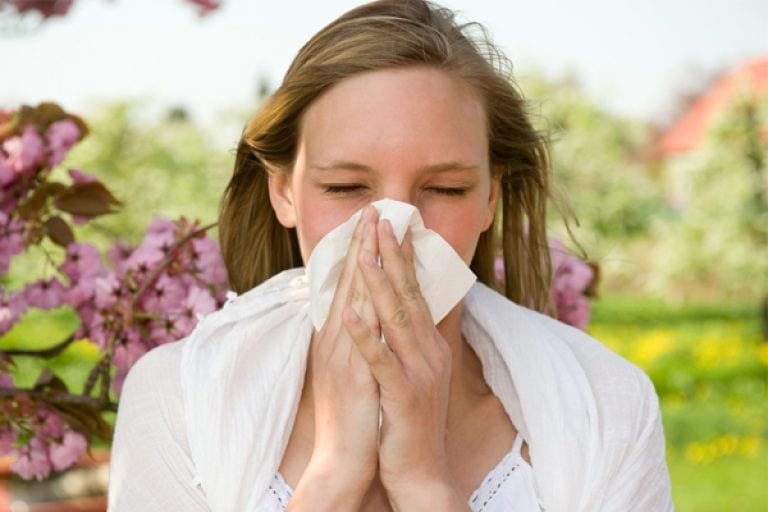
The clinical picture of the development of such a phenomenon as hay fever can be conditionally divided at stage 2:
- Stage I - the symptoms of this stage are mild and, as a rule, passing. It is characterized by: itching in the nasopharynx, sore throat, itching sensations in the projection of the trachea, conjunctivitis with photophobia, rhinitis with abundant mucous secretion, congestion of the ears.
-
Stage II - begins 8 hours after the first and is associated with the progression of the inflammatory process, as well as the immune response. The discharge from the nose and eyes acquires a purulent character, attacks of suffocation are characteristic, often develops Quincke's edema, the rash on the body becomes profuse, often draining. A contact or atopic dermatitis. An increase in body temperature is possible. Pollinosis in adults and children at this stage can provoke the development of complications from other organs and systems. So, there are often cases of complications from the side:
- nervous system - migraine, irritability and nervousness, insomnia, fatigue, tearfulness, sweating;
- digestive system - dyspepsia, abdominal pain, nausea and vomiting, decreased appetite;
- urinary system - cystitis, nephritis, inflammation and the appearance of edema of the external genital organs.
Pollen Allergy Diagnostic Search
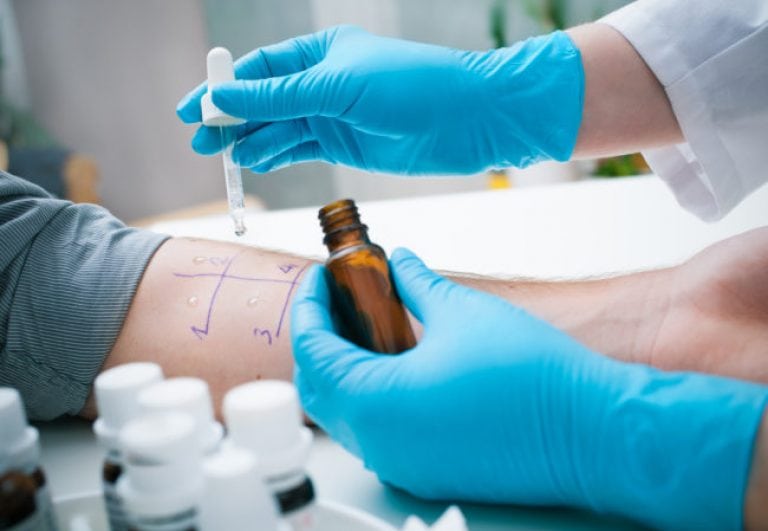
Pollinosis in children and adults is diagnosed on the basis of not only the collected anamnesis and the clinical picture of the disease.
It must be confirmed by a number of special examination methods, allergy tests and, of course, consultation of narrow specialists.
When collecting anamnesis, special attention is paid to such factors as: seasonality (when the disease debuted and in what season, there are exacerbations), genetic predisposition, the presence of contact or any other type of allergy previously.
Read also:Mosquito bite allergy (kulicidosis)
Among the basic diagnostic methods pollen allergies plants can be distinguished:
- rhinoscopy - this method allows you to assess the condition of the mucous membrane of the nasal passages, the anterior fundus of the nose, the inferior and middle concha (anterior end), and the nasal septum. All this can be viewed with anterior rhinoscopy. At allergic rhinitis there is a strong swelling of the mucous membrane, as well as a significant narrowing of the nasal passages.
For pollinosis, a characteristic symptom in rhinoscopy is the lack of response to irrigation of the mucous membrane with vasoconstrictor drugs;
- provocative tests - carried out under the close supervision of doctors in a hospital setting. It is extremely rare for young children;
- skin allergy tests - they are not carried out to children under 3 years old, as well as directly during an exacerbation of the disease;
- determination of Ig E in blood serum (immunoglobulin, which is an indicator of allergy);
- immunoblotting - such a study allows you to detect the presence of antibodies to the allergen;
- analysis of sputum discharge from the nose, conjunctiva - allows you to detect a large number of eosinophils.
Consultation of narrow specialists will be important: otorhinolaryngologist, pulmonologist, dermatologist, ophthalmologist, immunologist.
Pollinosis treatment
Treatment of hay fever should be comprehensive and include not only medication. First of all, it is necessary to limit contact with the allergen and then resort to the help of medication.
Pharmacological effects
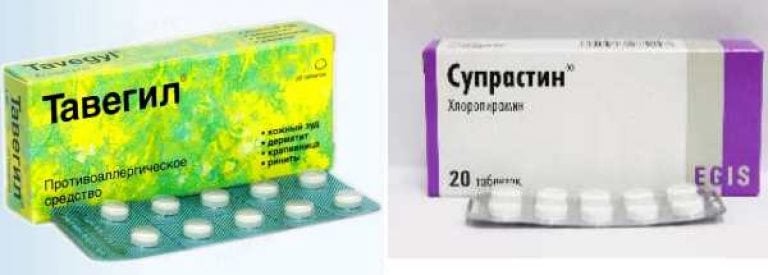
The basis of the pharmaceutical effect on diseases is the use of such groups of drugs as:
- antihistamines:
- systemic action - Fenkarol, Tavegil, Suprastin, Fexofenadine, Astemizole, Loratadin;
- local action for skin rashes - C-derm, Hyoxyson, Fenistil - ointments, Azelastin, Levokabastin - sprays, Allergodil, Vibrocil - drops;
- glucocorticosteroids:
- inhalation (with complicated forms and a combination of allergies with bronchial asthma) - Beclomethasone, Mometasone, Cyclesonide, Budesonide - in the form of inhalations;
- local - Mometasone, Fluticasone, Beclomethasone - in the form of nasal sprays;
- local adrenomimetics and other vasoconstrictor drugs - indicated for severe nasal swelling:
- Xylometazoline;
- Naphazoline.
Local treatment is applicable only for mild disease. At moderate and severe degrees of the course, a combination of topical and systemic pharmaceuticals is shown.
Pollinosis in pregnant women should be treated under the close supervision of not only an allergist and therapist, but also a gynecologist.
Operative treatment
In the event that hay fever is extremely difficult, it does not lend itself to conservative therapy for a long time and is combined with significant narrowing of the nasal passages, then doctors may question the advisability of an operation to partially remove the nasal shells.
Alternative methods of exposure
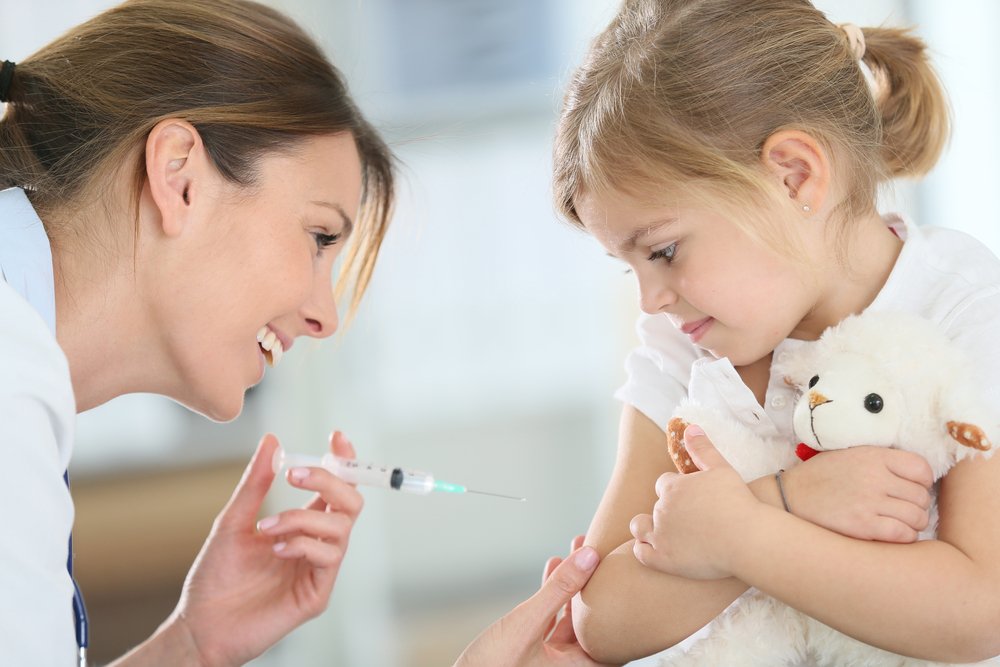
Allergen-specific immunotherapy is one of the alternative, but very effective methods of treating pollinosis and preventing frequent relapses.
It refers to pathogenetic methods of treatment, that is, it does not just eliminate the symptoms of the disease, but acts directly on the cause and mechanism of development. This is a technique according to which the body must receive allergens in a gradually increasing dosage.
Read also:Eosinophilic esophagitis
The essence of the method lies in the fact that the body of a sick person gradually gets used to the allergen, and its sensitivity is greatly reduced.
The provoking agent is administered subcutaneously or intradermally, much less often intramuscularly or intranasally. The course of treatment is about 5 months.
Hay fever diet
Diet for hay fever is based on the exclusion from the diet of those foodstuffs that most often can provoke the development of cross-allergy. These include: bee products, nuts, chicken eggs, some cereals (semolina, oatmeal, wheat, pearl barley).
It is recommended to completely eliminate products containing dyes. Despite the beneficial properties of berries and fruits, some of them worth giving up: pears, apples, cherries, cherries, plums, quince, peaches and apricots, raspberries, strawberries, citrus fruits.
Preventive actions
People who are allergic to pollen should adhere to all rules to minimize the risk of flare-ups.
The first preventive measure is to restrict being outdoors in dry windy weather during the flowering period of the allergic provocateur. At home, it is better not to open windows for a long time and use special air purifiers and the ionization function.
It is best to actively ventilate the living space in rainy weather, not accompanied by strong winds.
Regular wet cleaning and the absence of wildflowers and garden flowers in the house also significantly reduces the risk of an allergic reaction.
Since it is impossible to completely limit contact with the street, people suffering from pollen allergy, it is recommended to take a shower after coming from the street and rinse your throat regularly during the day, as well as rinse your nose and eyes in order to remove even a minimal accumulation of the allergen.
Forecast
Pollinosis refers to diseases that can be controlled. And although getting rid of it completely is very problematic, you can minimize its recurrence. To do this, it is enough to observe banal preventive measures, and in case of the appearance of symptoms, it is necessary to start treatment as soon as possible.
If the disease is not affected, it can acquire a chronic form or transform into a more complex nosological unit. Often banal pollinosis, which were left without therapeutic intervention, grew into bronchial asthma.
So, hay fever in a child, which can be affected in the early stages of development, without proper treatment in further causes a lot of trouble and leads to the development of more serious diseases of the respiratory tract.