Medicines for food poisoning, vomiting, diarrhea, what to take for adults, medicines, drugs, pills, drugs, quickly remove intoxication, how to drink
Food poisoning is a problem that no one is immune from. Unfortunately, you can earn it even by eating your usual food. The disease can put even a healthy person out of action for at least a day, since it is simply impossible to do everyday activities or work in the presence of poisoning. It requires urgent and highly targeted therapy. Fortunately, now in pharmacies in a large assortment there are medicines for food poisoning, and it will not be difficult to defeat the disease.
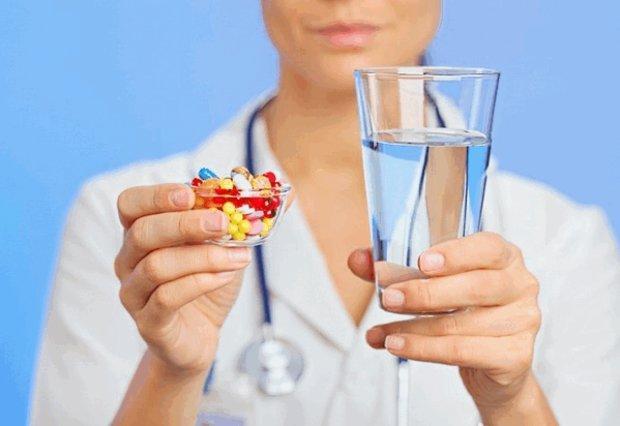
Medicines for food poisoning
Content
- 1 Causes and symptoms
- 2 General principles of treatment
- 3 Do I need to see a doctor?
- 4 First aid and treatment
-
5 Sorbent preparations
- 5.1 Video: Cleansing the body. Sorbents
- 6 Anti-dehydration drugs
- 7 Antispasmodics
-
8 Anti-vomiting and diarrhea medications
- 8.1 Video: Poisoning and diarrhea. What medicines will help quickly
- 9 Preparations against pathogenic microflora
- 10 Enzymes and drugs that normalize the intestinal microflora
-
11 Instructions for the treatment of food poisoning
- 11.1 Video - Food poisoning or infection? How to tell?
Causes and symptoms
Food poisoning is an acute dysfunction of the digestive system, accompanied by pronounced symptoms. Poisoning can be caused by the use of low-quality or spoiled food, drinks, products containing poisonous or toxic substances.. Most often, the gastrointestinal tract reacts sharply to the use of expired products or dishes that contain causative agents of intestinal infectious diseases.

A common cause of food poisoning is expired foods
Table. Types of food poisoning.
| Type of | Description |
|---|---|
 PTI or food toxicoinfection |
Poisoning develops against the background of the use of products contaminated with harmful microorganisms. Also, this type of pathology can manifest itself in a person who does not follow the rules of personal hygiene. |
 Non-infectious toxic poisoning |
Such poisoning develops due to the fact that any toxins, both chemical and natural, have entered the digestive tract. An example of non-infectious poisoning is the deterioration of the condition due to the use of poisonous mushrooms, berries, plants, and the ingestion of various chemicals into the gastrointestinal tract. As a result, a particularly dangerous condition arises, requiring immediate medical attention. |
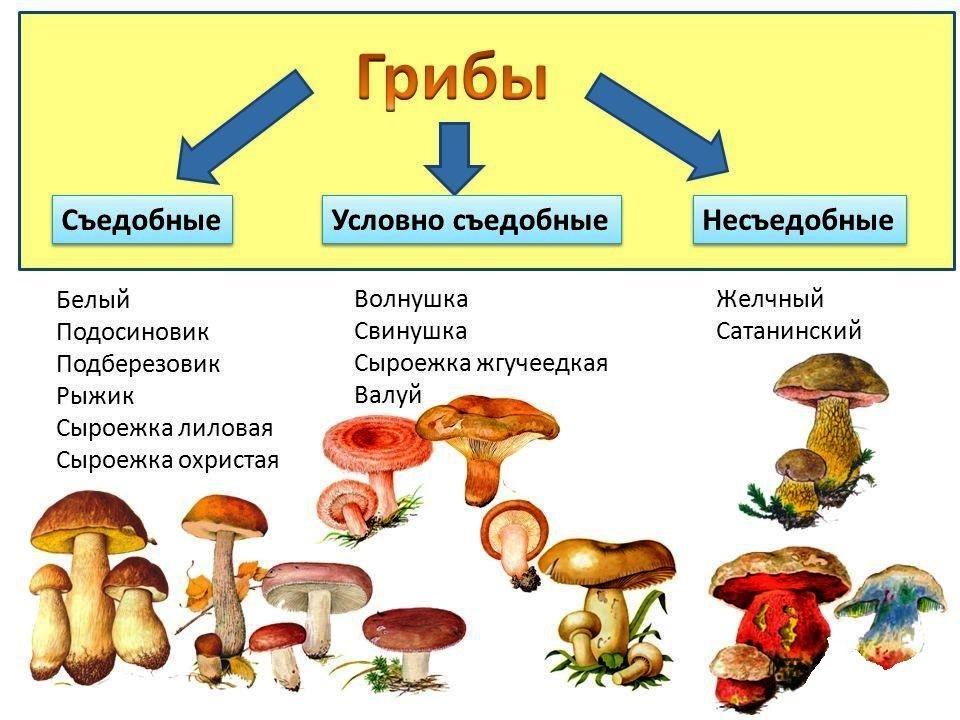
Types of mushrooms
A poisoned person may experience the following symptoms.
- Nausea, which then develops into vomiting and vomiting. Moreover, after cleansing the stomach, a person experiences serious relief. Vomit contains a lot of undigested food. Gradually, they are replaced by gastric juice and bile.
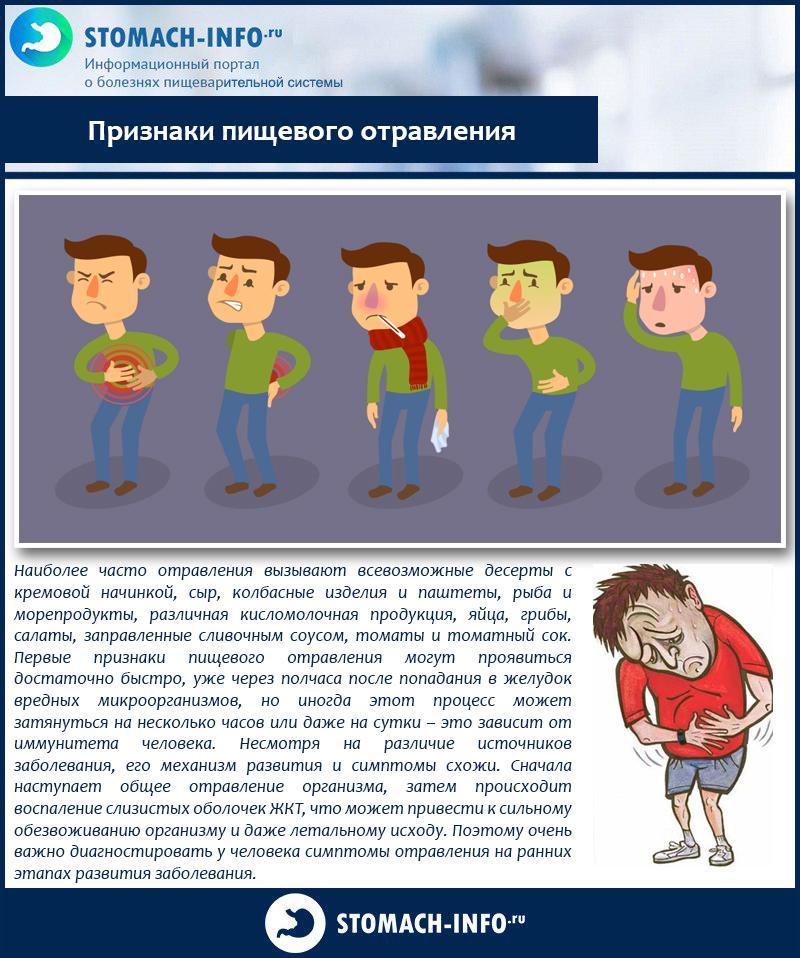
Signs of food poisoning
- Loose stools with frequent (up to 20 times) frequency. The feces are unformed, can be watery or foamy, in the presence of salmonella in the gastrointestinal tract, it has a greenish color. The danger of diarrhea is dehydration.
- Increased body temperature. Intestinal infections can cause it to rise to 39 degrees.
- Headaches, pallor of the skin, dizziness, tachycardia, weakness, abdominal pain, both acute and aching. The presence of flatulence is possible.

Abdominal pain
On a note! The first symptoms of poisoning develop within the first 6 hours after consuming the product that provokes the disease. Moreover, the stronger the toxicity of the substances, the faster the signs of pathology develop. Also, the rate of onset of symptoms largely depends on the amount eaten, the age and health of the person.
If poisoning is provoked by poisonous fungi entering the gastrointestinal tract, then the patient's nervous system may be affected. A person easily falls into a coma, experiences hallucinations, and epileptic seizures may occur.
Eating some poisonous mushrooms can cause hallucinations
General principles of treatment
As a rule, most of the poisoning can be cured at home - in every home there is a first aid kit, in which usually there are remedies that relieve the condition, eliminate symptoms, help cope with the causes poisoning. Light food poisoning is not life threatening. By the way, even if you do not take any medications, such poisonings go away on their own in a couple of days.

How to treat food poisoning
The main principles of treatment:
- elimination of the cause of the poisoning (for example, exclusion of spoiled products from the menu);
- elimination of toxic substances from the body (gastric lavage, use of sorbents);
- taking preventive measures to prevent dehydration;
- restoration of intestinal microflora and the activity of the organs of the intestinal tract;
- food on a special diet.
If a person is faced with an intestinal infection, then he will have to undergo more serious and long-term treatment. First of all, it will be necessary to eliminate the causative agents of the disease with the help of antibiotics. As a rule, intestinal infections are treated in a hospital under the supervision of a doctor.
Intestinal infection requires longer treatment.
Do I need to see a doctor?
You need to see a doctor only in a few cases:
- poisoning in a child under three years old;
- signs of intoxication in a pregnant woman;
- symptoms of intestinal infections;
- poisoning with mushrooms or highly toxic chemicals;
- extremely difficult and unstable condition;
- symptoms do not disappear or do not change their intensity within 2 days.

In some cases, urgent medical attention is required
On a note! Sometimes symptoms characteristic of poisoning can also appear with other pathologies. In this case, only a doctor can make an accurate diagnosis.
To establish the cause of the patient's poor health and prescribe the most effective drugs, the doctor will direct the patient to be tested and undergo a series of examinations. These can be blood tests (biochemistry and general), urinalysis, fecal culture, ultrasound of the abdominal organs.

Abdominal ultrasound
First aid and treatment
As a rule, most poisonings go away on their own and without any special therapy. Doctors may recommend drinking plenty of water and following a specific diet. However, in order for the symptoms to go away as quickly as possible and the patient's condition to stabilize, it is recommended to use medications of various types. They can have the following actions:
- prevent dehydration;
- regulate water-salt balance;
- restore microflora;
- eliminate the action of toxic substances and remove them from the body.

What pills to take for food poisoning
The choice of anti-poisoning agent will depend on the symptoms present and their intensity.
Sorbent preparations
This category of funds is called enterosorbents and is used for sorption therapy. Such drugs help to remove toxic substances from the digestive tract and the body as a whole. They are the main ones in the treatment of various types of intoxication.

Activated carbon
These drugs are capable of absorbing and retaining, and then removing various toxic substances from the gastrointestinal tract. These abilities are due to the special structure of funds. New drugs have a so-called selective effect, that is, they absorb substances that are dangerous to the body, without absorbing useful ones, including vitamins and minerals.
The drugs are available in the form of tablets, powders, gels. It is best to take sorbents at the first sign of poisoning, but during severe vomiting, they may be useless. Also, they need to be used in between taking other drugs (at least 2 hours) at least 3 times during the day. These products include activated carbon, Smecta, Polysorb, Enterosgel and others.
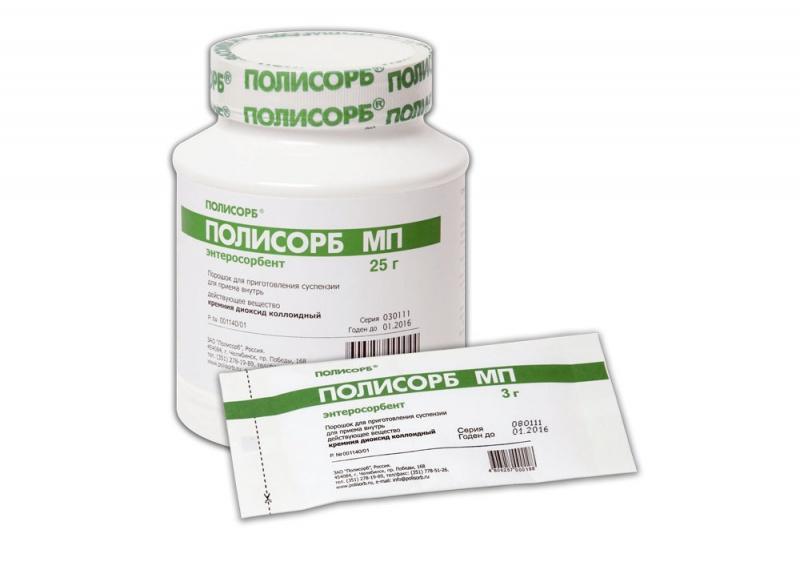
Polysorb
Video: Cleansing the body. Sorbents
Anti-dehydration drugs
Rehydration agents are used for the purpose of rehydration therapy, that is, replenishment of fluid losses in the body and restoration of salt balance. The second most important after sorbents, since due to profuse vomiting and diarrhea, patients lose a large amount of fluid - dehydration of the body may occur.

Regidron
The simplest means to restore the water-salt balance are ordinary mineral water or boiled water. There are also special drugs that everyone should have in their medicine cabinet. These are Regidron, Oralit, Letrozole, which are diluted with boiled water to a solution state. Take them for 1 tsp. l. every 2-3 minutes. You cannot drink in large quantities, as vomiting can be provoked.
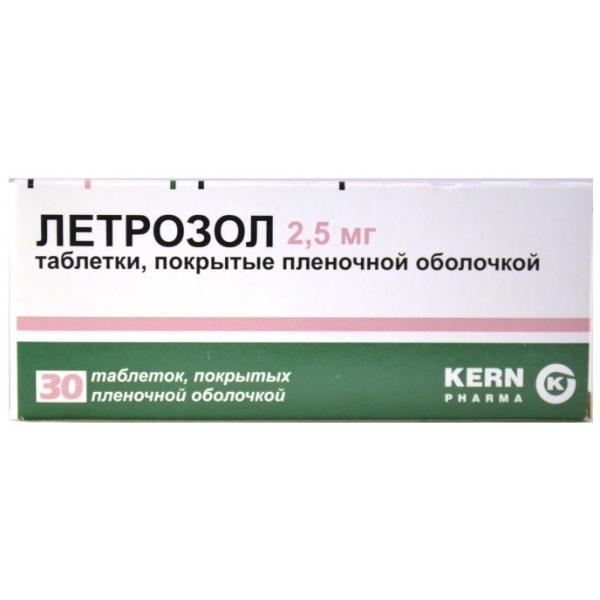
Letrozole
Antispasmodics
Often, poisoning is accompanied by rather severe pains that appear due to spasms of the muscles of the stomach and intestines. Antispasmodic drugs will help eliminate this symptom. As a rule, in the absence of vomiting, it is recommended to take pills, and if vomiting is frequent, then the drugs will be administered using injections.
Antispasmodics include No-Shpa, Drotaverin, Spazmalgon. But it is not recommended to take them without permission - it is better to consult a doctor.

No-Shpa
Attention! Drugs such as Diclofenac, Nimesil, Analgin cannot be used during poisoning! They greatly irritate the stomach and can lead to a deterioration in the patient's well-being.

Nimesil
Anti-vomiting and diarrhea medications
Vomiting and diarrhea are caused by the body's attempts to cleanse itself of toxic substances. As a rule, doctors do not recommend stopping these processes. However, if vomiting and diarrhea becomes painful and does not stop, then it is recommended to use remedies that eliminate these symptoms. Against vomiting, drugs such as Cerucal, Metoclopramide, Motilium are used. And with diarrhea, Trimebutin, Loperamide will be effective.
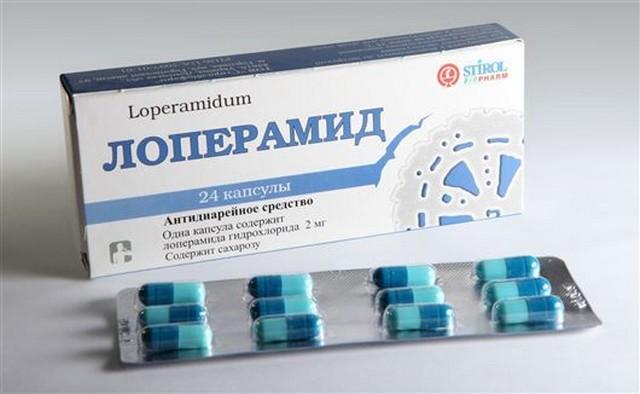
Loperamide
Video: Poisoning and diarrhea. What medicines will help quickly
Preparations against pathogenic microflora
These drugs are rarely prescribed for food poisoning, as they can provoke dysbiosis. These are antibiotics used for intestinal infections. The group of drugs includes Ceftriaxone, Ofloxacin, Ciprofloxacin and others.
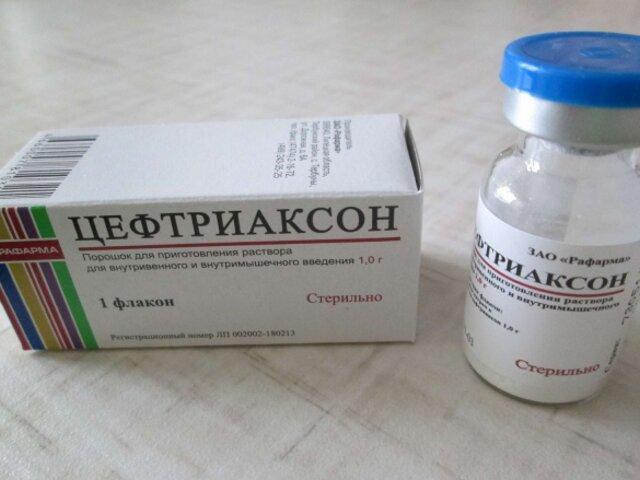
Ceftriaxone
Enzymes and drugs that normalize the intestinal microflora
This group of drugs is auxiliary, drugs are used in addition to the main therapy. Enzymes will help food to digest better, and the stomach will not refuse such help during the recovery period. You need to take them when vomiting stops. These are Mezim, Creon, Pancreatin, Festal, etc.
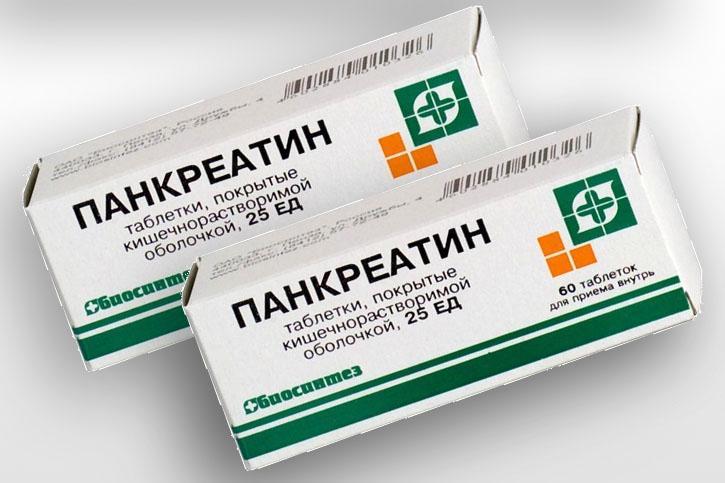
Pancreatin
After poisoning and its treatment, the intestinal microflora is seriously disturbed. Therefore, patients are recommended during the recovery period to take drugs that restore the balance of beneficial microorganisms. These tools include Linex, Bionorm, Baktisubtil.

Linex
Instructions for the treatment of food poisoning
Step 1. It is important to remove toxic substances from the body. It is best to flush the stomach with a weak solution of potassium permanganate or soda. The patient needs to drink the prepared liquid, and then induce vomiting using a well-known method - pressing on the root of the tongue with two fingers. Washing is carried out until the vomit is completely clean.
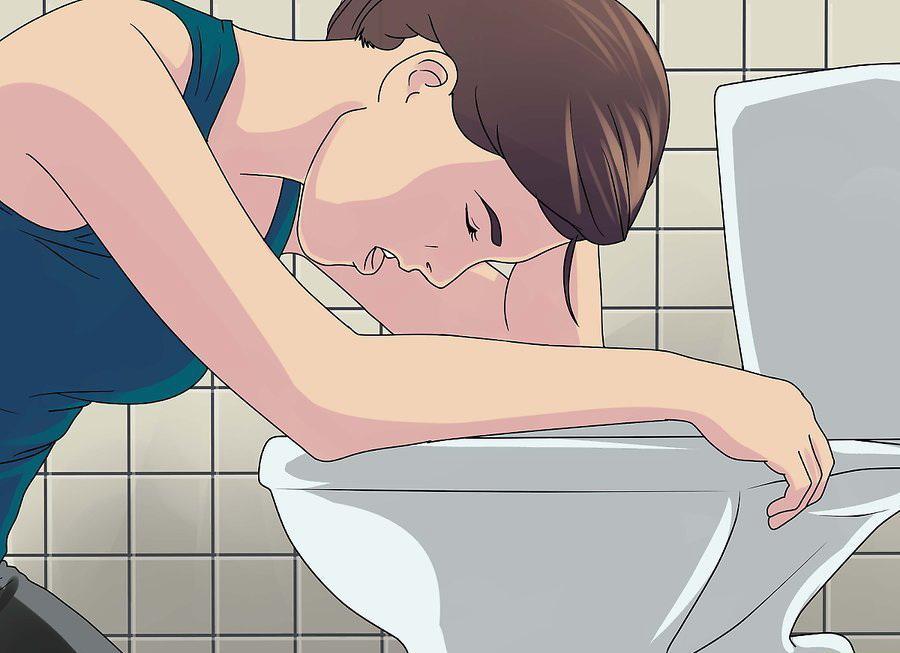
Induce vomiting
Step 2. Then you should take sorbent preparations that will help remove the toxins that have been absorbed. They are best taken as an aqueous suspension.
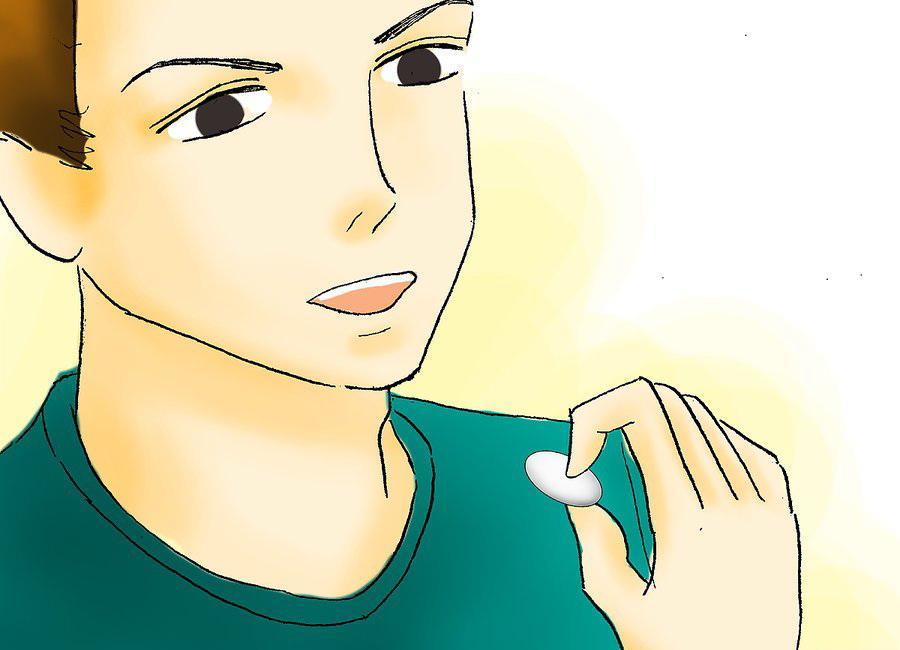
Take sorbent
Step 3. If possible, you need to provide the patient with plenty of drink (up to 3 liters during the day). This measure is necessary to replenish water consumption in the body. You should also take care of restoring the balance of salts and use rehydrants to normalize it, taking them in accordance with the instructions.
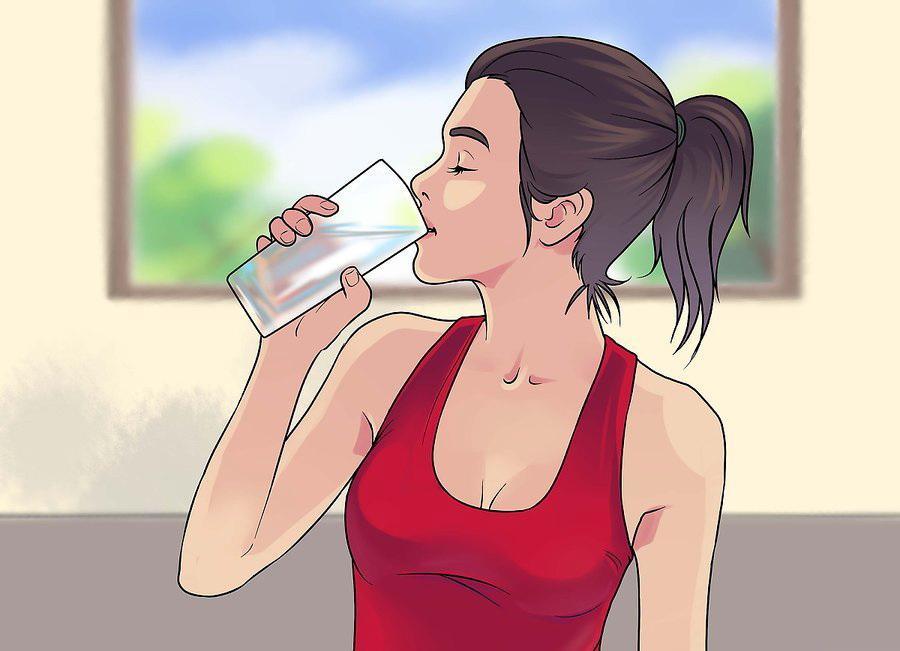
You need to drink as much as possible
Step 4. The patient needs to sleep as much as possible, rest, observe bed rest. The first day it is better not to eat at all.

Compliance with bed rest
Step 5. On the second day, if the patient's condition improves, you can start eating a little. Dishes such as oatmeal in the water, mashed potatoes, crackers are suitable.
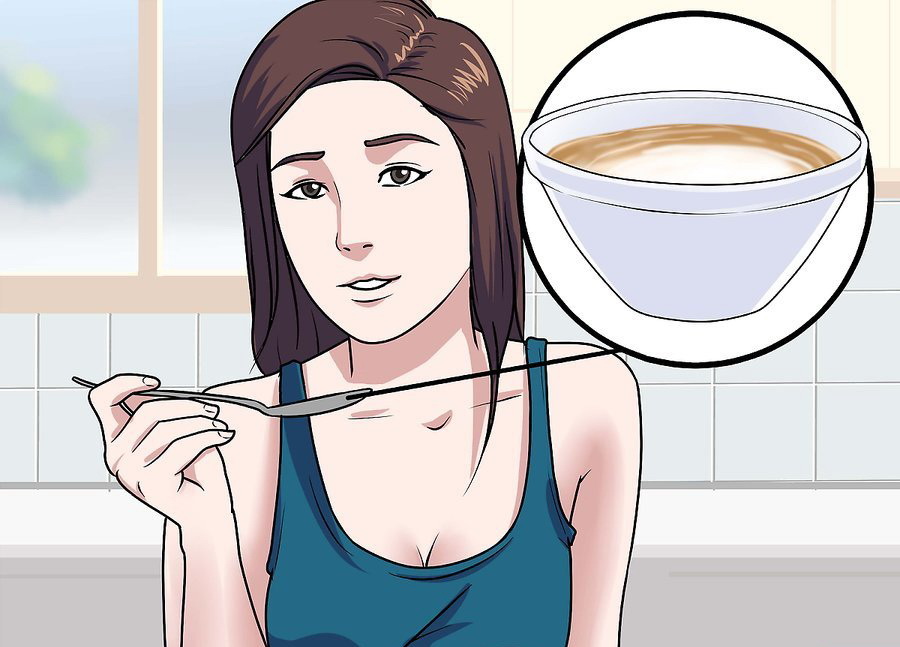
On the second day, you can eat a little
Step 6. If symptoms of poisoning persist within 1-1.5 days, then it is important to see a doctor as soon as possible.

See a doctor if necessary
Video - Food poisoning or infection? How to tell?
Poisoning can happen to everyone, and it is important to know how to deal with this ailment correctly. It is possible to reduce the risks of intoxication of the body by observing simple rules of prevention: you only need to eat high-quality food with no expired, observe the rules of personal hygiene, wash fruits and vegetables before eating, refuse to use unfamiliar berries and mushrooms.