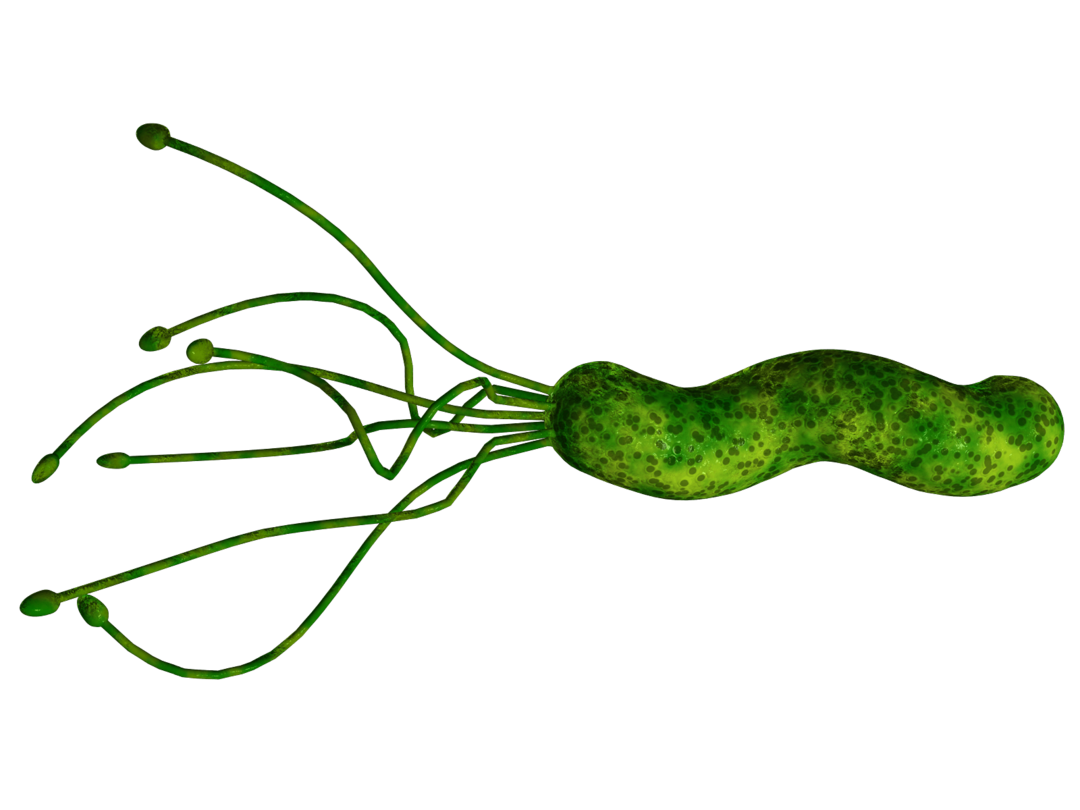
Bitterness in the mouth and nausea: causes, symptoms and treatment
A bitter taste of metal in the mouth and nausea are signs typical of pathologies of the digestive system and hepatobiliary system. Their appearance may indicate liver or gallbladder problems, chronic stomach problems, and intestines and other pathologies in which the outflow of bile is disturbed, or bile becomes too concentrated. Bitterness in the mouth and nausea may not be the only symptoms. People who are at risk for diseases of the biliary and biliary organs, as well as the digestive system, need know what diseases can cause similar symptoms, how to treat them, and how to differentiate possible symptoms between yourself.

Bitterness in the mouth and nausea: causes
Content
-
1 Why can there be nausea and bitterness in the mouth?
- 1.1 Excess iron
- 1.2 Caffeine abuse
- 1.3 Smoking
-
2 Liver disease
- 2.1 Liver hepatosis
- 2.2 Cirrhosis
- 2.3 Hepatitis
-
3 Diseases of the gallbladder and biliary tract
- 3.1 Cholangitis
- 3.2 Cholelithiasis
- 3.3 Video - The first symptoms of gallbladder problems
- 3.4 Video - Bitterness in the mouth: reasons
Why can there be nausea and bitterness in the mouth?
There are several reasons that can provoke the appearance of an uncharacteristic taste in the mouth, accompanied by mild nausea.
Excess iron
Iron is one of the most important minerals necessary for the functioning of all internal organs: heart, lungs, liver, stomach, etc. Iron is a part of hemoglobin and provides the transport of oxygen molecules to tissues and cells, preventing the development of chronic hypoxia. Iron intake varies by gender and age. For men, it is enough to get about 10 mg of this mineral per day. In women, the need for iron is higher - up to 16-18 mg per day. This is due to the regular loss of blood during the menstrual cycle. An increased amount of iron is needed by people suffering from bleeding gums, hemorrhagic diathesis, uterine bleeding (with endometriosis, uterine myoma and endometrial hyperplasia).
Many people take iron supplements to supplement their iron deficiency. The use of such drugs without a doctor's prescription can lead to the accumulation of increased the amount of iron in the blood and the occurrence of characteristic symptoms: weakness, headache, bitterness in mouth, nausea.

Symptoms of excess and lack of iron
An excess of iron can be provoked not only by uncontrolled intake of iron supplements, but also by:
- eating a large amount of iron-containing foods (pomegranates, apples, pork and duck liver, egg yolk);
- using tap water for drinking and cooking (iron gets into the water from rusty pipes);
- cooking in cast iron dishes.
If the bitterness in the mouth does not go away for a long time, it is periodically accompanied by nausea, headache, weakness, it is necessary to pass a biochemical blood test and check the level of iron in the body.
Caffeine abuse
Caffeine is a purine alkaloid found abundantly in tea leaves and coffee beans. It has an exciting effect on the central nervous system and is a strong psychostimulant, therefore it is often added to drugs for hypotensive patients. Externally, caffeine appears as white or colorless crystals and has a bitter taste, so excessive consumption of caffeinated beverages and foods can cause a bitter taste in your mouth. Nausea is caused by an aggressive psychostimulating effect on the nervous system and may be accompanied by headache, dizziness, and confusion.

Caffeine content in different drinks
To get rid of the problem, it is necessary to reduce the consumption of strong tea, cocoa, coffee, chocolate. It is better to replace them with compotes, berry fruit drinks, herbal teas and decoctions.
Important! Bitterness in the mouth can also appear in those who often take drugs that contain caffeine, for example, Citramon or Askofen.
Smoking
Tobacco smoke contains more than 400 harmful and hazardous substances that poison the body and irritate the mucous membranes of the mouth and lungs. Bitterness in the mouth in people who smoke a large number of cigarettes per day is a constant symptom, and the poisonous effect of poisons leads to nausea, headache and other symptoms of general intoxication. Unpleasant symptoms intensify immediately upon waking, and their intensity decreases slightly after eating food containing plant fiber.

Smoking can cause bitterness in the mouth and nausea
Liver disease
Liver disease is one of the main causes of bitter taste nausea in the mouth. The patient may also be bothered by pain in the right hypochondrium, bloating, flatulence, and upset stools. In severe liver diseases, the color of the skin and mucous membranes changes: they acquire a yellowish or lemon tint. The following are the main liver pathologies that can cause chronic bitter taste in the mouth, accompanied by periodic bouts of nausea
Liver hepatosis
Hepatosis is a group of non-inflammatory liver diseases, in which metabolic processes in hepatocytes (cells of the liver tissue) are disrupted, and organ dystrophy develops. Overweight, diabetes mellitus, lack of vitamins, impaired synthesis of thyroid hormones produced by the thyroid gland can contribute to the development of hepatosis. Separately, experts distinguish fatty hepatosis (fatty degeneration) of the liver, in which the excretion of fat from the liver is impaired. Fatty hepatosis can develop not only in obese people, but also in people with chronic endocrine disorders, as well as alcohol dependence of varying degrees.

Causes of liver hepatosis
Symptoms of dystrophic changes may not appear for several years, but gradually the clinical manifestations of liver failure become more pronounced. These include the following signs:
- a bitter taste in the mouth that does not go away after rinsing the mouth and brushing your teeth;
- nausea (rarely - causeless vomiting);
- constant weakness and drowsiness;
- weight loss;
- gray skin tone;
- asthenia (chronic fatigue syndrome).
A specific symptom of hepatosis is a decrease in concentration, absent-mindedness, memory impairment (in conjunction with typical symptoms).
Treatment of liver dystrophy involves the elimination of the provoking factor and lifestyle correction. The patient needs to get rid of excess weight, give up bad habits, excessive consumption of fatty foods. For the correction of metabolism, a protein diet and the normalization of physical activity are indicated.

Pictorial depiction of liver degradation
Drug treatment includes vitamin therapy (B vitamins), the use of hepatoprotectors (Karsil, Phosphogliv, Prohepar) and metabolism correctors (Carnitine chloride).
Important! If untreated, hepatosis can turn into chronic cirrhosis or hepatitis.
Cirrhosis
It is one of the most severe liver diseases, with survival rates ranging from 2 to 5 years from the date of diagnosis. In cirrhosis, the hepatic parenchyma is irreversibly replaced by fibrous connective fibers that have no functional significance. With cirrhosis, the liver can be either enlarged or reduced, therefore, the absence of seals in the right hypochondrium does not mean that everything is in order with the organ.
The insidiousness of cirrhosis lies in the fact that for a long time it can proceed without pronounced symptoms, and any signs of pathology appear already at the terminal stage, when all processes are irreversible. One of the first signs of cirrhosis is bitterness in the mouth, which may be accompanied by loss of strength, nausea, weakness, decreased performance, lack of appetite.

How alcohol affects the liver
Other manifestations of cirrhosis include the following symptoms:
- discomfort and discomfort in the abdomen;
- digestive disorders (change in stool, flatulence, bloating);
- portal hypertension against a background of moderate enlargement of the spleen;
- poor tolerance to fatty foods and alcoholic beverages;
- the appearance of spider veins on the lower extremities;
- cessation of body hair growth;
- white dots or dashes on the nails.
In men, one of the manifestations of cirrhosis may be an increase in the mammary glands associated with an increase in estrogen synthesis.

Causes of liver cirrhosis
The most dangerous complications of cirrhosis that increase the likelihood of patient death are hepatic coma and the formation of hepatocellular carcinoma, a malignant liver tumor. To reduce the risk of complications and prolong the patient's life, treatment should be started as early as possible. The drug regimen, which is the standard treatment for uncomplicated cirrhosis, is shown below.
Cirrhosis treatment: drugs
| Pharmacological group and action | List of medicines |
Image |
|---|---|---|
| Ursodeoxycholic acid preparations for replenishing the deficiency of bile acids in the intestine (10-15 mg / kg once a day before bedtime) | Ursofalk Ursodez Greenterol Urdoks Ursomac Livodexa Ursosan |
 Ursodez |
| Hepatoprotectors to restore damaged cells and protect hepatocytes from new damage | Phosphogliv Essentiale Forte-N |
 Phosphogliv |
| Vitamin preparations for the correction of metabolism | Vitamins of group B |  Vitamins of group B |

Consequences of liver cirrhosis
Hepatitis
Hepatitis is an inflammation of liver cells, which can be infectious (mainly viral) or non-infectious in nature. Mortality from hepatitis as a percentage is almost equal to the quantitative indicators of mortality from HIV infection or tuberculosis, therefore, persons with an increased risk of liver disease are advised to have an annual preventive organ examination abdominal cavity.
Symptoms of hepatitis in different patients can be:
- changes in the work of the taste buds of the mouth (metal taste, bitterness in the mouth);
- frequent unreasonable nausea;
- poor appetite;
- subfebrile fever;
- poor tolerance of fatty and smoked foods;
- moderate dull pain under the right rib.

Hepatitis symptoms
A clinical blood test in patients with hepatitis will show an increase in bilirubin in the blood and in the level of liver enzymes, in particular, transaminases.
The treatment regimen for hepatitis depends on the form in which the disease proceeds, the symptoms present, the general condition of the patient, and the preliminary prognosis. Drugs that may be included in treatment regimens for hepatitis in adults are listed in the table.
Medication for hepatitis in adults
| Pharmacological group | List of medicines |
Image |
|---|---|---|
| Antibiotics | Clarithromycin Azithromycin Amoxicillin Tetracycline |
 Amoxicillin |
| Non-steroidal anti-inflammatory drugs | Ibuprofen Ketorolac |
 Ibuprofen |
| Antihypertensive drugs | Dopegit Methyldopa |
 Dopegit |
| Anti-tuberculosis drugs | Isoniazid Rifampicin |
 Isoniazid |
| Drugs for the treatment of HIV infections | Retrovir Thymazid Zidovudine Azidothymidine |
 Retrovir |
| Immunosuppressants | Azathioprine |  Azathioprine |
| Oral hormonal contraceptives | Janine Byzanne Yarina Diane-35 |
 Yarina |

Stages of liver fibrosis
Diseases of the gallbladder and biliary tract
This is another common reason why a person may periodically feel bitterness in the mouth or experience bouts of nausea not associated with food intake.
Cholangitis
A fairly common disease of the hepatobiliary system, in which inflammation of the bile ducts occurs (the second name is angiocholitis). In 80% of cases, the inflammatory process develops against the background of infection with bacteria or parasites, which can penetrate the mucous membranes of the bile ducts through the systemic circulation, lymphatic vessels, intestines, bile bubble. In patients with chronic cholecystitis, cholangitis is diagnosed in every third case.

What is cholangitis
The clinical picture of the disease is manifested by the following symptoms:
- intense bitterness in the mouth, the intensity of which changes during the day;
- malaise and weakness;
- pain under the right rib with a high probability of radiation to the scapula, shoulder or forearm on the right side;
- excessive sweating;
- yellowing of the skin;
- febrile fever;
- strong breath.
Severe manifestations of cholangitis can be confusion and a sharp drop in blood pressure to critically low levels.
In most cases, cholangitis is treated on an outpatient basis using a wide range of antibacterial drugs. It should be noted that semi-synthetic penicillins and macrolides are less effective in treating cholangitis compared with cephalosporins, therefore their use in this disease is considered impractical. To achieve a stable remission, a combination of cephalosporins with metronidazole (within 2 weeks) is recommended.

Biliary tract with cholangitis
Adjunctive treatment includes taking choleretic drugs and dieting.
Cholelithiasis
Gallstone disease (cholelithiasis) is classified by experts as a rapidly progressive disease. Statistics show that in every sixth patient, an autopsy after death revealed the presence of calculi in the gallbladder or bile ducts. The disease is complicated by the almost complete absence of symptoms, the first of which may appear only 5-10 years after the formation of primary calculi. A bitter taste in the mouth with gallstone disease is the earliest symptom that occurs due to stagnation of bile and an increase in the concentration of bile acids in the intestine.
You can also recognize progressive cholelithiasis by the following symptoms:
- biliary colic;
- nausea between meals or with prolonged bouts of hunger;
- sudden attacks of abdominal pain triggered by an increase in pressure in the gallbladder;
- cutting or stabbing pain syndrome, which can radiate to the lower back and thoracic spine, simulating an attack of angina pectoris.

What is gallstone disease
In most cases, stones in the bile ducts or gallbladder are discovered by chance during an ultrasound examination of the abdominal organs. If cholelithiasis has not been detected for a long time, an inflammatory process called cholecystitis (inflammation of the gallbladder) may develop. The disease has pronounced symptoms, the main of which is acute pain in the area of the gallbladder. The patient may also complain of headaches, vomiting, and nausea. A bitter or metallic taste may appear in the mouth, the skin or mucous membranes acquire a yellowish tint.
For treatment, antibacterial drugs of a wide spectrum (Amoxicillin, Tetracycline), antimicrobial drugs (Metronidazole), antispasmodics (Drotaverin, Papaverine) are used. To enhance the outflow of bile, the technique of duodenal intubation can be used.
Diet is of great importance in forming a favorable prognosis. Any foods and dishes that can irritate the walls of the digestive tract should be excluded from the patient's diet: alcohol, spices, smoked meats, mayonnaise, sausages and sausages, chocolate. The basis of food should be vegetables and fruits, dairy products, boiled meat, fish, egg white. All foods must be cooked without adding oil with a minimum amount of salt and spices. The preferred methods of heat treatment of food for diseases of the biliary tract are boiling, stewing or baking.

Types of gallstones
Important! In the absence of treatment for drug therapy or acute obstruction of the bile ducts with calculi, removal of the gallbladder is indicated. The recovery period after surgery is about 6-12 months. During this period, the patient must follow a strict diet and adhere to a certain regimen.
Bitterness in the mouth and nausea are symptoms typical of liver and gallbladder pathologies. In some cases, they can be symptoms of diseases of the digestive system (gastritis, duodenitis, etc.), therefore, in the absence of problems from the hepatobiliary organs, a consultation with a gastroenterologist is indicated and coloproctologist. Itching in the anus, you will find the answer here.