Gas in the stomach and farting
Excessive gas in the stomach and farting - what to do and how to treat it? Such questions are asked by many people who had to deal with this phenomenon. Various pathologies of the organs of the gastrointestinal tract (GIT) or errors in nutrition can provoke increased gas production. In most cases, making adjustments to your diet will fix the problem, but if eliminating certain foods does not help, you should seek medical help. More details on the treatment of flatulence will be discussed in this article.

Gas in the stomach and farting - what to do
Content
-
1 Causes of increased gas formation
- 1.1 Improper nutrition
- 1.2 Digestive tract pathologies
- 1.3 Other factors
- 2 Typical symptoms
- 3 Diagnostic features
-
4 How to treat
- 4.1 Pharmacy preparations
- 4.2 Nutrition
- 4.3 Folk remedies
-
5 Prevention measures
- 5.1 Video - How to get rid of flatulence
Causes of increased gas formation
What factors contribute to the appearance of increased gassing? In fact, there are several groups of reasons for the development of this phenomenon, including improper nutrition, the course of various diseases and the presence of bad habits. Let's consider each of these groups separately.

Flatulence
Improper nutrition
As practice shows, most often flatulence occurs due to inaccuracies in nutrition. There are certain foods that can produce gas if consumed regularly:
- mushrooms;
- prunes;
- grape;
- onion;
- soybeans, beans, peas and other legumes;
- apples;
- different types of cabbage (cauliflower, white cabbage, etc.);
- peaches.

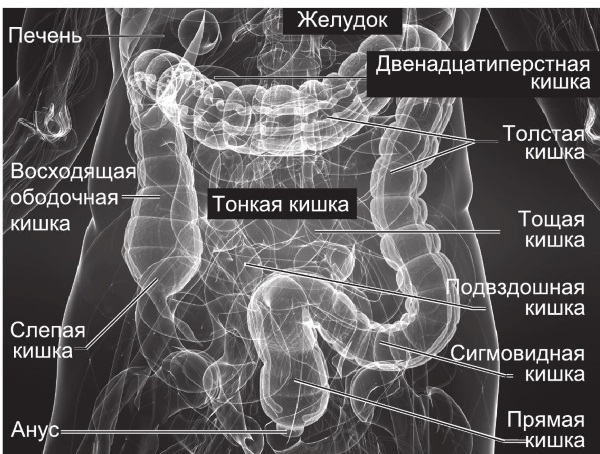
The mechanism of flatulence in the intestine
Gas production can also occur as a result of excessive consumption of fatty foods. The fact is that it is poorly processed, while overloading the digestive system. Carbonated drinks, which contain a lot of carbon dioxide, can also provoke bloating. There are many factors to consider, including how you eat your food. The formation of gas may be due to the fact that a person smoked or talked while eating, ate too quickly, while swallowing air along with food.

Gassing products
On a note! Often the cause of flatulence is an abnormality of the jaw or inconvenience of dental structures (dentures). In this case, a dentist's consultation is required.

Psychogenic flatulence
Digestive tract pathologies
The development of gastroenterological diseases is often accompanied by symptoms such as pain in the abdomen, bouts of nausea, and excessive gas formation. The most common pathologies in this category include colitis, enteritis, etc.

The main causes of flatulence
But there are other pathological abnormalities:
- swallowing excessive amounts of air while eating. As a rule, this is due to disturbances in the functioning of the central nervous system (CNS). As a result, a lot of gases accumulate in the intestinal cavity or stomach of the patient;
- at the patient intestinal malabsorption syndrome;
- violation of intestinal motility, which leads to stagnation of food lumps, due to which the fermentation process is activated in the organs of the digestive system;
- the presence of other problems that prevent the normal removal of gases from the patient's body. We are talking about the development of a tumor, hard stools and other pathological conditions;
- a large amount of pathogenic microflora accumulates in the intestine.

Increased gas formation
A serious deviation in the process of elimination and adsorption is accompanied by the accumulation of gases in the organs of the digestive system in the form of foam. As a rule, this process is accompanied by a deterioration in the absorption of nutrients due to poor enzyme activity. This phenomenon further exacerbates an already difficult situation.
Other factors
Other reasons can lead to an abundant accumulation of air in the digestive system:
- wearing orthodontic structures;
- anomalies of the dentition;
- development of diseases of the ENT organs;
- excessive consumption of beer or other strongly carbonated drinks;
- drinking alcohol or smoking directly with food;
- frequent conversations while eating;
- overeating regularly or eating fast.

Types of flatulence
Only compliance with all the recommendations of the attending physician will help eliminate the problem and reduce the amount of gas in the abdomen. It is important to understand that self-medication may not only not help to cope with the problem, but also greatly aggravate this process. Therefore, at the first sign of flatulence, you need to contact a specialist.
Typical symptoms
The development of some of the symptoms accompanying this disease may indicate increased gas production in the stomach. These include:
- the exit of gases from the body through the mouth (frequent belching);
- bouts of nausea;

A fit of nausea
- the patient's abdomen becomes very hard, begins to swell and hurt;
- as a result of the mixing of gases with the contents of the stomach, a rumbling in the abdomen occurs;
- the gases coming out of the stomach have an unpleasant odor;
- have problems with stool (diarrhea or constipation);
- general weakness of the body, sleep problems;
- depression due to constant feelings of awkwardness;
- burning sensation in the sternum, resulting from compression of the vagus nerve.

The main symptom is an increase in waist volume
On a note! Although flatulence is not a disease, it can indicate the development of serious diseases that affect the digestive tract. Therefore, if increased gas production bothers you for several days, you must definitely visit a doctor for a diagnostic examination.
Diagnostic features
A visit to a doctor at the first manifestations of a pathological condition is required for the timely detection of the disease and the appointment of a course of therapy. This will greatly speed up the healing process. The first thing that a doctor does when diagnosing is a visual examination of the patient and palpation of the abdominal cavity. Then he directs the patient for laboratory tests.

Abdominal ultrasound
Diagnostic procedures for increased gas production include:
- endoscopic examination;
- X-ray diagnostics;
- Ultrasound of the pelvic organs;
- biochemical and clinical analysis of the patient's blood.
Often, parasites (worms) are the reason for the constant release of gas from the body, therefore, when diagnosing, the doctor may prescribe a coprogram (feces analysis).
How to treat
If the problem was caused by any disease, then, first of all, therapy should be directed precisely at its elimination. For this purpose, medications are used, a special diet. Some people also use traditional medicines to relieve unpleasant symptoms.
Pharmacy preparations
The medical method of treatment involves taking different drugs. But not all of them will be able to help in a particular case, therefore, self-medication is highly discouraged. Below are the drugs that are most often prescribed for flatulence.
Table. Drug treatment of increased gas production.
| Name of the drug, photo | Description |
|---|---|
 Motilak |
An effective medicinal product in the form of tablets. It is prescribed for patients over 5 years old. It has several contraindications, including internal bleeding, intestinal obstruction, or individual intolerance to certain components of the drug. |
 Meteospasmil |
Alverin citrate acts as an active component of this drug. It is produced in the form of capsules, therefore it is not prescribed for young children. The drug has myotropic properties, thanks to which it effectively fights flatulence and other disorders in the digestive system. |
 Motilium |
An excellent medication, available in the form of tablets or suspension. The composition includes the drug domperidone, which has an antiemetic effect on the body. The dose of the drug or the duration of the treatment course may vary depending on the patient's age, condition or individual characteristics. All these nuances are determined by the attending physician. Despite all the positive qualities, Motilium has several contraindications, including internal bleeding and liver pathology. |
 Mezim Forte |
An excellent medication that comes in pill form. As a rule, it is not used in the treatment of pediatric patients, but in rare cases, doctors make an exception. Depending on the severity of flatulence, the dosage of the drug may vary. Contraindications include chronic and acute pancreatitis. |
 Atoxil |
An adsorbent drug used in medicine to cleanse the body of gases and toxins. Available in powder form for suspension. Silicon dioxide acts as an active component of this medication. |
 Espumisan |
Due to the content of simethicone, this drug has a positive effect on the mucus covering the organs of the digestive process. This leads to the release of gases contained in this foam. It is prescribed in preparation for an operation on the abdominal cavity, with dyspepsia and flatulence. Contraindications include individual intolerance to certain components of the drug. |
Doctors may also prescribe anti-inflammatories, pain relievers, or carminatives to treat gas. As a rule, they are included in the complex, therefore they are taken together with other drugs.
Nutrition
Regardless of the prescribed drug, the patient must follow a special diet throughout the entire therapeutic course. It consists in limiting the amount of junk food consumed. As a rule, those foods that contain large amounts of coarse fiber are excluded from the diet. Below is a step-by-step instruction, the observance of which will speed up the healing process.
Step 1. Do not get carried away with fatty foods, but rather refuse to eat it. The fact is that the digestive system takes much longer to break down fatty foods, which is why flatulence occurs. First of all, this applies to fast food and dishes that have been deep-fried.

Do not get carried away with fatty foods
Step 2. There is a whole list of foods that can cause gas production. These include onions, cabbage, broccoli, and legumes. Monitor how your body reacts to these foods and replace them with others if necessary.

Refrain from foods that can provoke increased gas production
Step 3. Reduce the amount of fiber in your diet. We are talking about bran, whole grain bread, and other foods that are high in fiber.

Reduce the amount of fiber in your diet
Step 4. Do not overuse dairy products, as consuming large quantities of them can lead to lactose intolerance, resulting in increased gas production in a stomach. Therefore, limit the amount of sour cream, cheese and milk in your diet.

Be careful with dairy products
Step 5. Limit the amount of salt. A large amount of salt on the menu can cause the body to retain water, resulting in flatulence. By giving up salt or limiting its amount, you can not only prevent the development of flatulence, but also stabilize blood pressure.

Do not overuse salt
Also, try to always chew food thoroughly and not speak while eating. All of this, as well as eating too hot or cold food, can lead to increased gas production.
Folk remedies
As a supplement to traditional methods of treatment, many people use folk remedies. They contain exclusively natural ingredients, so traditional medicine does not adversely affect the organs of the gastrointestinal tract. They also have soothing and anti-inflammatory properties.
The most effective folk remedies for flatulence include:
- fennel tea. This plant has medicinal properties, which is why it is often used in traditional medicine recipes. To make tea, pour boiling water over a few tablespoons of dry crushed plants and leave for 10 minutes. Add some honey or sugar if desired;
-
ginger. A unique herb with anti-inflammatory properties. It can improve the functioning of the digestive system by coping with rumbling and gas formation in the abdomen. Used in dried form, added to teas;

Ginger tea
- broth of parsley. To prepare this medicine, you need to pour 300 ml of boiling water 1 tbsp. l. chopped parsley and leave for 1-2 hours. Strain the cooled product through cheesecloth to get rid of plant residues, and mix with mineral water (1: 3). The water must be non-carbonated. Take the medicine 3 times a day, 100 ml after meals;
-
chamomile decoction. This remedy has proven itself to be excellent in the treatment of flatulence and other problems in the digestive system. To prepare the broth, pour 200 ml of boiling water over 1 tbsp. l. plants and leave for 30-40 minutes. Take the finished product 3 times a day, 100 ml, preferably 20 minutes before meals;

Chamomile decoction
- to prepare the next medication, mix in one bowl 2 tbsp. l. honey, lemon chopped in a blender and 100 g of walnuts. As a result, you should get a monotonous gruel. Take 1 tbsp. l. lemon and nut remedy before each meal. The duration of the treatment course - until the symptoms of flatulence are completely eliminated.
Even despite the fact that all these products contain exclusively natural ingredients, you should definitely consult a doctor before treatment. This will avoid serious consequences.
Prevention measures
Step 1. Exercise regularly. It is no secret that increased physical activity will allow not only to put the body in order, but also to improve the functioning of the digestive system. You don't have to sweat every day in the gym, just cycling, dancing or swimming a few times a week is enough. In general, try to find for yourself what you like.

Go in for sports
Step 2. Limit carbonated drinks. All of them contain carbon dioxide in large quantities, so their excessive use often leads to increased gas production. This is not only about champagne or beer, even regular soda, if consumed excessively, can disrupt metabolic processes in the body. In addition, such foods tend to contain a lot of sugar, which negatively affects the figure.

Do not overuse carbonated drinks
Step 3. Give up bad habits, in particular, smoking. Cigarette smoke negatively affects not only the lungs, but also other human systems and organs (intestines, liver, kidneys, heart, pancreas, esophagus, etc.), in addition, while smoking, a person swallows a lot of air, which can lead to flatulence.

To give up smoking
Step 4. Get a good night's sleep. Lack of sleep negatively affects the body, causes severe stress, which can cause problems with the functioning of the digestive system. To do this, you need to devote at least 8 hours to sleep, and if you regularly expose the body to intense physical activity, then the duration of sleep increases to the recommended 9-10 hours a day.

Sleep well
Step 5. Avoid stressful situations by taking time to relax. The fact is that during stress, special hormones are synthesized in the body, which impair the digestive processes. Therefore, it is very important to be relaxed before eating. If your job is stressful, change it. Regular meditation or yoga is also helpful. Life without stress will prevent the development of not only flatulence, but also other, more serious diseases.

Meditation and yoga