Colic in the right side under the ribs: causes, as indicated by symptoms
Pain in the right side under the ribs causes severe discomfort, while the nature of the pain can be different depending on the reasons that caused it. Sometimes, it is provoked by a simple sprain or bruise, that is, the reason is in the muscles, but still more often this condition is caused by diseases of the internal organs located on this side.

Colic in the right side under the ribs
Content
- 1 Causes of pain in the right hypochondrium
-
2 Diseases causing pain in the right hypochondrium
- 2.1 Liver disease
- 2.2 Heart failure
- 2.3 Stomach
- 2.4 Intestines
- 2.5 Appendix
- 2.6 Echinococcosis
- 2.7 Pyelonephritis, kidney stones
- 2.8 Ureters
- 2.9 Gall bladder
- 2.10 Spine
- 2.11 Intercostal neuralgia
- 3 Diagnostics
-
4 Treatment
- 4.1 Video - What hurts in the right hypochondrium
Causes of pain in the right hypochondrium
Diseases of internal organs at the initial stage are latent and asymptomatic. Then, the most important symptom appears - pain, thanks to which a person understands that a failure has occurred in the body.
The causes of pain in the right side in front can be organs such as:
- liver;
- intestines;
- heart muscle;
- stomach;
- appendix.

Liver
Pain in the right side from behind is caused by:
- kidneys;
- ureter;
- gallbladder;
- spinal column.

Anatomy of the biliary tract
In addition, pain in the right hypochondrium can be caused by:
- intercostal neuralgia;
- rib injury.

Diseases of the organs of the hepatobiliary system
The most important problem is that pain can be disguised as diseases of various organs, irradiate to other parts of the body, therefore it is so important to diagnose and clarify which organ amazed.
Attention! Pregnant women often experience pain in the hypochondrium, since all internal organs are compressed by the growing uterus and change their position. This is a variant of the norm.

Pain in the hypochondrium in pregnant women does not indicate pathology
Diseases causing pain in the right hypochondrium
Liver disease
Hepatitis and cirrhosis have become a real disaster of our time. The defeat of this organ occurs due to the penetration of toxins or infections into it, as well as due to an autoimmune process.
Distinguish between acute and chronic forms of hepatitis. Due to the disease, bile formation in the liver is impaired, it swells, increases in size. The amount of bilirubin, which is one of the pigments in bile, increases, which is why the skin and mucous membranes take on a characteristic yellowish tint.

Hepatitis
As the liver stretches significantly, pain occurs. In addition, symptoms such as:
- darkening of urine;
- discoloration of feces to grayish white;
- itchy skin;
- bradycardia - slowing down of the heart rate (less than 60 beats per minute);
- weakness, fatigue;
- nausea, vomiting;
- violation of defecation;
- bile taste in the mouth;
- hemorrhagic syndrome (the occurrence of bleeding, bruising and bruising).

Hepatitis symptoms
Cirrhosis of the liver is mainly a consequence of hepatitis or severe alcohol dependence, due to which intoxication of the body occurs. The essence of the disease is that ordinary liver tissue is gradually transformed into fibrous connective tissue, while false lobules are formed.

Cirrhosis of the liver

Liver cirrhosis in the photo
Pain in cirrhosis is dull, sometimes burning and cannot be stopped by antispasmodics.
Heart failure
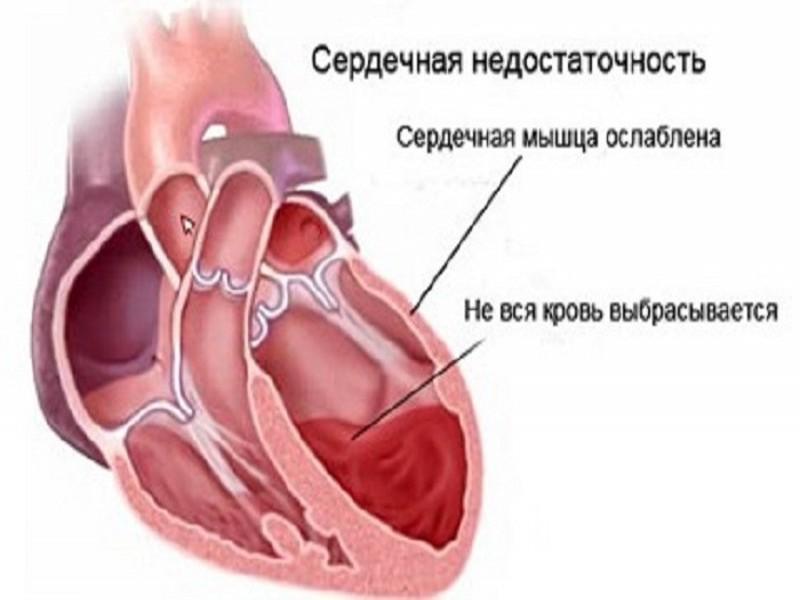
Heart failure is a violation of the myocardium, as a result of which stagnation occurs in the small and large circles of blood circulation.
The disease leads to organ hypoxia, the development of their edema. The liver is one of those organs that is primarily affected in heart failure. With weakness of the right ventricle of the heart, it is most likely that the blood deposited (stored) in the liver will occupy up to 70% of the entire organ, instead of the usual 35%. As a result, the fibrous membrane is stretched, which causes severe pain.
- Heart failure

- How does heart failure manifest?
Stomach
The stomach is the organ that is most susceptible to diseases due to the wrong lifestyle of many people. Usually the pain caused by his diseases is aching, shooting, cramping in nature.

Stomach anatomy
Typical stomach diseases
| Name of the disease | Clinical picture |
|---|---|
 1. Ulcer - the formation of defects in the mucous and submucous tissues lining the stomach |
The disease occurs as a result of stressful situations, prolonged drug therapy, malnutrition, renal or liver failure. The characteristic symptoms of pathology are severity and pain in the stomach, especially after eating. The condition may improve after vomiting. The ulcer is also often manifested by the so-called nocturnal or hunger pains. |
 2. Gastritis - inflammation of the gastric mucosa without ulceration, but with dystrophic changes |
The acute form of gastritis can occur literally a few hours after exposure to provoking factors on the stomach. So, for example, infections, toxins, drugs, chemicals (alcohol, alkalis, acids) can lead to damage to the mucous membrane. The pain resulting from this sharp, burning, can spread to the entire abdomen. The chronic form proceeds without the manifestation of serious symptoms, belching, short-term heartburn, white bloom on the tongue are possible. However, during periods of exacerbation, for example, when a diet is disturbed or some medication is taken, the pain makes itself felt. |
 3. Descent of the stomach - a change in the physiologically correct location of the organ, which is congenital or acquired |
This condition can occur when lifting weights, sudden weight loss, as well as in women who have given birth. A weakening of the tone of the muscles that support it leads to pathology. Digestive function with a lowered stomach is disturbed, the valves between the esophagus and the stomach do not work correctly, as a result of which bile eats away the mucous membrane. Pain occurs mainly after eating. Reinforced in an upright position. In the horizontal direction, on the contrary, it decreases. |
 4. Tumors of the stomach - various neoplasms that have different rates of tissue growth (polyiferation) |
Only in 4% of cases of gastric formations are benign (polyps), in other cases, malignant ones are revealed, among which cancer takes the first place. Benign formations do not make themselves felt in any way. With rare exceptions, overgrown polyps can cause aching pain in the epigastric region after eating, nausea, and heartburn. In case of malignant tumors, after a meal, there is a feeling of pain and overcrowding in the stomach, on late stages of the disease, the pain increases significantly, vomiting occurs, during emptying, feces are observed with blood. |
 5. Bulbit - inflammation of the duodenal area, where the acidic contents of the stomach are neutralized |
Bulbit can have both a congenital character, when even at the stage of embryonic development, the mesentery is preserved (a fold with the help of which the organs digestion are attached to the walls of the abdomen), additional intestinal loops arise, where acid stagnates, microorganisms develop and inflammation. Bulbit can also develop when Helicobacter pylori infection, which can live in an acidic environment and cause inflammation of the mucous membrane, can develop. In both cases, the patient has severe pain in the upper abdomen, especially on an empty stomach or 15 minutes after eating. |
 6. Upset stomach or dyspepsia - a condition that can occur due to pathology of the gastrointestinal tract or due to improper nutrition |
Everyone has experienced an upset stomach at least once, it is characterized by symptoms such as: - pain in the upper abdomen; - heartburn; - nausea, vomiting; - diarrhea. The main reasons for this condition: - improper nutrition; - stress; - infections; - alcohol; - taking medications. Organic causes of the disorder: - gastritis; - ulcer; - gastric atony; - pancreatitis; - pregnancy. |
 7. Pneumatosis (airbrushing) - the accumulation of gas between the stomach and intestines |
Such a pathology is the result of the vital activity of microorganisms that are present in the abdominal cavity. They release gases that accumulate over time, creating elastic formations inside which gas accumulates. Typical symptoms: pain in the hypochondrium, severe belching, a feeling of fullness in the stomach. |
Intestines

Colon anatomy

Small intestine
With bowel diseases, pain is mainly felt in the lower abdomen, but if there are problems with the transverse colon, then severe pain is felt in the hypochondrium.
Problems in this gut arise mainly due to inflammation or hereditary pathologies. Frequent causes of the disease are low physical activity, unhealthy diet, prolonged and uncontrolled use of drugs. As a result of all this, frequent constipation occurs, intestinal atony develops.

Intestinal atony
Toxins are not excreted naturally, but are absorbed back into the intestinal walls, and then diseases such as diverticulitis, colitis, polypic growths, and cancer develop.
Appendix

The structure and location of the appendix
The appendix is an appendage of the cecum, which can become inflamed due to ingestion of particles of undigested food, bacteria, and parasites.
A typical manifestation of inflammation of the appendix (appendix) is acute pain in the right iliac region. In this case, the pain comes on suddenly, decreases when lying on the right side, increases with movement, coughing and laughing.

Symptoms of appendicitis in adults

Untreated appendicitis progression
Echinococcosis
Echinococcosis is a parasitic invasion with damage to internal organs. Most often, helminths are localized in the liver and form specific echinococcal cysts there.

Echinococcosis of the liver
Infection with parasites occurs alimentary or by contact. Once in the gastrointestinal tract, the shell of the larva dissolves. The larva invades the intestinal mucosa, and from there enters the bloodstream. Most of the parasites settle in the liver, where the vesicular stage begins, that is, a special two-layer cyst is formed, which is constantly increasing in size. The waste products of parasites lead to intoxication of the body, deterioration of the general condition, pain in the liver is observed. In case of complications, a rupture of the cyst and the outflow of its contents into the abdominal cavity are possible, while peritonitis occurs.

Echinococcosis: symptoms
Pyelonephritis, kidney stones
Kidney diseases such as pyelonephritis or stones can cause pain in the right upper quadrant and lower back.
Pyelonephritis is inflammation of the kidneys caused by bacteria. Pathology can affect only one or both paired organs at once, they distinguish an acute and chronic form of the disease.

Pyelonephritis

Classification of pyelonephritis
The main reasons for this inflammation include:
- hypothermia;
- frequent change of sexual partner (infection with sexually transmitted diseases occurs);
- frequent cystitis;
- weakening of immunity;
- diabetes;
- pregnancy.
Symptoms of the disease appear abruptly: the temperature rises, the general state of health worsens, nausea appears, aching pain in the lower back, which can radiate higher. The urine becomes cloudy, changes its color to reddish, sometimes difficulties with urination are possible. In the chronic form, the pain is worse in cold, damp weather.

- Acute pyelonephritis

- Symptoms and course
Kidney stones - the formation of salt stones in the kidney cavity. Distinguish between urate, oxalate, phosphate, carbonate and other types of stones, depending on which salts as a result of physicochemical processes in the body formed and deposited more. The main cause of pathology is a violation of mineral metabolism.
A symptom of the disease is renal colic, which is expressed by sudden pain in the lower back. In this case, the pain radiates both up and down to the genital area.

Types of kidney stones
Ureters
The ureters are located between the kidneys and the bladder. Their purpose is to excrete urine by contracting the walls. The disease of this paired organ can be either congenital or acquired.
Basically, the disease is inflammatory, due to infection in the organ. In addition, benign or malignant tumors can form in the ureter. Less common is tuberculosis or cystic degeneration of the walls of the organ.

Organs of the urinary system of a man
The main symptoms of ureteral lesions:
- pain in the lumbar region, which is equally intense throughout the day;
- pain when urinating;
- the occurrence of colic due to the presence of a calculus (stone) in the ureter;
- increased urge to empty the bladder;
- increased body temperature;
- weakness, drowsiness;
- discoloration of urine, the appearance of blood, pus, flocculent particles in it.
Gall bladder
The gallbladder is a small but very important organ that stores bile, which is needed to process food in the intestines.

Gallbladder anatomy
The main pathologies of this organ include:
- cholecystitis - inflammation of the bladder walls without the formation of stones;
- cholelithiasis is a disease that occurs due to a violation of bilirubin metabolism. It is characterized by the formation of calculi in the bladder itself, its ducts and liver;
- acute cholangitis - a complicated form of cholecystitis, in which inflammation affects the bile ducts;
- dyskinesia - a disease due to which the tone of the bile ducts or bladder changes;
- cancer.

Gallstones with cholecystitis
Typical symptoms of gallbladder disease:
- soreness in the right hypochondrium;
- hepatic colic;
- weight loss;
- nausea;
- hypothermia.
Spine
With osteochondrosis, shooting pains occur, which radiate to the side.

Osteochondrosis
Intercostal neuralgia
Intercostal neuralgia is compression or irritation of the nerves located between the ribs. This condition occurs due to:
- inflammation of the muscles;
- injuries to the ribs or spine;
- vitamin deficiency;
- the formation of tumors near the spine;
- diabetes;
- osteochondrosis.
The main symptom of neuralgia is a sharp, shooting pain in the hypochondrium or sternum, which is why the disease is often disguised as other pathologies. Soreness increases with coughing, sneezing, bending over.

Intercostal neuralgia
Diagnostics
Since the causes of pain in the right hypochondrium are many, a thorough diagnosis of the condition is necessary. Some diseases can be mistaken for others and the wrong treatment can be started.
- First of all, it is necessary palpate the area where the pain is located. Inflammation of the appendix should be excluded, since it can burst at any moment, causing peritonitis.

Palpation of the abdomen

Palpation of the liver
- It is necessary to pass blood analysis, they pay attention to the quantitative indicator of leukocytes, in any inflammatory process, their number is significantly exceeded. It is also necessary and blood chemistry.

The rate of biochemical blood test in men
-
Analysis of urine will tell you if there are any problems in the kidneys, gallbladder, urinary ducts.

General urine analysis
-
Abdominal ultrasoundcarried out in order to detect pathological changes in them.

Norms and pathologies according to the results of ultrasound
- Ultrasound of the heart.

Ultrasound of the heart
-
Stool analysis is necessary to exclude helminthic invasion and liver damage.
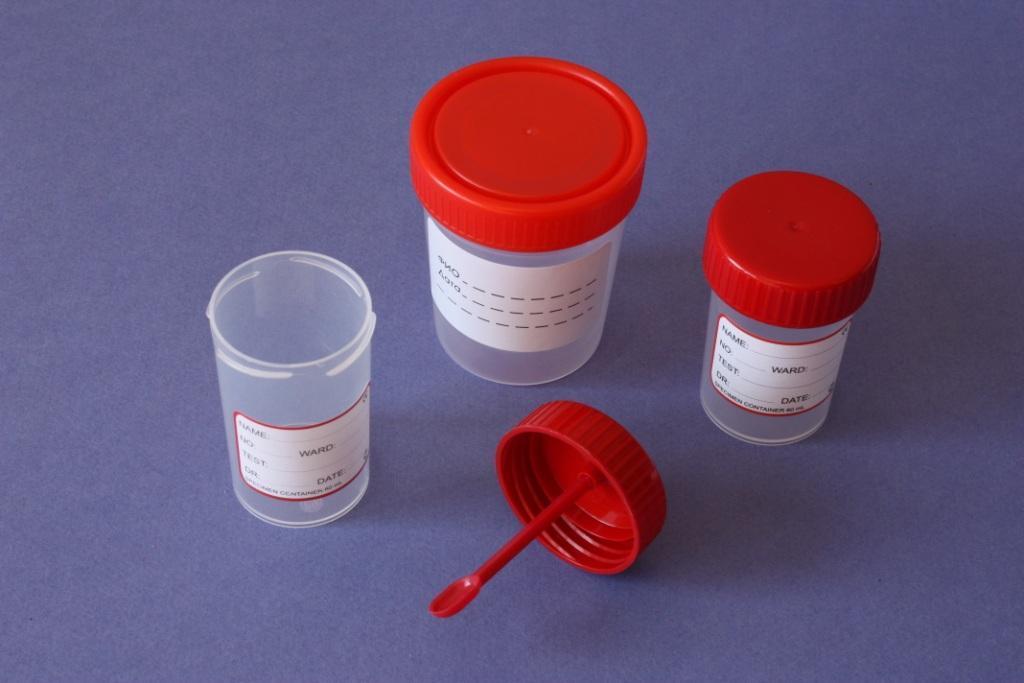
Stool analysis container
If necessary, an irrigoscopic and endoscopic examination of the intestine is prescribed.

Intestinal endoscopy
Treatment
Treatment of pain in the right hypochondrium is aimed, first of all, at eliminating the cause of this condition, as well as at relieving discomfort.
If liver disease is the provocateur of pain, it is necessary to carry out drug therapy, which will include the following groups of drugs:
- Antiviral (Interferon, Cycloferon).
- Anti-inflammatory (Paracetamol, Diclofenac).
- Antibacterial.
- Antiparasitic ("Dekaris").
- Hepatoprotectors (Phosphogliv, Essentiale).
- Vitamins of group A, B, C, D.
- Choleretic drugs ("Allochol", "Cholenzym").
- Antibiotics
- Enterosorbents (Smecta, Enterosgel).

"Cycloferon"

"Paracetamol"

"Dekaris"

"Phosphogliv"

"Smecta"
A special treatment table is prescribed, all harmful products are excluded from the diet.
In difficult cases, surgery, chemotherapy is indicated.
For the treatment of heart failure, it is necessary to apply 2 important directions at once: drug therapy and non-drug drugs.
The first direction includes the following groups of drugs.
- Diuretics (Furosemide, Dehydratin).
- Angiotensin receptor blockers (Valsartan).
- Beta blockers. ("Metoprolol").
- Aldosterone antagonists (Aldoctone, Spironol).
- Cardiac glycosides ("Korglikon").
- Angiotensin-converting enzyme inhibitors (Amprilan, Diroton).

"Furosemide"

"Metoprolol"
The second direction is associated with proper nutrition, moderate physical activity, staying in the fresh air.
The following drugs are used to treat stomach diseases.
- Antispasmodics ("Dibazol", "Papaverin", "No-Shpa").
- Antacids that help reduce acidity in the stomach (Almagel, Maalox, Rennie).
- Alginates to help neutralize pepsin (Gaviscon).
- Enzyme preparations that improve the digestion process ("Mezim", "Creon", "Pancreasim").
- Antibacterial agents ("Arpenal", "Amisil").
- Antibiotics ("Ampicillin").
- Carminative drugs ("Espumisan").
- Antiemetic ("Motilium").

Gaviscon chewable tablets

"Ampicillin"
Bowel diseases are treated in a comprehensive manner. Together with strict dietary restrictions, drug therapy is used, which includes the following types of drugs, depending on the indications.
- Means that stimulate the motility of the digestive tube ("Domperidone").
- Means for neutralizing hydrochloric acid - antacids ("Rennie").

Rennie®
- Acid-lowering and antisecretory agents (Omeprazole, Pantoprazole).
- Enzyme preparations (Panzinorm, Creon).
- Probiotics and prebiotics (Linex, Acipol, Bifiform).
- Antibiotics
- Antimicrobial agents (Furazolidone, Enteroseptol).
- Drugs that improve the condition of blood vessels (Detralex, Flebodia 600).
- Medicines for diarrhea (Imodium, Loperamide).
- Sorbents ("Lactofiltrum", activated carbon, "Filtrum-Sti").
- Laxatives ("Guttalax", "Regulax").
- Pain relievers.

Domperidone

Omeprazole

"Imodium"
The following drugs are mainly used to treat kidney problems.
- Antibacterial ("Amoxicillin").
- Anti-inflammatory.
- Diuretics.
- To remove stones (Panangin, Blemaren).
- Painkillers (Diclofenac).

"Penangin"
At the initial stages of the disease, it is good to use herbal preparations ("Kanefron").

"Kanefron"
For the treatment of the gallbladder, choleretic agents ("Cholenzym", "Tykveol"), antibiotics and enzyme preparations ("Pancreatin") are used.

"Tykveol"
When treating intercostal neuralgia, bed rest should be observed, spasmodic muscles should be warmed with dry heat. You cannot do without medicines, including the following:
- pain relievers, gels and injections based on ibuprofen, diclofenac;
- muscle relaxants - drugs that relax muscles ("Sirdalud", "Tizanidine");
- anti-inflammatory drugs ("Nimesulide", "Ketoprofen").

"Nimesulide"
As you can see, there are enough reasons for pain in the right hypochondrium. Each of the diseases can be in an acute or chronic form, have a number of consequences, therefore, at the first symptoms, you should immediately consult a doctor for qualified help.