How is the appointment with the proctologist going and do I need to prepare for it?
The rectum is the end part of the distal segment of the large intestine, which has an unbent shape and is closed by the anus. The rectum consists of the anal canal and pelvic region and is adjacent to the organs of the genitourinary and reproductive systems. In women, this is the body of the uterus and the posterior projection of the vaginal tract, in men - the testes, prostate, ureters and bladder. The remnants of undigested food, substances that were not absorbed by the mucous membranes of the small intestine, bacteria and their decay products, salts, and bile components enter the rectum. The formation of feces occurs under the influence of digestive juice, which contains a large amount of mucous secretion.

Rectum
A proctologist deals with the treatment of diseases of the rectum. If there is a suspicion of the presence of pathologies of the large intestine, an examination and consultation with a coloproctologist will be required. Statistics on rectal diseases today are disappointing: almost 65% of patients seek medical help when the disease reaches an advanced stage and for a further favorable prognosis, surgical intervention. Doctors believe that the main reason for untimely diagnostics is a psychological factor: many patients experience discomfort and hesitate to contact a specialist of this profile. Proctologists consider the solution to the problem to obtain maximum information about why an examination by a given doctor is needed and what consequences delaying treatment can lead to.

How is the appointment with the proctologist
Content
- 1 When is a proctologist's consultation required?
- 2 Symptoms for which you need to contact a proctologist
-
3 How is the appointment going?
- 3.1 Examination pose
- 3.2 How are women examined?
-
4 Do I need to prepare for the inspection?
- 4.1 Do I need to do an enema?
-
5 How to deal with anxiety?
- 5.1 Video - How is the examination by the proctologist
When is a proctologist's consultation required?
The most common (and quite severe) rectal disease is haemorrhoids. This is an expansion of the lumen of the venous arteries that form the hemorrhoidal plexus of the anus. Dilated veins often become inflamed, causing intense pain that worsens after bowel movements, exercise, and prolonged sitting on hard surfaces. If the inflamed vessels and capillaries are damaged, the patient may notice the appearance of scarlet blood on the underwear or the surface of feces after bowel movement.
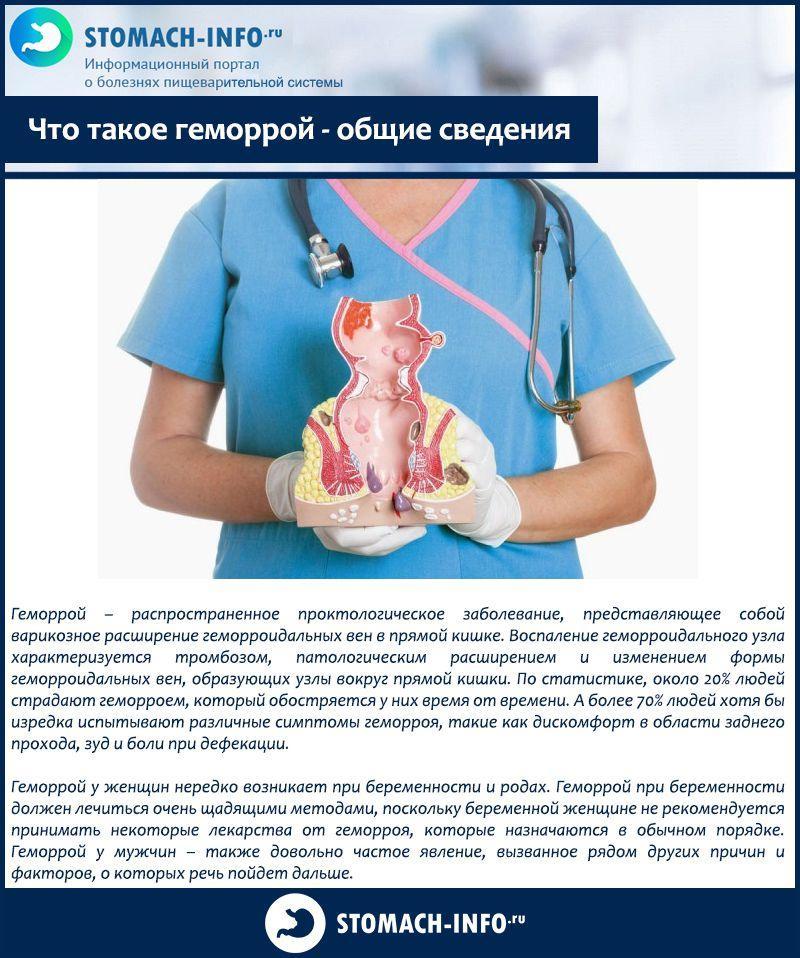
What is hemorrhoids - general information
Consultation and preventive examination by a proctologist are necessary for patients at risk for the development of hemorrhoids. These are women during pregnancy and after childbirth, office workers, heavy smokers, people with alcohol and drug addiction. The examination of this specialist can be shown to athletes, especially if they are involved in strength sports associated with constant tension of the abdominal muscles and straining.
The second most common pathology of the anus in people of different ages is proctitis. This is an inflammatory process in the mucous membrane of the rectum, which can be caused not only by infections, but also trauma by a foreign object (for example, toys intended for anal sex), as well as errors in nutrition. The abundance of fatty and spicy foods in the diet, insufficient drinking regime - all this can cause inflammation and irritation of the intestinal walls.

Proctitis
A type of proctitis is paraproctitis - a disease in which a layer of pararectal tissue is involved in the inflammatory process. The disease occurs in 40% of patients, in about half of them the symptoms are not very pronounced, so they do not seek medical help, which is often the cause of severe complications.

Paraproctitis
Examination by a proctologist will also help identify or suspect the following diseases and pathologies:
- colorectal cancer (malignant lesion of the large intestine or anus);
- anal fissure and fistulas;
- pararectal abscess;
- rectal polyps;
- cysts and tumor formations.
If a foreign body gets stuck in the anus, the doctor can remove it with instruments.

Digital rectal examination
Symptoms for which you need to contact a proctologist
It is recommended to undergo preventive examinations with a proctologist once a year for people over 60 years old, as well as for patients whose immediate blood relatives have suffered colorectal cancer or malignant tumors of the gastrointestinal path. The rest of the patients turn to this specialist only if painful symptoms occur or in the direction of the local therapist if they suspect rectal pathology.
There are several dangerous signs that require consultation / examination by a specialist and are highly likely to indicate inflammatory, tumor or infectious processes in the anus. These include:
- pain when sitting, straining, lifting heavy objects, concentrating in the anus (can be aggravated by coughing, hiccups and sneezing);
- painful bowel movements;
- change in color, odor and consistency of feces;
- dry and hard feces, which look like separate dense lumps;
- blood on the surface of the stool or inside the stool;
- cramps during the passage of excrement through the rectum;
- mucus, pus, white blotches in feces.

Blood in the stool
Important! A dangerous sign is the appearance of black unformed feces of a liquid consistency. This symptom may be a manifestation of latent gastric or intestinal bleeding. The blood coagulates under the influence of platelet mass and takes on a dark color, leaving the rectum in the form of a jelly-like thick mass. Latent bleeding is a deadly condition in which it is necessary to urgently hospitalize the patient in a surgical hospital of the proctology department.
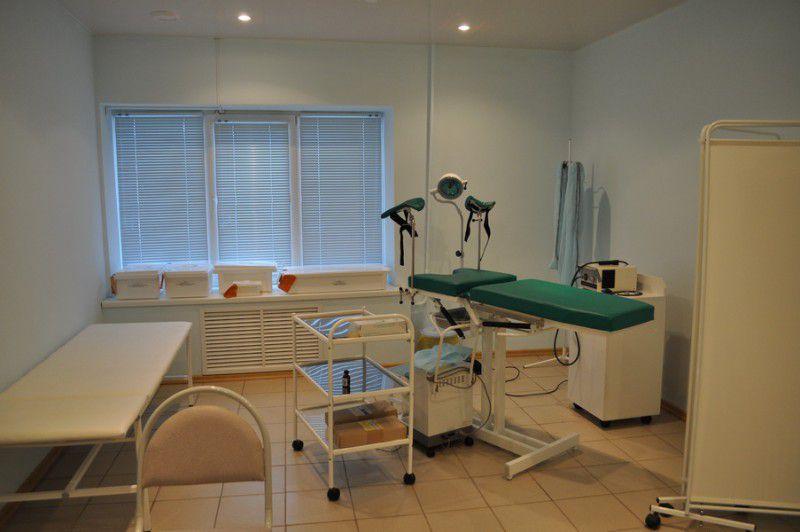
Proctologist's office
How is the appointment going?
During the initial appointment, the doctor collects a complete history of the patient, data on the diet, lifestyle. This information can be useful when drawing up a treatment regimen, since some drugs, used to treat diseases of the rectum are incompatible with alcoholic beverages and require restriction in smoking. After talking with the patient, the doctor conducts a visual examination and palpation of the pararectal zone and rectal space.

Bimanual digital rectal examination
To do this, you need to undress and take a position that is comfortable for the procedure. The examination itself takes no more than 5-7 minutes and usually does not cause painful sensations if carried out by an experienced specialist. Based on the results of a rectal examination, the doctor will draw conclusions about the condition of the mucous membranes of the anus, the presence of tumors, polyps and cysts, signs of ulcerative and erosive defects, possible formation of fistulous moves. If an examination is assigned to a patient to diagnose hemorrhoids, the doctor will be able to assess the presence of inflamed hemorrhoids, their size, number and degree of reduction. If this cannot be done manually, the patient may require surgical treatment.
Examination pose
The classic posture for rectal palpation is the knee-elbow position. A special tissue with a hole is thrown over the patient's buttocks, through which the doctor gains access to the investigated area. In some clinics, disposable cotton panties are used for this purpose.

Knee-elbow examination position
Despite the convenience of the knee-elbow position for the doctor, many institutions refuse it, since most of the patients experience serious psychological discomfort. In this case, the examination can be carried out on the couch, but not all rooms are equipped with special devices that allow the necessary procedures in this position, so if the doctor insists on the position of "kneeling with support on the elbows or shoulders", do not refuse costs. The patient should remember that the quality of the view directly affects the accuracy and effectiveness of the diagnosis.

The proctologist discusses the examination results with the patient
How are women examined?
If a consultation and examination by a proctologist is assigned to a woman, the procedure is most often carried out in a chair resembling a gynecological one. In this case, the patient can be both in a supine position with legs apart and a raised pelvis, and in a knee-elbow position with arms extended forward. If the woman is pregnant and is over 20 weeks of gestation, the examination is done on the couch.

Proctologist examines a woman
Do I need to prepare for the inspection?
If the patient is sent for examination for the first time, special preparation is not required, but certain recommendations must be adhered to. A day before visiting a doctor, you must give up fried and spicy foods, pickled and canned vegetables, sweets, and alcohol. From the diet, you should also exclude foods containing a large amount of purines, as well as dishes that cause the processes of decay and fermentation. They contribute to increased education and flatulence: these conditions can not only cause incorrect diagnosis, but also flatulence (involuntary discharge of gases) during palpation.

Purine foods
It is these situations that most often cause patients to refuse to visit the proctologist again, therefore, the day before the appointment, you should stop using the following products:
- nuts and peanuts;
- legumes (peas, lentils, chickpeas);
- carbonated drinks and drinks, which include hops, malt and yeast (kvass, beer);
- all types of cabbage;
- raw vegetables and fruits (it is allowed to use them boiled or baked);
- sugar;
- kefir;
- fresh bread and pastries.
Advice! In the evening before the examination, you can take a medicine from the group of carminative agents based on simethicone, for example, Espumisan or Sub-Simplex. Simethicone destroys gas bubbles and prevents the formation of new gas compounds, facilitating palpation of the rectum and the psychological state of the patient during the procedure.

"Espumisan"
Do I need to do an enema?
Most often, an enema is not required before the initial examination by a proctologist, but patients with chronic constipation it is recommended to cleanse the intestines on the eve of the appointment, after which do not eat (if the appointment is scheduled for morning). If the patient has an evening examination, an enema can be done in the morning. You can use ready-made microclysters "Microlax" for these purposes. One tube contains one adult dose. The effect after use occurs within 5-15 minutes.

Micro enema "Microlax"
Table. Other drugs from the group of laxatives.
| Name of the medicine | Release form | Dosage |
|---|---|---|
 "Duphalac" |
Syrup | Up to 45 ml at a time |
 "Portalak" |
Syrup | Up to 30-45 ml at a time |
 "Lactulose" |
Syrup and suspension | 30-45 ml per serving |
 "Good luck" |
Syrup and tablets | 1 tablet or 15-30 ml of syrup |

Cleansing enema
How to deal with anxiety?
If the patient is experiencing severe stress associated with the upcoming examination by a proctologist, the use of sedatives is indicated. It is better to choose herbal preparations with a minimum list of side effects. Lozenges "Tenoten" have a good soothing effect. It is recommended to use them within a week before taking them, as they have a cumulative effect. The dose for adults is 1-2 tablets, you need to take the drug 3 times a day.

"Tenoten"
In the absence of contraindications to combat increased anxiety and excitement, you can use tinctures of motherwort, hawthorn, valerian, hop cones. They need to be diluted in accordance with the instructions and taken in the evening before taking and 4 hours before the examination.

Hawthorn tincture
An appointment with a proctologist is not a very pleasant, but in some cases a vital procedure. Without a full rectal examination and examination, the doctor will not be able to make an accurate diagnosis and detect severe pathologies at an early stage. Patients who need to be examined by this specialist should remember that untreated rectal diseases increase the likelihood of colorectal cancer by 45%.