Heart ischemia: what is it, causes, symptoms, methods of diagnosis and treatment

Content:
- What it is
- Symptoms and Diagnosis
- CHD treatment
Heart ischemia (coronary heart disease, IHD), code according to the international classification of the tenth revision of the ICD 10 I20 - I25, is a violation of the blood supply to the myocardium due to damage to the vessels feeding it.
As noted by Russian scientists, this pathology becomes the cause of death of 50% of men at a young age. The prevalence of such a disease in women increases during menopause, about 65% of the fairer sex suffer from it.
It is known from the course of biology that the activity of any cell in our body is impossible without the supply of oxygen. The same applies to myofibrils - the main structural components of the heart muscle.
Delivery of nutrients with the blood, which ensures constant contractions of the myocardium, is carried out through the right and left coronary arteries starting from the aorta.
Accordingly, the narrowing of the lumen of these vessels leads to insufficient supply of heart muscle cells with oxygen, and as a consequence, a violation of their contractile activity. In other words, coronary blood flow is unable to meet the nutritional requirements of the myocardium.
The main etiological factors of cardiac ischemia are:
- Atherosclerosis of the coronary arteries. With a change in protein and fat metabolism, the amount of low-density lipoproteins, which are the main carrier of cholesterol, increases. As a result of these processes, blood flow slows down, the vessel wall loosens, and lipids begin to accumulate there. Then fats are "overgrown" with connective tissue fibers. An atherosclerotic plaque forms, which blocks the lumen of the coronary artery. The detection of such deposits occurs in 95% of cases in patients suffering from cardiac ischemia.
- Spasm of the coronary arteries usually develops against the background of atherosclerosis, since this ailment affects their innervation. This causes hypersensitivity to various environmental factors. The clinical symptoms of cardiac ischemia are caused by a "vicious circle": atherosclerosis leads to vasospasm, which, in turn, aggravates the course of this disease. When the narrowing of the lumen of the arteries reaches 75%, signs of angina pectoris appear.
The development of atherosclerosis and the consequences of this disease, heart ischemia, is associated with the following factors:
- smoking;
- diabetes;
- improper diet, and as a result, obesity;
- low physical activity, sedentary lifestyle;
- hereditary predisposition;
- disorders of lipid or carbohydrate metabolism;
- constant emotional stress;
- heart defects, congenital or acquired;
- high blood pressure.
In some cases, acute ischemia of the heart develops in newborns due to intrauterine pathologies of the cardiovascular system or hypoxia during childbirth. The result of persistent oxygen starvation of the myocardium is chronic heart failure. This syndrome is very dangerous, as it is the leading cause of death in old age.
Non-surgical treatment of cardiac ischemia is possible in the initial stages of the disease. Therefore, when malaise appears, it is necessary to make an appointment with a cardiologist, pathology is usually recognized by ECG results. At this stage, therapy is possible at home. In addition to drugs in the form of tablets or injections and folk remedies, physical exercises developed by experts in exercise therapy are effective.
Ischemic heart disease: what is it, classification
 For a long time, angina pectoris was considered the only criterion to determine what ischemia of the heart is. However, after research carried out by specialists from the World Health Organization and discussion of their results on forums on cardiology, a more complete classification was proposed this ailment.
It includes the following states:
- Sudden coronary death or primary circulatory arrest. It is characterized by loss of consciousness and cardiac arrest within an hour after the onset of tachycardia, which turns into ventricular fibrillation.
- Angina pectoris (stable, spontaneous, unstable). Stable angina is characterized by the onset of symptoms in response to stress or exercise. Depending on the severity of clinical signs, four classes of such pathology are distinguished. Spontaneous angina pectoris is characterized by the sudden onset of attacks at rest or against the background of habitual physical exertion. Unstable angina pectoris is very dangerous, as it is a harbinger of an acute heart attack. Also, doctors note that the prognosis of such a syndrome is more unfavorable for men.
- Painless ischemia of the heart. What it is? This form of the disease is characterized by signs of oxygen starvation of myocardial tissues, which are noticeable only after diagnostic tests. However, there are no external symptoms (pain, chest tightness). The mechanism of development of this form of myocardial ischemia is not fully understood. But it was found that this is not related to the degree of coronary artery disease atherosclerosis. Perhaps this pathology is due to a decrease in the sensitivity of pain receptors of cells to certain mediators released in response to a decrease in the level of myocardial supply of oxygen and nutrients substances.
- Myocardial infarction (large-focal and small-focal) develops with a sudden cessation of blood circulation in the tissues heart muscle as a result of blockage of the coronary arteries by a thrombus or a fragment of atherosclerotic plaques. The prognosis depends on how quickly doctors provide emergency care.
- Postinfarction cardiosclerosis. As a result of oxygen starvation, the functional capacity of myocardial cells is not restored. Local changes begin, due to the replacement of the dead muscle tissue with connective tissue. To one degree or another, these pathological processes also affect the conducting system of the heart, this is manifested by a violation of its contractile activity. Breathing exercises will help the patient to compensate for the symptoms of insufficiency.
Particular attention should be paid to the question of what is ischemia of the heart in children, and for what reasons it occurs. A child of school and adolescence may show signs of atherosclerosis of the coronary arteries, often due to diabetes mellitus. However, the clinical symptoms of coronary artery disease appear much later.
In newborns, acute oxygen starvation of the heart and brain usually develops against the background of intrauterine hypoxia due to complicated pregnancy or asphyxia during childbirth. Such a condition is considered to be life-threatening for the child; after the resuscitation measures carried out, long-term rehabilitation is required.
IHD: symptoms and diagnosis
The clinical picture of coronary heart disease is due to its form. So, the painless type, which is diagnosed in about a third of patients, may not appear in any way for decades. In other cases, the symptoms of ischemic heart disease are wavy in nature, when periods of "calm" alternate with exacerbations.
Common signs of cardiac ischemia are:
- dizziness;
- weakness;
- malaise;
- feeling of increased heartbeat;
- dyspnea;
- heavy sweating;
- against the background of the development of heart failure, edema appears in the ankle joint and ankles.
More about the disease
- Symptoms
- Cerebral ischemia
- Diffuse myocardial changes
An attack of angina pectoris is characterized by the following symptoms:
- a feeling of squeezing or discomfort behind the sternum, which develops into severe pain;
- tachycardia;
- fluctuations in blood pressure;
- dyspnea.
As a rule, an attack of angina pectoris occurs against the background of physical exertion, psychoemotional stress and disappears at rest or after taking a Nitroglycerin tablet.
Signs of myocardial infarction are:
- sharp or growing pain in the region of the heart, it usually radiates to the left arm, scapula, lower jaw. A person reflexively presses his hand to his chest, sits down, or takes a bent position;
- severe shortness of breath, a feeling of lack of oxygen up to choking;
- hypotension.
Important
Unlike other symptoms of coronary heart disease, pain in myocardial infarction is not relieved by a Nitroglycerin tablet.
Early diagnosis is essential to prevent complications and prevent disability from chronic heart failure. Usually, when visiting a cardiologist, they give a referral for an electrocardiogram. But to get a complete picture of the patient's condition, one such study is not enough.
It is necessary to carry out a complex of diagnostic procedures, which includes:
- Load tests (treadmill test and bicycle ergometry), their main purpose is to provoke myocardial ischemia using dosed physical activity and register changes on the ECG.
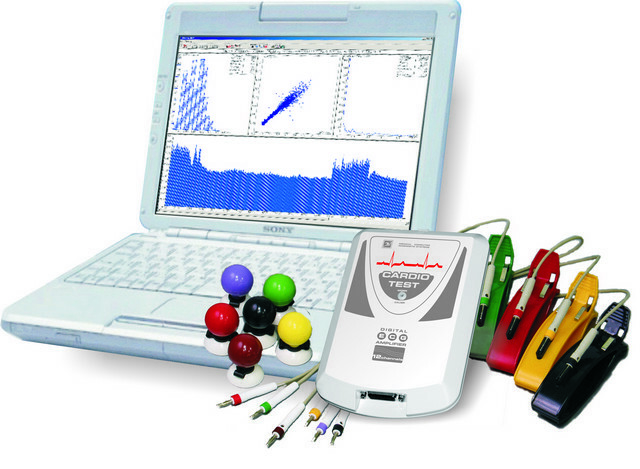
- Holter ECG monitoring consists in taking readings during the day. But at present, this method is not considered as the main method for diagnosing coronary heart disease. It is used for atypical symptoms of coronary artery disease or when it is impossible to perform other studies.
- Stress EchoCG. This procedure is similar to stress tests. However, in addition to the ECG, the doctor assesses the violations of local contractility of the heart on ultrasound, the condition of the valves, the size of the ventricles and atria. Ultrasound observation makes it possible to detect ischemia even before the onset of clinical manifestations. And carrying out such an ultrasound examination of an organ while simulating real physical activity increases the information content of this diagnostic method.
- Coronary angiography is the "gold standard" for detecting coronary heart disease. It is done in this way: a flexible catheter is inserted through the femoral or brachial artery, when it reaches the coronary vessels, a radiopaque substance with iodine is supplied. Its movement along the vessels is monitored using tomography.
The risk of complications during coronary angiography is low:
CHD treatment: medication, physiotherapy, non-traditional methods and surgery
The tactics of treating a patient with coronary heart disease is developed taking into account the data of stress - ECG, coronary angiography or scintigraphy and other modern methods of diagnosis. Moreover, the complex treatment of ischemic heart disease, proceeding both in painless and in another form, does not differ.
Prescribe drugs of the following groups:
- Nitrates (Cardiket, Nitrosorbid, Pectrol, Nitroglycerine). Their action is based on the effect on hemodynamic parameters: a decrease in the load on the left ventricle, a decrease in the vascular resistance of the coronary arteries, and the elimination of high blood pressure. Medicines of this group are effective for the prevention and relief of angina attacks. But they are not suitable for long-term use due to the development of tolerance and numerous side effects (headache, dizziness, increased contraction of the heart muscle).
- Beta-blockers (Atenolol, Labetalol, Concor, Anaprilin) are the main drugs for the treatment of coronary artery disease. Under their influence, myocardial oxygen demand decreases, which reduces the duration of asymptomatic ischemic attacks. In addition, drugs in this group normalize blood pressure, which is important with concomitant hypertension, and are compatible with nitrates.
- Calcium antagonists (Verapamil, Nifedipine, Altiazem RR). It has been proven that calcium ions play a key role in vascular contraction, and as a result, hypertension and ischemia. Therefore, their use in the treatment of coronary artery disease is somewhat limited. They are indicated only with high blood pressure, frequent attacks of unstable angina pectoris.
- Statins (Atorvastatin, Lovastatin, Fluvastatin). Medicines in this group are designed to reduce the concentration of low density lipoproteins and, if not cure, then at least stop the progression of atherosclerosis and its complications: transient ischemic attack due to impairment blood flow.
 In parallel with drug therapy, instrumental methods of treatment (physiotherapy) are also shown. They increase the effectiveness of drugs, improve metabolism, relieve tension in the thoracic region, and eliminate shortness of breath. Prescribe magnetotherapy, balneotherapy. The effect of electrical impulses (electrophoresis, electrosleep) has also proven itself well. With the ineffectiveness of drug treatment of coronary artery disease, surgery is indicated.
There are such methods of surgical intervention:
- Stenting (balloon angioplasty) is performed under local anesthesia through the femoral artery. Using a catheter, a stent is inserted into the atherosclerosis-affected area of the coronary vessel of the artery and expanded.
- Coronary artery bypass grafting indicated for subepicardial coronary artery disease. The operation is performed on an open heart. Roughly speaking, it consists in the installation of a shunt, which ensures normal blood flow in the muscle tissue "bypassing" the narrowed artery.
- Laser revascularization. Several dozen holes are made in the myocardium to ensure its blood supply directly from the left ventricle.
To restore myocardial function in the early stages of the disease and prevent transient ischemia in the later stages, a combination of medications with traditional medicine recipes will help. We recommend decoctions and infusions of flowers and fruits of hawthorn, motherwort leaves, a mixture of honey with horseradish. The infusion of dried apricots, rose hips, hawthorn, St. John's wort and nettle on red wine also helps well (take 2 dessert spoons before meals).
Myocardial ischemia primarily involves a strict diet. Animal fats (lard, butter, dairy and fermented milk products with high fat content), pork, smoked and fried products must be excluded from the diet. It is also necessary to give up flour, sugar. The best option is fractional meals, replacing black tea and coffee with natural juices, compotes, fruit drinks.
Partial use of site materials (no more than 30% of the content of the article) is allowed only with a hyperlink on www.med88.ru, full use of the article (more than 30% of the article content) is possible only with written permission edition.