Atherosclerosis of the vessels of the lower extremities: symptoms and treatment
Heart attack, stroke, gangrene - this is just a small list of the consequences to which atherosclerosis of the vessels of the lower extremities can lead. The symptoms and treatment of this disease, however, are well understood.
Consider the measures that each person needs for the timely diagnosis of violations of effective treatment and, importantly, for the prevention of the development of the disease.
The main risks associated with a disease such as atherosclerosis are associated with the fact that severe symptoms of this disorder, as a rule, are noted in no more than 10% of patients. In other cases, rather nonspecific symptoms are diagnosed, which, nevertheless, can be detected in a timely manner. This is what will allow you to avoid risks in the form of complications threatening life and health.
Among the most common symptoms of atherosclerosis relate:
- Increased fatigue of the leg muscles, a decrease in their endurance and performance;
- Disorders of the heart;
- Visible swelling of the legs, celebrated in the late afternoon.
As we have already noted, in most cases, these symptoms are most often left unattended, not only at the initial stages of development, but also much later. They are usually attributed to age, increased workload, etc. However, all this, combined with a sedentary life, bad habits, can lead to the fact that the disease will go to later, more difficult to correct stages.
Content
- What is this disease?
- Causes of atherosclerosis of the vessels of the lower extremities
- Stages of atherosclerosis of the vessels of the lower extremities
- Symptoms of atherosclerosis of the vessels of the lower extremities
- Diagnosis of the disease
- Atherosclerosis treatment
- Medical treatment of atherosclerosis
- Surgical treatment of atherosclerosis
- Diet for atherosclerosis
- Prevention of atherosclerosis
- Related Videos
What is this disease?
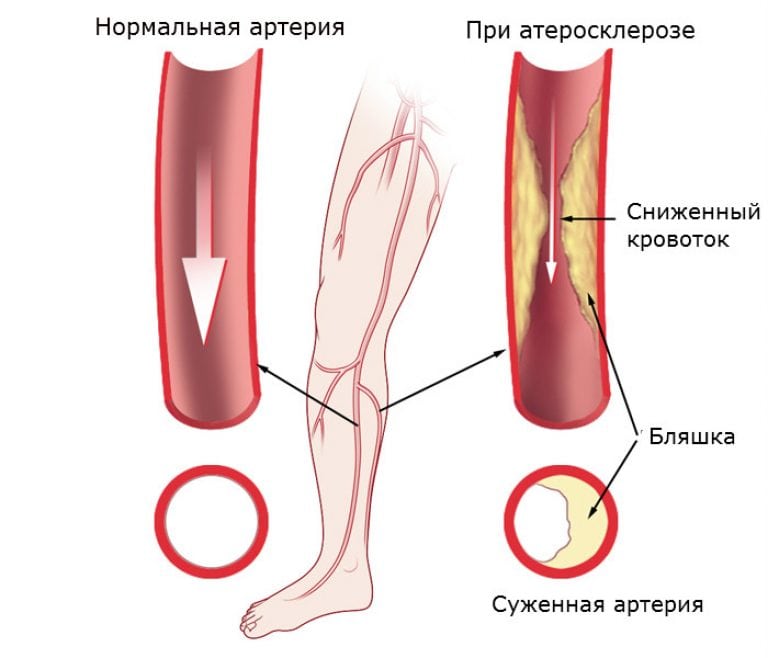
Lower limb atherosclerosis is a disease in which on the inner walls of the blood vessels of the legs are formed atherosclerotic plaques, or blood clots that first partially and then completely overlap blood flow. This, in turn, blocks the access of blood to the tissues and does not allow them to receive oxygen and nutrients. The most advanced stages of atherosclerosis can result in trophic ulcersas well as gangrene.
For the treatment of atherosclerosis, you must seek help from a phlebologist. Taking into account the age of his patient, as well as the specific features of his disease, the presence or absence of complications, he can decide on the strategy for the upcoming treatment.
Considering the clinical picture of obliterating atherosclerosis of the vessels of the lower extremities, we note that it is characterized by a gradual narrowing of the lumen of the arteries as the size of the atherosclerotic plaques. At the initial stages of this disorder, drug treatment is permissible, but at later stages, when the vessel turns out to be almost completely blocked, the surgeon may suggest resorting to surgical treatment.
Causes of atherosclerosis of the vessels of the lower extremities
The most common causes of atherosclerosis include:
- Improper nutrition; an abundance of fatty foods in the diet;
- Bad habits (including secondhand smoke);
- Inactive lifestyle.
Also, the following can act as risk factors:
- Obesity;
- Hypertension;
- High susceptibility to stress;
- Diseases of the heart and blood vessels (arteries and veins);
- Dilation of the superficial veins of the lower extremities (varicose veins of the lower extremities);
- Diabetes.
Read also:How to lower blood pressure at home, 7 quick effective ways + recipes of traditional medicine for hypertension
Stages of atherosclerosis of the vessels of the lower extremities
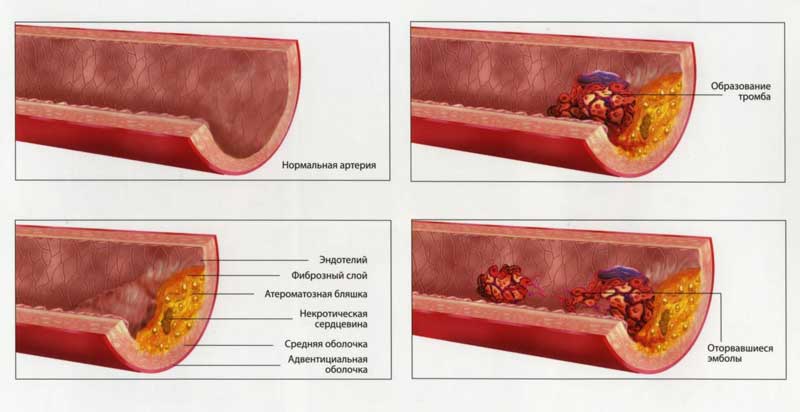
Inattention to the symptoms and causes of the disease, as well as the lack of proper treatment, can lead to the fact that the disease will progress to more severe stages, characterized by more complex symptoms.
- Stage I - during this period, the symptoms of atherosclerosis are almost invisible. Physical activity, of course, can provoke the appearance of pain or discomfort, but this is most often taken for granted and is left unattended in most cases.
- Stage II - pain can be provoked even by minor physical activity, such as short walking, etc. Over time, the distance causing visible discomfort is reduced to 250 meters.
- Stage III - even small in intensity and short-term physical activity causes pain and discomfort in a person. It is at this stage that symptoms begin to appear, forcing a person to seek help from a qualified specialist.
- Stage IV - during this period, the symptoms of the disease are most severe. Due to a violation of blood supply and oxygen starvation, trophic ulcers can form on the legs; the skin takes on a darker shade, which is a sign of tissue necrosis (that is, necrosis). Lack of proper treatment can lead to gangrene over time.
Despite the differences that exist between the stages of the disease, their common feature is unpleasant, or painful sensations that arise during physical exertion. Their duration, as well as the intensity, can vary, however, this is a very serious reason to pay attention to your health condition and even seek help from a doctor.
It is easy to understand that the earlier a person notices the symptoms of the disease and the earlier he turns to a specialist for help, the easier and more effective the treatment will be. It will minimize the risk of complications, as well as stop pathological changes in the tissues.
Let's consider the symptoms of the disease in more detail
Symptoms of atherosclerosis of the vessels of the lower extremities
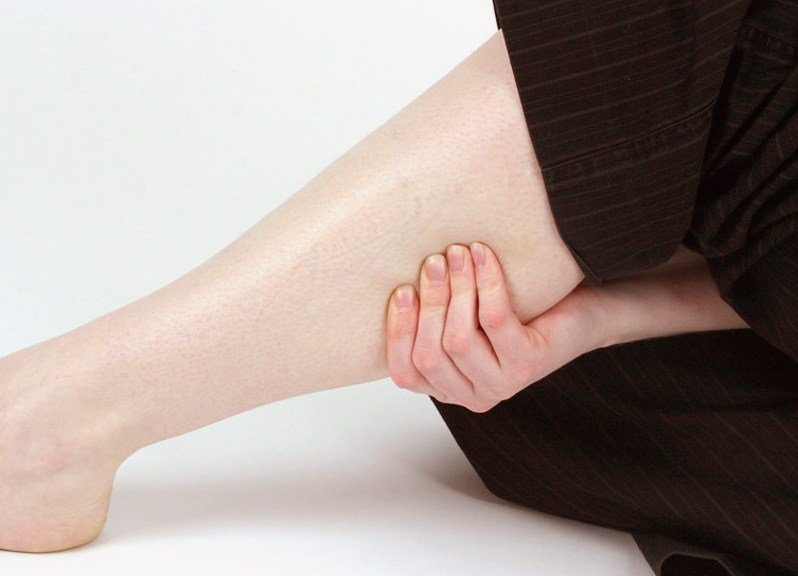
Despite the fact that in the early stages the disease may practically not bother a person, as cholesterol plaques grow on the walls of blood vessels, the symptoms become more and more noticeable. The person's condition is deteriorating.
The main symptoms of atherosclerosis of the vessels of the lower extremities include:
- Pain in the muscles of the legs, which may worsen after physical exertion;
- Feeling of heaviness in the legs;
- Numbness of the feet;
- Change in skin tone of the legs (from pallor to cyanosis);
- Feeling of coldness inside the legs;
- Pulses in the popliteal fossa and ankles are often not palpable;
- Forming trophic formations in the area of the lower leg and feet, at the site of the damaged vessel;
- Darkening of the skin of the toes and feet (which is especially noticeable in the photo and video below).
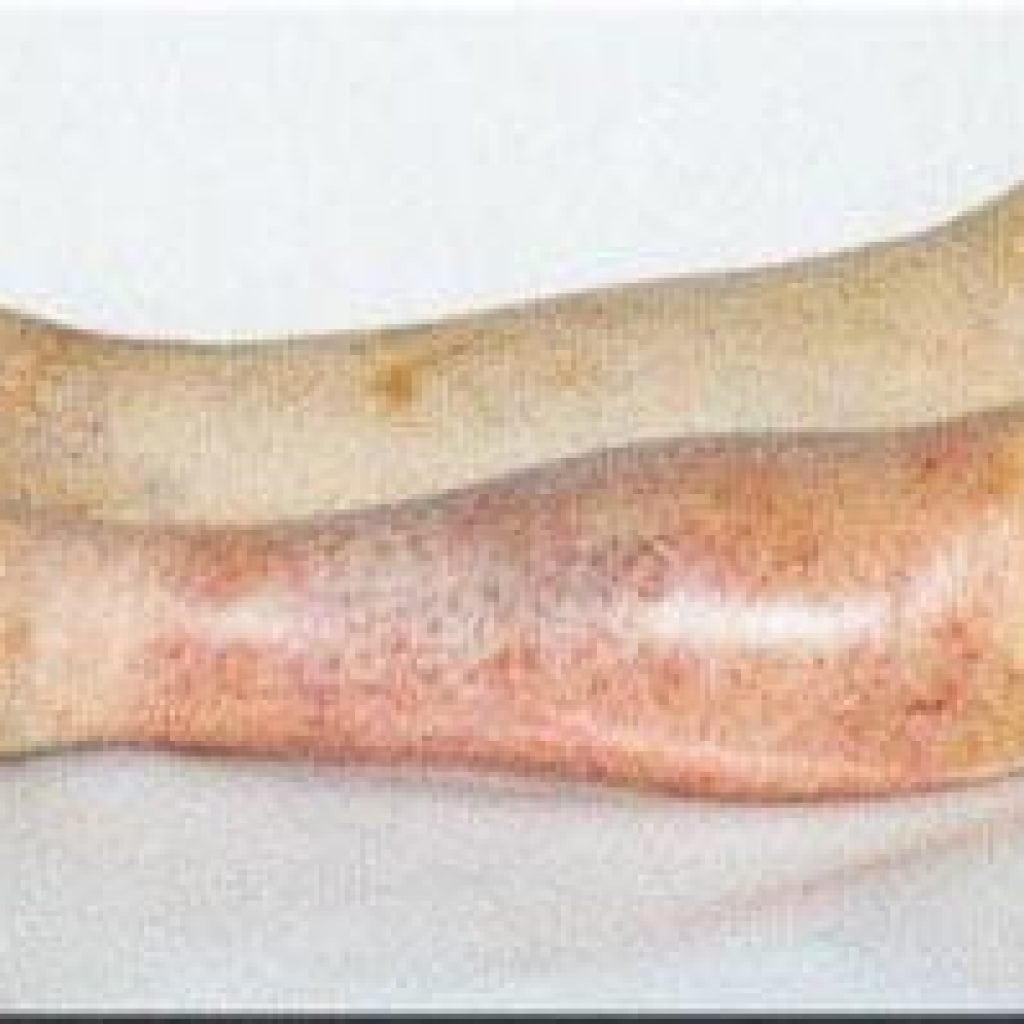
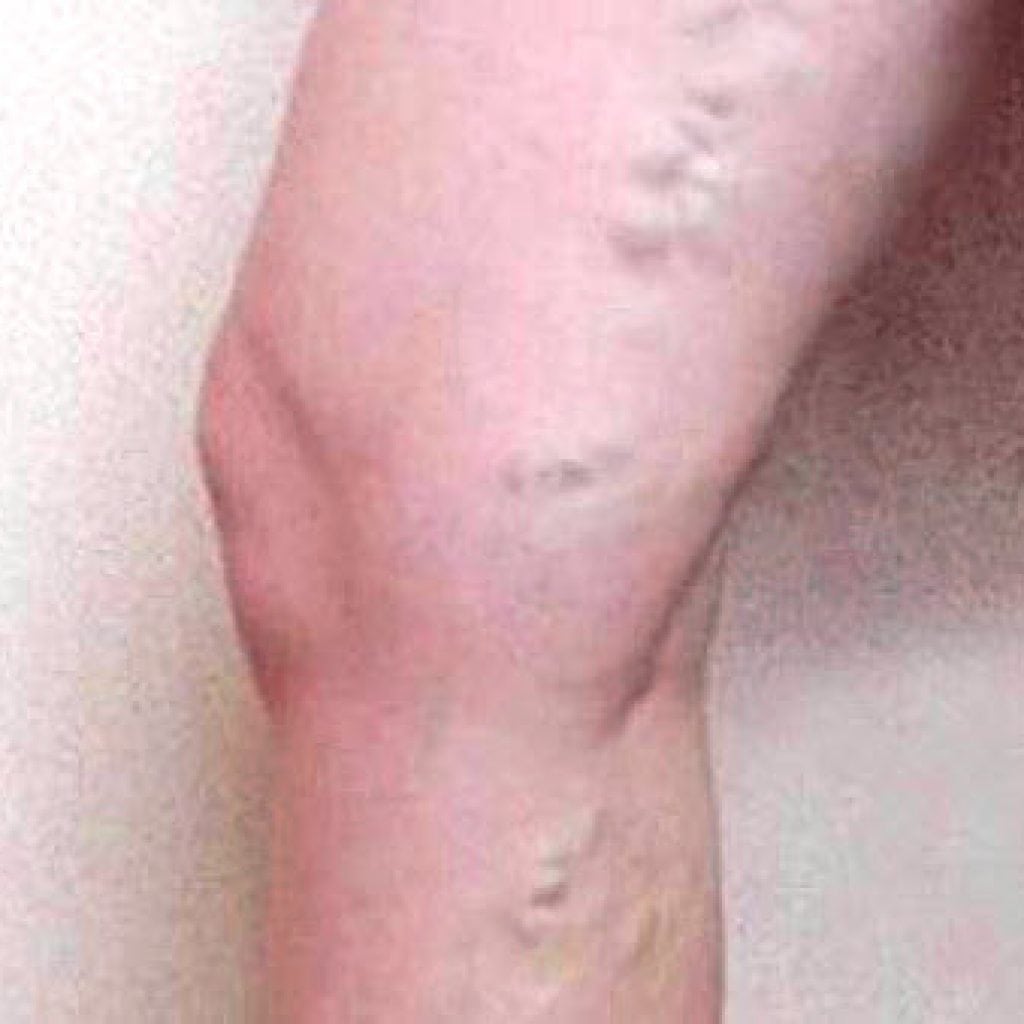
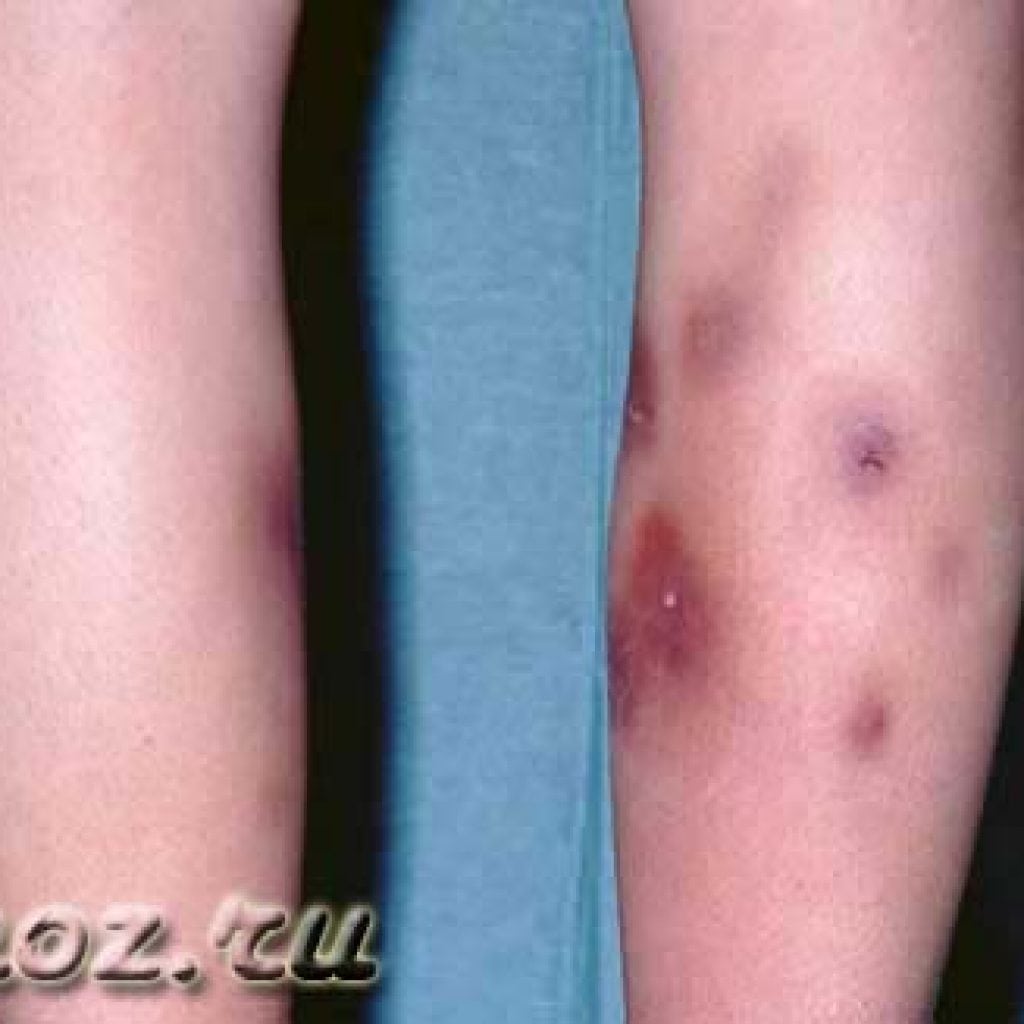
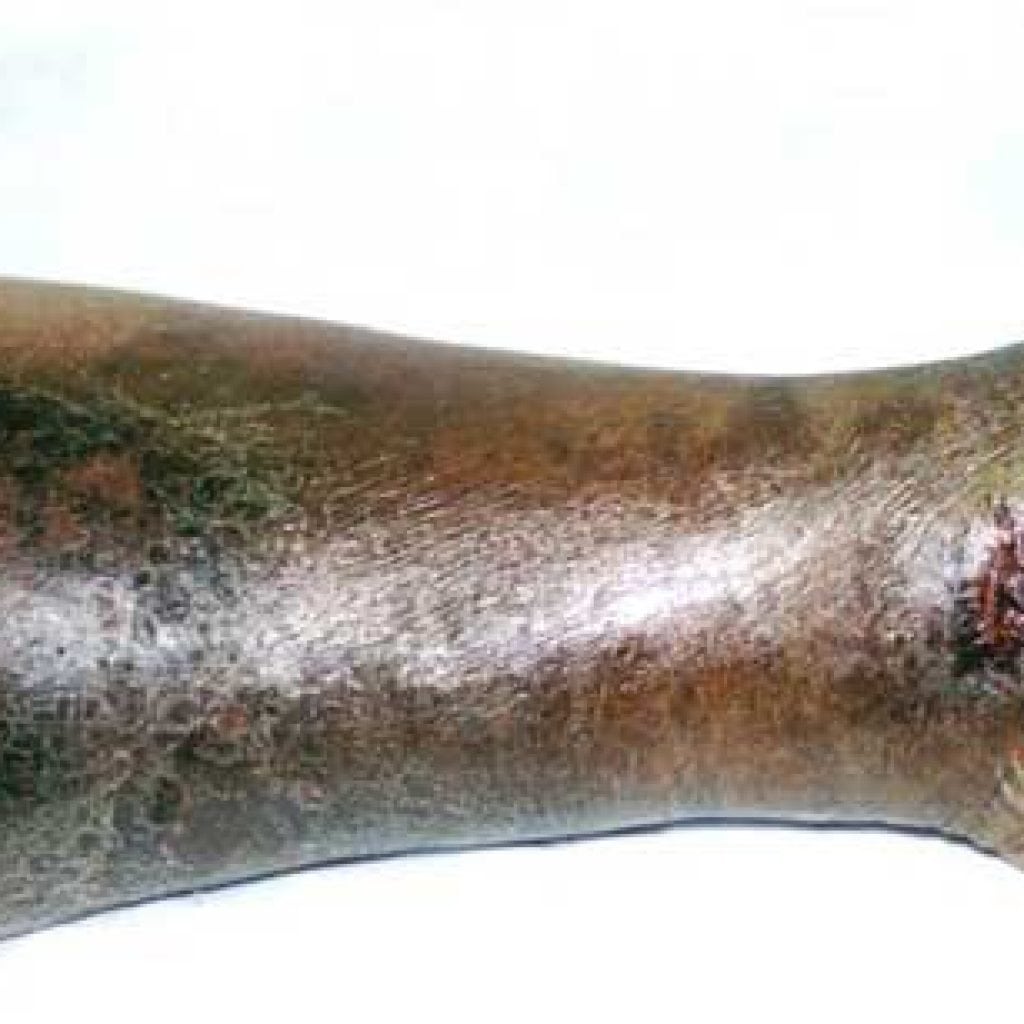
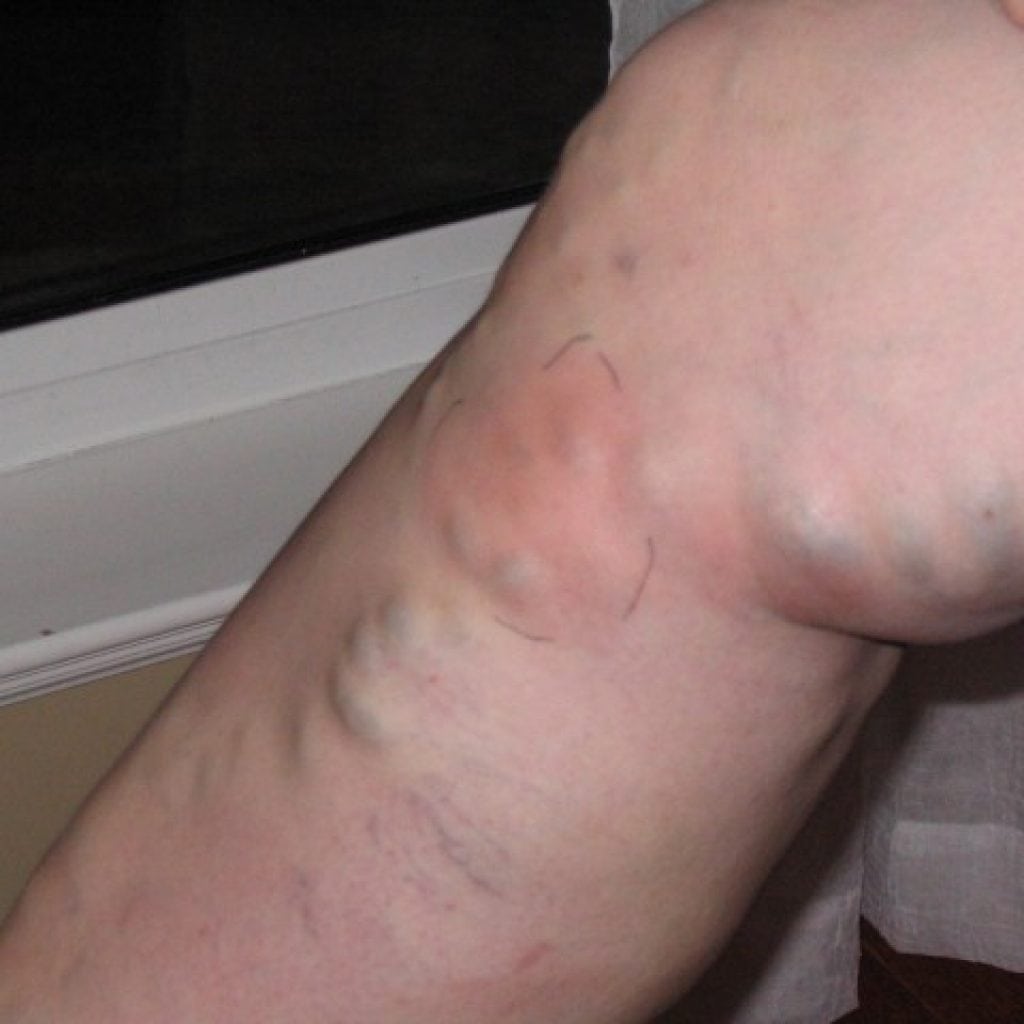
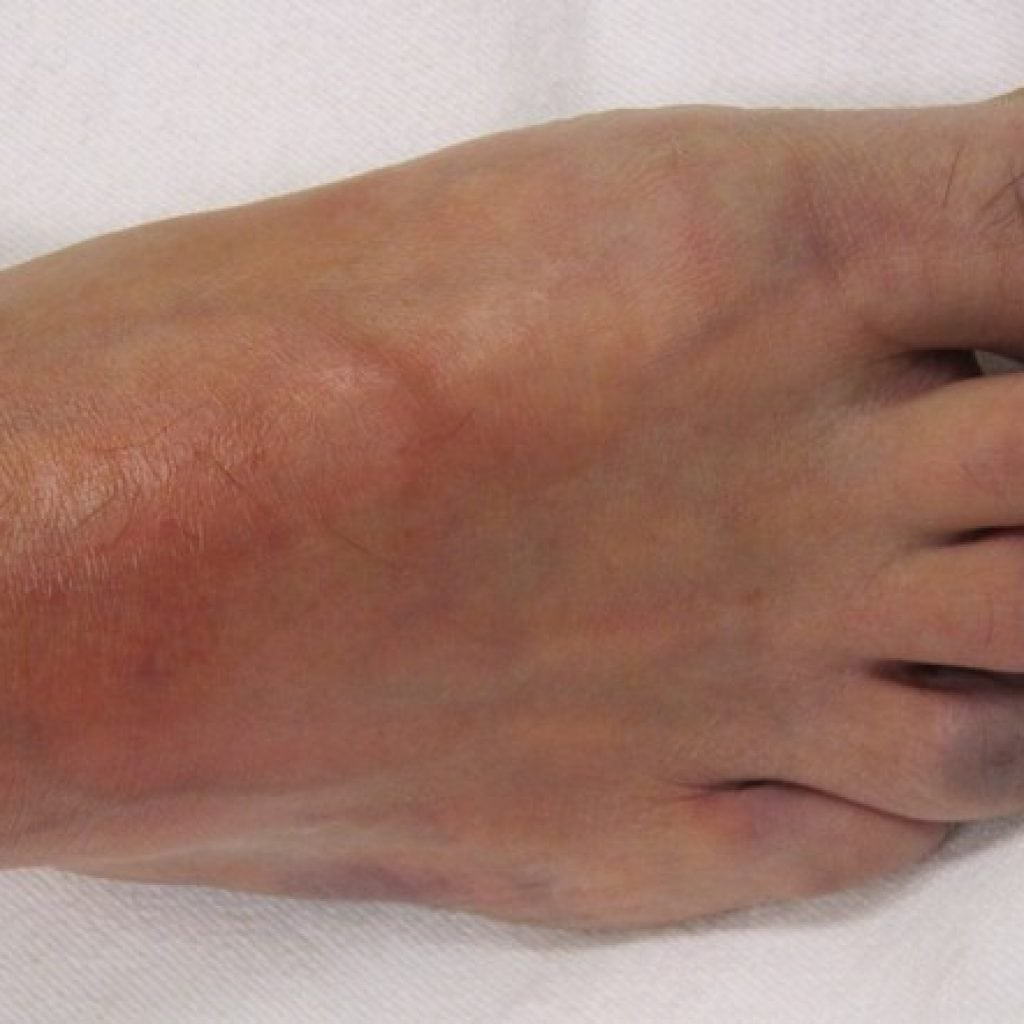
Oxygen starvation, which is quite common in atherosclerosis, can also negatively affect heart function. Patients often have arrhythmia, decreased overall endurance and performance, difficulty breathing. Also, against the background of atherosclerosis, patients often lose weight, they have problems with the skin and nails.
Read also:Heart murmur
Diagnosis of the disease
Timely detection of the disease significantly increases the chances of achieving good results - stopping progress, preventing the development of complications. Of course, identifying the root cause of the disease plays an important role in this matter; but, no less important are the collection of anamnesis, the appointment and conduct of the required laboratory and instrumental studies. These include:
- MR angiography.
- Determination of the pressure of the ankle-brachial index.
- MSCT angiography.
- Listening to the pulsation of the arteries of the extremities.
- Duplex scanning of blood vessels.
- CT angiography of blood vessels.
- Laboratory tests (urine, blood)
Atherosclerosis treatment
We have already considered the consequences to which atherosclerosis of the vessels of the lower extremities can lead. The symptoms and treatment of the disease are as follows.
The treatment strategy for atherosclerosis depends on a number of factors. In particular, the age of the patient and the peculiarities of his state of health are of importance. The stage of the disease also plays an important role. So, if in the early stages of the disease conservative treatment is acceptable - taking medications, adherence special diet, complete rejection of bad habits, etc., more advanced stages require slightly different measures. And if necessary, the doctor can prescribe surgical treatment of atherosclerosis. As a rule, these measures are quite effective and the observance of the necessary measures during the rehabilitation period can bring the necessary results.
As an auxiliary therapy, the doctor can also prescribe physiotherapy exercises, as well as folk medicine that cannot be applied by itself, but is able to qualitatively improve the dynamics treatment.
Let us consider in more detail each type of treatment for atherosclerosis of the vessels of the lower extremities.
Medical treatment of atherosclerosis
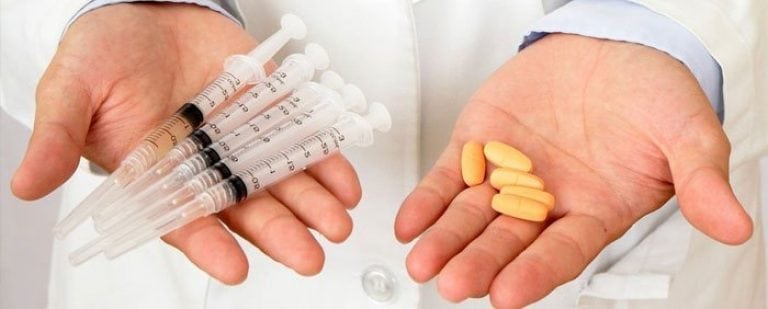
A key feature of the drug treatment of atherosclerosis is the use of special drugs, which improve blood circulation, reduce the risk of complications, and ease the course disease. In most cases, the attending physician will prescribe the following medications:
- Antiplatelet drugs, blood thinners and preventing the formation of blood clots inside the blood vessels. They can also be used to prevent vein thrombosis of the lower extremities, myocardial infarction. These include Aspirin 325 mg, Aspecard, Cardiomagnyl, Reopolyglucin.
- Vasodilators not only improve blood flow inside the blood vessels, but also have an analgesic effect, and also have a beneficial effect on the patient's physical activity. it Agapurin, Vasonite, Pentoxifylline, Trenal.
- Anticoagulants regulate blood clotting and do not prevent blood clots. This group of drugs includes Warfarin and Heparin.
- Antispasmodics reduce pain that occurs during exercise due to the ability to eliminate vascular spasms. These drugs are Drotaverin and No-shpa.
- Vitamin and mineral complexes provide the body with comprehensive support, supplying its tissues with all the substances it needs.
- For external treatment, drugs Delaskin, Levomekol, Troxevasit, Oflokain can also be used. The use of these medicines serves as a prophylactic agent against the appearance of trophic ulcers on the legs.
Read also:Heart failure: causes, symptoms, treatment and prevention
Of course, the listed funds are far from the only acceptable for the treatment of atherosclerosis. And, if necessary, the doctor can significantly expand this list by supplementing it with other drugs, depending on the nature and severity of the disease. Each of these drugs also has a number of contraindications and side effects. That is why the reception of each of them can be carried out exclusively under the supervision of a doctor. The dose of the drug should also be determined strictly individually.
Medical treatment of atherosclerosis can be carried out both outpatiently and inpatiently. As supportive therapy, the patient can be assigned physiotherapeutic procedures, which include electrophoresis with novocaine, darsonvalization and, in addition, physiotherapy exercises.
Surgical treatment of atherosclerosis
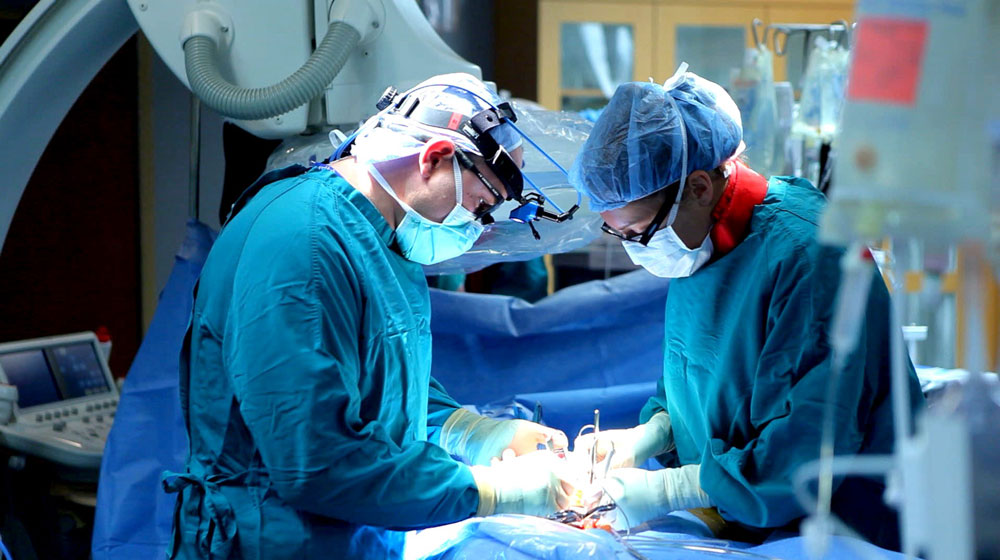
Surgical treatment is prescribed in cases where drug treatment does not bring the expected results and there is no improvement in the patient's health. And also in cases where the disease progresses to a more severe stage.
There are several methods of surgical intervention:
- Balloon angioplasty - in this case, a special balloon is inserted into the vessel cavity, expanding its internal cavity.
- Bypass surgery is an operation in which an additional path is created near the damaged vessel to ensure normal blood flow.
- Endarterectomy is the removal of a diseased portion of a blood vessel along with a risk of atherosclerotic plaque.
- Arterial stenting - stopping the process of narrowing a vessel by introducing a special tubular spacer into its internal cavity.
- Prosthetics is the replacement of a diseased blood vessel.
- If the course of the disease is complicated by the development of gangrene, the doctor may resort to amputation of dead tissue with the installation of a prosthesis.
The nature of the surgery depends on how severe the damage to the blood vessel is. In most cases, after surgery, patients expect a favorable prognosis, but some risks nevertheless exist.
In order to minimize the development of postoperative complications, as well as to prevent return of the disease, the patient must strictly follow the doctor's prescriptions that are relevant for the period rehabilitation.
Diet for atherosclerosis
Observing a diet for atherosclerosis is necessary in order to lower blood cholesterol levels. The basic rules of the diet include:
- Exclusion from the diet of fatty foods containing a large amount of preservatives, carcinogens, etc.
- Limiting fried, salty, pickled foods.
- Inclusion in the diet of foods containing omega-3 acids. This substance breaks down cholesterol and increases the elasticity of blood vessels.
- Avoiding alcohol and strong coffee.
Among the foods most useful for atherosclerosis are fruits, vegetables, fish and seafood, lean meat, nuts, cereals, and dairy products.
Prevention of atherosclerosis
- Rejection of bad habits
- Regular physical activity
- Blood pressure control
- Tracking Your Cholesterol Level
- Regular walks in the fresh air