
Abrasions, scratches of the cornea of the eye: causes, symptoms, treatment
Content
- What are abrasions and scrapes on the cornea of the eye?
- Function and structure of the cornea
- Causes and risk factors
- Symptoms and Signs
- Diagnostics
- Complications
- Treatment
What are abrasions and scrapes on the cornea of the eye?
Abrasions and corneal abrasion - these are superficial injuries of the cornea of the eye, a transparent membrane located on the front eye, which closes the iris and pupil, allowing light to pass to internal structures eyes. Accidental contact with dust, sand, wood chips or metal particles can scratch or cut the cornea, damaging it.
When the cornea is damaged, the eye experiences rough pain, redness, burning, watery eyes, photophobia, blurred vision, and headache. Corneal abrasions can heal within 24 to 72 hours and rarely progress to ulceration, erosion, or infection.
Initial treatment should be symptomatic and include: removal of foreign bodies, local or oral analgesia non-steroidal anti-inflammatory drugs and the appointment of antibiotics. Corneal abrasions and abrasions can often be avoided by wearing safety glasses when performing activities that injure the eyes.
Function and structure of the cornea
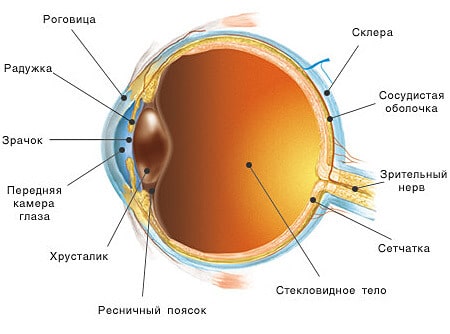
The cornea is an organized group of cells, structurally successive to the sclera (the white part of the eye). This thin membrane performs three important functions of vision: protection, filtration of certain ultraviolet waves and refraction (the cornea responds for 65-75% the ability of the eye to focus light on the retina).
The cornea must be completely transparent to ensure that light travels correctly to the inner structures of the eye. For this reason, it does not vascularize and consumes oxygen and is nourished from the tears (superficial epithelial cells) and from the aqueous humor that fills the anterior chamber (deep cells).
In addition, there are many more free nerve endings, so the cornea is one of the most sensitive parts of the entire eye. All of these aspects are of great importance, as severe damage to the cornea can cause blindness, even if other parts of the eye are completely normal.
Read also:Aniridia
Causes and risk factors
Typically, corneal abrasions are the result of direct trauma.
The most common reasons that the cornea of the eye can get scratched include:
- foreign bodies entering the eye from the upper eyelid (for example, eyelashes, dust, sand or ash);
- getting something bigger in the eyes (example: tree branches, edge of a piece of paper, nail, etc.);
- long wearing contact lenses;
- rough rubbing of the eyes;
- some eye conditions, including trachoma or other infections.
People of all ages can suffer from corneal damage. In some cases, professional activities can increase the risk, as in the case of farmers, carpenters and construction workers. workers exposed to an environment containing airborne particles such as dust, sawdust and sand.
Even materials that are slightly larger can penetrate the eyes and cause deeper trauma: for example, a small piece of metal can hit the human eye when operating a shredder without protective points.
Symptoms and Signs
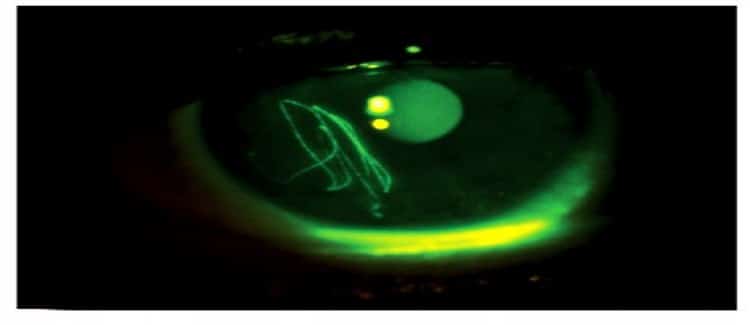
Symptoms vary from person to person, depending on the extent of the injury. Corneal abrasions, unless caused by extensive chemical burns or ultraviolet radiation, usually affect only one eye.
In the event of a scratched cornea, the following symptoms and signs may occur:
- pain that may increase with movement of the extraocular muscles;
- photophobia (photosensitivity);
- headache;
- blepharospasm;
- swelling of the eyelids;
- dilatation of the pupils;
- excessive tearing of the eyes;
- blurred vision or altered vision;
- pain in the eyes when exposed to bright light;
- redness of the sclera;
- feeling like there is something inside the eye. This sensation sometimes develops after a few hours, rather than immediately after the injury.
Diagnostics
In case of suspicion of corneal damage, an ophthalmologist should be consulted for a correct diagnosis. During an eye exam, the doctor will ask the patient a few questions about the daily activities performed, possible causes of injury, symptoms, and the presence of other or existing eye conditions such as glaucoma.
Read also:Myopia
To accurately diagnose the condition, several eye drops containing fluorescein (yellow-orange) are used in combination with cobalt blue filtered light that intensely scratches the cornea (apparently due to the green color it accepts). Anesthetic eye drops are also used to temporarily relieve pain.
Complications
- Complications of corneal abrasion can include scarring, erosion, and corneal ulceration.
- The presence of scars on the cornea can lead to tissue opacity (leukoma, leukoma).
- Injuries caused by plant material (such as pine needles) can cause delayed inflammation of the iris (iritis).
- Corneal infections can spread to other parts of the eye and cause temporary or permanent changes in vision.
- Sometimes the hardened epithelium may not adhere well to the underlying basement membrane, causing periodic corneal erosion.
Treatment
Fortunately, most corneal abrasions heal completely within 24 to 48 hours after injury, so minor injuries do not need treatment. However, the most indicated treatment depends strictly on the cause and severity of the injury; for example, if the damage to the eye was caused by tree branches, the ophthalmologist may prescribe an antibiotic to prevent infection or corneal ulcers; if, instead, the scratches are caused by dust getting in the eyes, it may be sufficient to rinse the eyes with clean water.
Most patients must be reexamined within the next 24 hours, and if the eye injury has not completely resolved, a follow-up visit after 3-4 days will be required. Other causes may take longer to heal or require a more complex therapeutic approach; for example, if the damage is very severe, a corneal transplant may be required, in which the damaged surface is removed and replaced with a new one.
Immediate measures that can be taken in case of minor abrasions on the eye:
- Rinse your eyes with clean water (or use saline solution if available) to remove fine dust or sand particles. You can rinse your eyes by tilting your head back and dripping water into your open eye.
- Artificial tears or lubricating eye drops can relieve temporary discomfort.
Read also:Hyperopic astigmatism
In case of damage to the cornea, it is still recommended to see a doctor immediately. Meanwhile, it is important to avoid certain actions that can aggravate the problem:
- Do not try to remove the itemdeeply penetrated into the eyeball, even if it is large and prevents the eye from closing.
- Do not rub your eyes after injury. Touching or pressing on the eye can worsen corneal damage.
- Don't touch the eyeball cotton swabs, tweezers, or other tools, as such maneuvers can aggravate the injury.
An ophthalmologist can treat a specific eye condition based on a diagnosis:
- Can be assigned antibiotic eye drops or ointments. In some cases, the ophthalmologist may prescribe corticosteroid-based eye drops or non-steroidal anti-inflammatory drugsto reduce inflammation and the risk of scarring.
- Depending on the nature of the injury, it may be recommended vaccination against tetanus, especially if the immunization status has not been updated (for example, if the foreign body is covered with rust).
- Though anesthetic eye drops are administered during a visit to relieve eye pain immediately, these drops are not prescribed for home use as they may interfere with the natural healing process. In addition, the ophthalmologist can indicate which pain relievers will need to be taken orally.
After examining the eyes, the patient should rest with their eyes closed to facilitate recovery, so avoid activities such as reading or driving. Wearing sunglasses can help relieve some of the symptoms caused by corneal scratches during healing.