Blepharitis: treatment, drops, ointments (analogues and cheap remedies)
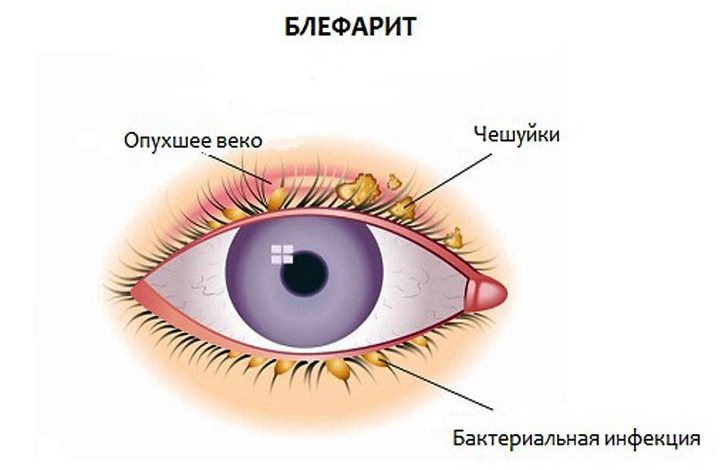
Blepharitis - This is inflammation of the edges of the eyelids, which can be both acute and chronic.
The causative agent of the disease, Staphylococcus aureus, producing strong poisons (toxins) that cause inflammation of the outer edges of the eyelids, with an advanced form, abundant purulent discharge from the edges of the eyelids.
The perceived discomfort of this disease makes a person irritable.
70% cases, the disease does not lead to visual impairment, but this is not a reason to self-medicate at home (although we will also tell you about this, but we will tell you how to do it correctly).
Since an untimely appeal to a specialist can lead to serious consequences, including partial loss of vision.
Content
- Causes of blepharitis
- Blepharitis symptoms
- Classification
- Diagnostics
- Blepharitis treatment
- Surgical intervention
- Treatment of eye blepharitis with alternative methods
- Prophylaxis
- Related Videos
Causes of blepharitis
The main causes of the onset of the disease in adults are as follows:
- a weakened immune system;
- latent chronic human diseases;
- allergic diseases;
- persistent irritating factors on the eyes (dust, smoke, soap);
- infectious diseases;
- non-observance of the usual rules of hygiene;
- mental disorder;
- poor nutrition;
- congenital pathologies (hyperopia, myopia);
- hypothermia;
- chronic diseases of the digestive system;
- diabetes;
- helminthic invasions;
- various metabolic disorders;
- the presence of chronic foci of infection (bad teeth, inflamed tonsils (tonsillitis, pharyngitis))
The main causes of the onset of the disease in children are mainly gross violations of hygiene, small foreign bodies in the eyes, dust, unsanitary conditions the child's life, the use of other people's towels and handkerchiefs, weakened immunity due to a lack of vitamin, chronic human diseases organism.
Our body is in daily contact with billions of microorganisms that can provoke many diseases. But not everyone is able to overcome the barrier of our immune system. Lack of vitamins and minerals in the body weakens it and enables microbes to act and multiply in the human body.
According to medical statistics, the main risk group for this disease are people over 40 and up to old age, but there are also frequent cases of illness in children caused by Staphylococcus epidermidis (Staphylococcus epidermidis).
Blepharitis symptoms
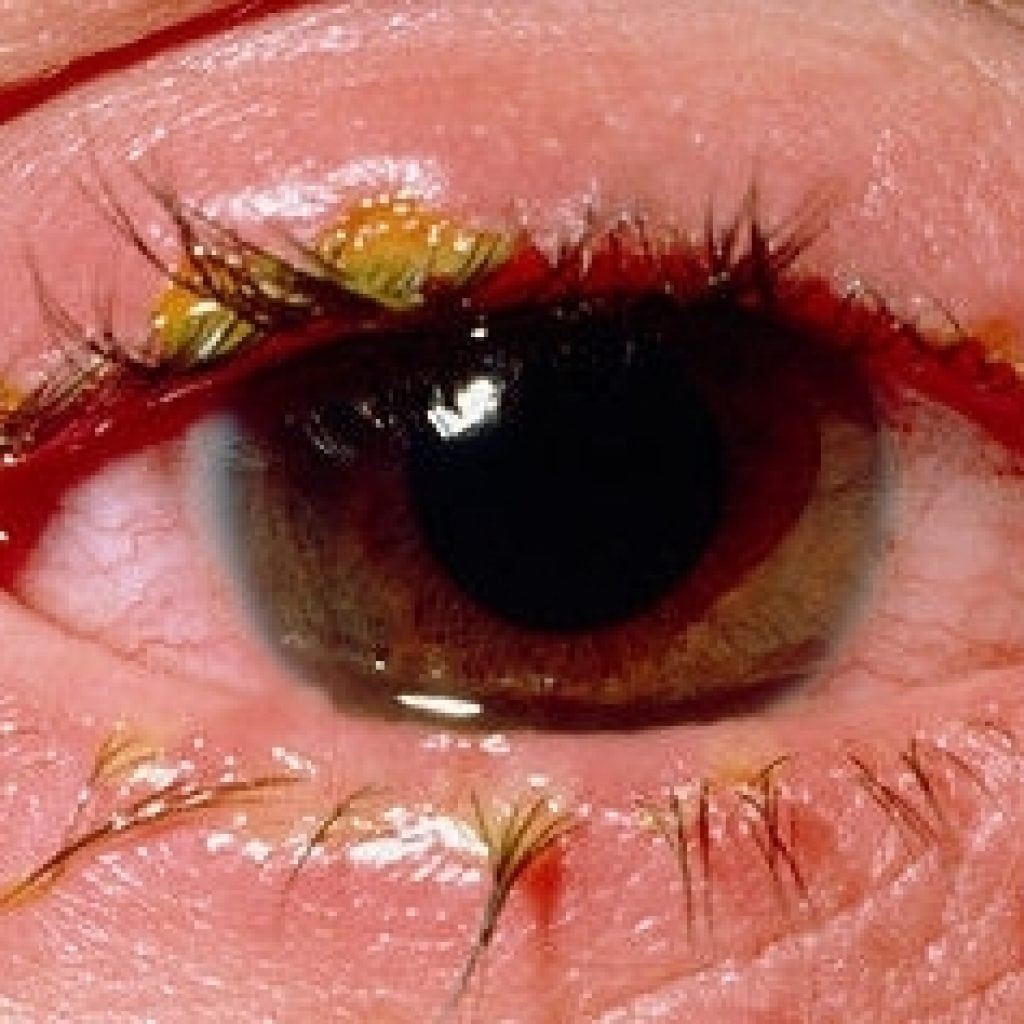


Here are the signs by which you can identify blepharitis:
- pus-like discharge from the corners of the eyes and the edges of the eyelids (see. photo above).
- clumped eyelashes after sleep.
- burning under the eyelid.
- pain when blinking.
- fear of bright light.
- swelling of the eye bags.
- loss of eyelashes.
- inflamed edges of the eyelids.
The symptoms of blepharitis in children are identical to those in adults. A standard set of symptoms:
- redness of the edge of the eyelids;
- swelling of the eye bags;
- pain in bright light (photophobia);
- pus-like discharge along the edges of the eye slits and eyelids.
Classification
Blepharitis is acute and chronic; it can also be infectious and non-infectious.
Also, the disease is divided into:
- Scaly (seborrhea) - causes narrowing of the eye slits, inflamed redness and an increase in the thickness of the eyelids. Appear on the eyelashes, similar to dandruff yellow scales. The patient experiences a strong irritable reaction to bright light, accompanied by severe itching and pain.


- Ulcerative blepharitis - The symptoms are very similar to scaly blepharitis, but instead of the redness of the edges of the eyelids and the formation of scales, purulent crusts appear with blood secretions. In severely advanced cases, it causes loss of eyelashes with the transition of infection to the cornea of the eyes.
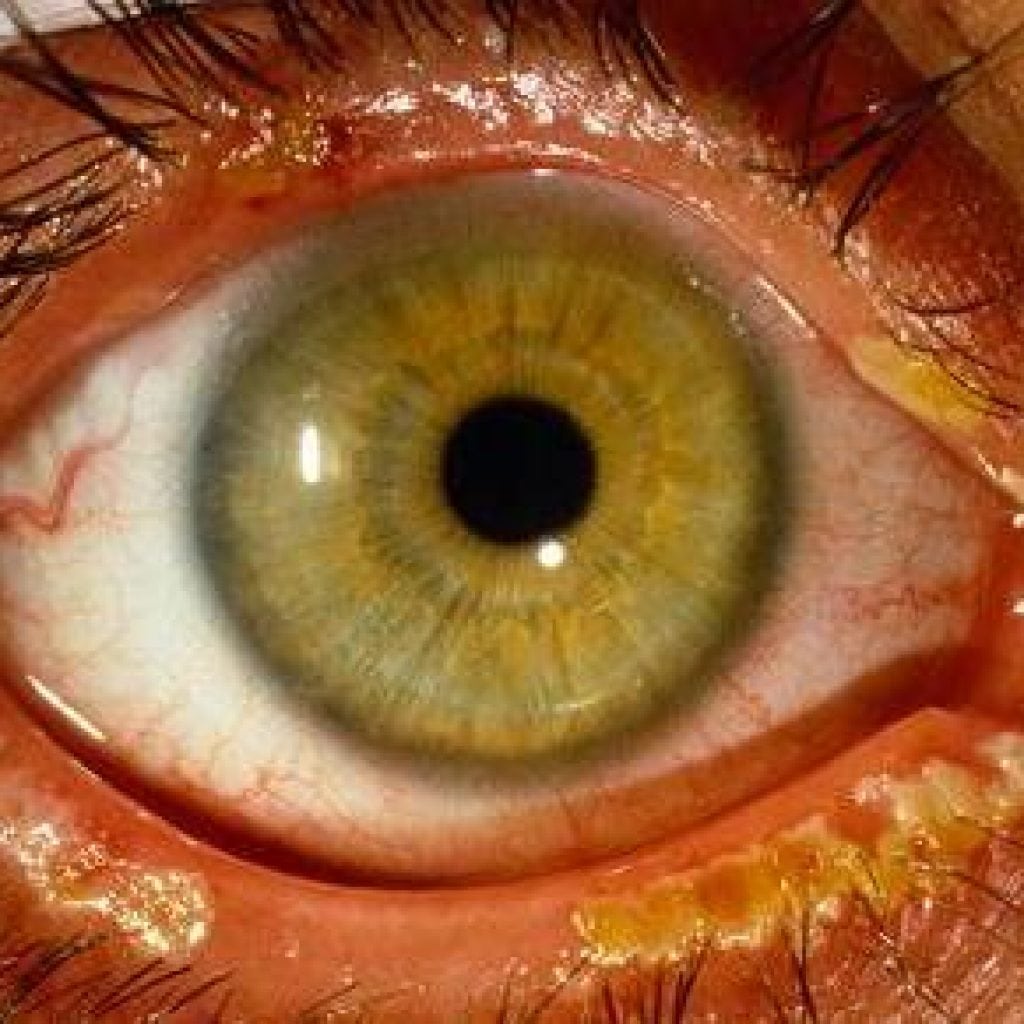
- Angular blepharitis - inflammation occurs in the corners of the eye slits. Purulent discharge accumulates in the corners of the eye slits, the density of the eyelids increases at the site of infection. Open wounds and cracks appear, causing the strongest itching with blood and purulent discharge.
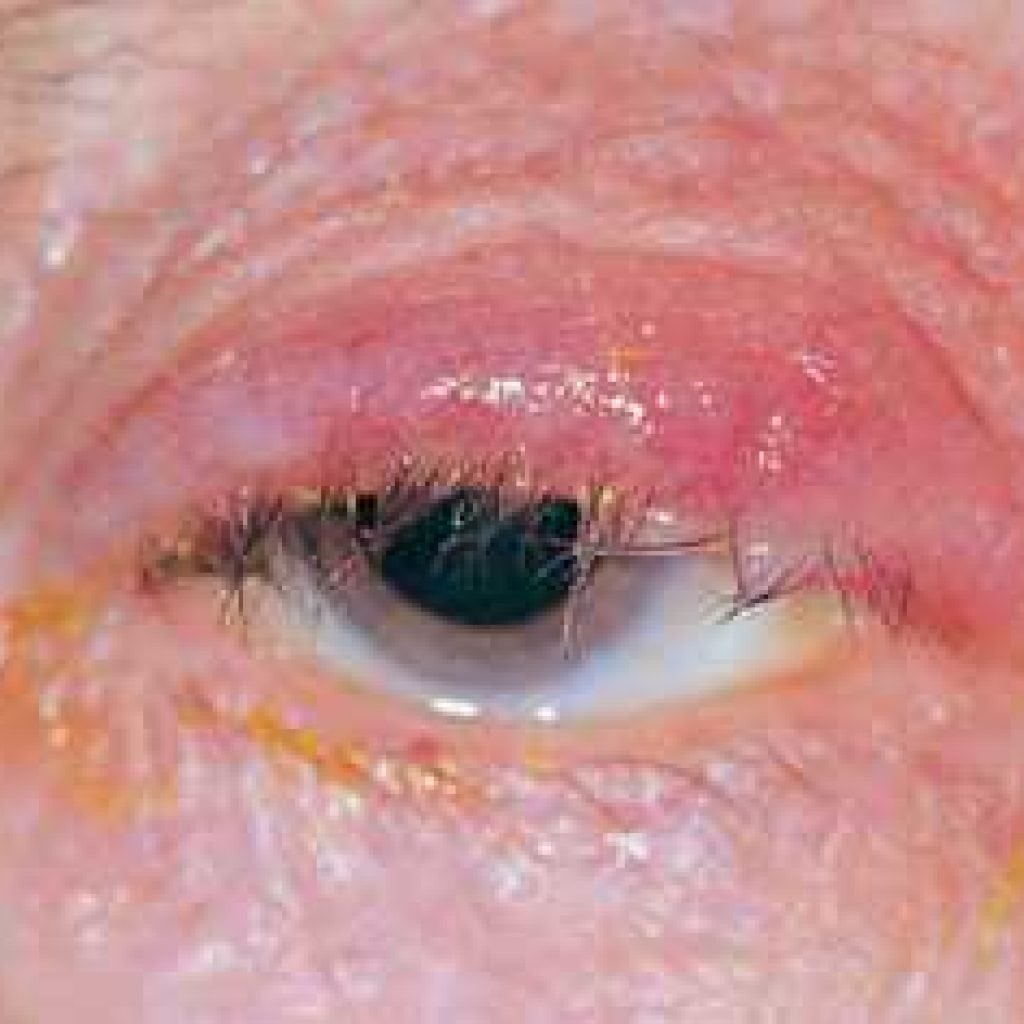

- Meibomian - this type of infection is accompanied by conjunctivitis, with the appearance of purulent discharge in the corners of the eye slits. The infection gets into the meibomian glands. The eyelid thickens, with pressure on it purulent contents are released.

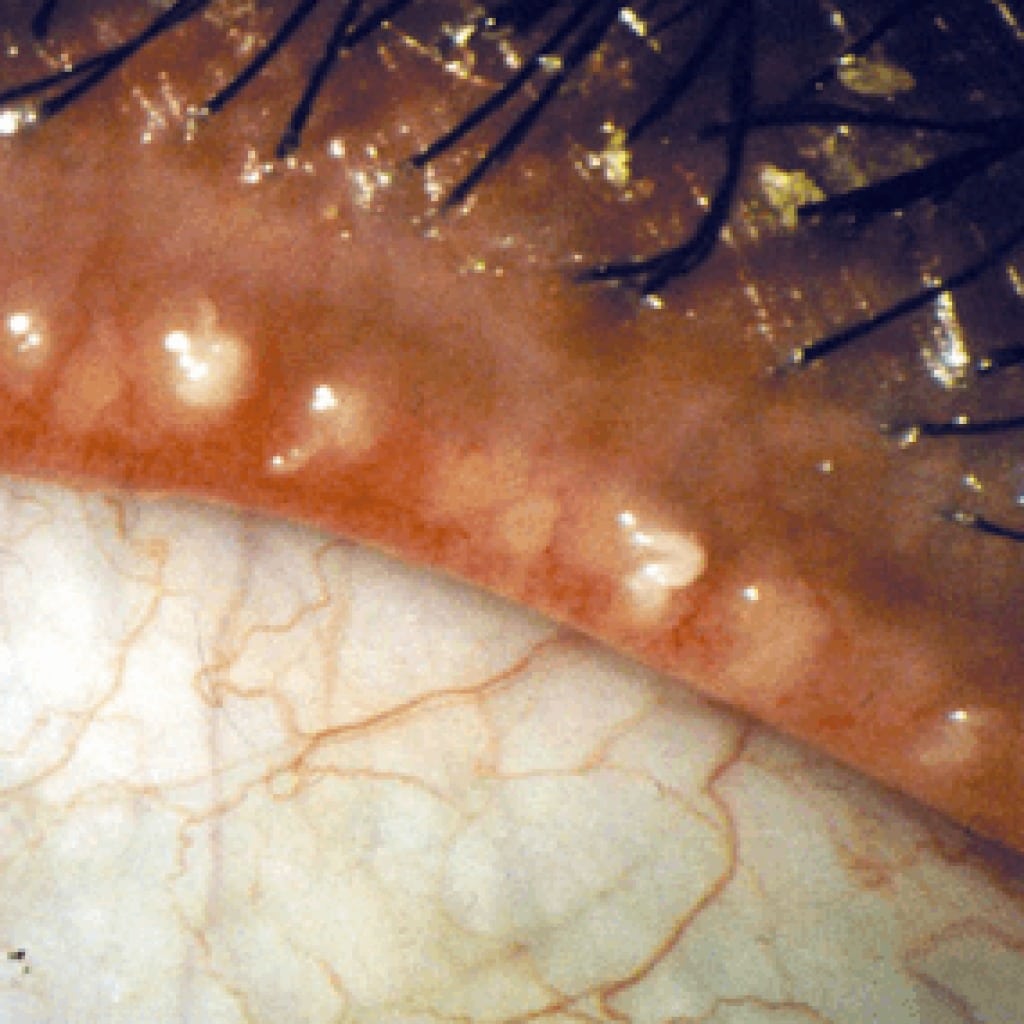
- Demodectic - the main source of infection is the Demodex mite, which lives in feather pillows and clothing. It infects the eyelash follicles, from where the disease spreads.
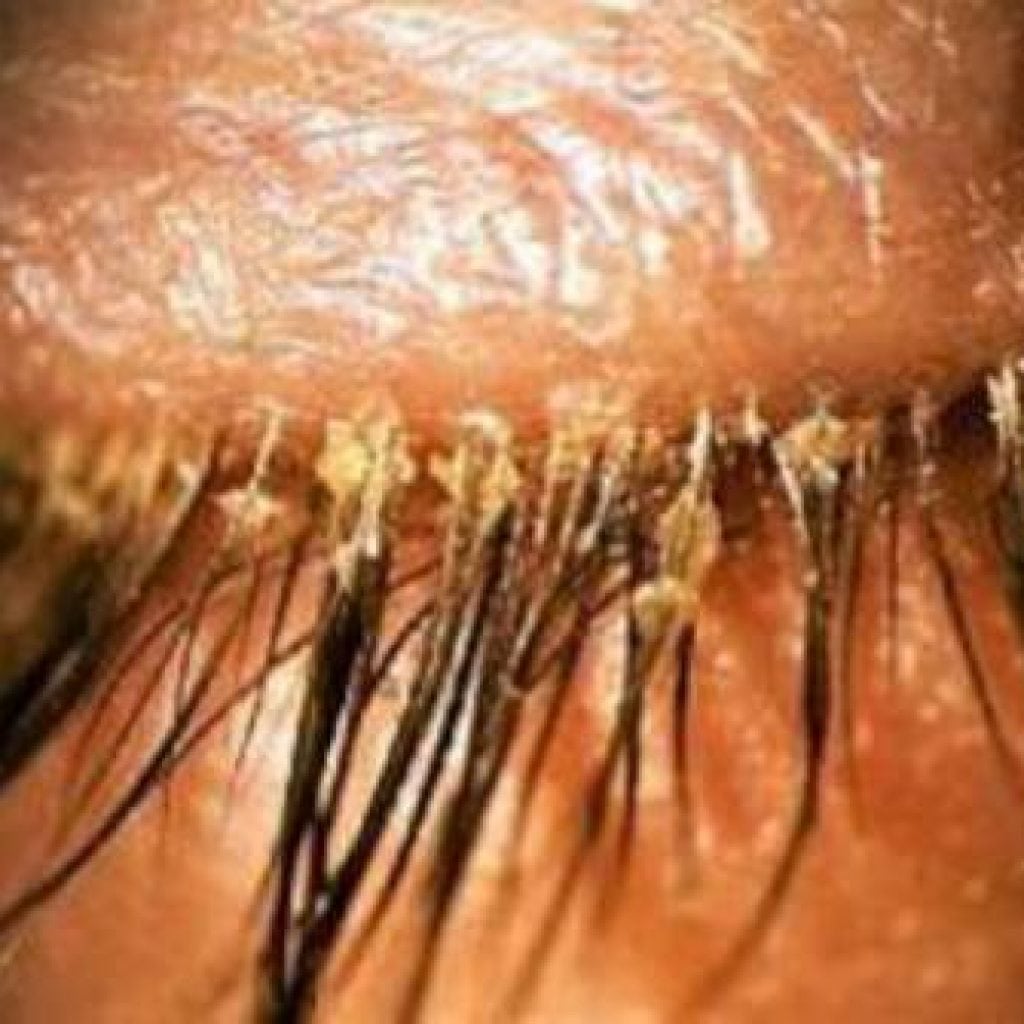

Diagnostics
To diagnose blepharitis, a complete laboratory examination of scrapings and the identification of Demodex mites in the eyelash bulbs are required. Sometimes it is possible to make a diagnosis after a visual examination, according to the essential signs and complaints of the patient, after examining the eyelids, biomicroscopy of the eye.
Read also:Allergic conjunctivitis
Having even the slightest suggestion of infectious blepharitis, examining the patient, the conjunctiva of the eye is analyzed for bacteriological cultures.
With a non-infectious ailment, consultations of a specialist allergist - immunologist are needed, who prescribes tests to identify the cause of allergic reactions, and to exclude helminthic invasion, they take analysis of feces for eggs of worms.
With a prolonged course of the disease, an additional analysis is required to exclude cancer of the sebaceous glands, basal cell carcinoma, a biopsy with a histological analysis of the tissue is prescribed.
Blepharitis treatment
After carrying out diagnostic measures and establishing the type of blepharitis that struck the body, treatment is prescribed.
Due to the fact that the healing process takes a long time, the advice of doctors of such specialties as an allergist, dermatologist, otolaryngologist, gastroenterologist, and dentist will be required.
Before starting treatment, the sanitary and hygienic quality of life in the house is improved, a certain diet is prescribed, a vitamin complex is prescribed to strengthen the immune system, hygienic treatment of foci is performed infection.
Scaly (seborrhea) blepharitis.
Therapy for this blepharitis is a very laborious process that requires not only general but also local treatment.
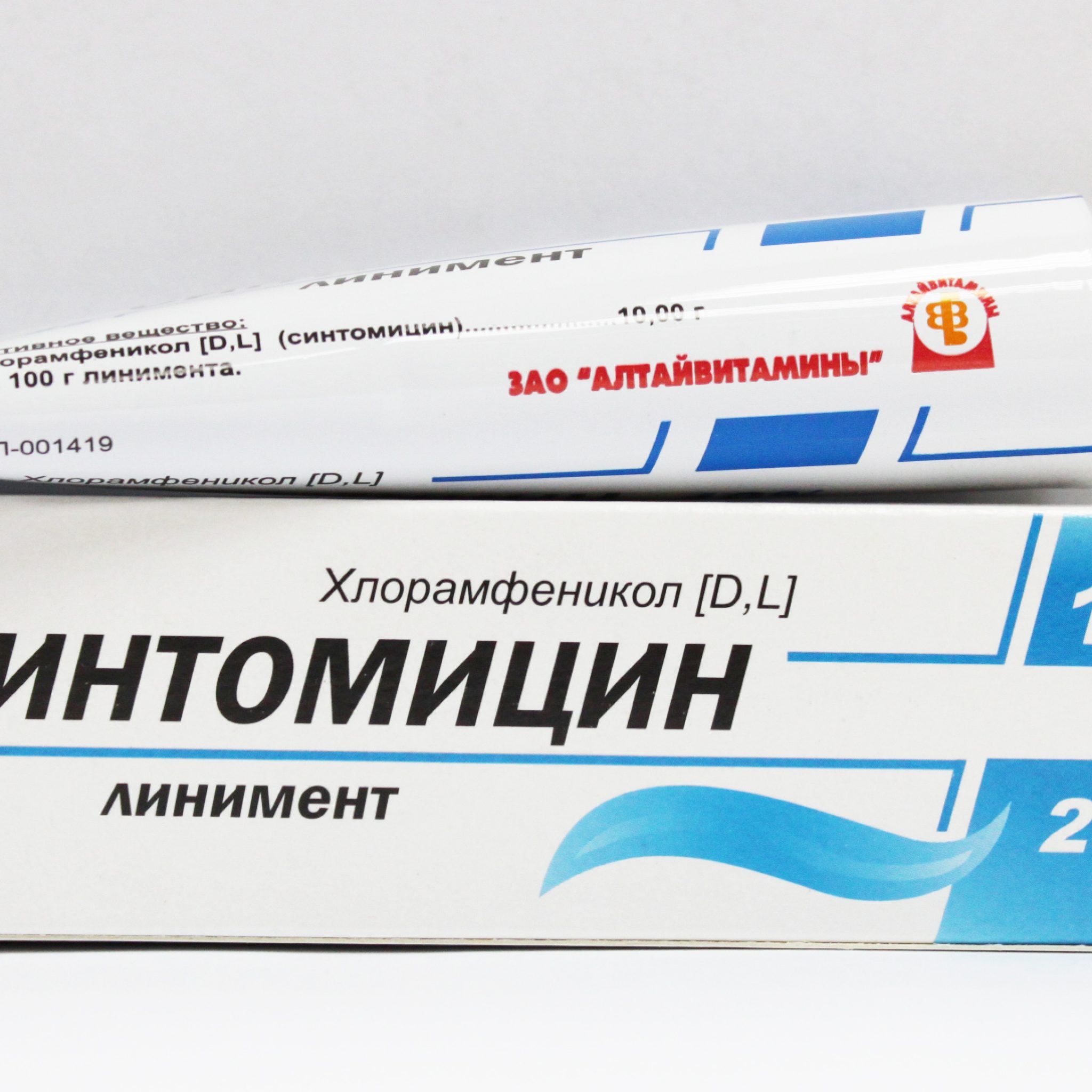
Local therapy means medicinal ointments that are applied to lesions and eye instillation solutions. First, the edges of the eyelids are treated to soften the scales. 10% Synthomycin emulsion(the tool is cheap, it costs 50-60 rubles).
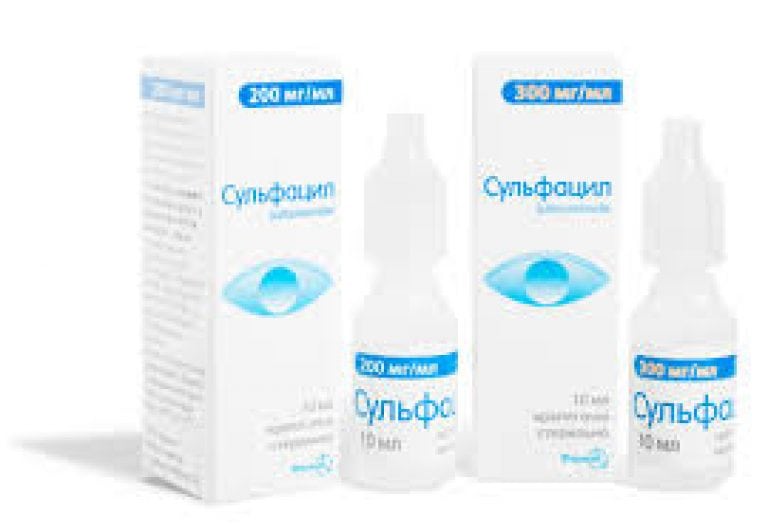
Next, they are treated with an antiseptic (Sulfacil - sodium, brilliant green), and only then a medicinal ointment is applied on top.
The composition of means for surface use, for the treatment of blepharitis includes antibiotics, sulfonamides. Ointments such as:
- Fucidin;
- Tetracycline ointment;
- Dibiomycin;
- Chloramphenicol.
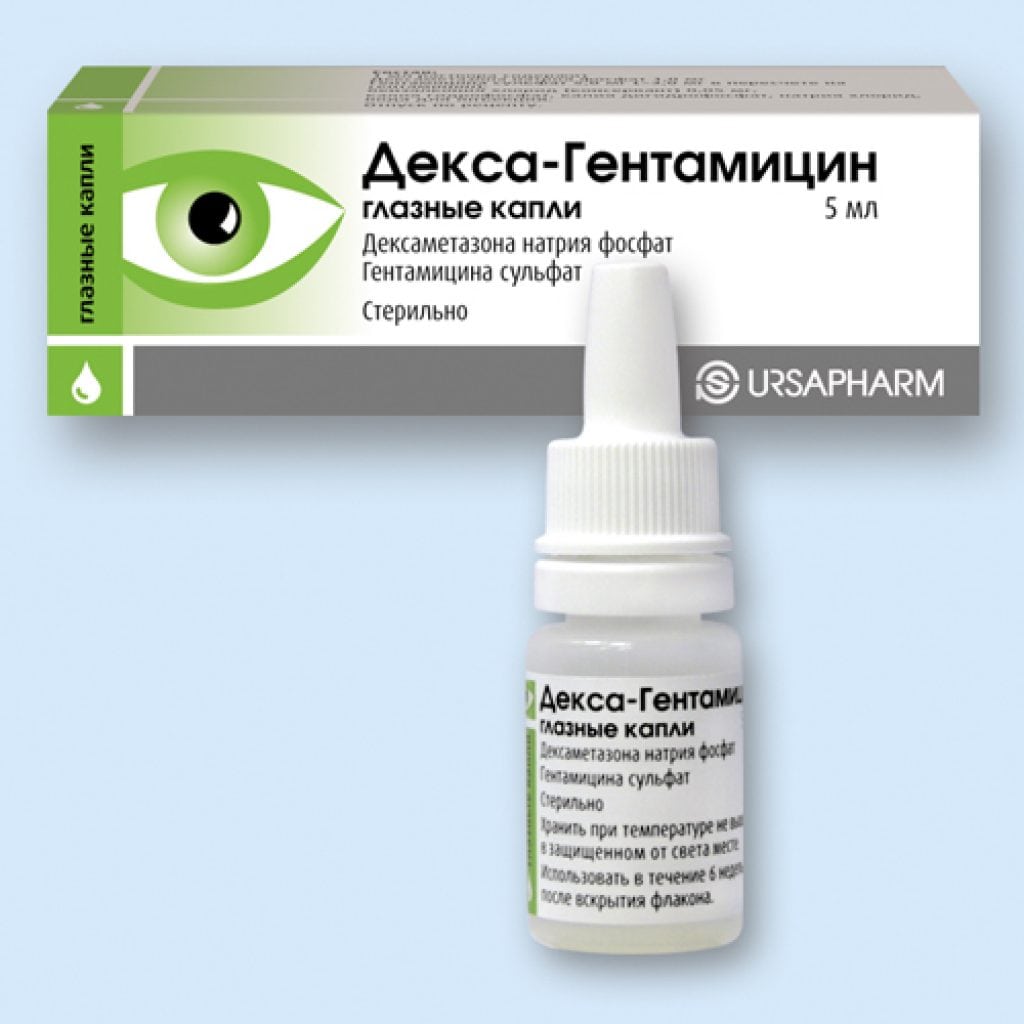
In rare cases, ointments with glucocorticosteroids (Hydrocortisone, Pimafucort). Sometimes a combination of ointments heals well Dexamethasone and Gentamicin.
In complex treatment, solutions are used:
- Tsipromeda;
- Desonides;
- Zinc sulphate;
- Prednisalone.
These drugs are drip treated with the conjunctival cavity. Following simple rules of hygiene will help prevent not only this infection, but many others.
Ulcerative blepharitis.
Formed crusts on the eyelids, first of all, you need to similarly lubricate with a softening ointment or 1% Synthomycin emulsion.
With a cotton swab treated with an antiseptic, softened crusts and purulent discharge secreted by the wound are removed. A complex ointment containing an antibiotic is applied to the edge of the eyelids:
- Dexa-Gentamicin
- or other complex Maxitrol ointment.
Carry out processing 2-3 times a day. Limit dust from entering the wound as much as possible. Maintaining normal hygiene practices will speed up the recovery process. It is also necessary to strengthen the body with a vitamin complex to strengthen the immune system.
Demodectic blepharitis.
For treatment, first of all, it is necessary to reduce the activity of Demodex mites, which infect the eyelash bulbs. In order to disrupt their life cycle and the possibility of reproduction, it is necessary to thoroughly clean the living quarters, wash the bedding, and observe normal hygiene.
2 - 3 times a day, wipe the eyelids with a sterile swab, abundantly moistened with baby shampoo, diluted with saline in a ratio of 1 to 1.
Lubricate the affected areas of the eyelids with a special eye ointment hydrocortisone-POS 2.5%. It is advisable to alternate application with ointment Dexa-gentamicin.
Read also:Barley on the eye, what is it, causes, symptoms and how to treat
Before going to bed, it is imperative to apply abundantly ointment to the edge of the eyelids - this will make it possible to reduce the ability to multiply mites and their further destruction.
Angular blepharitis.
First of all, you need to remove purulent discharge on the eye, from the corners of the palpebral fissure, with a swab moistened with baby shampoo diluted with saline in a ratio of 1 to 1, treat the inflamed edges of the eyelids 1% Sulfur-zinc ointment. 1-2 times a day to clean and process the edges of the eyelids.
Observe general hygiene rules. It is recommended to take a course of taking a vitamin complex to strengthen the immune system.
Meibomian blepharitis.
Inflammation of the meibomian glands in the cartilage. In 80% of patients, this infection is accompanied by conjunctivitis, which gives an erroneous diagnosis.
To prevent further inflammation, it is necessary to remove purulent discharge, and treat the edges of the eyelids with anti-inflammatory ointment:
- Dancil;
- Ofloxacin (the cheapest of the three);
- Floxal.
Repeat these procedures 3 times a day. With a visible improvement, the procedures go to a decrease in the number of times.
Prescribe eye drops Natural tearthat moisturizes the cornea and conjunctiva to reduce burning of the eyelids.
Surgical intervention
Blepharitis can provoke in adults such a disease as dry eye syndrome. The eyelids have the ability to constantly moisturize due to the lacrimal gland, which secretes a certain amount of liquid consisting of lipids, proteins, salt, bactericidal substances. Our eyelid wets the eye when blinking. This is a protective function of the body against drying out of the eyes.
Also removes various microbial formations, washing them off with tear fluid.
The lacrimal fluid secreted by the lacrimal gland, after washing the eye, enters the nasal cavity. Therefore, this duct is blocked with a plastic stopper. The lacrimal fluid remains and the eyes continue to receive the moisture they need.
Treatment of eye blepharitis with alternative methods
Treatment of blepharitis is considered not only with a medication method, but it is also advised to use traditional medicine. Moreover, it is gaining popularity among the adult contingent.
Knowing the possibilities of different herbs and herbal preparations, it will not be difficult to cure blepharitis and many other more dangerous infections and diseases.
A huge variety of different recipes is open before us. Moreover, it is not necessary to go into the field and look for the right plant there, you just have to go to the pharmacy and purchase the necessary collection of herbs. But it must be remembered that any treatment, even with folk remedies, requires a correct diagnosis of a disease or infection.
- With a purulent infection of the eyes. Eyes are washed daily in the form of a 2% aqueous solution of boric acid, and lotions are applied with fresh (boiled) cottage cheese before bedtime. This method has its drawbacks. With constant use, there is an acute poisoning of the body, vomiting, diarrhea, headaches, convulsions.
- Infusion of thyme with chamomile. This collection is a very strong anti-inflammatory agent. Make lotions 3-4 times a day. There are no contraindications to use, with the exception of a selective allergic reaction.
- Laundry soap works well with Demodex mites. A soapy foam is applied to the affected area, after 3-5 minutes it is washed with water and smeared with petroleum jelly.
- Ulcerative blepharitis is well treated with an infusion of celandine herb. Pour 2 tablespoons of herbs with a glass of boiling water, let stand for 2 hours. The infusion is ready.
- Scaly blepharitis is cured by burdock oil, at night, generously lubricate the affected areas of the eyelids.
- For wound healing on the edges of the eyelids, you can use fresh aloe juice.
- Infusion from bird cherry rubbed eyes with acute conjunctivitis, mouthwash is done for stomatitis. Due to the high content of amygdalin, the berries are used without seeds. 60 gr. Flowers are poured into 300 ml. Boiling water, insist for 10 hours in a steam bath, filter through cheesecloth and apply to the eyes 2-3 times a day. Contraindications for women with signs of pregnancy, as well as those, berries have a contraceptive effect.
- Tea lotions: pour boiling water over tea bags, apply them on eyelids for 20 minutes. Reduces inflammation, soothes itching.
- Synthomycin ointment apply to the edges of the eyelids 3 times a day, until the condition is completely improved.
- A particularly effective remedy for scaly blepharitis. Bring corn oil to a boil, wait until it cools down, lubricate the edges of the eyelids 3 times a day.
- Thyme herb in the amount of 2 teaspoons, pour 150 ml. Boiling water, infuse the resulting broth for 1.5 hours. Has an antibacterial effect. Wipe the eyes with the solution in the morning and evening.
- 1 onion cook over low heat for 40 minutes in 0.5 liters of water, strain through a colander. With the resulting broth, rinse the eyes every 2-3 hours. Healing agent.
- 12 small bay leaves boil in 0.25 liters of water for 3 minutes. An effective remedy for allergic blepharitis.
- Herbal remedy for eye baths - in equal shares we take chamomile, succession herb and calendula leaves. 2 tablespoons of the resulting collection, pour 170.0 ml of boiling water and put in a water bath for 10 minutes, it is advisable to insist for 1-2 hours. Cool, moisten sterile cotton swabs and apply to the eyelids for 25 - 35 minutes. This collection is anti-inflammatory and antiseptic, helps with various forms of blepharitis.
- The method is not for the fastidious. We take our urine, moisten a cotton or gauze swab abundantly, and put it over our eyes. At this point, try to blink so that the liquid gets on the infected areas or wounds. This method does not require any special preparations. Very effective.
Read also:Pterygium
Prophylaxis
- compliance with hygiene rules;
- improving sanitary standards at work and at home;
- do not rub your eyes with dirty hands;
- strengthen the immune system, temper the body;
- stick to a more healthy diet;
- promptly respond to the occurrence of various infectious diseases;
- eyelid massage and physiotherapy.
Timely referral to specialists will not give a chance for infections to develop into chronic diseases. No fatal outcomes were observed from this disease, but advanced types of infections can ruin the fate of any person. Observe the rules of personal hygiene, and blepharitis will recede from you.