Shereshevsky-Turner syndrome: what is it, photos, symptoms, causes, treatment
Genetic research since the early twentieth century has helped to study a variety of chromosomal abnormalities.
One of them is Shereshevsky-Turner syndrome (synonyms: Ulrich-Turner syndrome, Ulrich syndrome, Shereshevsky syndrome, Turner syndrome).
Content
- What it is?
- Causes of Shereshevsky-Turner syndrome
- Factors provoking the development of the disease
- The main symptoms
- Nonspecific signs
- Types of violations
- Diagnostics
- Treatment
- Drug treatment
- Surgery
- Additional therapies
- Prophylaxis
- Forecast
- Related Videos
What it is?
Ulrich-Turner syndrome is the only option when a person can live with an incomplete set of chromosomes.
The anomaly is diagnosed mainly in girls, in males it is present only with a mosaic type of pathology.
The disease occurs in representatives of all races without exception.
Ulrich-Turner syndrome is characterized by the absence of one of the sex chromosomes in the karyotype of newborns.
The first pathology was described in 1925 by endocrinologist N. Shereshevsky. In 1938, Dr. Turner identified the main symptoms of the disease. In 1959, Ch. Ford learned the nature of the violation.
Causes of Shereshevsky-Turner syndrome
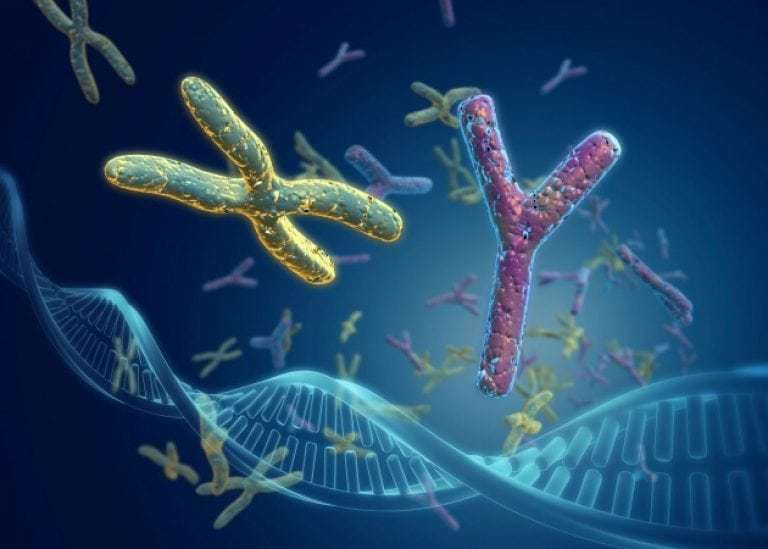
The normal human karyotype is displayed by a specific formula and has the form 46, XY (for men) and 46, XX (for women). The number represents the number of DNA molecules, and the letters represent the sex of the person.
With Ulrich-Turner syndrome molecules only 45and one chromosome is missing. A study that allows you to diagnose an ailment - karyotyping.
The exact cause of the violation is unknown.
Factors provoking the development of the disease
There is a theory about the hereditary nature of pathology. The factors provoking a violation are:
- adverse environmental conditions;
- smoking and taking alcoholic beverages by a woman while carrying a child;
- ionizing radiation;
- exhaustion of the body before conception.
Each of them in early pregnancy can affect the development of the baby.
The main symptoms

The severity of the symptoms of Ulrich-Turner syndrome depends on the type of disorder. The main signs of the disease are several pathologies.
Skin fold on the neck
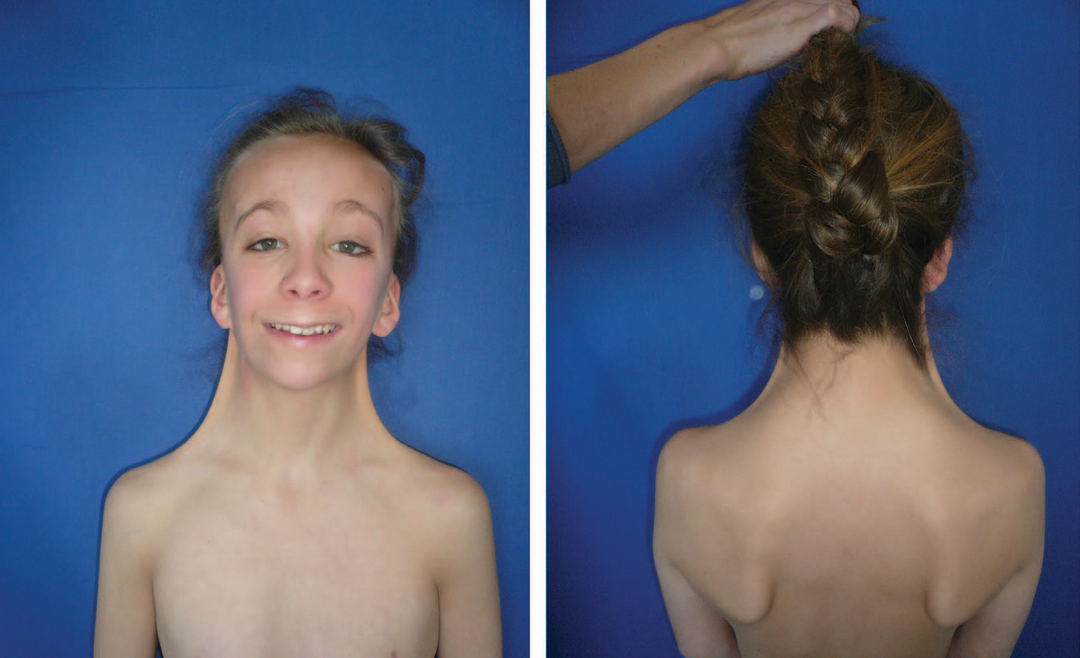
The anomaly is considered one of the most frequent manifestations of the disease (in 70% of cases). It looks like a pterygoid seal that runs from the back of the head to the trapezius muscles.
With a significant excess of skin, a visible membrane tightened between the head and shoulders appears. Such a cosmetic defect is corrected with a simple operation.
Small growth
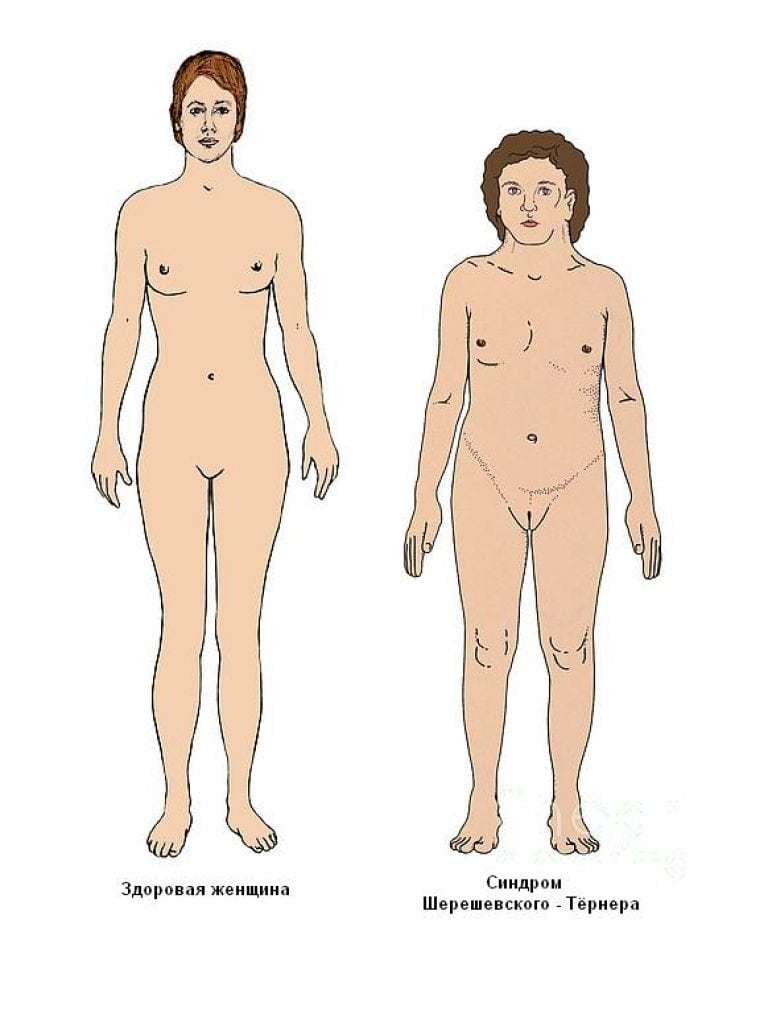
In newborns with a genetic disorder, body length varies between 42-45 cm. However, with a mosaic form of the anomaly, growth may be normal. Development is lagging behind in the female pattern.
Sometimes short stature is caused by a violation in the formation of the spinal column (fusion of the vertebrae or deformation).
"Face of the Sphinx"

The symptom can also occur with other diseases, however, with Ulrich-Turner syndrome, it is diagnosed in 35% of cases and is complemented by cervical skin pathology.
Read also:Children's stomatitis: how it can be cured at home
A person has thickened lips (see. photo), there are no natural folds in the forehead area ("polished forehead"). It is difficult for him to close his eyelids completely. Facial expressions are usually difficult (due to congenital weakness of the facial muscles).
Barrel-shaped or flattened rib cage
In the first case, the frontal and anteroposterior chest dimensions are practically the same. Deformity occurs in 45% of anomalies.
With a defect in the formation of the bones of the chest, its flattening is noted.
With moderately pronounced pathologies of the development of the skeletal system, the symptom may become subtle with age. The violation is not promptly corrected. Usually, such an impact is not needed. The defect does not cause changes in the functioning of the heart or respiratory system.
Puffiness
Edema is usually localized in the area of the feet or lower leg and is considered a specific symptom (occurs with varying degrees of severity in more than 50% of patients). Nails look pinched. In the presence of congenital malformations, the swelling is very severe.
Poor weight gain
The weight of newborn babies with Ulrich-Turner syndrome ranges from 2500 to 2800 g, within the normal range. But with the growing up of the baby, the body weight gain deviates from the optimal values. In the future, he will always be worse than his peers.
Abnormal development of the auricles
The ears are usually located below eye level. The cartilage that forms the ears in people with Shereshevsky's syndrome is often underdeveloped and can cause hearing loss.
Epicantus

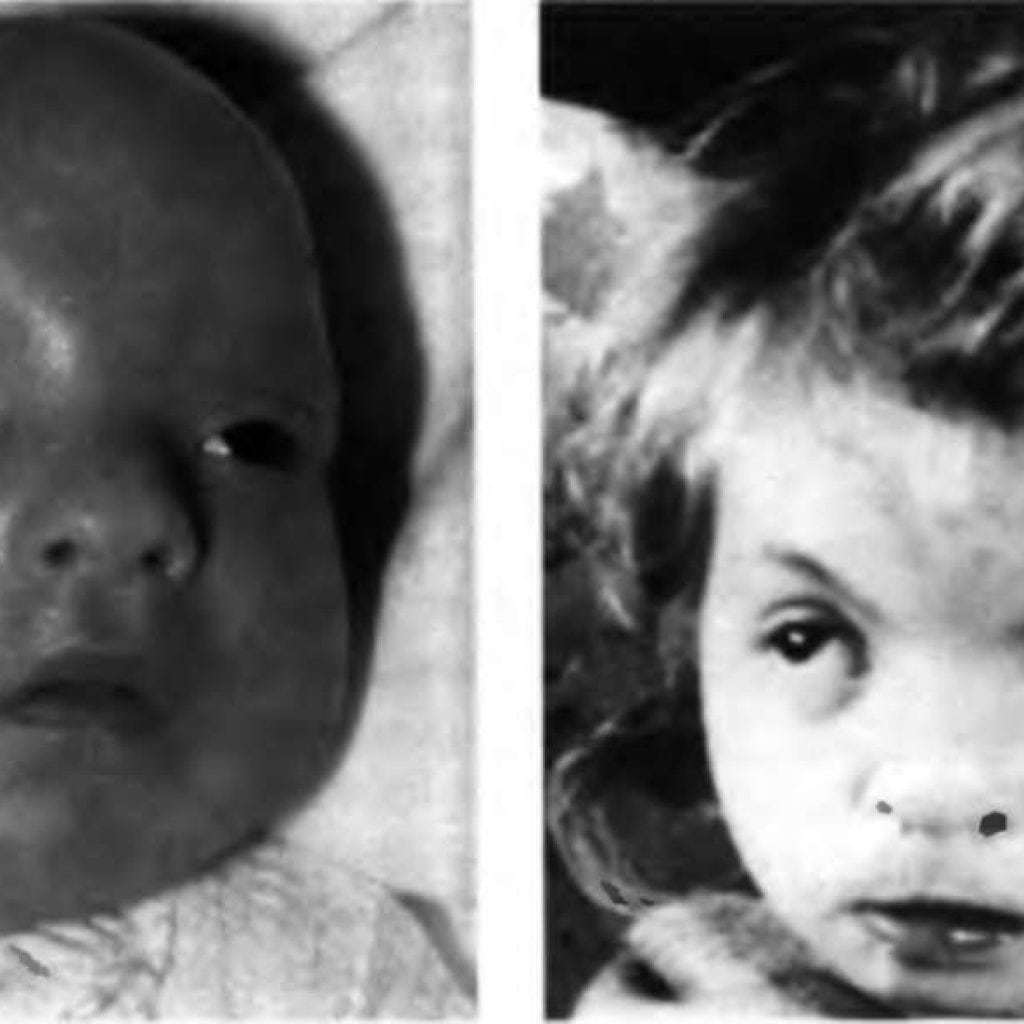
This is the name of the formation of a skin fold in the inner corner of the eye (see. photo above). In this case, a combination with a Mongoloid incision (as in children with Down syndrome) missing.
Hallux valgus
Pathological curvature of the elbows, when the lowered arm is unable to straighten and deviates to the side of the body. It is observed in almost 65% of patients with the disease. A similar anomaly can be diagnosed in the knee joints, making it difficult to walk.
Curvature of fingers
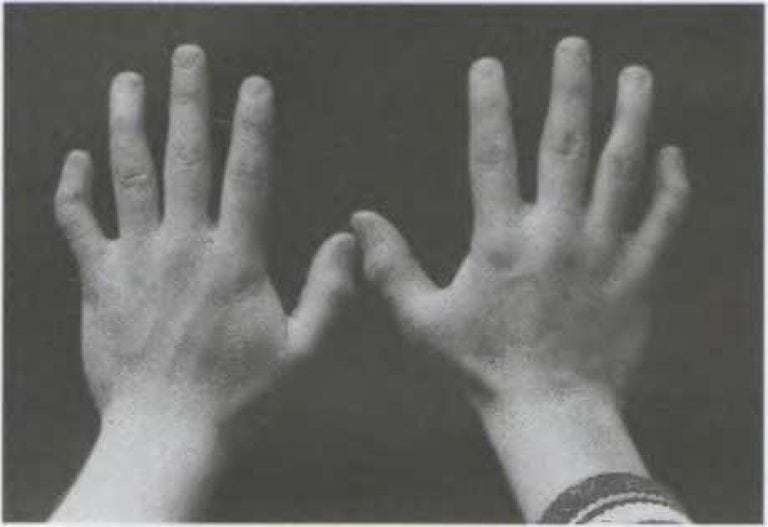
Deformities of the fingers (clinodactyly of the little finger, syndactyly) are diagnosed in 75% of cases. They are not always noticeable in infants, and are often detected as they get older with Turner syndrome.
During adolescence, secondary sexual characteristics do not develop, menstruation does not occur.
The most common cardiovascular problems in Shereshevsky-Turner syndrome are PDA, VSD, coarctation or aortic aneurysm. The risk of developing colon cancer.
From the urinary system, patients can be diagnosed with:
- renal hypertension;
- the formation of an arcuate kidney;
- doubling of the pelvis.
Visual impairment manifests itself:
- myopia;
- ptosis;
- squint;
- color blindness.
Sometimes patients with Turner syndrome have mental retardation. Among the pathologies associated with the disease, the most frequent are Hashimoto's thyroiditis, inflammatory diseases of the colon, hypothyroidism, vitiligo, alopecia, hypertrichosis, diabetes, celiac disease, obesity, coronary heart disease.
Read also:Ehlers-Danlos Syndrome
Nonspecific signs
With an ailment, additional symptoms of disorders in the body periodically appear.
Abnormal nipple placement
An increased distance between the nipples on the chest is a typical sign of an anomaly only when combined with other manifestations of Ulrich-Turner syndrome. Observed in 35% of patients with chromosomal abnormalities.
Hyperpigmentation of the skin
The symptom is observed in 35% of cases Shereshevsky-Turner's pathology and is not considered specific. The accumulation of pigment can provoke endocrine disorders. Pathological formations appear in the form of nevi, birthmarks.
Types of violations
There are several types of the disease: mosaic, with the absence of one of the sex chromosomes (complete monosomy) or changes in its structure. With complete monosomy in the fetus after 12 weeks normal development of the ovaries occurs. However, then the replacement of the follicles with connective tissue begins, various malformations develop.
The complete absence of one of the sex chromosomes is considered the most severe type of the syndrome. With him, the signs of pathology are pronounced and difficult to correct.
In the mosaic type of disorder, the symptoms are nonspecific, respond well to therapy, and rarely cause complications.
With structural changes, the karyotype is normal, but one chromosome is significantly damaged. Signs of a specific appearance are mild.
Diagnostics
During pregnancy, you can suspect an ailment during an ultrasound scan. With Shereshevsky-Turner syndrome, some deviations appear:
- thickening of the collar zone;
- cervical hygroma;
- expansion of the renal pelvis and calyces;
- deformation of bones, shape of the head, limbs;
- heart defects;
- lack of water or polyhydramnios.
TVP and hygroma are noticeable already at the first scheduled ultrasound. With a mosaic type of pathology, the results of ultrasound diagnostics remain normal.
To clarify the form of the disorder, fetal karyotyping is recommended. The study is carried out from 10 to 12 weeks of pregnancy.
When performing this procedure (under ultrasound control) with a special needle (inserted into the uterine cavity through the anterior abdominal wall) or a catheter (through cervix), amniotic fluid (amniocentesis), blood from the umbilical cord vessels (cordocentesis) or a fetal cell sample (biopsy chorion).
There is a small risk of miscarriage (1-2% of cases).
To clarify the diagnosis after a medical examination, you will need to perform some studies and diagnostic procedures:
- a blood test for the concentration of sex hormones;
- densitometry;
- karyotyping (if not performed during pregnancy);
- Ultrasound of the abdominal cavity, heart, kidneys, pelvic organs;
- radiography of the hands, elbow joints, spine.
Differential diagnostics with Ulrich-Noonan syndrome, pituitary hypogonadism, Mayer-Rokitansky-Küstner syndrome are performed.
Treatment
The main goal of therapy is to stimulate growth, get rid of malformations, eliminate or reduce the manifestation of external signs of the disease, and ensure adequate puberty.
In early childhood, therapeutic massages, exercise therapy courses are prescribed, vitamin and mineral complexes are prescribed.
Read also:Bifidumbacterin for infants - instructions for use, indications, analogues
In adolescence, hormone therapy begins. A person may need the help of a psychotherapist, surgical intervention.
Drug treatment
Hormone therapy is necessary for a person to reach a height of 155-160 cm and normal puberty.

Growth hormone is used. It activates the formation of bone and cartilage tissue, it is necessary before the final closure of these zones in the long bones of the limbs.
Its application begins 5-6 years old. Usually prescribed subcutaneously at 0.05 mg per 1 kg of body weight.
The duration of treatment is determined by a specialist.
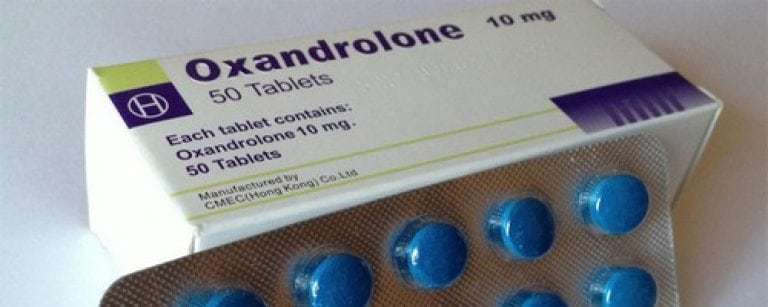
Anabolic Steroid Oxandrolone prescribed at age about 8 years old.
The drug helps to accelerate mass gain and stimulates the growth of muscle cells.
The standard prescribed is 0.05 mg per 1 kg of body weight. The duration of treatment is determined by the endocrinologist.
From 12 years of age to menopause, women are prescribed first estrogens (to enlarge the mammary glands and uterus, prophylaxis osteoporosis, metabolic disorders, diseases of the cardiovascular system, the formation of the menstrual cycle), and then Progesterone.
Men are prescribed male sex hormone replacement therapy. The regimen and dose are selected individually by the doctor.
When treating hormonal agents you need to be constantly monitored by an endocrinologist and gynecologist, as there is a risk of complications:
- changes in liver function - when taking Oxandrolone;
- cephalalgia and nausea - with the appointment of estrogens;
- growth arrest - with early estrogen therapy.
To get pregnant - traditionally or with the use of IVF, only patients with a mosaic variant of Shereshevsky-Turner syndrome or with a favorable outcome of hormone therapy can.
Surgery
The operation is performed when it is necessary to correct the defects of the spine, pterygoid cervical folds for cosmetic purposes, treatment of congenital heart disease.
If parts of the Y chromosome are detected in the karyotype, the ovaries are excised (preferably up to 20 years of age) to avoid possible malignancy of the gland tissues.
Additional therapies
Non-drug treatment of Shereshevsky's syndrome involves the appointment of electrophoresis and magnetotherapy, special gymnastics and massage.
Prophylaxis
The only way of prevention is karyotyping when a specialist suspects.
Forecast
The prognosis for Turner syndrome is favorable in terms of life expectancy and intellectual development. The exceptions are cases of occurrence:
- UPU;
- spina bifida;
- abnormal formation of the genitourinary system.
As for the restoration of fertility, the patients are mostly infertile. However, with adequate and timely therapy, women can create families, lead a full sex life, and give birth to children.
Shereshevsky-Turner syndrome is a complex genetic pathology that affects the entire body. However, with timely diagnosis and correctly performed treatment, patients have a chance to adapt in society.