Reactive arthritis: what it is, symptoms and treatment, prognosis
Content
- Introduction
- What is reactive arthritis?
- Infection
- What Causes Reactive Arthritis?
- Chlamydia
- Gastrointestinal tract infections
- HLA-B27 antigen
- Is reactive arthritis contagious?
- Signs and symptoms
- Less common symptoms
- Signs from the genitourinary tract
- Joint pain
- Eye symptoms
- Ulcers and rashes
- Who Treats and Diagnoses Reactive Arthritis?
- Expertise
- How is reactive arthritis diagnosed?
- Analysis for the presence of infections
- Visualization research methods
- Reactive arthritis treatment
- Non-steroidal anti-inflammatory drugs
- Corticosteroid injections
- Topical corticosteroids
- Antibiotics
- Immunosuppressants / BMARP
- TNF inhibitors
- Exercises
- Forecast
Introduction
Reactive arthritis Is a type of arthritis that occurs as a "reaction" to infection in other parts of the body. Inflammation is a characteristic tissue response to injury or disease and is characterized by:
- swelling;
- redness;
- high body temperature;
- pain.
In addition to joint inflammation, pathology is associated with two other symptoms:
- redness and inflammation of the eyes;
- inflammation of the urinary tract.
These symptoms can occur separately, together, or not at all.
What is reactive arthritis?
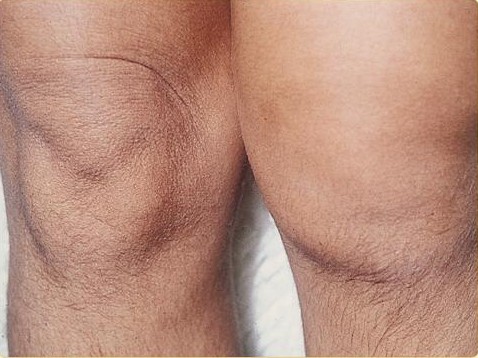
Reactive arthritis, formerly known as Reiter's syndrome or seronegative spondyloarthropathies. Seronegative spondyloarthropathies are a group of disorders that can cause inflammation throughout the body, especially in the spine. Examples of other disorders in this group include:
- psoriatic arthritis;
- ankylosing spondylitis.
Infection
In many cases, reactive arthritis calledvenereal infection bladder or urethra, and in women, the vagina, which is often transmittedsexually. This form of the disorder is sometimes referred to as genitourinary or urogenital reactive arthritis.
Another form of reactive arthritis is caused by an infection in the intestinal tract as a result of eating food or substances that are contaminated with bacteria. This form is sometimes called intestinal or gastrointestinal reactive arthritis.
Symptoms usually last 3 to 12 months, although in a small percentage of people, symptoms may return or develop into long-term illness.
What Causes Reactive Arthritis?
Chlamydia

Reactive arthritis usually begins about 1–3 weeks after chlamydia infection. The bacteria most commonly associated with reactive arthritis are: Chlamydia trachomatis, which causes chlamydia.
The bacteria are usually acquired through sexual contact. Some evidence also suggests that respiratory infection with Chlamydia pneumoniae can cause reactive arthritis.
Gastrointestinal tract infections
Infections in the digestive tract that cause reactive arthritis:
- salmonella;
- shigella;
- Yersinia;
- campylobacter.
People can become infected with these bacteria after eating improperly cooked foods, such as meat that has not been cooked at the correct temperature.
HLA-B27 antigen
Doctors don't know exactly why some people exposed to the bacteria develop reactive arthritis and others don't, but they identified a genetic factor, human leukocyte antigen (HLA) B27, which increases the likelihood of developing in humans reactive arthritis. Approximately 80 percent of people with reactive arthritis test positive for HLA-B27. However, inheriting the HLA-B27 gene does not necessarily mean that a person will develop reactive arthritis. Eight percent of healthy people have the HLA-B27 gene, and only one-fifth of them develop the disease if they contract a causative infection.
Read also:Osteoporosis: what it is, causes, symptoms, diagnosis, treatment and prevention, prognosis
Is reactive arthritis contagious?
Reactive arthritis is not contagious; that is, the person with the disorder cannot pass arthritis to someone else. However, the bacteria that cause the disease can be passed from person to person.
Signs and symptoms

In general, reactive arthritis most often develops in men between the ages of 20 and 40. However, evidence suggests that while men are nine times more likely to develop the disease due to sexually transmitted infections, in women and men, the likelihood of developing reactive arthritis as a result of foodborne infections is the same.
Women with reactive arthritis often have milder symptoms than men.
Reactive arthritis most commonly results in inflammation:
- the urogenital tract;
- joints;
- eye.
Less common symptoms
Less common symptoms are mouth ulcers and skin rashes. Any of these signs may be so mild that patients do not notice them. They usually come and go over a period of several weeks to several months.
Signs from the genitourinary tract
The disease often affects the genitourinary tract, including:
- prostate or urethra in men;
- the urethra, uterus, or vagina in women.
Men may notice an increased need to urinate, a burning sensation when urinating, pain in the penis, and discharge of fluid from the penis. Some men with reactive arthritis develop prostatitis. Symptoms of prostatitis may include fever and chills, as well as an increased need to urinate and a burning sensation when urinating.
Women with reactive arthritis may develop urinary tract problems such as colpitis or urethritis, which may cause a burning sensation during urination. In addition, some women also develop salpingitis or vulvovaginitis.
Joint pain
Symptoms of joint pain in reactive arthritis usually include swelling in:
- knees;
- ankles;
- legs.
The wrists, fingers, and other joints are less likely to be affected. People with the disease usually develop tendinitis. In many patients with reactive arthritis, this leads to ankle pain or Achilles tendinitis. Some patients also develop heel spurswhich are bony sores on the heel that can cause chronic pain in your feet. About half of people with reactive arthritis report low back and back pain.
The disease can also cause spondylitis or sacroiliitis. People with reactive arthritis who have the HLA-B27 gene are even more likely to develop spondylitis and / or sacroiliitis.
Eye symptoms
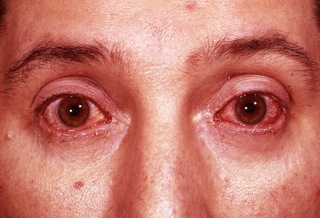
Conjunctivitis, an inflammation of the mucous membrane that covers the eyeball and eyelid, develops in about half of people with reactive arthritis. Some people may develop uveitis. Conjunctivitis and uveitis can cause:
- redness of the eyes;
- pain and irritation in the eyes;
- blurred look.
Eye involvement usually occurs in the early stages of reactive arthritis, and symptoms can come and go.
Ulcers and rashes

About 25 percent of men with reactive arthritis develop small, painless ulcers at the end of the penis.
Read also:X-linked myopathy with excessive autophagy
A small percentage of men and women develop rashes or small, hard nodules on the soles of their feet and, less commonly, on the palms or elsewhere.
Some people with arthritis develop mouth ulcers that come and go; for some, these ulcers are painless and go unnoticed.
Who Treats and Diagnoses Reactive Arthritis?
A person with reactive arthritis is likely to have to visit several different types of doctors because the disease affects different parts of the body. However, doctors and the patient may benefit from having one doctor, usually a rheumatologist (a doctor who specializes in arthritis), manage the entire treatment plan. This specialist can coordinate treatment and control the side effects of the various medications the patient will be taking. The following experts are looking at other functions that affect different parts of the body.
- Ophthalmologist (treats eye diseases).
- Gynecologist (treats genital symptoms in women).
- Urologist (treats genital symptoms in both men and women).
- Dermatologist (treats skin symptoms).
- Orthopedist (performs surgery on severely damaged joints).
- Physiotherapist (controls training regimes).
Expertise
At the beginning of the examination, your doctor will likely take a complete medical history and note your current symptoms as well as any previous medical problems or infections. Before and after visiting your doctor, it is sometimes helpful to keep a record of the symptoms that occur, when they occur, and how long they last. It is especially important to report any flu symptoms, such as:
- fever;
- vomit;
- diarrhea.
These symptoms may indicate a bacterial infection. Doctors sometimes find it difficult to diagnose pathology, because there is no special laboratory test confirming the presence of reactive arthritis in a person.
How is reactive arthritis diagnosed?
Doctors may order a blood test for the genetic factor HLA-B27, but a positive test does not always mean a person has the disorder.
Doctors may order other blood tests to rule out other conditions and confirm the diagnosis. Tests for rheumatoid factor or anti-nuclear antibodies can help rule out reactive arthritis. Most patients with the disease will have negative results from these tests. If the test results are positive, you may have a different type of arthritis, for example:
- rheumatoid arthritis;
- lupus.
Doctors may also check sedimentation rate of erythrocytes. A high settling rate often indicates inflammation in the body. As a rule, people with rheumatic diseases have increased subsidence.
Analysis for the presence of infections
Doctors will most likely check for infections that may be associated with reactive arthritis. Patients are usually tested for chlamydial infection (studies have shown that early treatment of reactive arthritis caused by chlamydia can reduce disease progression).
The examination takes samples of cells from the throat, urethra in men, or the cervix in women. Urine and stool samples can also be tested. A sample of synovial fluid may be taken from the inflamed joint. Studies of the synovial fluid can help rule out an infection in the joint.
Read also:Rheumatic arthritis: what is it, causes, symptoms, diagnosis and treatment
Visualization research methods
Doctors sometimes use x-rays to help diagnose reactive arthritis and rule out other conditions. A chest x-ray can reveal other symptoms, including:
- spondylitis;
- sacroiliitis;
- swelling of soft tissues;
- damage to cartilage and joints;
- calcium deposits.
Reactive arthritis treatment

Although there is no cure for reactive arthritis, some treatments can relieve the symptoms of the disorder.
Non-steroidal anti-inflammatory drugs
Non-steroidal anti-inflammatory drugs (NSAIDs) reduce joint inflammation and are commonly used to treat patients with reactive arthritis. Some NSAIDs are available without a prescription, for example:
- aspirin;
- ibuprofen.
Other NSAIDs that are usually more effective for the disease should be prescribed by a doctor, for example:
- indomethacin;
- tolmetin.
Corticosteroid injections
For patients with severe joint inflammation, injections of corticosteroids directly into the affected joint can reduce inflammation.
Topical corticosteroids
These corticosteroids are found in creams or lotions and can be applied directly to skin lesions, such as ulcers. Topical corticosteroids reduce inflammation and promote wound healing.
Antibiotics
Antibiotics help eliminate bacterial infections that cause reactive arthritis. The specific antibiotic prescribed depends on the type of bacterial infection present. Some doctors may recommend that the person with the disorder take antibiotics for an extended period of time (up to 3 months). Research shows that this practice is necessary in most cases.
Immunosuppressants / BMARP
BMARPs, such as methotrexate or sulfasalzine, can help control severe symptoms that are controlled by other drugs.
TNF inhibitors
TNF inhibitors such as etanercept and infliximab may be effective in treating reactive arthritis and other spondyloarthropathies.
Exercises
Before starting an exercise program, patients should talk to a physical therapist who will recommend appropriate exercises.
Exercise, when administered gradually, can help improve joint function. In particular, strengthening exercises and range of motion exercises will maintain or improve joint function.
Stretching and back extension exercises can be especially helpful in preventing long-term disability in patients with spinal pain or inflammation.
Water exercise can also be helpful for reactive arthritis. Swimming in the water significantly reduces the stress on the joints, making it easier to do the necessary exercises.
Forecast
Most people with reactive arthritis recover completely from the initial flare-ups of symptoms and can return to normal activities 2-6 months after the first symptoms appear.
About 20 percent of people with reactive arthritis will have chronic (long-term) arthritis, which is usually mild.
Research shows that 15 to 50 percent of patients begin to show symptoms again some time after the initial flare-up disappears. It is possible that such relapses can be caused by reinfection. Back pain and inflammation are the most common symptoms that recur.
A small percentage of patients will have chronic, severe arthritis that is difficult to control with medication and exercise, and can cause deformities in the joints.