
Periarteritis nodosa: what is it, causes, symptoms, treatment
Content
- What is periarteritis nodosa?
- Causes of periarteritis nodosa
- Symptoms of periarteritis nodosa
- Forms of periarteritis nodosa
- Diagnostics
- Additional examinations
- Treatment of periarteritis nodosa
- Prognosis for periarteritis nodosa
What is periarteritis nodosa?
Periarteritis nodosa (systemic necrotizing vasculitis, Kussmaul-Mayer disease) is autoimmune diseasecausing necrotizing vasculitis (inflammation and necrosis of the walls of blood vessels), mainly of medium and small caliber.
Polyarteritis nodosa is a rare disease: its frequency ranges from 0.7 to 6.3 per 100,000 population. Men get sick 2.5 times more often, the average age of the sick ranges from 38 to 43 years. In 90% of cases, the cause of the disease is unknown. But 10% of periarteritis nodosa follows virus infection hepatitis B, although this connection has not yet been proven.
Causes of periarteritis nodosa
The etiology of periarteritis nodosa is not clear. According to most researchers, various damaging factors (infectious, chemical, etc.) the background of a disturbed human immune system lead to a severe hyperergic reaction, primarily in vessels.
The provoking factors of polyarteritis nodosa can be:
- hepatitis B virus (from 10% of cases) and C;
- human immunodeficiency virus (HIV);
- cytomegalovirus infection (CMVI);
- parvovirus B19;
- medicines (preparations of iodine, bismuth, sulfonamides, antibiotics), serum.
Infectious agents (primarily viruses) can have a direct toxic effect on endothelial cells or subendothelial structures.
Symptoms of periarteritis nodosa
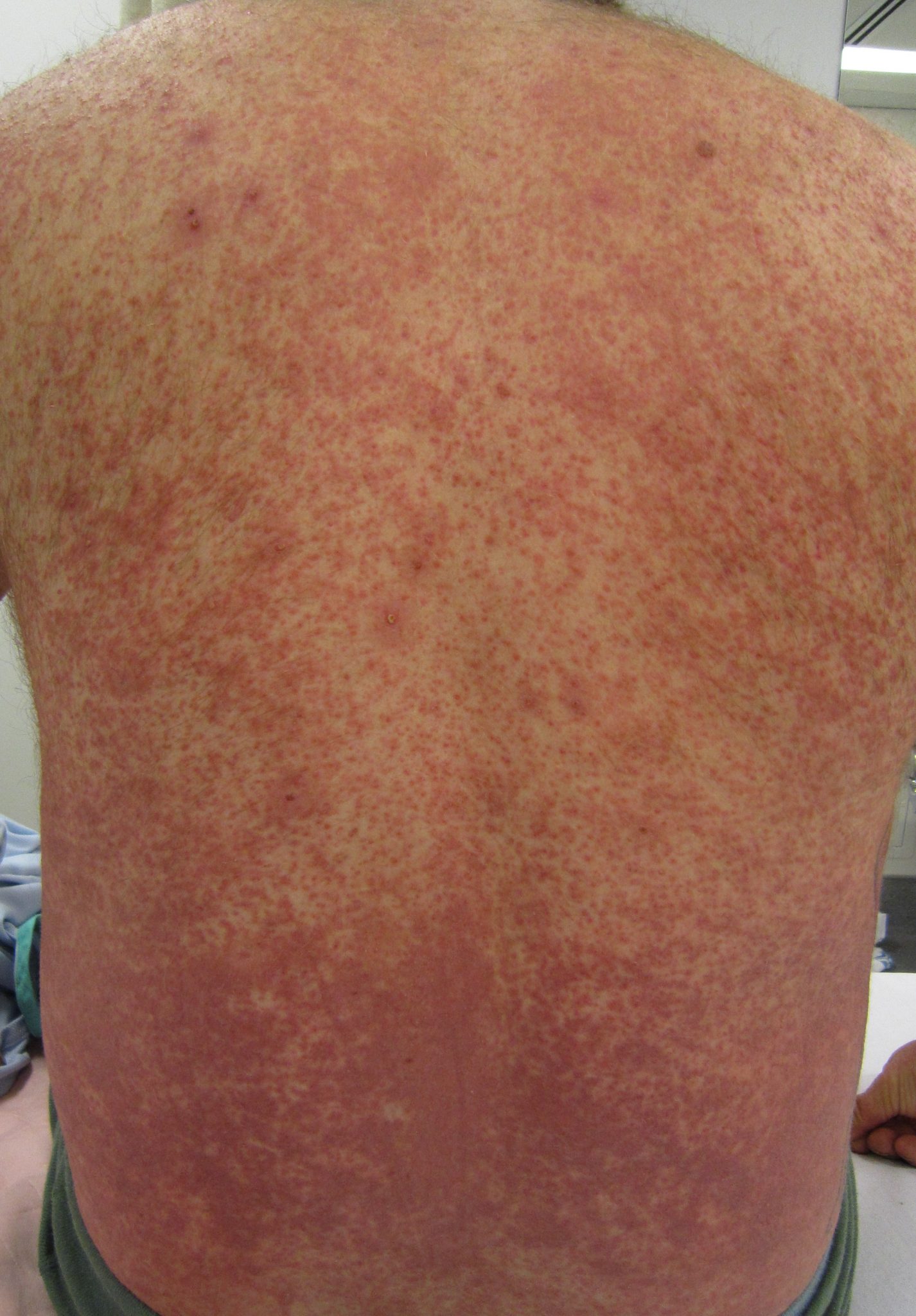
The onset of the disease is usually acute or subacute with characteristic manifestations:
- fever up to 38-39 ° C;
- myalgia (mainly in the calf muscles);
- possible arthralgia large joints, less often arthritis develops;
- weight loss (weight loss can reach 20-30 kg in a few months);
- skin rashes: nodules (in 15-20% of patients), the appearance of a branched pattern on the skin of the limbs and trunk;
- distal ischemia or gangrene.
After 2-3 months, signs of damage to internal organs and systems appear.
- The kidneys are affected in 60-80% of cases in the form arterial hypertension, up to the development of malignant hypertension with rapidly progressing renal failure. Characterized by urinary syndrome with moderate proteinuria and hematuria. Development nephrotic syndrome rarely observed. A rare complication is rupture of renal artery aneurysms with the development of perrenal hematoma.
- Asymmetric motor polyneuritis develops in 2/3 of patients with paresis of the hands and feet. Unlike polyneuritis of a different etiology (alcoholic, viral, with oncopathology), for nodular polyarteritis is characterized by movement disorders, severe pain syndrome, multiple mononeuritis.
- Abdominal syndrome is a consequence of vasculitis of the vessels of the abdominal cavity (mesenteric vessels). Severe abdominal pain may occur, peritonitis may develop due to perforation of intestinal ulcers (usually of the small intestine), pancreatitis, gallbladder necrosis.
Read also:Sjogren's disease (dry syndrome): what it is, causes, symptoms and treatment
The defeat of other organs and systems occurs less often with polyarteritis nodosa - the development of coronaritis is possible (angina, myocardial infarction), orchitis, damage to the central nervous system, lungs (pneumonitis).
Forms of periarteritis nodosa
There are two main forms of nodular periarteritis downstream:
- acute (rare);
- chronic.
Sharp form mostly young people are affected. It is extremely difficult and after a few months is fatal.
Chronic form differs in a longer course (sometimes up to 12-15 years) with remissions, the reverse development of some symptoms, the involvement of new organs in the process during exacerbations. Clinically, it can manifest itself in several ways.
The most common options are those in which kidney damage is combined with polyneuritis or with damage to internal organs (lungs, heart, intestines).
Diagnostics
Symptoms of periarteritis nodosum are varied. Therefore, there are no diagnostic tests that target a specific symptom or symptom. Before any treatment, the doctor establishes and analyzes the patient's medical history. He then has to combine clinical elements, radiographic (angiographic) and / or histological data to confirm the diagnosis.
Infection research is also underway. It targets the infection hepatitis viruses B, C. It is also the Human Immunodeficiency Virus (HIV). These viral infections can cause periarteritis nodosa. This will lead to appropriate therapy.
This research is mainly based on the affected organs. The more clinical evidence that a particular organ is involved, the more likely a biopsy of that organ will provide useful diagnostic information.
The manifestations of this disease vary widely depending on the affected arteries. Most patients with periarteritis nodosa have a biological inflammatory syndrome. Damage to the renal, digestive, and musculoskeletal systems is often in the foreground. Thus, they can find:
- general signs: prolonged fever, deterioration of the general condition;
- kidney damage: chronic kidney failure, high blood pressure;
- digestive damage: painful crises, mesenteric infarction;
- myalgia, arthritis, polyneuritis, mononeuritis;
- other signs: orchitis (damage to the testicles), stroke, asthma.
Additional examinations
- Complete blood count: increase ESR, leukocytosis, thrombocytosis, anemia is rare.
- General urine analysis: moderate (up to 3 g / l) proteinuria, hematuria (usually microhematuria).
- Biochemical blood test: an increase in creatinine concentration, a decrease in glomerular filtration. With liver damage, cytolysis syndrome prevails.
- Immunological studies: detection of markers of hepatitis B or C viruses (including by enzyme immunoassay), presence of HBV-DNA, HCV-RNA in blood serum.
Read also:Temporal arteritis
At mesenteric angiography or renal arteries reveal microaneurysms or segmental stenoses. Biopsy (one of the most reliable diagnostic methods) is twice as informative when carried out in areas of affected skin or painful muscles compared to clinically "dumb" areas.
Treatment of periarteritis nodosa
Treatment for periarteritis nodosa should begin as early as possible. It is carried out taking into account the peculiarities of the clinical picture and the course of the disease. In the acute period, hospitalization of patients is required with the appointment of bed rest and full, but sparing nutrition (diet No. 10).

The main place in drug therapy is occupied by glucocorticosteroids. At the onset of the disease, with exacerbations of chronic forms without kidney failure and high stable arterial hypertension, patients are prescribed 30-40 mg prednisolone per day in combination with derivatives pyrazolone (butadion, reopirin, etc.) and 4-aminoquinoline (hingamin, plaquenil) in the usual dosage.
With severe general symptoms, high activity of the process (fever, sharp pain syndrome, rapid loss of body weight) and increasing signs of damage to internal organs sometimes have to be prescribed 80-100 mg prednisone in a day. In such cases, it is advisable from the first days to add to large doses of prednisolone immunosuppressants (azathioprine or mercaptopurine 150-200 mg, cyclophosphamide 200 mg per day), non-steroidal anti-inflammatory drugs (indometation 100-150 mg, butadion 450 mg, voltaren 100-150 mg per day), ascorbic acid and other vitamins, antihistamines (diphenhydramine, tavegil, diazolin).
With pronounced arterial hypertension the appointment of large doses of prednisolone can lead to the stabilization of high blood pressure, the development of retinopathy, etc. In such cases treatment is carried out with small doses of prednisolone (15–20 mg) in combination with pyrazolone and 4-aminoquinoline derivatives against a background of hypotensive therapy. In the absence of effect, add immunosuppressants (azathioprine 125–150 mg, cyclophosphamide 100–200 mg, chlorobutin, or leukeran, 10–15 mg per day). The combination of small doses of prednisolone with immunosuppressants is indicated for kidney damage. It is also advisable to prescribe heparin up to 20,000 IU per day (under the control of coagulogram and blood coagulation time), indomethacin.
With the development of kidney failure the use of prednisolone should be discarded. In such cases, under control creatinine and blood urea continue treatment with immunosuppressants, heparin, anticoagulants against the background of a mono-protein diet according to Giovanetti, correction of electrolytes and acid-base state, taking anabolic steroids.
Read also:Arthritis and rheumatic diseases: types with descriptions, causes, symptoms and treatments
The defeat of the peripheral nervous system is an indication for the appointment of immunosuppressants.
With the predominance of pulmonary syndrome, the main drug of the therapeutic complex is prednisolone (50-60 mg per day or more).
Upon reaching the therapeutic effect the dose of prednisolone is gradually reduced (every 8-10 days by 1.25-2.5 mg), then they switch to maintenance therapy (prednisolone - 10-15 mg and hingamin - 0.25 mg per day). If the main course of treatment included immunosuppressants, then supportive therapy should include, in addition to prednisolone (5-10 mg) azathioprine (50 mg) or cyclophosphamide (50-100 mg), which should be used for a long time. It is possible to alternate between receptions (every other day) of prednisolone and an immunosuppressant. It is necessary to take into account the possibility of developing adverse reactions and complications of immunosuppressive and steroid therapy. With long-term maintenance doses of drugs, it is advisable to periodically prescribe ascorbic acid, potassium orotate, anabolic steroids. This tactic allows many patients to maintain a stable remission with a gradual transition to taking prednisolone (and immunosuppressants) every other day or 2 times a week. Side effects of steroid therapy are minimal, and often absent altogether.
A significant place in the treatment of patients with periarteritis nodosa is symptomatic therapy. With arterial hypertension, antihypertensive drugs are prescribed (clonidine 0.075-0.15 mg 3-4 times a day, methyldopa, or dopegit, 250-500 mg 3-4 times a day, etc.), saluretics (dichlothiazide, furosemide, etc.), antagonists aldosterone. Complex therapy should also include ascorbic acid, B vitamins (especially with damage to the peripheral nervous system), if necessary - pain relievers and sedatives.
Prognosis for periarteritis nodosa
In the absence of treatment, the prognosis is extremely poor. The disease proceeds with lightning speed, or with periodic exacerbations against the background of steady progression. The cause of death becomes renal failure, lesions of the digestive tract (especially intestinal infarction with perforation), cardiovascular pathology. Often, damage to the kidneys, heart and central nervous system is aggravated by persistent arterial hypertension, with which late complications are associated.
The five-year survival rate without treatment does not exceed 13%, with corticosteroid treatment it reaches 40%. The labor prognosis is doubtful due to the persistence of complications of the disease - peripheral and central paralysis, severe hypertension, heart damage and others.