Preparation for gastroscopy: features of the procedure and recommendations of doctors for patients before esophagogastroduodenoscopy

Content:
- Esophagogastroduodenoscopy
- Features of preparation
Gastroscopy is a modern diagnostic research method, the main task of which is to examine the upper part of the patient's digestive system. The procedure is performed using a special endoscopic device.
Due to its high information content, gastroendoscopy is rightfully considered the most popular examination of the esophagus, stomach, and pancreas. With its help, it is possible to identify various pathological processes that occur even in the early stages. That is why it is important for adults to know the peculiarities of preparation for gastroscopy in order to be able to undergo the procedure correctly.
The basics
To properly prepare for such an examination, patients must understand exactly how it is performed. This will help you understand what you need to be prepared for.
Traditionally, the duration of the study is no more than 15 minutes. During this time, the patient lies on his side. He clamps a mouthguard between his teeth, which makes it possible to insert an endoscopic probe with a camera.
You should know that proper preparation for gastroscopy allows you to perform the procedure efficiently and get accurate results. To do this, a person should follow a diet, adhere to medical advice, and also pass a number of tests.
The procedure itself can be frustrating. Pain relievers are usually used to reduce the discomfort. Also, doctors often recommend that patients take a laxative on the eve of the study.
What tests need to be passed
A mandatory requirement before performing a gastroscopy is the delivery of the following list of tests:
- General blood analysis. It will show if there is inflammation in the body.
- Analysis of urine.
- Blood chemistry.
- Blood clotting test.
- A blood test to identify the group and Rh factor.
- HIV test.
- Blood for hepatitis B, C, syphilis virus.
Also, sometimes, before performing this procedure, the patient is prescribed less invasive diagnostic procedures, such as ultrasound, radiography. If an oncological process is suspected, MRI can be used.
What your doctor needs to know about you
Preparation for gastroscopy necessarily involves talking with a doctor. In this case, the specialist should be informed about the following:
- The presence of chronic diseases (diabetes, hypertension, blood diseases, etc.). Stress during the procedure can exacerbate the disease. Also, the doctor must know about epilepsy, panic attacks, respiratory diseases system of the patient, since this can become an obstacle to the successful implementation of the study without complications.
- Allergic reactions to medications. It is worth reporting this, since during the study, the pharynx and the oral cavity of a person will be treated with drugs.
- Pregnancy. It is especially important not to hide your position in the first or second trimester of pregnancy, because the selection of an analgesic will depend on this. The safest is Lidocaine spray. It will not harm either the woman or the fetus.
- Severe pain and vomiting. It is also worth telling your doctor about other unpleasant symptoms such as nausea, indigestion, etc. This will help doctor to choose the right analgesic and prescribe a number of drugs to the patient that will improve his condition during procedures.
- Recently transferred surgical interventions. It is especially important to tell your doctor about stomach surgery. Also, the specialist should inform about the ongoing drug therapy. In this state, the gastric mucosa can be susceptible to irritants that are present during endoscopic examination. This can significantly extend the recovery period after the procedure.
It is important to understand that preparation for the examination should begin a few days before the procedure itself. This is the only way to count on the safety and information content of diagnostics, after which a person will not have complications.
Esophagogastroduodenoscopy: how to prepare, diet and prohibited foods before the procedure
Before the examination in the morning, the patient should not eat anything, since even easily digestible foods will not allow a thorough examination of the digestive tract. Many people ask their doctor if they can drink water. In this state, doctors do not recommend drinking fluids. The last water intake should be carried out three hours before the procedure.
Esophagogastroduodenoscopy, how to prepare for which you can learn in detail from a gastroenterologist, provides for a mandatory quitting smoking. This is justified by the fact that nicotine enhances secretory functions, which can significantly distort the final picture of the video review of internal organs. For this reason, on the day of the study, it is worth refraining from this addiction.
The next mandatory rule before gastroscopy is refusal to take medications (especially pills). If it is necessary to drink the drug, this should be done after the study.

After noon
In the event that the diagnosis is carried out in the afternoon, a light breakfast is allowed for a person. At the same time, doctors remind that the break between the last meal and the procedure should be
It is best if in the morning a person eats yogurt and drinks herbal tea. Such food is quickly digested and does not interfere with the work of the endoscope.
Esophagogastroduodenoscopy, how to prepare for which largely depends on the specific area being examined, requires mandatory bowel cleansing. It is especially important to do this in the evening before the day of the procedure.
Dos and don'ts before gastroscopy
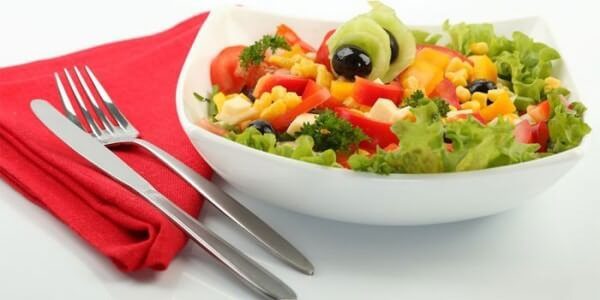
The day before the procedure, the patient needs to follow a special dietary diet. Allowed foods for consumption are yoghurts, light soups, baked vegetables. You can also eat eggs, stews, mashed potatoes, cereals (wheat, oatmeal).
Juices, teas and compotes are allowed from liquid. It is worth eating in small portions so as not to overload the digestive system. On the night before gastroscopy, it is strictly forbidden to consume anything.
It is best to go to bed early, especially if the exam will be done early in the morning.
In order not to interfere with the procedure, before gastroscopy, it is worth refusing to use the following products:
- Alcoholic drinks are prohibited in any form and quantity.
- Carbonated drinks. It is especially dangerous to consume bright drinks, since they can change the color of the mucous membranes of the organs with their dyes. This will make it difficult to establish the degree of inflammation in the gastrointestinal tract.
- Blue cheese.
- Salo.
- Mayonnaise.
- Cream.
- Bread and biscuits.
- Smoked products.
- Pork and sausages.
- Fatty fish.
- Greens.
- Canned food.
Also, do not eat fast food.
What needs to be done before
Esophagogastroduodenoscopy, how to prepare for which all patients should know before the study, is performed in the treatment room. Immediately before the start of the examination, a person needs to go to the toilet, put on special protective underwear, and remove dentures.
Also, the psychological attitude is a very important factor. If the study is performed without anesthesia, then the person should be prepared for discomfort and gag reflex. The main thing in this case is not to panic, since then the person's breathing will be disturbed, which will only complicate the procedure.
Gastroscopy is always supervised by several specialists. In the event of a sharp deterioration in the patient's condition, professional medical assistance will be provided. Doctors should be especially careful when performing such an examination in cases where the study is carried out for pregnant women and people with severe chronic diseases.
If during gastroscopy the patient's condition worsens, he should immediately inform the specialist about it.
How to prepare for gastroscopy of the stomach: necessary things from home, features and rules for the successful completion of the study
Gastroscopy - this is a rather difficult examination for patients, so it should be approached in all seriousness. Before preparing for gastroscopy of the stomach using a diet, you need to put a clean sheet, soft towel, napkins, change of clothes, shoe covers in a separate bag. Also, do not forget about the documents, namely - passport, insurance.

Many doctors advise taking the results of past studies, tests, ultrasound, etc. for the procedure. This will help to more accurately establish the diagnosis and track changes, if any.
Today, in modern clinics, before the procedure, the patient is put on special clothing that protects him from vomit and saliva. A small towel is placed under the head.
For the examination to be as successful as possible, it must be performed by an experienced specialist. This will provide a minimum of discomfort.
What you need to know for a successful gastroscopy
Many patients do not know how to properly prepare for gastroscopy of the stomach, therefore, they make a number of mistakes that make the study difficult. To avoid this, you should come to the examination in loose clothing that does not hinder your movements. It is best to wear a simple, discreet T-shirt, trousers. It is also better not to wear a tight belt, jewelry.
The moral preparation of the patient is equally important. He should come to the procedure collected, not nervous or afraid. To do this, you can take a loved one with you for support.
You need to show up for research half an hour before the appointed time. You should not be late, because then you can skip your turn and start to get nervous.
During gastroscopy, to avoid gagging, you need to rinse your mouth with an anesthetic solution. It is issued by a doctor.
When inserting the tube, you need to relax and take a deep breath. This will allow the tube to pass through painlessly.
In some cases, gastroscopy is performed under general anesthesia. This is required in case of severe pain in a person, as well as the impossibility of postponing the introduction of the endoscope. In a similar state, the patient is administered a light sleeping pill and sedative, which makes him fall asleep for 15-20 minutes. This is enough to complete the research.
For especially sensitive patients, doctors recommend thinking about the good during the study, and not looking at the process. It is also important to follow all the doctor's recommendations.
He will tell you in detail how to prepare for gastroscopy of the stomach, the observing gastroenterologist. It is this specialist who usually prescribes this study if there is a suspicion of internal bleeding, inflammatory processes in the digestive system, exacerbation of an ulcer, etc.
After completing the procedure, the person needs to rest. On this day, it is advisable to refuse food intake. It is only allowed to consume light soups and yoghurts, and drink tea. If you experience pain or other unpleasant consequences, you need to inform your doctor about them.
After an endoscopic examination of the digestive system, the patient is diagnosed and the appropriate treatment is selected. It is usually medicated. Also, without fail, a person will need to follow a dietary diet. This is the foundation for successful therapy.
Partial use of site materials (no more than 30% of the content of the article) is allowed only with a hyperlink on www.med88.ru, full use of the article (more than 30% of the article content) is possible only with written permission edition.