Constipation: how does the feeling of incomplete emptying manifest itself and what is the danger, how to help yourself

Content:
- Symptoms, diagnosis, complications
- Treatment and medicines
- Diet and prevention
Doctors talk about constipation if the number of bowel movements does not exceed three per week.
But, in the opinion of modern authors, such a definition is not entirely correct.
We can talk about such a diagnosis when even regular bowel movements are accompanied by a feeling of an empty intestine, and the act of defecation is painful and constant straining.
Constipation also causes a decrease in water in the stool.
Normally, its level reaches 70%, and with this pathology does not exceed 40%.
Children often suffer from this disorder, but it often occurs in adults, especially in old age.
All causes of constipation can be divided into several groups:
- alimentary, associated with the peculiarities of diet and lifestyle;
- mechanical, caused by compression or obstruction of the rectum;
- dyskinetic, provoked by impaired motility of the rectum and muscles surrounding the anus.
Alimentary etiological factors of constipation include:
- a decrease in the amount of food consumed as a result of switching to a strict diet, starvation, violation of the diet on a long trip, etc.;
- a decrease in the amount of fluid consumed (normally this indicator for an adult is at least one and a half liters, and the required volume of drinking increases in hot weather, with intense physical load);
- insufficient content of fiber and plant fibers in the diet;
- the predominance of protein and fatty foods, flour and confectionery products, muffins, sausages, smoked meats, refined food in the daily menu.
The elderly and children with concomitant gastrointestinal motility disorders are especially sensitive to such dietary disorders.
Mechanical causes of constipation are closely related to intestinal diseases, which cause narrowing of its lumen from the inside or squeezing from the outside.
These pathologies include:
- haemorrhoids;
- tumors of the gastrointestinal tract;
- adhesions;
- hardening of fecal masses in the intestine (the formation of fecal stones);
- inflammatory processes of the intestinal mucosa (proctitis, diverticulitis, etc.);
- anal fissures;
- ingress of foreign bodies into the rectum;
- infiltrates and abscesses of the abdominal cavity;
- pressure on the bladder and bowels during late pregnancy.
Constipation caused by dyskinetic causes is difficult to treat. Normally, the process of defecation is as follows. As a rule, in the first half of the day after awakening, feces from the sigmoid colon enter the rectum, stretching its walls. This causes irritation of specific nerve receptors and a defecation reflex, accompanied by a consciously controlled relaxation of the sphincters and emptying of the intestines.
The process of moving content to the final sections of the rectum consists of several interconnected processes:
- absorption of water and electrolytes;
- contraction of individual fibers of the musculature of the large intestine, which ensures mixing of the contents and removal of residual fluid;
- the gradual movement of feces to the anus, which ends directly with defecation.
Constipation occurs when there is a violation of the coordination of contraction of the intestinal musculature. As a result, the movement of feces through the intestines slows down, the absorption of water increases, the volume decreases and the density of feces increases.
Hypokinetic disorders of the intestine are accompanied by a slowdown in peristalsis, which causes a delay and accumulation of feces in the colon.

The causes of such disorders are metabolic disorders, the intake of a number of medications, pathologies of the central nervous system:
- central or peripheral neuropathies;
- Chagas disease, Parkinson's;
- neurofibromatosis;
- spinal cord lesions;
- scleroderma;
- amyloidosis;
- Certain medications (opiates, antihypertensives, antidepressants, preparations containing iron, aluminum, barium-based X-ray contrast agents);
- long-term use of laxatives;
- diabetes;
- hypercalcemia;
- hyponatremia;
- disorders of the thyroid gland and other endocrine diseases;
- the habit of constantly suppressing the urge to defecate;
- myasthenia gravis;
- helminthic invasions.
It is important
Hypokinetic bowel disorders are characteristic of elderly patients.
Hyperkinetic disorders, on the contrary, are accompanied by increased intestinal motility. Its walls contract so intensely that muscle spasm occurs. Ultimately, this leads to a delay in the movement of feces.
The reasons for this disorder are:
- inflammatory diseases of the epithelial membrane of the digestive tract;
- irritable bowel syndrome;
- ulcerative colitis, etc.;
- transferred intestinal infections.
One of the disease classification systems is also responsible for the causes of the pathology. According to her, constipation is:
- alimentary associated with food factors;
- neurogenic, caused by disorders of the nervous system;
- hypodynamic (atonic), provoked by motor disorders;
- constipation with inflammatory bowel lesions;
- proctogenic caused by pathologies of the rectum;
- mechanical, due to the presence of obstacles to the normal passage of feces;
- constipation caused by rectal abnormalities;
- toxic;
- medicinal;
- psychogenic (or psychological), when a person consciously restrains the urge to defecate due to pain, embarrassment, etc.;
- endocrine, arising from hormonal disorders;
- constipation due to disorders of water and electrolyte metabolism;
- mixed.
The so-called functional (idiopathic) constipation is distinguished into a separate group. A similar diagnosis is made if, after a comprehensive examination, it is not possible to identify the exact cause of the pathology.
According to the duration and nature of the course, constipation is acute and chronic. An acute condition occurs against the background of an exacerbation of intestinal diseases, prolonged sitting, and eating disorders. It usually goes away on its own or after a single use of laxatives. A chronic condition involves intermittent constipation for 3 months or more.
According to the stage of the course, pathology can be:
- compensated, in which only diet correction is required;
- subcompensated when drug therapy is added to the diet;
- decompensated, requiring additional cleansing procedures.
In addition, constipation is divided into primary, caused by congenital pathologies of various structures of the digestive tract, and secondary. The latter arise as a result of nutritional factors, pathologies that have developed throughout life, etc.
You may also be interested in
- How to normalize stool
- How to start your stomach
How constipation manifests itself: symptoms, diagnostic methods and possible complications
The disease can be accompanied by rather variable symptoms. As a rule, patients complain about:
- a feeling of heaviness in the rectal area;
- lack of free defecation, for the discharge of feces, it is necessary to strongly strain the muscles of the abdominal wall;
- feces of a very dense consistency, can take the form of a walnut;
- feces are excreted from the rectum in small portions, which does not bring relief.

Often, stagnation of feces is accompanied by severe colic in the lower abdomen. Sometimes there is flatulence, bloating. Children often have nausea and vomiting, lack of appetite.
Also appear:
- signs of intoxication (weakness, fatigue);
- bad breath;
- heartburn;
- neurological disorders (nervousness, unreasonable deterioration of mood, irritability, sleep disturbances, etc.).
In some cases, signs of concomitant diseases of the digestive tract join the main symptoms, such as constipation. The inflammatory process is accompanied by an increase in body temperature, abdominal pain.
It is important
Quite often, prolonged constipation ends in severe diarrhea, and the feces have a fetid odor and contain significant impurities of mucus.
When specific characteristic symptoms appear, it is necessary to consult a gastroenterologist. The main task of the doctor is to find out the exact cause of the pathology and exclude serious diseases that require urgent medical or surgical therapy.
The examination of the patient begins with the collection of anamnesis. At this stage, the doctor finds out whether the symptoms, how chronic constipation manifests itself, can be caused by an alimentary factor or medication. In this case, it is enough to correct the diet and replace the drugs used with analogues that are safe in terms of bowel function.
If constipation is not associated with these reasons, the doctor draws attention to the so-called "red flags" that require further examination.
These include:
- the presence of blood impurities in the feces;
- fast weight loss;
- temperature rise;
- anemia (based on the results of a clinical blood test);
- abdominal pain, their location and nature;
- objective and subjective signs of the inflammatory process.
If there are no such signs, the patient is asked to pass a clinical analysis of feces, a coprogram is made and is prescribed for 2 - 3 weeks treatment with the use of laxatives and medicinal products that improve digestion drugs.
Otherwise, the list of diagnostic measures is supplemented with such studies:
- sigmoidoscopy (visual examination of the mucous membrane of the end sections of the rectum);
- irrigoscopy (X-ray of the intestine with the introduction of contrast);
- colonoscopy (endoscopic examination of the rectum);
- gastroduodenoscopy (the introduction of an endoscopic probe into the upper digestive tract);
- Ultrasound of the abdominal organs;
- specific tests to assess intestinal motility (anorectal manometry, scintidefecography);
- analysis of the microflora of the rectum to exclude or confirm dysbiosis.
The prognosis of constipation is generally favorable. However, the further course of the disease largely depends on the presence of concomitant pathologies of the gastrointestinal tract, the quality and timeliness of the prescribed therapy.
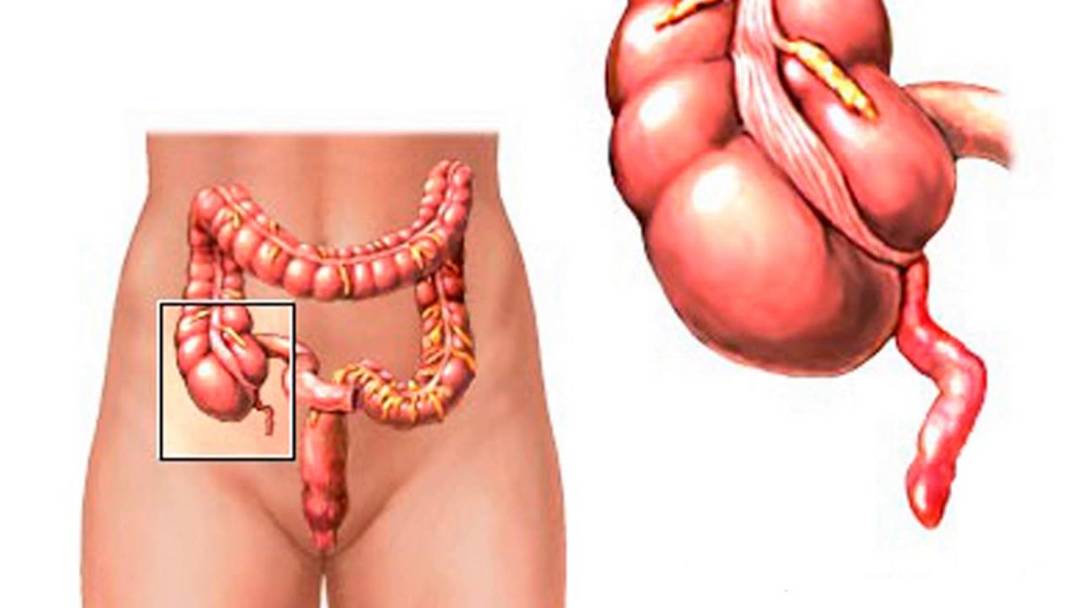
With prolonged constipation, the risk of developing colon diverticulosis significantly increases, which is accompanied by the formation of pathological neoplasms (diverticulums) in the intestinal wall. Also, fissures of the rectum and anus often occur, ending with hemorrhoids with the appearance of hemorrhoids of various sizes. Sometimes patients are diagnosed with proctosigmoiditis (acute inflammation of the rectal mucosa). In severe cases, constipation can cause acute intestinal obstruction.
Feeling of incomplete emptying: medicated and non-medicated methods of getting rid of
Enema and micro enema can relieve constipation. Enema done with Esmarch's mug. A saline solution, pure water, a pink solution of potassium permanganate, decoctions of medicinal herbs, and a solution of soap are injected into the intestines. For a person weighing 60 - 80 kg, 1.5 - 2.0 liters of liquid cooled to a temperature of 33 degrees is enough for one procedure.

The tip should be boiled and stored in a container with boiled water. Before the procedure, connect it with a hose, grease it with petroleum jelly or baby cream. Please note that the tip should not have sharp chips, cracks, or roughness. Such defects can injure the rectal mucosa and the sphincter of the anus. Secure the Esmarch's mug at a height of 1.5 meters, fill with water, opening the clamp, be sure to release air from the hose.
Lie on your right side on the bed and bring your knees up to your chest. Try to relax as much as possible in this "fetal position", this will make the introduction of the tip into the rectum painless. Gently insert the tip, slowly advancing it into the intestines up to about 7 cm.
Open the clamp and let the water flow slowly into the intestines. Breathe actively, deep inhalation and exhalation promote the penetration of fluid and its even distribution. If you feel any unpleasant sensations, then close the hose with a clamp and rest a little. When the Esmarch mug is empty, carefully remove the tip and take a knee-elbow position. Try to keep fluid in your intestines for at least 5 minutes. As a rule, after an enema, an immediate emptying occurs. After the procedure, you should lie down for at least 2 hours.
It is important
The insertion of the enema tip should not cause pain or severe discomfort. If pain is present, then change the position of the body and relax the gluteal muscles.
Oily microclysters soften fecal impurities, making the contents of the intestines softer and more elastic. Oil of flax, pumpkin, sea buckthorn, glycerin is especially useful. To inject the composition, you will need a special balloon with a rubber or plastic tip. The oil is injected through the channel, preheated to body temperature.
It is better to put micro enema before going to bed, already lying in bed. In the supine position, you need to be at least 30 minutes, all this time the knees should be brought to the chest as much as possible. Thus, you will reduce the load on the sphincter of the anus and allow the oil to act evenly in the ampulla of the rectum.
Drugs
For drug therapy of constipation, the pharmacy chain offers dozens of pharmacological agents.
All laxative medicines can be divided into the following groups:
- irritating intestinal receptors (Senade, Pirilax, Herbion Laksana, Bisacodyl). As a rule, defecation occurs within 6 to 8 hours. Shown with intestinal atony, insufficient peristalsis due to a sedentary lifestyle;
- probiotics (Acipol, Lactobacterin, Linex). They have no contraindications, they act on the very cause of constipation, they improve the work of the intestines by restoring the natural microflora. Shown to children from infancy;
- medicines of osmotic action (Lavacol, Macrogol, Mikrolaks). Feces are softened and evacuated by retaining water in the intestinal lumen. This group of medicines is not suitable for regular use, but is often used before surgery or during certain types of diagnostics.
Sometimes intestinal fillers (flaxseed, methylcellulose, wheat bran, agar-agar) are referred to as laxatives. They are composed of non-digestible components, which can significantly increase the volume of feces. It is used for mild forms of constipation, the positive effect does not always come.
In pediatric practice, glycerin suppositories, Prelax syrup, Duphalac, Microlax are most often used. But before using any remedy that facilitates defecation, you should consult with your family doctor or pediatrician. Children of the first months of life (babies) require special attention.

It is important
In adults, taking laxatives should not last more than 10 days, otherwise there is a high risk of disrupting the natural intestinal motility and only aggravating the problem with stool!
Folk laxatives
The benefits of folk remedies for constipation are recognized by official medicine. But, if this ailment bothers you often, then it is necessary to establish the root cause of the pathology, and only then resort to "grandmother's" advice. For informational purposes, here are some recipes:
- It is useful for a child to give pasteurized vegetable oil, it will help normalize the intestines. Place a small glass container with oil in a saucepan with cold water and let it boil. Keep on fire for 30 minutes without covering. Give to your baby before each feed. Start with 1 drop and slowly work up to half a teaspoon.
- Delicious prune medicine. For 0.5 kg of prunes, take 3.5 liters of water, let it boil and simmer for half an hour under a closed lid. Then add 50 grams of buckthorn and continue simmering for another 30 minutes. The strained broth should be drunk in the evening just before bedtime, about half a glass.
- Brew two tablespoons of senna herb in a glass of boiling water and drink. The natural component almost never causes abdominal pain and loss of appetite.
- Flaxseed oil and seed, aloe, cherry leaves, green tea, dill seeds have a laxative effect. Avocados, grapes, blueberries will make the stool softer and remove the feeling of incomplete emptying of the intestines.
Diet and prevention
Nutrition for constipation requires special attention, because food products can affect the consistency of feces. We strengthen the diet with seasonal fruits and vegetables, they are rich in fiber, which is able to regulate the work of the intestinal tract. Natural fermented milk products with live lactobacilli, baked pumpkin, boiled or stewed carrots, beets, raisins will help to establish the intestinal microflora.
It is important to observe the drinking regime, avoid periods of thirst, drink at least 8 glasses of water per day. Food is fractional, in small portions 5-6 times a day. Do not forget about dried fruits, dried apricots are especially useful. All caffeinated drinks will make the problem worse. To prevent the appearance of a feeling of incomplete emptying, it is necessary to take in sufficient quantities of sunflower or olive oil. But excessive consumption of these foods can lead to loose stools and impaired liver function.
Constipation can be avoided by adjusting the diet, by being physically active, by controlling your emotional state. A special massage of the abdomen and a set of exercises will help the movement of feces. If chronic somatic diseases are the cause of stool retention, then make every effort to provide quality therapy.
Partial use of site materials (no more than 30% of the content of the article) is allowed only with a hyperlink on www.med88.ru, full use of the article (more than 30% of the article content) is possible only with written permission edition.