Blood test for RW: technique of execution, indications for conduct and evaluation of results
There is no doubt that correct diagnosis is the first step towards successful and effective treatment. Moreover, this applies to diseases that are prone to long-term recurrent course. Syphilis belongs to the group of such pathologies. In the initial stages, this bacterial infection is treatable, which is quite safe and consists in the appointment of certain antimicrobial drugs.
A blood test for RW (this Latin abbreviation denotes the Wasserman reaction) is one of the earliest and most reliable methods for diagnosing syphilis. That is why this study is included in a number of protocols for preventive examination of various categories of patients and monitoring the success of therapy.
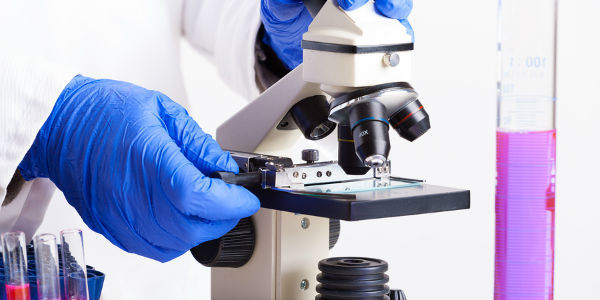
Most people imagine such an analysis as a regular visit to a clinical laboratory and a routine blood collection from a vein. But still, what is RW and what is the technique for performing research? The Wasserman reaction belongs to the group of serological nonspecific blood reactions, the conduct of which is based on the principle of complement binding. When performing the analysis, human blood is combined with a laboratory solution consisting of complement, hemolytic mixture (animal blood serum) and antigen mixed in equal proportions.
The reaction occurs when there are specific antibodies in the patient's body to a certain causative agent of the disease. If we talk about syphilis, this is a pathogenic microorganism treponema pale.
When the complement is fixed on the antigen-antibody complex, the result is considered positive, and in the absence of infection, the complement remains free. For the first time, a methodology for conducting a serological study was proposed at the beginning
However, later this analysis is named after the German microbiologist Wasserman. Despite the emergence of more reliable and specific methods, a blood test for RW is one of the main ways to detect syphilis. It is so widespread because of its low cost and ease of implementation.
As an antigen, a cardiolipin antigen obtained by purifying muscle tissue fibers from a bovine heart is used.However, this diagnostic method has several disadvantages:
- The impossibility of detecting syphilis at the initial stages of development and reproduction of the pathogen of the pathology, the definition of treponema is possible no earlier than through
10–14 days after the formation of a hard chancre (this is approximately5–6 week after infection); - questionable results if RW is positive in 100% of patients with secondary syphilis, but if the tertiary form of pathology (subject to an active course), the Wasserman reaction reveals the disease only at 70%;
- a high probability of false positive results against the background of certain conditions, pathologies, bad habits, errors in the diet.
The analysis by the Wasserman method is of great practical and therapeutic importance:
- allows you to quickly and safely diagnose syphilis, both in adults and in children at risk (in contact with infected people, if there are sick people in the family);
- suitable for preventive examinations;
- allows you to identify syphilis in its latent form;
- makes it possible to assess the timing of the infection in the body.
It is necessary to undergo a study with a blood test with a Wasserman reaction for the following categories of patients:
- employees of public catering establishments (cafes, bars, restaurants), cooks, sellers of the culinary departments and other people who are in contact with food due to their profession;
- medical workers, pharmacists, employees of pharmaceutical factories;
- donors of blood, sperm, eggs, organs;
- at the planning stage of conception;
- professions requiring regular medical examination;
- upcoming surgical intervention;
- planned hospitalization.
Mandatory indications for the analysis of RV for syphilis are:
- accidental unprotected sexual intercourse;
- contact with an infected person;
- pregnancy (the study is carried out when registering with an antenatal clinic, closer to week 30 and upon admission to the hospital);
- the appearance of a hard chancre, a specific rash and other symptoms of syphilis;
- for a newborn - diagnosed syphilis in the mother before or during pregnancy;
- dermatoses of unclear etiology, especially if they are combined with lymphadenitis, myalgia, arthralgia, fever and general weakness.
In addition, the analysis should be passed to all men and women who are sexually active and who change sex partners. In addition, a study using the Wasserman method can be included in the list of preventive tests that are recommended to be taken every year.
Blood test for RV: preparation for the study, method of implementation, interpretation of results and tactics of further actions
Performing analysis using the Wasserman reaction is very sensitive to the influence of external factors. Therefore, it is necessary to carefully prepare for the study. The main condition is strict abstinence from food intake (especially fatty ones), consumption of alcoholic beverages, coffee and strong black tea at least 8 hours before blood sampling. Per
Its useful to note
When taking any medications, especially those with antimicrobial activity, it is necessary to consult a doctor before performing RT.
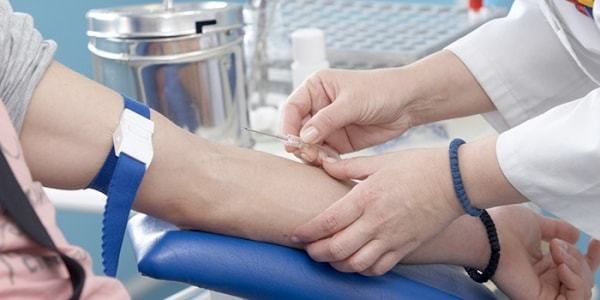
Blood sampling for analysis is made from a vein. Then the resulting material is sent for laboratory research. The reaction of the antigen-antibody-complement complex passes quickly, so the result is given to the patient either on the same day or the next.
Unlike other indicators, the decoding of RV is carried out in a different way:
- «+» - a dubious result, which may indicate an early stage of the disease, a gradual recovery;
- «++» - a weakly positive result, which usually manifests itself in the primary stage of syphilis;
- «+++» - a positive result, as a rule, appears at the secondary stage of infection or with severe symptoms of the primary;
- «++++» - a reliable confirming result, when the infection and active development of treponema pallidum is beyond doubt.
However, in some cases, a blood test for RV gives distorted data (as a rule, the activity of the process does not exceed "+").
The reason for these results may be:
- pregnancy (a false-positive result occurs in approximately
1–1,5% women); - menstruation;
- severe systemic infection, in particular tuberculosis;
- the first
5–10 days after vaccination; - consumption of fatty foods, alcohol, taking drugs and smoking shortly before the analysis;
- oncological diseases;
- benign cysts and other neoplasms;
- diabetes mellitus, regardless of its form;
- rheumatism;
- hepatitis of viral etiology.
A positive RV result is not yet a reason for panic. It is necessary to visit a doctor and re-examine using other, more specific methods, strictly observing all the rules of preparation.
But at the same time, a negative result against the background of characteristic symptoms requires re-examination and the Wasserman reaction at intervals of several weeks.
Of particular concern is the "+" sign when carrying a fetus. Unfortunately, RV can give a false positive result. Syphilis is accompanied by serious, often irreversible complications in the developing child, sometimes incompatible with life. Therefore, it is necessary to re-examine several times.
A blood test for RV can also give a positive result against the background of a systemic inflammatory reaction. Therefore, it is better to postpone RW for at least a week after complete recovery. In addition, these studies may be influenced by the drugs prescribed for the treatment of the disease.
Partial use of site materials (no more than 30% of the content of the article) is allowed only with a hyperlink on www.med88.ru, full use of the article (more than 30% of the article content) is possible only with written permission edition.