False urge to defecate
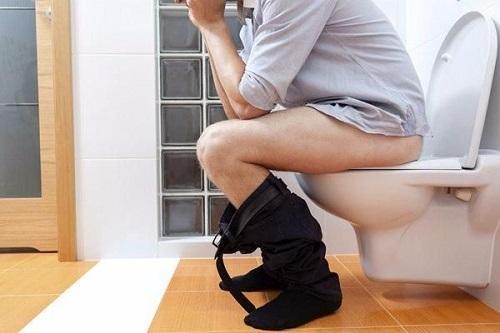
The average person spends about one and a half years in the toilet in their entire life. The normal frequency of bowel movements is up to twice a day. Violation of the act of defecation (difficulty with emptying the intestines) is characterized by the release of a small volume of feces or its complete absence. This circumstance limits a person in free movement, does not allow him to work and rest normally. Symptoms such as increased flatulence, impaired intestinal motility are added to false desires. If you do not consult a doctor in time, the person's condition worsens, erosion develops and cracks in the anus appear.
If the functionality of the digestive system is impaired, the body is weakened and susceptible to bacterial infection, which leads to irreparable consequences. The gastroenterologist will help to find out what causes false urge to defecate, the causes of which are quite diverse: from dysbiosis to disorders of the central nervous system.
False urge to defecate - causes
Content
-
1 Dysbacteriosis
- 1.1 Causes
- 1.2 Symptoms and diagnostics
- 1.3 Treatment
- 1.4 Possible complications
-
2 Intestinal infections
- 2.1 Causes
- 2.2 Symptoms
- 2.3 Treatment
- 2.4 Diet
-
3 Diseases of the rectum
- 3.1 Treatment
- 3.2 Video - SOS signals of our body
- 4 Malignant and benign tumors
-
5 Autoimmune pathologies
- 5.1 Treatment
- 6 Disorders of the central nervous system
Dysbacteriosis
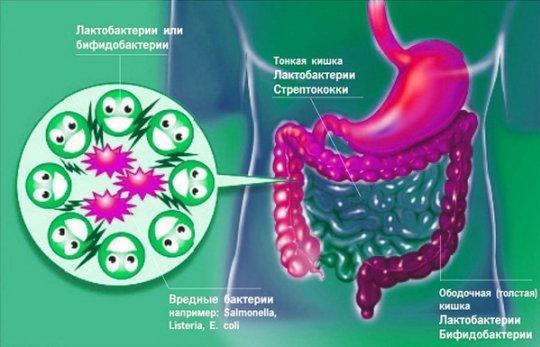
More than a million different bacteria live in the human body. All of them are considered opportunistic and do not cause any health problems. If the functionality of the digestive system is impaired, the number of microorganisms increases disproportionately. Some bacteria are getting more, others less. This imbalance causes the development of various pathologies, among which the most common is intestinal dysbiosis.
Dysbacteriosis of the human intestine
Causes
Among the main factors in the development of the disease are the following:
- improper nutrition;
- history of intestinal infection (dysentery, salmonellosis);
- violation of the functionality of the immune system;
- helminthic invasion (giardiasis, helminthiasis, ascariasis);
- long-term use of antibacterial drugs;
- systematic stress, nervous shock;
- chronic gastrointestinal diseases (gastritis, colitis, pancreatitis).

The causes of intestinal dysbiosis
Symptoms and diagnostics
The clinical picture of the disease is nonspecific and is characterized by the following symptoms:
- deterioration of intestinal motility - food passes through the digestive tract longer;
- the occurrence of false desires to empty the intestines - even after a bowel movement, a feeling of relief does not come;
- bouts of nausea and vomiting;
- deterioration in general performance;
- weight loss;
- insomnia or, conversely, drowsiness;
- temperature increase.
Diagnosis of dysbiosis is carried out using:
- bacterial feces;
- method of microscopic fecal examination;
- coprograms;
- analysis of scrapings from the intestinal mucous walls.

Symptoms of the presence of intestinal dysbiosis
Treatment
The treatment is combined and is aimed at restoring the natural intestinal microflora. During therapy, the patient is prescribed medication of various groups and adherence to a strict diet.
Medications
Antibiotics are prescribed depending on the pathogenic microorganism that provoked the development of the pathology
| Causative agent | Medicines and dosage |
Image |
|---|---|---|
| Escherichia strains | Streptomycin - 500 thousand. units 2 rubles / day. Sulgin - 0.1 g three times a day. Furazolidone - 0.05 g 4 times a day. Intetrix - 1 capsule 4 times a day |
 Sulgin |
| Enterococci | Erythromycin - 0.25 g daily. Phthalazol - 0.1 g 4 times a day. Levomycin - 0.25 g 4 times a day |
 Erythromycin |
| Proteus | Furazolidone - 0.05 g 4 times a day. Blacks - 0.5 g 4 times a day. Biseptol - 0.5 g twice a day |  Furazolidone |
The duration of the course of each drug is 1 week.
- Probiotics half an hour before meals: Bifidumbacterin - 5 doses three times a day; Bificol- 3 doses twice a day. The course is from 2 weeks to 3 months.
- Prebiotics: Normase- 15 ml per day for a month. Hilak Forte: 40 drops per 100 ml of water three times a day for 2 weeks.
- Immunomodulator - echinacea tincture: 10 drops in 50 ml of water three times a day. Accepted within 3 months.
- Multivitamin complex - Dekamevite: 1 tablet twice daily after meals. The course of treatment is 20 days.
The diet consists in avoiding spicy, fatty, salty, canned, smoked foods, alcoholic and carbonated drinks. Also on the list of bans were: potatoes, sugar, white flour products, mushrooms, semolina, rice, whole milk, bananas, sweet apples.

What to eat with dysbiosis
Possible complications
The following diseases are complications of dysbiosis:
- Chronic enterocolitis. It occurs against the background of prolonged exposure to pathogenic microorganisms that cause the formation of ulcers and destruction of the intestinal walls.
- The spread of pathogens through the digestive system. Causes the development of gastroduodenitis and pancreatitis. If left untreated, there is a risk of vital organ failure.
- Destruction of all intestinal tissues. It provokes the ingress of contents into the abdominal cavity and the development of peritonitis - a dangerous condition that requires timely medical attention.
- Bacterial infection of the blood. Leads to the development of sepsis, which in most cases is fatal.

Gastroduodenitis
Taking medication and diet will restore normal intestinal motility and, as a result, get rid of false urge to defecate.
Intestinal infections
Intestinal infection is a pathology that affects the organs of the digestive system and provokes the development of dehydration and diarrhea. Pathology can occur, regardless of the patient's age.

Types of intestinal infections
Causes
Most often, pathology occurs in newborns, people who abuse alcoholic beverages, patients with low functionality of the immune system. Among the main factors of development, the following are distinguished:
- contact with an infected person;
- the use of unboiled liquid, expired products;
- neglect of personal hygiene;
- eating foods cooked in unsanitary conditions;
- the use of other people's personal hygiene products.
Experts report that pathogenic microorganisms enter the human body through certain foods and liquids:
| Intestinal infections |
Image | Water and contaminating foods |
|---|---|---|
| Staphylococcus aureus | 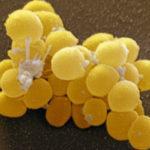 |
Dishes with the addition of mayonnaise, sour cream, mayonnaise sauces |
| Bacillus cereus |  |
Rice dishes, especially oriental |
| Vibrio cholerae, Escherichia coli | 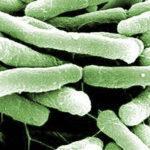 |
Unboiled tap water, as well as from lakes and ponds, infected with pathogenic microorganisms |
| Salmonella | 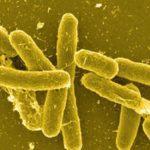 |
Unprocessed or unwashed chicken, spoiled eggs and foods containing them |
| Yersinia |  |
The meat of infected animals. Meat dishes that have not undergone heat treatment |
Symptoms
After infection with pathogenic microorganisms, a large volume of toxins are produced, as a result of which the following symptoms appear:
- false urge to defecate;
- rumbling in the stomach; sour belching;
- heartburn;
- increased flatulence;
- bouts of nausea and vomiting;
- temperature rise up to 39 degrees;
- general malaise, drowsiness.

Where does intestinal infection live?
Treatment
Therapy for intestinal infection includes taking medications and dieting. The most commonly prescribed drugs are:
| Drug group | Name of the drug | Image | Dosage | Admission course |
|---|---|---|---|---|
| Antibiotics | Ciprofloxacin | 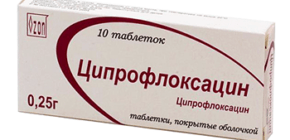 |
500 mg twice a day | 2 weeks |
| Saline solution | Regidron | 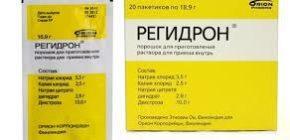 |
Take 2 times a day. To prepare a single dosage, it is necessary to dilute 2.4 g of the product in 100 ml of warm liquid | 5 days |
| Enterosorbents | Smecta | 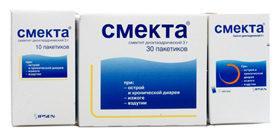 |
Take 1 sachet three times a day. To prepare a single dosage, you must dilute 1 package of the product in 100 ml of warm water | 5 days |
| Enzymes | Creon | 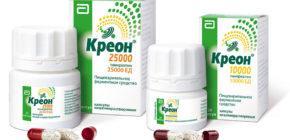 |
Take 1 capsule twice daily | 10 days |
| Probiotics | Acipol | 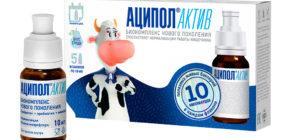 |
Take 1 capsule three times a day | 10 days |
| Intestinal antiseptic | Intetrix | 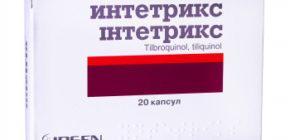 |
Take 2 capsules 2 times a day | 10 days |
Diet
When treating an intestinal infection, it is recommended to eat the following dishes:
- low-fat broths;
- grated rabbit and chicken meat (you can also eat beef, but in small quantities);
- lean fish;
- steamed omelet;
- skim cheese;
- porridge made from buckwheat, oatmeal;
- boiled or stewed vegetables (carrots, broccoli, zucchini);
- dry biscuits and wheat crackers;
- jelly.
Cooking technique: cooking, baking, steam bath.
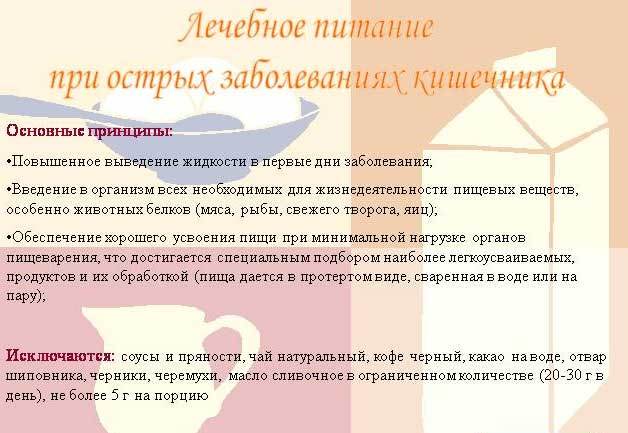
Diet for bowel diseases
The following foods should be excluded from the diet:
- alcoholic and carbonated drinks;
- fast food;
- raw vegetables;
- some types of fruits (citrus fruits, grapes, apricots, plums, figs);
- various sweets, including chocolate;
- coffee, cocoa, strong tea;
- dairy products with a high percentage of fat.
Diseases of the rectum
Defecation is impaired with defects in the intestinal mucosa. The provoking diseases are hemorrhoids, chronic paraproctitis, rectal fissures. They are accompanied by pain syndrome when trying to empty the intestines, impurities of pus and mucus in the feces. The appearance of tenesmus in such diseases is due to the progressive inflammatory process of the rectum and pararectal tissue.

Paraproctitis
Treatment
Treatment, in addition to the main diet, includes taking medications aimed at improving blood circulation:
- Detralex. It is prescribed 3 tablets per day for a period of 2 weeks to six months, and for chronic pathologies - up to a year.
- The setting of suppositories helps to speed up the restoration of the intestinal walls, reduce inflammation (Proctosan, applied rectally 1 piece at night). The course of treatment is 14-30 days.
- To reduce pain, antispasmodics are used: Drotaverin in the form of tablets or suppositories. It is prescribed 1 tablet three times a day. The course of treatment is 5-7 days. If necessary, the course of treatment can be extended.
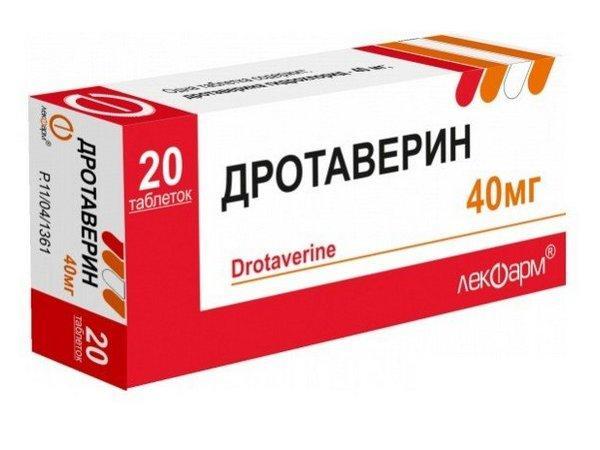
The drug Drotaverin in the form of tablets
From the methods of traditional medicine, medical baths at room temperature are used, the duration of which does not exceed 15 minutes. The course of treatment is 18 procedures. The following are used as the main liquid:
- Chamomile decoction. 50 g of herbs are poured with a liter of boiling water, boiled over low heat for 15 minutes. and add to 10 liters of water.
- Sage broth. Brew 250 g of herbs in 5 liters of boiling water, leave for 20 minutes, add to the water.
- A decoction of calendula is prepared at the rate of 1 tbsp. l. 200 ml of boiling water.
Before using folk remedies, you must consult a doctor so as not to aggravate the condition, since all plants can cause an allergic reaction, and also be contraindicated in a number of others diseases.
Complications of rectal diseases: hernia, cancer.
Video - SOS signals of our body
Malignant and benign tumors
Formed tumors on the intestinal walls lead to disruption of peristalsis, due to which futile urge to defecate occurs. There are no acute symptoms at the initial stages of oncopathology, indicating the onset of irreversible processes, so you need to be more sensitive to your own health. Rectal cancer is caused by neglect of diseases such as:
- the appearance of polyps in any part of the intestine;
- chronic constipation;
- rectal ulcers;
- decrease in the body's immune forces;
- heredity.
False urge to defecate in oncological processes in most cases occurs due to the appearance and spread of metastases.
Treatment is prescribed individually. Basic methods: chemotherapy, radiation therapy, surgery.

Bowel cancer
Attention! Folk remedies for cancer are contraindicated.
Autoimmune pathologies
Autoimmune pathologies that cause false urge to defecate are ulcerative colitis and Crohn's disease. Concomitant symptoms: sudden weight loss, iron deficiency anemia, impaired absorption of vitamins and minerals.
Treatment
Treatment consists in taking:
- Aminosalicylates - Sulfasazalin 1 g 3 times a day until the onset of remission.
- Candles with Salofalk 1 pc. twice a day until exacerbation decreases.
- Corticosteroids: Prednisolone 40 g daily for 4 weeks.
- Immunosuppressants: Cyclosporine And, it is prescribed intravenously at 4 mg per 1 kg of body weight. The course of treatment is 3-6 months.
- Non-steroidal anti-inflammatory drugs: Ibuprofen on the recommendation of a doctor. The dosage and course of admission are prescribed individually.
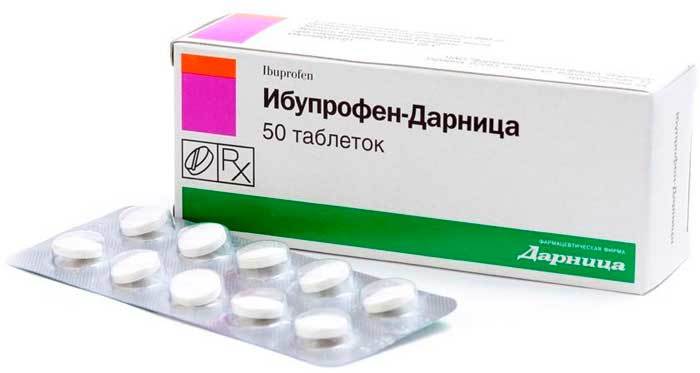
Ibuprofen tablets
From the methods of traditional medicine and with the consent of a specialist, the following tips can be used:
- Daily consumption of 2 bananas.
- Taking 200 ml of skim milk in the morning on an empty stomach.
- Daily intake of 2 baked apples.
- Rice broth, prepared from one liter of water and a glass of crushed cereals, boiled for 4 minutes over low heat after boiling. It should be drunk three times a day before meals. The course of treatment is 14 days.
- Wheat broth from 1 tbsp. l. grains and a glass of water. The mixture is boiled for 6 minutes, then insisted for a day. The resulting volume of funds is drunk during the day. The course of treatment is 10-14 days.
- Turnip decoction: 150 g of leaves are poured with 150 ml of water, boiled for 5 minutes, mixed with 500 ml of carrot or cabbage juice, bringing the total volume to a liter. Drink during the day before meals. The course of treatment is prescribed individually.
A complication of autoimmune pathologies without adequate therapy is intestinal bleeding, bowel perforation, abscesses, dehydration, hepatic dystrophy, sepsis, colon cancer.
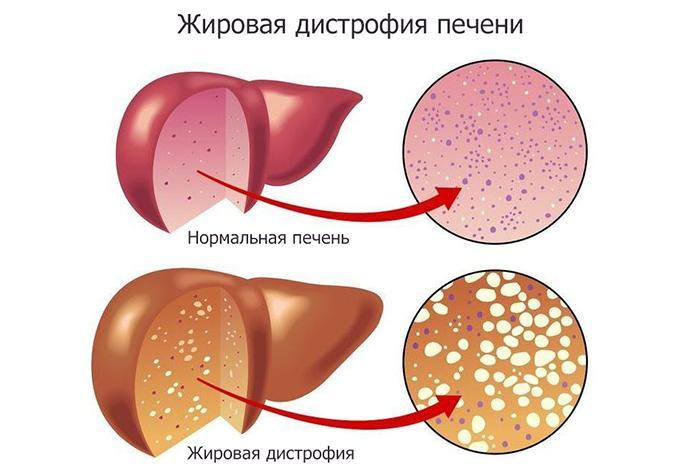
Liver with fatty degeneration
Disorders of the central nervous system
Pathologies of the central nervous systems, such as neurotic states, mental disorders, reactions to stress, instability of emotional background. Against the background of nervous disorders, the diagnosis of irritable bowel syndrome is not uncommon. The trigger is a violation of the transmission of nerve impulses in the large intestine.
In addition to basic drugs such as antidepressants, which reduce anxiety, apathy, and behavioral mood, they are prescribed:
- Laxatives (Macrogol). The daily dosage is 10-20 mg. The course of treatment is set individually.
- Preparations for softening feces (Portalak). Adults are prescribed 15-45 ml of the drug in the first 3 days of treatment and 15-30 ml on the following days. Children aged 7-14 years, 15 ml in the first 3 days and 10 ml in the following days. Children aged 1-6 years, 5-10 ml in the first 3 days, in the following days the dosage remains unchanged. For infants, the daily dosage is 5 ml, regardless of the day of administration.
- Means that reduce gassing (Polysorb). The drug must be dissolved in warm liquid. The daily dosage depends on the patient's body weight:

Polysorb drug
| Patient weight (kg) | Product dosage (g) | Liquid volume (ml) |
|---|---|---|
| Less than 10 | 0,5 | 30-50 |
| 11-20 | 1 | 30-50 |
| 21-30 | 1 | 50-70 |
| 31-40 | 2 | 70-100 |
| 41-60 | 2,5 | 100 |
| Over 60 | 3-5 | 100-150 |
The course is prescribed individually, depending on the form of the pathological process.
- Probiotics - Hilak forte. A single dosage for adults is 40-60 drops, for children over 1 year old - 20-40 drops, for children under one year old - 15-30 drops. The frequency of admission is 3 times a day. The duration of admission is set individually.
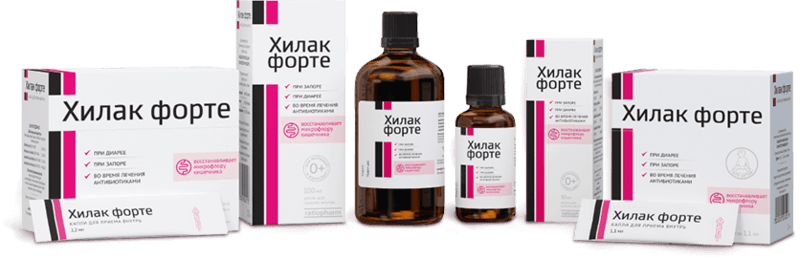
Release form of the drug Hilak forte
- Astringents - Smecta. To prepare the product, dissolve 1 sachet of the drug in 100 ml of water. Dosage: for children under one year old - 2 sachets per day, for children over one year old - 4 sachets per day, for adults - 6 sachets per day. The course of admission is 3 days.
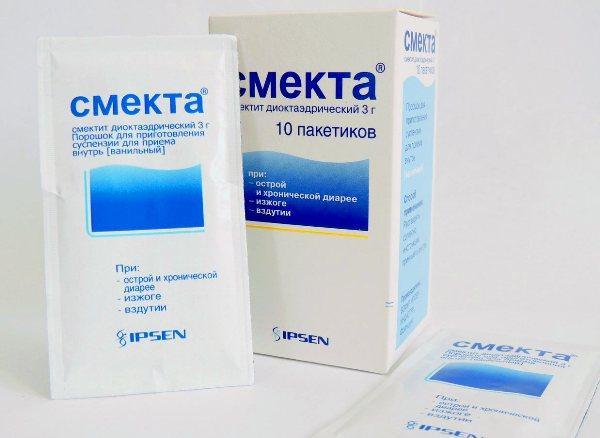
Smecta drug
Important! It is not recommended to use alternative medicine for neurotic conditions.
The emergence false urge to defecate is always a secondary problem, therefore it is necessary to establish the root cause and provide adequate treatment. In addition to drug therapy, it is necessary to follow the prescribed diet so as not to worsen the general well-being of the patient.