Severe itching in the anus, rectum, anus, anus: causes, diagnosis, treatment
Anal itching is a common symptom not only in diseases of the rectum, but also in other pathologies not related to bowel function, for example, diabetes mellitus. Mild itching, which occurs infrequently, is usually the result of poor hygiene in the anus. Emotional and physical stress can also cause an itchy sensation in the anus. If, after hygiene measures, severe itching in the anus does not go away, the discomfort persists for several days, or it the intensity increases, you should seek medical help, since treatment in this case will be directed to the therapy of the primary diseases.

Severe itching in the anus
Content
-
1 Anal itching - what is it?
- 1.1 Classification of anal itching
-
2 Possible reasons
- 2.1 Hygiene of the anus
-
3 Pathological causes and their treatment
- 3.1 Helminthiasis
- 3.2 Liver disease
- 3.3 Rectal pathologies
- 3.4 Diseases of the genital organs
- 3.5 Diabetes
- 3.6 Diseases of the central nervous system
- 4 Diagnosis of anal itching
-
5 How to deal with itching at home?
- 5.1 Soothing tea
- 5.2 Home relaxation
- 5.3 Sitting baths
- 5.4 Lotions
-
6 Prophylaxis
- 6.1 Video - Itching in the anus
Anal itching - what is it?
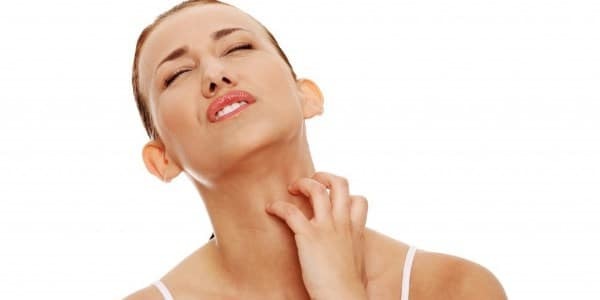
Anal itching refers to pathological symptoms resulting from irritation of receptors located in the mucous membranes of the rectum, or damage to the skin of the anorectal space. It can manifest itself as a burning sensation, tingling sensation, or tingling sensation and vary in intensity. Severe itching in the anus is almost always a sign of any irregularities, but sometimes it can also provoke an attack non-pathological factors, such as wearing underwear made of synthetic materials or unsuitable underwear headsets.
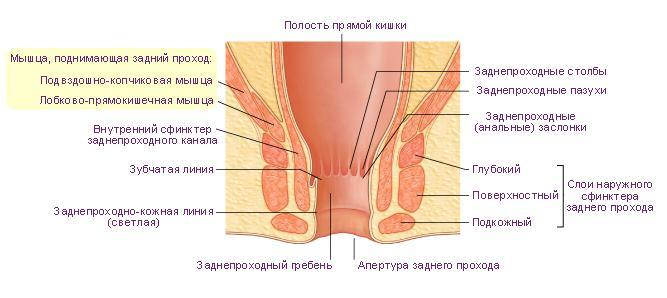
Anatomy of the rectum and anal canal
Classification of anal itching
- By reason of occurrence (primary and secondary). Primary itching has no pronounced causes and appears against the background of the patient's normal well-being. Secondary itching occurs as a symptom in diseases of the intestines, genitals and other pathologies and often has an acute course.
- According to the clinical form (acute and chronic). The acute form has a high intensity and is often a clinical manifestation of anorectal thrombosis, anal fissure and other pathologies of the rectum. Chronic itching is characteristic of diabetes mellitus, vegetative-vascular and neurological disorders.

A strong judgment may indicate a fairly serious disease of the rectum, and should be taken with the utmost seriousness.
Possible reasons
To get rid of severe itching in the anus, it is necessary to find out its cause, since the basis of treatment is the elimination of the provoking factor and therapy of the underlying disease. Experts identify a large number of reasons in which the patient may complain of burning and itching in the anorectal area, therefore, a thorough collection of medical history and questioning of patient complaints is of great diagnostic value.

Diseases that provoke itching in the anus
The following are the main factors that can cause severe anal itching. If their correction does not work, and the person's condition does not improve within 3-5 days, you should seek medical help.
- Abundant consumption of hot spices. This applies not only to spices and condiments, but also to all foods that can irritate the intestinal mucous membranes. and the receptors located in them (carbonated lemonades, potato starch chips, crackers, marinades with the addition vinegar).
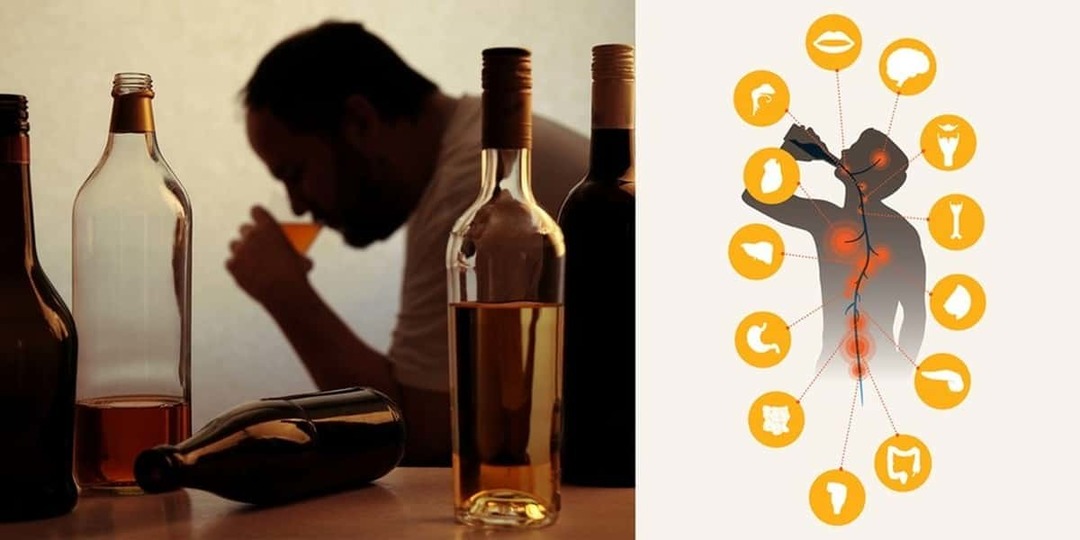
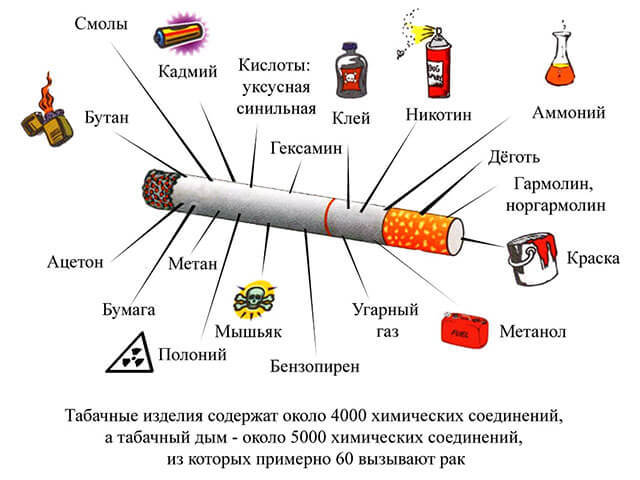
- Smoking. Heavy smokers who have been smokers for more than 5 years may experience itching in the anus on a regular basis. In some cases, a similar symptom appears simultaneously with inflammation of the large intestine - colitis (especially often occurs in people who smoke on an empty stomach).
- Long-term medication (oral). Any tablets and syrups contain not only active ingredients, but also auxiliary components that are used to prepare the base and can irritate various parts of the intestine. Especially often, anal itching is observed with prolonged use of antibiotics, antimycotics, antimicrobial and antiprotozoal drugs.
- Frequent stress. Anxiety, emotional stress, stressful situations - all this can provoke an attack of severe anal itching. For this reason, complex treatment regimens for this pathology almost always include the use of sedatives and sedatives.
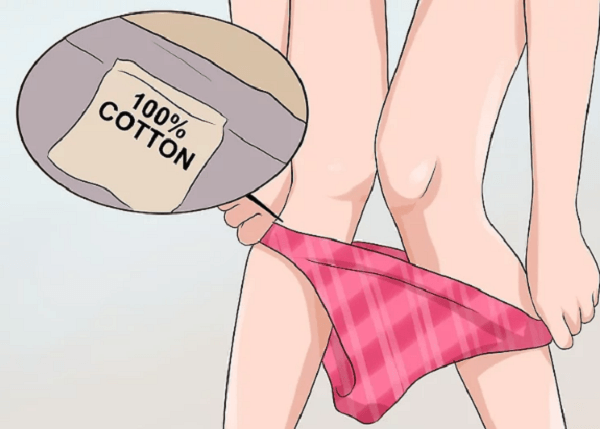
Wear cotton underwear
Wearing tight or synthetic underwear, using dyed or fragranced hygiene items, incorrect selection of body hygiene products (gels, mousses and shower creams) - all this can provoke intense itching sensations in people predisposed to allergies.

Itching around the anus and redness on the skin of the buttocks in the perianal region are some of the signs of an allergic reaction
Note! Severe itching in the anus can appear after anal sex using special lubricants and lubricants. A large number of dyes and flavoring additives in the products of this group can cause an allergic reaction, manifested by severe itching, burning and rash on the skin and mucous membranes. You need to be especially careful when using long-acting lubricants: they contain local anesthetics (most often lidocaine or benzocaine), for which the partner may also have allergy.
Hygiene of the anus
Poor hygiene is a very common factor in the burning and itching sensations in the anus. This is not only irregular washing, but also the use of inappropriate hygiene products. If a person does not use post-bowel cleansers, fecal matter containing bacteria and germs may remain in the anus and distal rectum. They irritate the skin and mucous membranes, cause redness and itching.

Use mild cleansers for daily intimate hygiene
Sometimes burning and itching sensations in the anus, on the contrary, are the result of excessive hygienic care, when the skin of the genitals and anus is treated with soap solutions and antiseptics several times in day. This can lead to drying out of the skin and mucous membranes, which provokes an attack of anal itching. To prevent this from happening, you must follow the recommendations of specialists.
- Hygienic washing should be carried out after a bowel movement (in the absence of bowel movements - once a day), using gels and foams intended for intimate hygiene.
- The use of soap and other alkaline agents is not allowed, as they can disrupt the acid balance of the genitals, which in itself is a provoking factor in anal itching.
- Movement when washing should be performed from front to back (that is, from the groin to the anus).

Practice good hygiene
If there is irritation on the skin, do not wipe it off with hard terry towels or waffle towels - only blotting with a cotton or linen diaper is allowed. After that, any healing ointment or baby cream should be applied to the skin.
Pathological causes and their treatment
To identify the cause of anal itching, visual examination and analysis of feces is not enough, since there are a lot of diseases for which this symptom is characteristic. Treatment for itching will depend on the underlying condition.

Causes of itching
Helminthiasis
This is one of the most common causes of anorectal itching. Medicine knows more than 500 species of helminths (parasitic worms) that can parasitize in the human gastrointestinal tract. Some types of parasites, for example, roundworms, are able to penetrate the myocardium and pericardium (internal and external muscular layer of the heart) and cause severe forms of heart failure, therefore their second name is “heart worms ". Vlasoglava, nematodes, various types of flukes can also affect organs located outside the digestive tract: liver, pancreas, lungs. With active reproduction helminths they can get into the eyes and the ear canal, therefore, the analysis of feces for eggs of the worm (coproovoscopy) is mandatory when complaints of severe itching between the buttocks and around the anus are presented.

Symptoms of helminthiasis
The table lists the main types of helminthiasis, which are characterized by itching sensations in the anus (may be accompanied by the release of the segments of the parasite from the anus).
Table 1. Varieties of helminthiasis with severe anal itching
| Disease | Causative agent | Other symptoms |
|---|---|---|
| Teniarinhoz | Bovine tapeworm
|
Severe intoxication (vomiting, nausea, headache), spastic pain in the lower abdomen on the right, constant hunger, large white or yellow eggs in the feces. |
| Enterobiasis | Pinworms
|
The main symptom is anal itching that occurs during a prolonged lying position. Female pinworms leave the intestines when a person is in a relaxed state (mainly at night) and secrete a toxic secretion on the skin that causes irritation, flushing (redness) and the appearance of itchy red spots around anus. |
| Blastocystosis | Blastocysts
|
Abundant loose stools, the number of bowel movements can be up to 4-6 times a day, feces have a fetid odor. Typical symptoms are anal itching, abdominal pain, dry skin and mucous membranes, skin rash. |

Where can you get infected with parasites
Treatment of itching caused by worms includes careful hygiene (including boiling underwear and bedding, followed by steam), the use of anthelmintic drugs (Pirantel, Mebendazole, Albendazole, Niclosamide), treatment with alternative methods (pumpkin seeds, pumpkin oil, fern infusion, wormwood tincture).
Liver disease
Liver diseases are accompanied by severe itching in the anus in almost 20% of cases. At liver diseases the function of bile formation and bile secretion is impaired, which leads to a change in the concentration of bile acids in the duodenum and the appearance of specific symptoms, one of which is anal itching.

Dangerous liver diseases
The most common diseases of the hepatic system that can cause burning and itching in the rectum are listed below.
- Cirrhosis. This is the regeneration of the liver parenchyma and the replacement of hepatocytes with connective tissue. Cirrhosis is the most dangerous liver disease, with survival rates rarely exceeding 4-5 years after diagnosis.
- Hepatitis (viral). It is an inflammation of the liver tissue caused by HCV viruses. Itching in the anus, combined with the rapid progression of asthenic syndrome and yellowing of the skin, is one of the first signs of viral liver damage.
- Parasitic cysts. Pathology is the formation in the liver tissue of cavities filled with exudative fluid, which appear as a result of damage to the liver by parasites. The first pronounced signs after infection of the liver with tapeworms (for example, bovine tapeworm) may appear only after a few years, and the only symptom of invasion during this period is bouts of intense, spontaneous itching in the posterior aisle.

Formation of liver cirrhosis
Treatment of pruritus in liver disease includes therapy for the underlying disease. For the treatment of this group of pathologies, hepatoprotectors can be used (drugs that restore damaged hepatocytes and protecting whole cells from destruction), ursodeoxycholic acid preparation, choleretic agents, digestive enzymes. Supportive methods are dieting and quitting bad habits.
Rectal pathologies
Almost 90% of rectal diseases are accompanied by attacks of severe itching in the anus. Hygienic measures to eliminate unpleasant sensations in this group of diseases are not enough, since the provoking mechanism of itching with pathologies of the rectum are a violation of the integrity of the mucous membrane, damage to blood vessels and irritation of the neuromuscular receptors.

Rectum anatomy
Table 2. Anal itching in pathologies of the rectum and its treatment
| Disease | What it is? | How to treat itching with this pathology? |
|---|---|---|
| Haemorrhoids | Expansion of venules and arterioles of the hemorrhoidal ring, followed by inflammation, accumulation and release of exudative fluid and thrombosis of hemorrhoidal veins. | Rectal suppositories and ointments: Nigepan, Relief, Ultraproct, Procto-Glivenol, suppositories with glycerin and sea buckthorn oil. |
| Anal fissure | Damage to the epithelial membrane of the anus as a result of exposure to chemical and mechanical factors. | Ointments for regeneration (Methyluracil), compresses with sea buckthorn oil, candles with sea buckthorn or glycerin. If necessary, medications for constipation are prescribed (magnesium sulfate, lactulose). |
| Proctitis | Inflammation of the rectum and sigmoid colon. | Anti-inflammatory suppositories against itching (Anusol, Proctosedil), enemas with potassium permanganate solution, warm baths with iodine. |
| Paraproctitis | Acute inflammation of the perrectal tissue (abscess). | Antibiotics (if ineffective - surgical treatment). |
| Rectal polyposis | Multiple polyps (benign formations resulting from abnormal proliferation of mucous tissues). | Treatment is only surgical. |

The four stages of hemorrhoids
Important! You can use the drugs listed in the table only after consulting a doctor.
Diseases of the genital organs
Diseases of the genital organs are most often of an infectious nature and are transmitted during intimacy. In total, there are three groups of genital infections: viral, fungal (mycotic) and bacterial. In order to choose the right treatment and get rid of itching in the perineum (groin) and anus, it is necessary to evaluate the existing symptoms and clinical signs.

The structure of the male genital organs
Table 3. Treatment of anal itching with genital infections
| Disease group | Symptoms | Treatment |
|---|---|---|
| Viral infections (syphilis, herpes, HPV, HIV infection) | Redness and swelling of the mucous membranes of the genitals, rashes in the form of a small rash and blisters, severe itching in the anus and genitals. | Antiviral agents (Acyclovir) in the form of ointments and tablets, lotions with antiseptics and decoctions of soothing herbs (chamomile, calendula). |
| Bacterial infections (gonorrhea, chlamydia, mycoplasmosis, gardnerellosis) | Discharge with a pungent odor, having a yellow, brown or green color (in women - vaginal discharge, in men - discharge from the glans penis). Intense burning and itching of the genitals. With ascending infection - itching in the anus. | Antibacterial suppositories and tablets (Terzhinan, Vagisept), ointments with antimicrobial and sedative effects, washing with a solution of potassium permanganate, douching with antiseptics (Chlorhexidine, Hexicon). |
| Fungal infections (candidiasis) | White curdled discharge, unpleasant odor, intense itching, fever. | Antifungal agents (Pimafucin, Fluconazole, Miconazole). |

The structure of the female genital organs
Important! Treatment with these drugs is allowed only after consulting a doctor.
Diabetes
The appearance of anal itching in diabetes mellitus is typical mainly for women over 50 years old. Pathology is accompanied by increased urination at night, increased daily urine output, dry skin, headaches and other symptoms of carbohydrate metabolism disorders.

Signs and symptoms of diabetes
Treatment of pruritus consists of treating the underlying disease and includes a low-carbohydrate diet and sugar control with sugar-reducing drugs (Siofor, Metformin).
Diseases of the central nervous system
Diseases of the central nervous system (sleep disorders, neuroses, sleep paralysis, Alzheimer's disease) are another possible cause of severe itching sensations in the anus. Even minor stress or emotional excitement in patients of this group can lead to an attack of anal itching, so such patients need to control their condition.

Alzheimer's disease
Diagnosis of anal itching
If the person experiences severe itching that lasts for several days in a row and is negative affects the general well-being of the patient (including psycho-emotional state), it is necessary to contact to the doctor. If there are clear signs of rectal disease, you should contact proctologist. If eggs or segments of helminths are found in the feces, a consultation with an infectious disease parasitologist is indicated. In all other cases, the examination must begin with a visit to the local therapist.
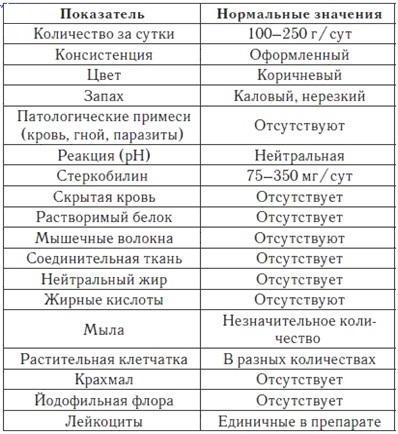
Stool analysis indicators
The complex of diagnostic measures may include the following examinations and procedures:
- coproovoscopy (examination of feces for worm eggs);
- Fulleborn's method (a method for detecting parasites in feces using a saturated solution of sodium chloride);
- Kalantaryan method (enrichment with a saturated sodium solution, in which helminth eggs float to the surface);
- anorectal and perianal scraping (carried out with a cotton swab moistened with 50% glycerin solution or 1% soda solution);
- colonoscopy (endoscopic examination of the intestine);
- a blood test to measure sugar levels and liver enzyme activity;
- test for glucose tolerance and insulin resistance (to exclude diabetes mellitus);
- a smear on the flora (to exclude genital infections);
- Ultrasound of the abdominal organs.

For analysis, you should collect feces after spontaneous bowel movements, you should not use an enema or laxative
If necessary, a consultation with a neurologist, endocrinologist, urologist and gynecologist is additionally appointed.
How to deal with itching at home?
The main therapy for anal and anorectal itching is the treatment of primary pathologies. Before making an accurate diagnosis, you can use the methods below. If none of them helps, you should not postpone the visit to the doctor.

We use folk remedies
Soothing tea
This is the easiest way to cope with an attack of sudden anal itching, which appeared after intense experiences or an acute stressful situation. In regular tea, you need to add 10 drops of valerian tincture or 5-10 drops of motherwort tincture. Hop cones also have a good calming effect: they can be brewed at the rate of 1 spoonful of cones per 250-300 ml of boiling water and drunk instead of regular tea.
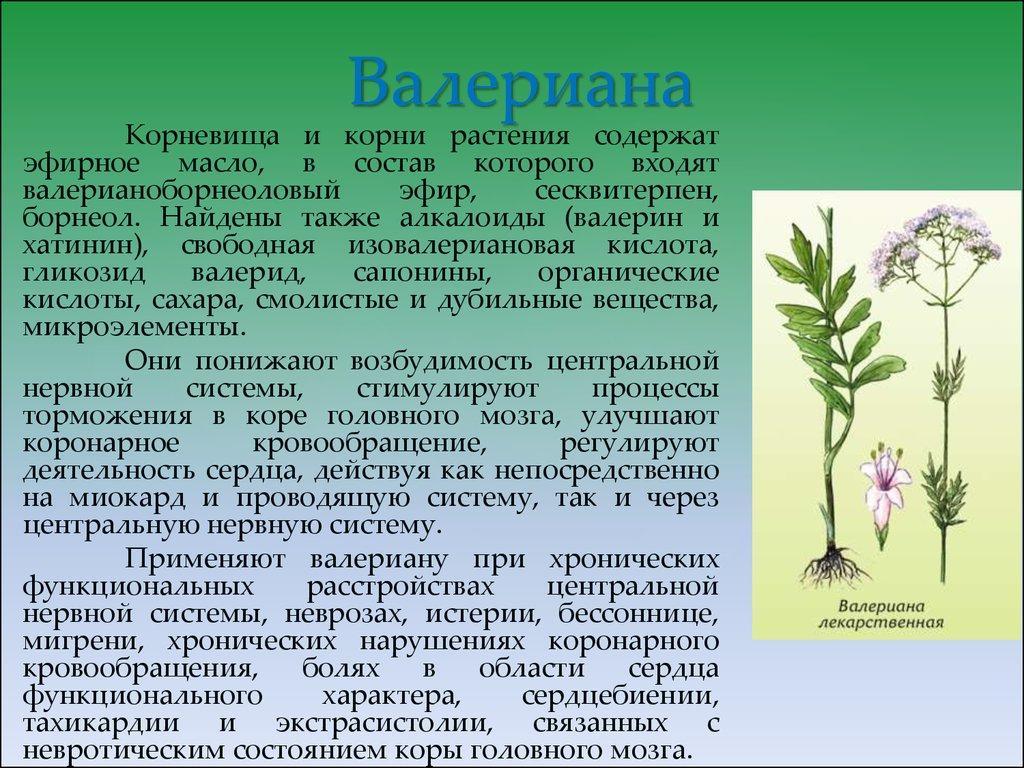
Valerian
Note! You can take sedative medications only after consulting your doctor. If herbal medicine does not work, you can use drugs based on phenobarbital (Corvalol). Dosage - up to 30 drops per 20-30 ml of water.
Home relaxation
This is another way to cope with the stress factor in the absence of other pathological symptoms. For relaxation methods at home, you can use the methods below.

In case of single stressful situations, a leisurely walk in a park or forest can help.
- Aromatherapy. Lavender, rose and juniper oils have a relaxing effect.
- Essential oil baths. A bath with 200 g of sea salt and 10 drops of bergamot oil will quickly relieve fatigue and help restore strength.
- Audiotherapy. The healing effect of listening to the sounds of nature (noise of wind, rain, birdsong, rustle of foliage) has been proven. Classical music has a positive effect on the emotional state.
All of these methods are ways to deal with stress and fatigue at home. Stress is a major exacerbation factor in anal itching, so relaxation techniques can be a great addition to traditional therapy.
Sitting baths
Such baths will help to cope with itching caused by infectious diseases of the rectum or genitals. You need to take them for about 15 minutes. Water temperature - no more than 38 °, volume - about 7 liters.
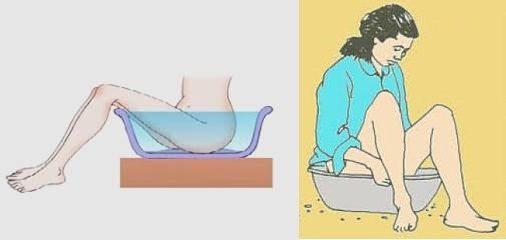
The correct posture for taking a bath
- Salt and chamomile decoction. Such a bath allows you to quickly relieve irritation, ensure the outflow of exudate from inflamed vessels and eliminate itching and burning. For 5-6 liters of water, 1 liter of chamomile decoction and 150-200 g of salt are taken.
- Iodine and soda. Soda bath with iodine is great for fungal infections. Add 4 tablespoons of soda and 10 drops of an alcohol solution of iodine to a container with prepared water.
- Potassium permanganate (potassium permanganate). A potassium permanganate bath quickly helps to cope with itching, destroys pathogenic bacteria, dries the skin and promotes rapid healing of ulcers and erosions. You need to add a few crystals of potassium permanganate to the water so that the water acquires a pale pink hue.
- Decoction of oak bark. Oak bark is one of the most powerful natural antiseptics. It has disinfectant, astringent, anti-inflammatory and antibacterial properties.

Sitting baths improve blood circulation in the pelvic area and also help to relax the muscles of the anus and reduce pain
You need to take such baths for 5-7 days 1-2 times a day. After the bath, the anus area must be lubricated with baby cream or a soothing ointment (Dexpanthenol, Bepanten).
Lotions
Lotions on the anal ring area should be done 2-4 times a day.
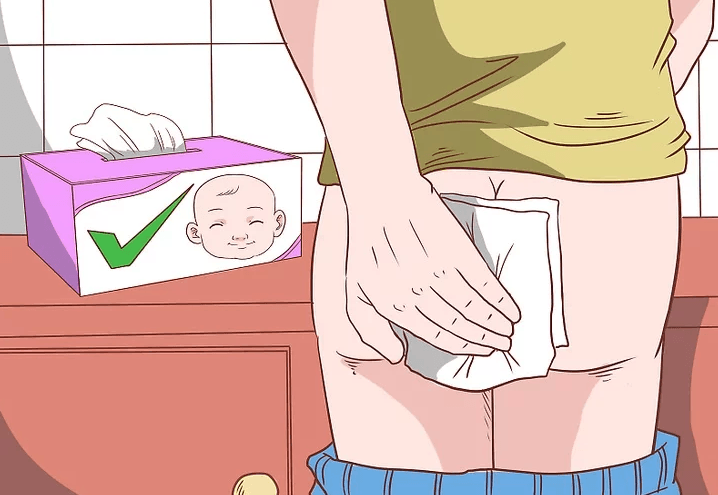
Use baby wipes after bowel movements
For quick relief from itching, the following are suitable:
- sea salt mixed with a few drops of water;
- tea tree or fir oil;
- aloe juice;
- tincture of propolis (previously diluted with water);
- decoction of rose petals.

Aloe juice has a pronounced bactericidal effect
note. For the treatment to be effective, it is necessary to carefully monitor the observance of hygiene standards and wash the anus after each bowel movement.
Prophylaxis
Prevention of burning, itching and irritation in the anus consists not only in observing the rules of intimate hygiene, but also in preventing various infections and helminthic invasions.
Tips to Minimize the Risk of Anal Itching
- To prevent irritation of the intestinal mucous membranes, it is necessary to normalize your diet and exclude from diet foods that can stimulate neuromuscular receptors (chocolate, confectionery, lemonade, alcohol etc.).
- One of the provoking factors of anal itching is chronic constipationtherefore it is important to ensure its prevention. To do this, you need to follow a drinking regimen, include more fiber-rich foods in the diet, and move enough.
- For the prevention of helminthiasis, you should thoroughly wash your hands, properly handle products before cooking and observing the thermal regime when cooking meat, fish and poultry - the main sources of parasites for a person.
- Toilet paper and other hygiene products should contain a minimum amount of chemical additives: dyes and fragrances.
- Underwear should be made from natural fabrics (preferably cotton or linen).

If you experience alarming symptoms, see your doctor right away.
Itching in the anus is an unpleasant pathology that can be a symptom of serious diseases. To prevent burning and itching, you must follow the rules of intimate hygiene, try to avoid stress, monitor your diet and move enough. If the cause of discomfort is infections or other diseases of internal organs, the doctor will prescribe a treatment regimen, taking into account the primary pathology and clinical picture based on the patient's complaints.