
Diarrhea and vomiting in an adult: causes, treatment methods
Diarrhea and vomiting in an adult are always pathological symptoms that cannot be attributed to the normal state of the body. The most likely cause of diarrhea and vomiting in this category of patients is foodborne infections, as well as various poisoning (including drug poisoning). In some cases, these signs may indicate diseases of the gastrointestinal tract, parasitic infections, diseases of the pancreas and gallbladder, as well as psychosomatic and vegetative-vascular disorders.

Diarrhea and vomiting in an adult
In especially severe cases with profuse and repeated vomiting, the patient needs emergency medical care, so it is important to know the most common causes of these clinical symptoms and the basis for the provision of urgent measures (measures of rehydration, detoxification, etc.).
Content
-
1 Diarrhea and vomiting with high fever
- 1.1 Dysentery
- 1.2 Coli infection (escherichiosis)
- 1.3 Clostridial enterocolitis
- 1.4 Salmonellosis
- 2 Treatment of intestinal infections in adults
-
3 If there is no temperature
- 3.1 Diseases of the stomach
- 3.2 Bowel disease
- 3.3 Diseases of the gallbladder and pancreas
-
4 What to do with diarrhea and vomiting?
- 4.1 Drugs
- 4.2 Diet
- 4.3 Traditional methods
- 4.4 Video - Diarrhea and vomiting in an adult
Diarrhea and vomiting with high fever
Acute intestinal infections (ACI) are the main cause of diarrhea and vomiting in adults and children. The incubation period of intestinal infections can range from 4 hours to 3-5 days (depending on the pathogen). Bacteria and viruses can enter the gastrointestinal tract of a person through contact-household, fecal-oral routes, as well as through bodily contact of a person with a carrier of infection. Some types of bacteria can enter the body through the skin, therefore, hygiene is an important condition for the prevention of bacterial and viral intestinal diseases.

Compliance with hygiene rules is the best prevention of intestinal infections
Dysentery
It is an infectious disease caused by gram-negative rod-shaped bacteria of the genus Shigella. They can maintain their vital activity for up to 3-4 months (in soil and wastewater), and if they get into food products (meat, eggs) Shigella can actively multiply, emitting dangerous for humans cytotoxins.

Shigella bacteria
Pathogenetic mechanism of development of dysentery
| Stage (stage) | Localization of pathogens | What happens in the intestines |
|---|---|---|
| First (enterotoxic form) |  Small intestine |
Bacteria enter the small intestine (the infectious dose is 200-300 cells), where they produce in large quantities enterotoxins provoking a rapid increase in symptoms of general intoxication (fever, fever, chills, sweating). The duration of the first phase is up to 24 hours. |
| Second (invasive form) |  Large intestine (predominantly sigmoid colon) |
Shigella moves to the end of the colon, invades the cells of the intestinal epithelium and begins to vigorously produce cytotoxins (antibodies that damage cell structure). With mild dysentery, catarrhal inflammation of the large intestine occurs. In more severe cases, fibrinous, erosive, ulcerative and necrotic changes in the mucous membranes are possible. |
In addition to vomiting and diarrhea with dysentery, other symptoms are pronounced, for example:
- intoxication syndrome (febrile fever, fever, chills, headache, drowsiness);
- lowering blood pressure;
- lack of appetite against the background of severe nausea;
- cutting pains with the urge to empty the intestines.

Symptoms of dysentery include severe abdominal pain.
Abdominal pain with dysentery can be diffuse, but more often patients complain of local painful sensations, describing them as acute, cramping pain.
Note! The maximum risks of infection with bacteria of the genus Shigella are noted in the summer period, when there are difficulties with the transportation and storage of perishable food.
Coli infection (escherichiosis)
Escherichiosis is an infectious disease of the digestive tract caused by opportunistic proteobacteria of the Escherichia genus (in particular, Escherichia coli - Escherichia coli). The incubation period for infections caused by E. coli ranges from 12 hours to 7 days, but more often the symptoms of the disease appear 1-3 days after infection. Escherichiosis in adults always begins acutely: the patient's temperature rises to 38 ° -38.5 ° C, infrequent, but profuse vomiting begins, which does not bring relief.

The causative agent of escherichiosis
Within 3-4 hours from the moment the first signs appear, other symptoms develop, for example:
- fever;
- diarrhea (stools are frequent, profuse, can come out like a fountain and contain a large amount of water);
- severe nausea (one of the main signs of intoxication);

One of the first symptoms of intoxication is severe nausea.
- cramping pain in the central part of the abdomen;
- pallor of the skin;
- symptoms of dehydration with abundant gastric and intestinal bowel movements (dry skin and lips, the appearance of a jam in the corners of the mouth, flaky spots on the skin, a drop in blood pressure).

Dry skin and lips is a sign of dehydration during intoxication of the body
Important! The appearance of the stool and its quantity are of great diagnostic value for determining the type of coli infection. Frequent loose stools without mucous membranes and blood streaks are characteristic of enteropathogenic and enterotoxigenic forms of escherichiosis. Bloody diarrhea (hemorrhagic colitis) is almost always a sign of an enteroinvasive form of E. coli infections.
Clostridial enterocolitis
Clostridial pseudomembranous enterocolitis is a lesion of all parts of the intestine caused by anaerobic gram-positive bacteria of the genus Clostridium (Clostridium difficile). The main cause of the acute inflammatory process is irrational and prolonged use antibiotics, which leads to the emergence of resistant (resistant) strains of bacteria and the development superinfection. Prolonged watery diarrhea with blood impurities and a lot of mucus - the main diagnostic a sign of clostridial enterocolitis in adults, which is almost always combined with vomiting and severe pain in stomach.

Causative agents of pseudomembranous colitis - clostridia
Other symptoms of pseudomembranous colitis in adults:
- high fever and other signs of systemic intoxication of the body (lethargy, headache, chills, weakness);
- pain in the abdomen, worse before a bowel movement;
- tenesmus (frequent, unsuccessful and painful urge to empty the bowels);
- moderate bloating.

The disease is manifested by bloating, painful bowel movements, severe abdominal pain
With a severe course of clostridial colitis, violations of the cardiovascular system are often observed: changes in heart rate, pressure drop, shortness of breath. On palpation of the abdomen, local pain in the projection of the large intestine is determined.
Important! Launched forms of pseudomembranous enterocolitis are dangerous by perforation of the intestinal walls, therefore, with the appearance of diarrhea and vomiting, combined with high fever and painful tenesmus, you should immediately seek medical help.
Salmonellosis
Salmonellosis (paratyphoid fever, typhoid fever) includes acute diseases of the gastrointestinal tract caused by proteobacteria of the genus Salmonella.

Salmonella bacteria
A large number of Salmonella is found in egg whites, as well as on the surface of the eggshell, so before cooking the eggs, you should always wash them thoroughly with boiled water and soap. Other sources of salmonella contamination can be stale meat, vegetables and greens (it is possible for microorganisms to get on the surface of the fruit through the faeces of infected animals). The incubation period of salmonellosis lasts from several hours to 3-4 days, but in most patients, symptoms of infection appear approximately on the first day after infection.

Chicken eggs are the main source of infection.
It can be:
- nausea and vomiting;
- frequent watery stools (diarrhea);
- subfebrile fever;
- headache, weakness, drowsiness;
- enlargement of the liver and spleen.

In addition to vomiting, diarrhea and other unpleasant manifestations, salmonellosis can provoke an enlargement of the liver and impairment of its functions.
In some cases, salmonellosis can proceed without severe symptoms, and self-healing occurs on the 8-10th day of the illness. Despite the fact that the patient himself may be in a satisfactory condition and maintain his working capacity, until he fully recovers, he is a carrier of infection, and can be dangerous to health others.

Until complete recovery, a person is a carrier of infection and can easily infect others
Treatment of intestinal infections in adults
In most cases, antibiotics are used to treat bacterial infections of the gastrointestinal tract. The use of these drugs is advisable after bacteriological culture and identification the causative agent of the infection, as well as determining its sensitivity to a specific drug. This is due to the high resistance of some bacterial strains to the most common antibacterial and bactericidal agents. For example, in salmonellosis, the administration of tetracycline and aminoglycosides is ineffective, since most Salmonella strains are highly resistant to these drugs.

Treatment principles for intestinal infections
The most effective for the treatment of bacterial infections are fluoroquinolones and penicillins (amoxicillin) under the trade names:
- "Amoxicillin";

"Amoxicillin"
- Flemoxin;
- "Amoxiclav";
- "Panklav";

Panklav tablets
- Levofloxacin;
- Tsipromed;
- Tavanik.

Tavanic tablets
In infections of mild and moderate severity, the basis of therapy is antibiotics that act only in the intestinal lumen and are not absorbed into the systemic circulation (Nifuroxazide, Enterofuril). Other drugs for the complex treatment and recovery of a patient with infectious intestinal lesions caused by bacteria are listed in the table.
Drugs for treating bacterial infections in adults
| Pharmacological group | Purpose of application | Drugs |
|---|---|---|
 Enterosorbents |
Elimination of symptoms of intoxication and removal from the intestine of enterotoxins, cytotoxins and other toxic substances that are produced by pathogenic bacteria. | "Smecta", "Laktofiltrum", Enterosgel, "Neosmectin", "Polyphepan", Polysorb. |
Saline solutions (powders) for rehydration Saline solutions (powders) for rehydration |
Restoring the balance of fluid and mineral salts (electrolytes), prevention of renal and heart failure. | "Regidron", "Trihydrosol", Hydrovit Forte. |
Preparations that normalize the intestinal microflora Preparations that normalize the intestinal microflora |
Normalization of the balance of opportunistic and beneficial bacteria, prevention of intestinal dysbiosis. | Linex, "Bifidumbacterin", "Acipol", "Normobakt", "Narine". |
Diarrhea remedies Diarrhea remedies |
Stopping diarrhea, stool normalization. | "Imodium", "Diara", Lopedium. |
In case of severe vomiting, the administration of prokinetics of central action ("Cerucal", "Perinorm", "Ceruglan") is indicated. During the acute period, patients are prescribed a sparing diet that excludes fatty, fried, spicy and smoked foods, as well as confectionery and carbonated drinks.

With intestinal infections, the diet should include only healthy foods.
Note! With viral lesions of the gastrointestinal tract, for example, rotavirus or norovirus infection, the use of antibiotics is ineffective. The basis of treatment for these diseases is antiviral and immunomodulatory agents (Anaferon, Arbidol, Ergoferon). Otherwise, the therapy is similar to the treatment of bacterial infections and is aimed at restoring the water-electrolyte balance, normalizing the intestines and detoxifying the body.
If there is no temperature
If an adult suffers from diarrhea and vomiting, but the body temperature remains within the normal range, it is necessary to exclude diseases of the stomach, pancreas, intestines, gallbladder and other organs involved in the process digestion.

Diarrhea and vomiting can cause not only infections, but also various pathologies of the digestive system.
Such pathologies are almost always accompanied by other symptoms: heaviness and bloating in the abdomen, feeling painful distention in the epigastric region after eating, heartburn, belching with a sour or rotten smell, upset stool. The temperature in pathologies of the gastrointestinal tract usually rises only during the period of exacerbation, and in the phase of attenuation, the patient may complain of moderate abdominal pain, as well as intermittent vomiting, nausea, or diarrhea, which can be followed by a sudden absence of stool for several days.

With diseases of the digestive tract, diarrhea can be replaced by constipation and be accompanied by bloating
Diseases of the stomach
This is one of the most common and common causes of sudden, unreasonable vomiting and diarrhea in adults. Inflammation of the stomach (catarrhal gastritis) can develop against the background of infection with Helicobacter pylori (spiral gram-negative bacteria), and with eating disorders and drug abuse, in particular, non-steroidal anti-inflammatory drugs.

Gastritis is a common cause of vomiting and diarrhea in adults
In addition to gastritis, the following stomach pathologies can cause vomiting and diarrhea without fever in adults:
-
atony (lazy stomach syndrome). Pathology is manifested by a violation of the motor and peristaltic function of the gastric walls, which leads to stagnation of food in the stomach cavity and upset stool.

Violation of gastric motility leads to frequent diarrhea, accompanied by nausea
-
gastroptosis (gastric emptying). It is diagnosed mainly in women of the middle age group (from 25 to 40 years old).

Stages of gastroptosis
-
stomach cancer. Severe malignant pathology with poor survival prognosis.

Vomiting and diarrhea can manifest stomach cancer in the early stages.
Note! Vomiting with diarrhea, not associated with other symptoms and not associated with gastritis and other pathologies of the gastrointestinal tract, is observed in almost 30% of patients at the initial stage of gastric cancer. Read more how to stop vomiting.
Bowel disease
This is the second common cause of recurrent vomiting with diarrhea. Vomit with intestinal pathologies has a pungent, unpleasant odor and may contain bile particles. In 80% of cases, patients also complain of painful cramps in the upper or central abdomen (depending on the localization of the pathological process) and lack of appetite.

Bowel disease can be another cause of vomiting and diarrhea.
Similar symptoms are typical for the following pathologies:
- irritable bowel syndrome;
- diverticulitis;
- colitis;
- enteritis;
- Crohn's disease;
- intestinal obstruction (ileus);
- intestinal polyposis;
- colorectal cancer.

Colorectal cancer is one of the most dangerous bowel diseases
Note! In bowel diseases, stool disorder can manifest itself as diarrhea and constipation. To clarify the pathogenetic mechanisms of the appearance of these symptoms, an endoscopic examination of the intestine is used.
Diseases of the gallbladder and pancreas
The most typical symptom for diseases of this group in adults is vomiting with the smell of feces and an admixture of bile acids (emetic masses may be yellowish or brown), but in some cases it may occur concurrently with the disorder chair.

Inflammation of the pancreas is characterized by upset stools and vomiting of varying intensity
If these signs are accompanied by sour belching, yellowing of the skin and mucous membranes, the appearance of skin rashes, dull pain in the hypochondrium, the following diseases must be excluded:
- inflammation of the pancreas (pancreatitis);
- inflammation of the gallbladder and its ducts (cholecystitis and cholangitis);

Cholecystitis
- gallstone disease (cholelithiasis);
- dyskinesia and atresia of the bile ducts;

Biliary dyskinesia
- biliary sludge (crystalline suspended sediment in the gallbladder cavity);
- gastrinoma (a malignant tumor of the pancreas and stomach that produces gastrin);

Gastrinoma
- diabetes.
Simultaneously with the study of the gallbladder, the liver is examined, since in half of the cases, the work of these organs is disrupted simultaneously.
What to do with diarrhea and vomiting?
If a person suddenly has vomiting, and diarrhea has begun, adherence to a sparing diet, taking medications and adherence to bed rest (in the acute period) is shown. In the absence of a high temperature, you can cope with the problem with the help of folk remedies, but before using them it is recommended to seek the advice of your doctor, since these signs are not the norm for a healthy person person.

Solution "Regidron" will help to cope with dehydration, which occurs with severe vomiting and diarrhea
Drugs
The drugs of choice for stopping vomiting in adults are domperidone-based drugs (Motilium, Motilak, Motonium, Passages). They must be taken 20-30 minutes before meals, as well as before bedtime, if necessary. The maximum daily dose of domperidone for adults is 80 mg, which must be divided into several applications (10-20 mg per dose).

Passage chewable tablets help to cope with vomiting
Centrally acting prokinetics (dopamine receptor blockers) based on metoclopramide are used to relieve repeated bouts of profuse vomiting, mainly in injectable form. The maximum daily dosage is 40-60 mg of metoclopramide (no more than 20 mg per application).

Dosage of metoclopramide solution
To stop diarrhea, agents based on loperamide hydrochloride are used (Lopedium, Loperamide, Laremid, Diara). Loperamide slows down intestinal peristalsis, relaxes intestinal smooth muscles and increases the tone of the anal sphincter, normalizing the retention of fecal masses. It is necessary to take loperamide after each act of defecation at 20-40 mg (but not more than 160 mg per day) until the stool is completely normalized.

The drug "Loperamide" will help to normalize the stool
Diet
To restore the intestines and reduce vomiting, the patient must follow a diet that excludes the following food groups:
- carbonated drinks;
- alcohol;

Alcohol, like soda, should be avoided until complete recovery.
- fried foods (especially meat products);
- confectionery with butter cream and fatty fillings;

Until the digestive processes are fully restored, confectionery should be avoided, especially with a fat cream.
- fresh fruits and vegetables;
- milk and fermented milk products (until vomiting and diarrhea stops);

Also, dairy products are prohibited until the condition returns to normal.
- fresh bread.
You can return to the standard diet no earlier than 7-10 days after the onset of acute symptoms.
Traditional methods
When using the recipes below, you need to monitor your well-being and possible manifestations of allergies.

Traditional medicine offers many effective recipes for vomiting and diarrhea
Kalganov root
Galangal root (cinquefoil) is one of the most effective folk remedies for diarrhea, which allows you to stop diarrhea after only 1-2 applications.
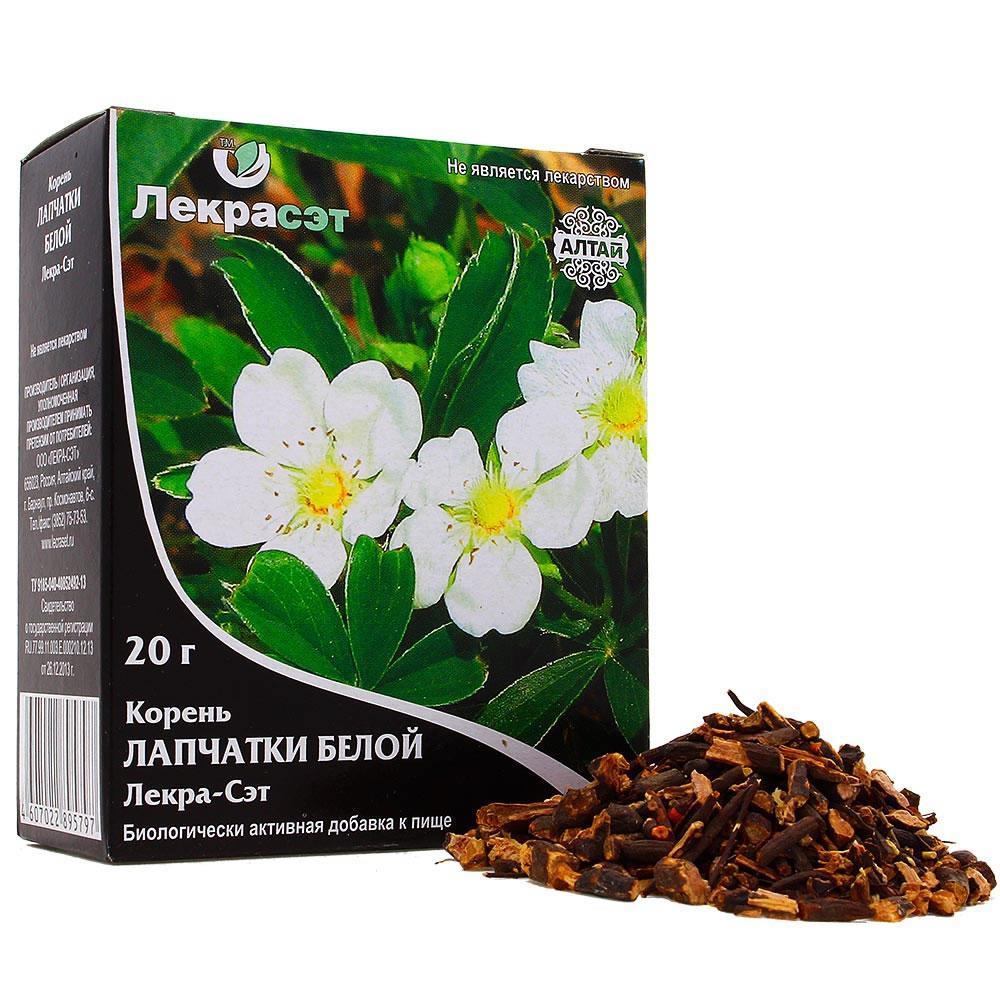
Potentilla root infusion eliminates diarrhea after 1-2 doses
To prepare an infusion from Potentilla you need:
- 5 g of dried and chopped root, pour a glass of boiling water;
- to cover with a lid;
- insist for at least 20 minutes.
Drink 100-200 ml every 2.5-3 hours for 3-5 days.
Carrot juice with honey

Fresh carrot juice quickly relieves nausea and improves well-being
Fresh carrot juice mixed with a teaspoon of honey (1 spoon per 200 ml) helps stop vomiting and relieve nausea. You need to take it 3-4 tablespoons 3 times a day between meals.
Mint infusion
Mint infusion helps to restore digestive function and eliminate unpleasant symptoms (diarrhea, nausea, vomiting, painful spasms) in diseases of the gastrointestinal tract. To prepare it, grind a teaspoon of fresh mint leaves and pour 180 ml of boiling water. Insist covered for at least 15 minutes. Take half a glass 4-5 times a day (after meals).

Mint infusion eliminates unpleasant symptoms and normalizes digestive functions
Diarrhea and vomiting in an adult are alarming symptoms, in most cases indicating infectious diseases of the stomach and intestines. When they appear, it is necessary to call a doctor at home, and before his arrival, observe bed rest. Treatment in most cases is carried out on an outpatient basis, but in the presence of severe indications (bloody diarrhea or vomiting, extreme degree of dehydration, heart rhythm disturbance) hospitalization in the infectious diseases or surgical department is indicated hospital.