Contact allergy: photo of a baby, an adult, treatment
Content
- Development factors
- Symptoms (photos) of allergies
- Diagnostics
- Allergy treatment
- Prevention measures
- Consequences and complications of the disease
Contact allergy (occurs on contact) is a delayed-type reaction that manifests itself in the form of eczema or hives, which occurs when the skin is irritated by any substance.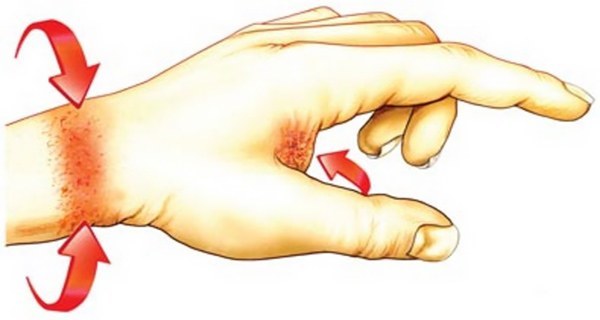
A feature of this type of allergic reaction is the local development of the pathological process, localized at the site of skin contact with the substance. A prerequisite for treatment is the exclusion of the allergen from the patient's life.
Development factors
Contact allergy in children can occur to any substance or object, due to the weak development of all systems, the protective properties of the body are inferior to adult immunity.
An allergic reaction can occur a few days after exposure to the substance on the skin, the presence of damage (wounds, scratches, scratches) significantly speeds up the process.
A sample list of allergens for young children:
- pet hair;
- indoor plant pollen;
- clothing (the higher the content of synthetics in the composition of fabrics, the more dangerous things are for babies);
- personal hygiene products (bathing gel, soap, cream);
- household chemicals;
- aerosol substances.
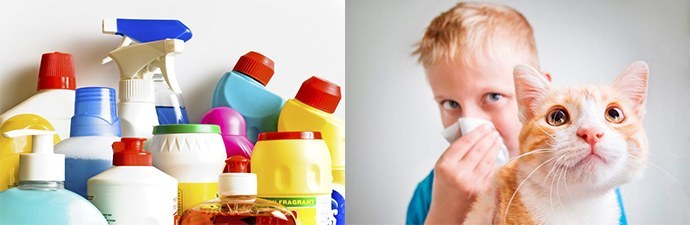
In adults, the range of allergens expands due to their activity, and occupational allergies very often develop. For example, for latex or antibiotics from medical workers (in each profession, items of increased allergic orientation can be distinguished).
A separate group is distinguished by contact allergy to wearing lenses, manifested by reddening of the eyes, a burning sensation and discomfort. The reaction often occurs to lens washes, if irritation occurs, you should consult an ophthalmologist, or change the liquid yourself.
Contact allergy most often has an acute course, but there are cases and chronic. It usually occurs with constant contact with an allergen.
The manifestation of an allergic reaction is aggravated by a decrease in immunity, malnutrition and prolonged nervous overstrain. Especially susceptible to allergies, people are hereditarily predisposed. If both parents are allergic, the likelihood of hypersensitivity in a newborn is 90%, with an allergy of 1 parent or grandparent 50%.
Allergies in babies can appear when parents create conditions with increased sterility. The child's environment should be kept clean, but the use of antibacterial agents constantly provokes the child's body hypersensitivity to allergens.
Symptoms (photos) of allergies
Contact allergy develops after 12–64 hours. The rate of manifestation is influenced by the sensitization of the body and the strength of the acting allergen.
At the point of contact, redness, swelling appear, papules and bubbles of various intensities (in the photo) begin to form, which, when opened, form an erosive weeping surface.
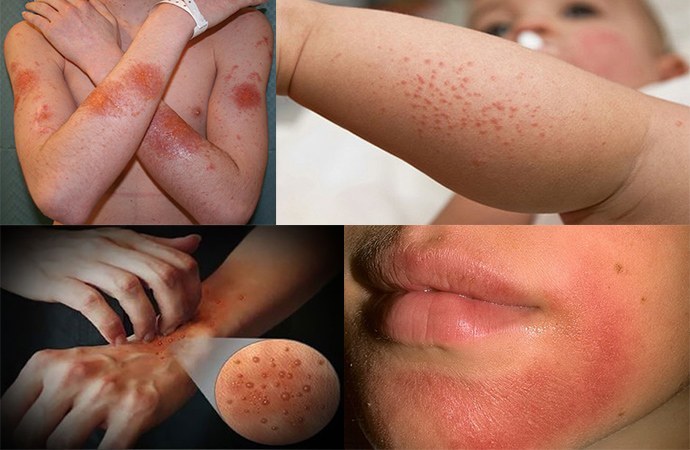
With a severe form of the disease, the process can acquire a necrotic form. Healing occurs with the formation of crusts (pictured), under which the damaged tissues are restored.
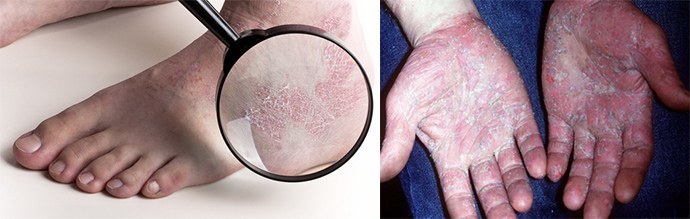 With a prolonged course of the disease, thickening of the skin and the formation of areas of peeling occur.
The difference between the clinical manifestation of an acute form of allergy from a chronic one.
| Symptoms | Acute current | Chronic course |
|---|---|---|
| Redness (erythema) | + | – |
| Itching | + | + |
| Papules | + | + |
| Bubbles (vesicles) | + | – |
| Erosion | + | – |
| Crusts | + | – |
| Peeling | + | + |
| Lichenification (thickening of the skin) | – | + |
| Excoriation (scratching injuries) | – | + |
The symptoms of photocontact allergic dermatitis correspond to the classic ones.
If a contact allergy occurs in a child, the cause should be identified as early as possible and its effect on the newborn should be eliminated, otherwise the treatment will not bring results. With prolonged and frequent allergic reactions in the baby, the general balance of the child's body is disturbed, and he becomes sensitive to a large number of allergens.
Diagnostics
Diagnosis of the disease is carried out by a medical commission consisting of a dermatologist, an allergist and immunologist, if necessary, a therapist, ophthalmologist, dentist and others are involved in the study specialists.
Methods used to diagnose contact allergy:
- Skin tests. Test materials are applied to clean skin and fixed. The materials are a patch with swabs applied to it soaked in suspected allergens. After 2-3 days, an examination is carried out in order to identify the reaction. Testing is carried out only in remission and with the complete cancellation of histamines. It is prescribed for the purpose of determining the allergen and its exclusion from the patient's life.
- Study of the immune status. Immunoglobulins are determined: IgA, IgG, IgM. Indicators of the allergic process.
- Blood and urine tests.

There are a lot of ways to study the immune system, they are used when necessary. In the case of an uncomplicated course, the above are sufficient.
After the diagnosis is made, the necessary complex of therapeutic measures is prescribed.
Allergy treatment
Contact allergy treatment is based on 3 main methods:
- Elimination of the allergen;
- Drug therapy;
- Preventive measures.
With the development of a reaction in infants, a bath with a decoction of calendula is used, which reduces itching and redness. But if the child continues to come into contact with the substance that triggered the reaction, bathing in the bath will not bring relief. The first step is to eliminate the allergen.
In the case of the development of allergic dermatitis, treatment will consist of the following stages:
- Wet eczema should be "dried", for this use lotions with Burov's liquid, contact with water is excluded until the damaged surface heals;
- Local corticosteroids: prescribed in the form of an ointment or cream (Akriderm, cream containing glucocorticoids), the course is designed for 12-14 days;

- In severe and chronic processes, the intake of antihistamines by mouth is prescribed, the drug, dosage and the duration of the course is selected individually by the attending physician and is carried out under the strict supervision of a specialist. Complications are possible.
The most commonly used antihistamines are: Cetirizine (Cetrin), Erius, Suprastin, Tavegil.
Suprastin is used in the treatment of child contact allergy; hospitalization is indicated in severe cases.
- In case of allergy to contact lenses, antiallergic eye drops are prescribed: Allergodil, Opanatol;
- Sedatives (motherwort, valerian);
- Enterosorbents are used in the treatment of chronic contact allergies: Enterosgel, Polyphepan and others.
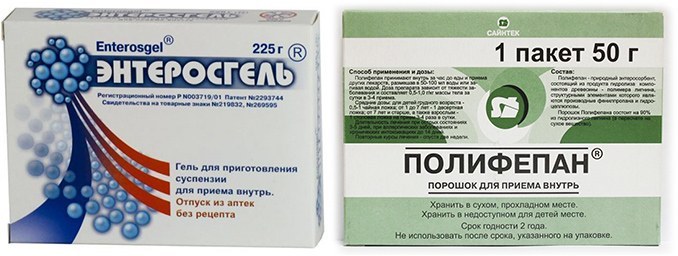
Given that a person cannot be on such drugs for a long time, in case of occupational allergies (contact dermatitis), the only effective way to recover is to change profession. With constant sensitization of the body, the situation will only become more complicated.
After stopping the acute period of the disease, phototherapy will have a good effect (it is not prescribed for primary allergies, it is used in the treatment of chronic forms).
Additionally, traditional medicine methods are used:
- Compresses with St. John's wort oil;
- Decoction of burdock roots, calendula, celandine;
- Rosehip (applied internally and externally);
- Sea buckthorn oil;
- The sequence:
- Hop.
Traditional medicine recipes
| Method | Application |
|---|---|
| Applications | Finely grate the potatoes, mix with honey, grease the affected areas with the resulting mixture and wrap with cling film. Recommended to apply at night. |
| Trays with decoction of herbs | It is permissible for children to use baths with a decoction of herbs: lemon balm, string, a weak decoction of celandine (the plant is poisonous in large quantities), burdock, calendula. With allergic dermatitis of the hands or feet, baths with the listed herbal decoctions will bring significant relief. |
| Masks, rubbing | With pronounced skin manifestations, kefir, sour cream can be used to alleviate the condition. These products are applied to the affected areas 3-4 times a day to reduce itching and skin tightness. For the same purpose, it is recommended to rub in freshly prepared apple or cucumber juice. To do this, it is not necessary to wring it out. It is enough to attach a slice of cucumber or apple to the area of concern. |
Traditional medicine methods are selected by a dermatologist or allergist, self-medication is not permissible, especially in children's practice.
Important! with an increase in temperature and suppuration of damaged skin areas, especially in infants, you should immediately consult a specialist. Skin damaged by allergies loses its ability to resist infection, bacterial damage in the early childhood contributes to the rapid development of a serious condition of the baby and can pose a threat to life.
Prevention measures
There are no preventive measures that completely exclude the occurrence of an allergic reaction. It is only possible to create favorable conditions for the normal functioning of the body without the occurrence of a reaction, knowing the allergen. General precautions are as follows:
- A diet that excludes conditionally allergenic foods (coffee, chocolate, strawberries and much more), if parents are prone to allergies, complementary foods are introduced to newborns with caution. No more than 1 new product in 2 weeks, if an allergy appears to it, is completely excluded from the diet.
- When choosing jewelry, preference should be given to high-quality metals that do not cause allergies: silver, nickel.
- Maintain cleanliness in the house, especially when a baby appears in the house. In cleaning, use hypoallergenic household chemicals, ventilate the room more often.

- Working in the garden during the flowering of grasses, you should wear clothes that protect your skin as much as possible, gloves on your hands.
- In case of a tendency to allergies, reduce the amount of cosmetics, do not contact with strong chemicals.
- In case of a photocontact reaction, exclude visiting the solarium and less exposure to the sun, especially between 11:00 - 15:00.
Consequences and complications of the disease
In the case of a simple contact allergy, the prognosis is good. With the timely identification of the allergen and its complete exclusion from the patient's life, the problem can be forgotten forever, it is more difficult when an allergy is caused by whole groups of substances or substances to get rid of which does not seem to be possible.
With untimely or incorrect treatment, significant tissue damage is possible. In such cases, scarring and the formation of scars or areas with an altered pigment color occur.
When the allergy lasts for a long time, secondary infection of the damaged skin is possible, especially it is dangerous to attach a bacterial infection in newborns and infants, which threatens serious consequences.
At the first signs of contact allergy, you should consult a specialist for a thorough examination and the appointment of adequate therapy. Self-medication is not recommended and can lead to a sad outcome.