Anaphylactic shock: emergency and first aid (algorithm of actions), symptoms
Content
- Concept
- ICD-10 code
- What happens in the body in shock?
- Causes
- Symptoms
- Classification of anaphylactic shock
- Diagnostics
- First aid and emergency aid (algorithm of actions)
- New order for anaphylactic shock
- First aid kit 2019
- Anti-shock set
- Federal Clinical Practice Guidelines for Anaphylactic Shock
- Nursing process for anaphylactic shock
- How can healthcare providers reduce a patient's risk of shock?
- Anaphylactic shock in children
- Anaphylactic shock in dentistry
- Anaphylactic shock from medication
- Who is most commonly affected by anaphylactic shock?
- Patient memo
- Prophylaxis
- Forecast
- Death from anaphylactic shock
Anaphylactic shock is an acute allergic reaction to certain types of irritants that can be fatal. We offer you to find out why it occurs and what kind of assistance you need to provide in order to eliminate it and prevent possible consequences.
Concept
The cause of anaphylactic shock is the repeated penetration of the allergen into the body. The reaction manifests itself so rapidly, often in a few seconds, that with a poorly planned assistance algorithm, a person may die.
The following are exposed to the pathological process:
- mucous membranes and skin;
- heart and blood vessels;
- brain;
- respiratory system;
- digestive system.
With anaphylaxis, an acute disorder always occurs in the work of vital organs, therefore the condition is urgent. It is diagnosed with the same frequency in children, women and men, everyone can face it. But, of course, people with allergic diseases are at risk in the first place.
ICD-10 code
- T78.0 Anaphylactic shock provoked by food;
- T78.2 ASh of unspecified genesis;
- T80.5 ASh, which arose on the administration of serum;
- T88.6 ASh, which occurred against the background of adequately used medication.
What happens in the body in shock?
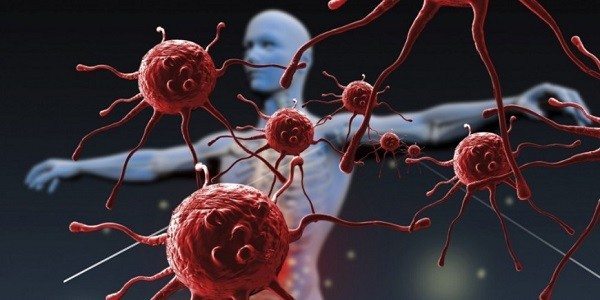
The process of developing anaphylaxis is complex. The pathological reaction is triggered by the contact of a foreign agent with immune cells, as a result of which new antibodies are produced, provoking a powerful release of inflammatory mediators. They literally penetrate all human organs and tissues, disrupting microcirculation and blood clotting. Such a reaction can cause a sudden change in well-being, up to the development of cardiac arrest and death of the patient.
As a rule, the amount of the incoming allergen does not affect the intensity of anaphylaxis - sometimes micro doses of an irritant are enough to trigger a powerful shock. But the faster the signs of the disease intensify, the higher the risk of death, provided that timely assistance is not available.
Causes
A large number of pathogenic factors can lead to the development of anaphylaxis. Consider them in the following table.
| Allergen groups | Common irritants |
|---|---|
| MEDICATIONS | Antibiotics: cephalosporins, penicillins. Vaccines: against influenza, tuberculosis and hepatitis. Serums: for tetanus, diphtheria and rabies. |
| INSECTS | Wasp, bee stings. |
| HELMINTHS | Enterobiasis, ascariasis, toxocariasis, etc. |
| PLANTS | Herbs: ambrosia, lupine. Trees: poplar, willow. Flowers: lily, roses. |
| FOOD | Fruits: bananas, citrus fruits. Cereals: legumes. Fish: trout, sturgeon. Artificial flavor enhancers. |
Symptoms
The development of clinical manifestations of anaphylaxis is based on three stages:
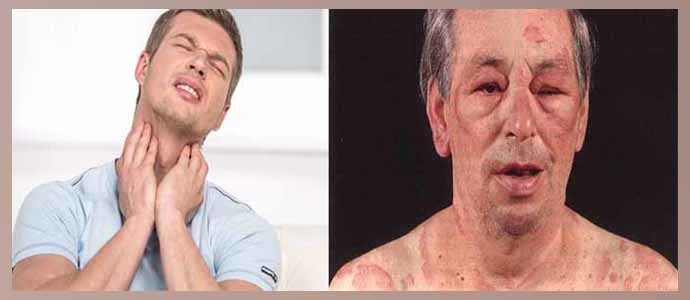
- Period of precursors: the person suddenly feels weak and dizzy, the skin may show signs of hives. In complicated cases, already at this stage, the patient is haunted by a panic attack, lack of air and numbness of the limbs.
- The peak period: loss of consciousness associated with a drop in blood pressure, noisy breathing, cold sweat, involuntary urination, or, on the contrary, its complete absence.
- Exit period: lasts up to 3 days - the patient has severe weakness.
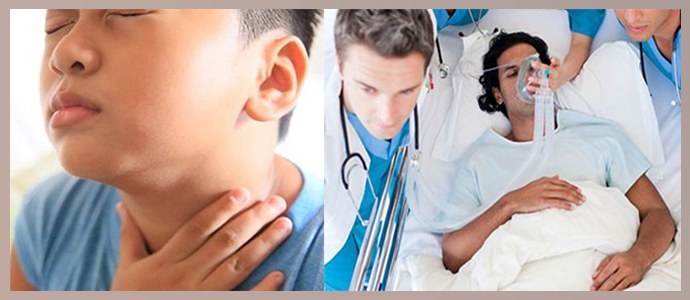 Usually, the first stages of pathology develop within 5-30 minutes. Their manifestation can vary from a minor skin itching to a severe reaction affecting all systems of the body and leading to the death of a person.
First signs
The initial symptoms of shock appear almost instantly after exposure to an allergen. These include:
- weakness;
- a sudden feeling of heat;
- panic fear;
- chest discomfort, breathing problems;
- palpitations;
- convulsions;
- involuntary urination.

The following picture of anaphylaxis can complement the first signs:
- Skin: urticaria, edema.
- Respiratory system: choking, bronchospasm.
- Digestive tract: taste disturbances, vomiting.
- Nervous system: increased tactile sensitivity, dilated pupils.
- Heart and blood vessels: blue fingertips, heart attack.
Classification of anaphylactic shock
The clinical picture of the disease depends entirely on the severity of the emergency that has arisen. There are several options for the development of pathology:
- Malignant or rapid: literally in a few minutes, and sometimes seconds, in a person acute heart and respiratory failure is formed, despite the urgent measures taken help. Pathology is fatal in 90% of cases.
- Prolonged: develops after prolonged treatment with drugs of prolonged action, for example, antibiotics.
- Abortive: mild shock, not threatening. The condition can be easily stopped without provoking serious complications.
- Recurrent: episodes of an allergic reaction are repeated periodically, and the patient does not always know what exactly he is allergic to.
Anaphylaxis can occur in any of the forms discussed in the table.
| Shock types | Description |
|---|---|
| ASPHICTIC | Signs of bronchospasm and Quincke's edema (narrowing of the larynx up to asphyxiation). |
| ABDOMINAL | Pain like gastritis or cholecystitis, stool disorder. |
| CEREBRAL | Symptoms of cerebral edema predominate, with convulsions, vomiting without relief, confusion and coma. |
| HEMODYNAMIC | Discomfort in the heart, similar to a heart attack and severe hypotension. |
| GENERALIZED | Most common: it includes general signs of shock. |
Cerebral anaphylactic shock. It is rare in isolation. It is characterized by pathogenetic changes on the part of the central nervous system, namely:
- excitement of the nervous system;
- unconsciousness;
- convulsive syndrome;
- breathing disorders;
- swelling of the brain;
- epilepsy;
- cardiac arrest.
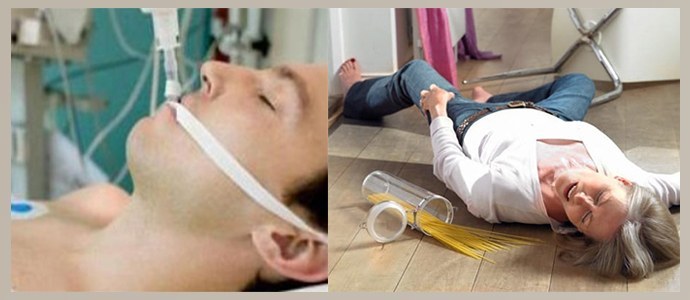
The general picture of cerebral anaphylactic shock resembles status epilepticus with a predominance of convulsive syndrome, vomiting, stool and urinary incontinence. The situation is difficult for diagnostic measures, especially when it comes to the use of injectable drugs. Usually this condition is differentiated from air embolism.
The cerebral variant of the pathology is eliminated by anti-shock actions with the primary use of Adrenaline.
Diagnostics
The definition of anaphylaxis is carried out as soon as possible, since the prognosis for the patient's recovery may depend on this. This condition is often confused with other pathological processes, and therefore the patient's history becomes the main factor in making the correct diagnosis.
Consider what laboratory tests will show for anaphylaxis:
- complete blood count - leukocytosis and eosinophilia;
- chest x-ray - pulmonary edema;
- ELISA method - growth of Ig G and Ig E antibodies.
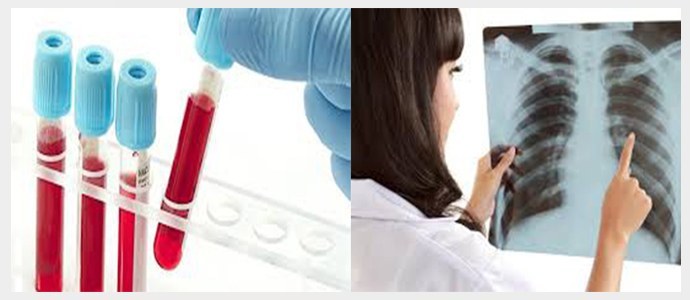
Provided that the patient does not know what his body is hypersensitive to, allergological tests are additionally carried out after the provision of the necessary medical measures.
First aid and emergency aid (algorithm of actions)
Many people do not see the difference between first aid and emergency aid. In fact, these are absolutely dissimilar algorithms of actions, since first aid is provided by others before the arrival of doctors, and emergency aid is provided directly by them.
First aid algorithm:
- Lay down the victim, raise the legs above body level.
- Turn the person's head to the side to prevent aspiration of the respiratory tract with vomit.
- Stop contact with the irritant by removing the sting of the insect and applying cold to the bite or injection site.
- Find the pulse on the wrist and check the victim's breathing. In the absence of both indicators, start resuscitation manipulations.
- Call an ambulance, if this has not been done before, or take the victim to the hospital on your own.
Emergency care algorithm:
- Monitoring the vital signs of the patient - measuring the pulse and blood pressure, ECG.
- Ensuring the patency of the respiratory system - removal of vomit, tracheal intubation. Less commonly, a tracheotomy is performed when it comes to throat swelling.
- Introduction of Epinephrine 1 ml of 0.1% solution, previously combined with saline solution up to 10 ml.
- Prescribing glucocorticosteroids to quickly relieve allergy symptoms (Prednisolone).
- The introduction of antihistamines, first by injection, then inside in the form of tablets (Tavegil).
- Oxygen supply.
- Appointment of methylxanthines in case of respiratory failure - 5-10 ml of 2.4% Euphyllin.
- The introduction of colloidal solutions in order to prevent problems with the cardiovascular system.
- Prescribing diuretics to prevent cerebral and pulmonary edema.
- Administration of anticonvulsants for cerebral anaphylaxis.
Correct patient positioning for care
Pre-medical manipulations for anaphylaxis require competent actions in relation to the victim.
The patient is placed on his back, placing a roller or some suitable object under his feet, with the help of which it will be possible to raise them above the level of the head.
Then you need to ensure the flow of air to the patient. To do this, open wide a window, a door, unbutton the embarrassing clothing around the victim's neck and chest.
If possible, control that nothing in the mouth interferes with the full breathing of a person. For example, it is recommended to remove dentures, mouth guards, turn your head to the side slightly pushing the lower jaw forward - in this case, it will not choke with random vomit. In this position, they are waiting for the health workers.
What is injected first?
Before the arrival of doctors, the actions of others should be coordinated. Most experts insist on the immediate use of Adrenaline - its use is relevant already at the first signs of anaphylaxis. This option is justified by the fact that the patient's well-being can worsen in literally seconds, and the timely injected drug will prevent the deterioration of the victim's condition.
But some doctors advise against injecting Adrenaline on your own at home. If the manipulation is not performed correctly, there is a risk of cardiac arrest. Much in this case depends on the patient's condition - if nothing threatens his life, it is necessary to continue monitoring the patient until the ambulance arrives.
How to administer Adrenaline?
This drug constricts blood vessels, increases blood pressure, and reduces their permeability, which is important for allergies. In addition, Epinephrine stimulates the heart and lungs. This is why it is actively used for anaphylaxis.
The dosage and method of administration of the medication depend on the condition of the victim.
The drug is administered intramuscularly or subcutaneously (by injecting the place of contact of the allergen) with an uncomplicated course of shock 0.5 ml 0.1%.
In severe cases, the agent is injected into a vein in a volume of 3-5 ml - with a threat to life, loss of consciousness, etc. It is advisable to carry out such activities in intensive care, where it is possible to carry out ventricular fibrillation to a person.
New order for anaphylactic shock
Anaphylaxis has been increasingly reported recently. For 10 years, indicators of emergency conditions have more than doubled. Experts believe that this trend is a consequence of the introduction of new chemical irritants into food products.
The Russian Ministry of Health has developed Order No. 1079 dated 12/20/2012 and put it into effect. It defines the algorithm for the provision of medical care and describes what a first-aid kit should consist of. Anti-shock kits are required in procedural, surgical and dental departments, as well as in industries and in other institutions with specially equipped first-aid posts. In addition, it is advisable that they be in the house where the allergic person lives.
First aid kit 2019
The basis of the kit, which is used in persons with anaphylactic shock, according to SanPiN, includes:
- Adrenalin. A drug that instantly constricts blood vessels. In case of an emergency, it is used intramuscularly, intravenously or subcutaneously in the area of penetration of the allergen (injecting the affected area).
- Prednisolone. A hormonal agent that creates decongestant, antihistamine and immunosuppressive effects.
- Tavegil. Fast-acting drug for injection use.
- Diphenhydramine. The medicine, included in the medicine cabinet as a second antihistamine, additionally has a sedative effect.
- Euphyllin. Eliminates pulmonary spasm, shortness of breath and other breathing problems.
- Medical products. It can be syringes, alcohol wipes, cotton wool, antiseptic, bandage and adhesive plaster.
- Venous catheter. Helps access the vein to facilitate medication injections.
- Saline solution. Required for dilution of drugs.
- Rubber harness. It is applied above the place where the allergen enters the bloodstream.
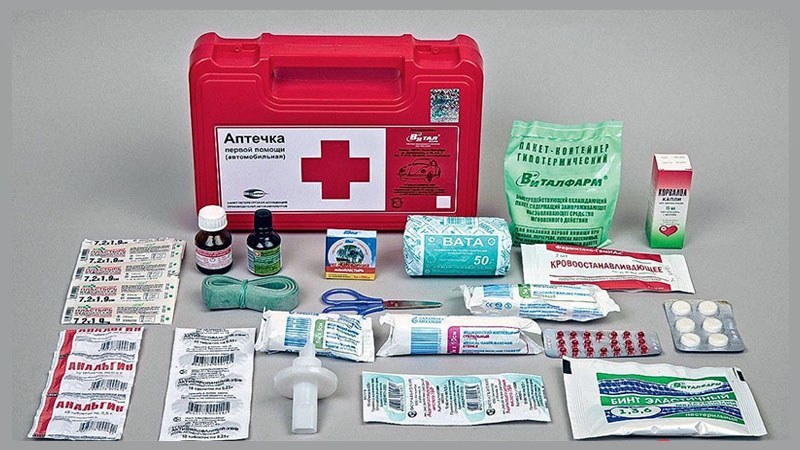
It is recommended to check the contents of the finished first-aid kit periodically, changing drugs with a limited or expired shelf life. If a drug is used, it is immediately replaced with another.
Anti-shock set
The Ministry of Health approved the exact list of drugs that are needed in every first-aid kit in case of anaphylaxis. Let's list them:
- Adrenaline 0.1%.
- Suprastin 2%.
- Tavegil 0.1%.
- Prednisolone 3%.
- Euphyllin 2.4%.
- Mezaton 1%.
- Dexamethasone 0.4%.
- Solu-cortef 100 mg.
- Cordiamine 25%.
- Glucose 40%.
- Glucose 5%.
- Saline solution 500 ml.
- Intravenous system 5 pcs.
- Syringe 2, 5, 10 and 20 ml, 5 pcs.
- Ventilator tube.
- Bag of Ambu.
- The aspirator is electric.
Federal Clinical Practice Guidelines for Anaphylactic Shock
Evidence from recent years suggests that this allergic reaction is not uncommon. Therefore, health workers, without exception, must correctly diagnose the condition and have the skills of emergency care.
Consider what is included in the list of clinical guidelines:
- Before prescribing a drug, it is important to study what side effects it has and how often it causes allergies. It is forbidden to prescribe to one person at the same time several drugs that are the same in the pharmacological range.
- If in the past the patient had a reaction to a certain medication, he is not prescribed in the future and any means similar to him in chemical composition are excluded.
- After the injection, observation of the patient is organized for 30 minutes due to the frequent onset of allergic reactions during this particular period of time.
- All manipulation rooms require an anti-shock first-aid kit and a place where you can lay the victim horizontally in case of complications.
- Health workers must be prepared for the development of anaphylaxis, and their actions must be coordinated to take the necessary measures to save the person.
Nursing process for anaphylactic shock
After laying the patient down and raising his legs above the level of the body, turning the head to the side, the patient's breathing and pulse are monitored. Further, the nurse suggests that the patient take an antihistamine such as Suprastin inside or inject it.
The step-by-step algorithm for providing nursing care will be as follows:
- extract or neutralize the allergen in the body using Epinephrine and gastric lavage or enema, if it is a food irritant;
- objectively assess the patient's condition - nervous excitability, the presence of consciousness, lethargy;
- visually inspect the victim's skin for a rash, its tone and nature;
- calculate the heart rate and clarify the type of pulse;
- determine the number of respiratory movements, the presence of shortness of breath;
- with the available technical ability to perform an ECG;
- strictly follow the instructions of the doctor during the provision of medication.
How can healthcare providers reduce a patient's risk of shock?
Specialists are able to prevent anaphylaxis by using the following actions:
- Before starting drug therapy, the doctor examines the patient's outpatient record.
- All medications are prescribed only if indicated. Their dosage is selected taking into account the portability and compatibility with other drugs.
- The specialist does not prescribe several medications at once. Medicines are added gradually, making sure that the previous one is well tolerated by the body.
- The patient's age is taken into account. For older people, heart, antihypertensive and sedative drugs are prescribed in a reduced dosage compared to middle-aged people.
- Antibiotics are selected individually after determining the sensitivity of the pathogenic microflora to them.
- It is advisable to replace anesthetics for the dilution of medicinal substances with saline, since Lidocaine and Novocaine often provoke anaphylaxis themselves.
- Before prescribing drug therapy, the doctor must monitor the level of eosinophils and leukocytes in the blood, as well as the function of the kidneys and liver.
- In persons with a high predisposition to allergies, a preliminary preparation of the body is carried out 5 days before treatment. For this, antihistamines such as Suprastin, etc., are prescribed.
- The first injection is placed in the upper third of the forearm. In case of shock, the specialist will place a tourniquet above the injection site and prevent complications.
- For persons who have undergone pathology, a corresponding mark is made in the history of the disease in red ink.
Anaphylactic shock in children
Recognizing a child's emergency is often difficult. Little patients, finding themselves in such a situation, cannot always correctly describe their well-being.
Therefore, you need to pay attention to the following signs of anaphylaxis in childhood:
- pale skin;
- semi-faint state;
- rash and itching on the body;
- rapid breathing;
- swelling of the face - lips or eyelids.
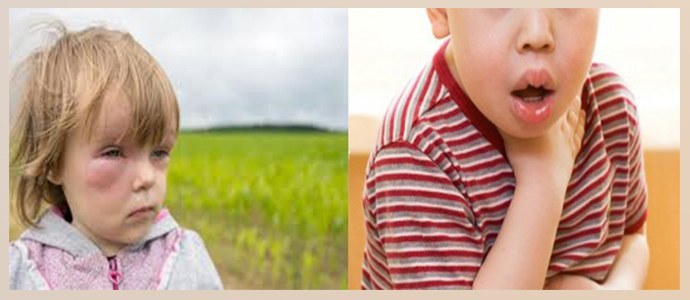 It can be argued that a child has anaphylaxis if his health has deteriorated sharply against the background of the following factors:
- the introduction of sera and vaccines;
- setting of intradermal tests and injections;
- insect bites.
The risk of shock is greatly increased if there is data on allergic diseases in the child's anamnesis.
How to help a child before the arrival of doctors? The algorithm of actions will be as follows:
- Lay the baby horizontally.
- Turn your head to the side, fixing it in this position. It is desirable that an assistant does this.
- Remove the trays from the mouth, if any, cleanse its cavity from extraneous masses (saliva, vomiting, etc.).
- Monitor your pulse and blood pressure.
- Put cold on the injection site or insect bite.
- Clear eyes and nasal passages, provided that shock develops after using ophthalmic or nasal drops.
- Flush the stomach if the child's well-being has worsened due to a food allergen.
- Get specialist advice about taking antihistamines.
Anaphylactic shock in dentistry
Anaphylactic shock is a common occurrence in dentistry. The following allergens can cause it:
- anesthetics: Lidocaine, Novocaine, etc.;
- acrylic plastics;
- pastes;
- filling material.
Usually shock in dentistry develops with the injection of drugs, but sometimes a negative reaction causes the local use of drugs in the form of dressings, the introduction of drugs and other substances into the tooth socket and NS. Reactions can range from skin manifestations to loss of consciousness and signs of suffocation.
Emergency care in dentistry begins with symptoms of deterioration in well-being.
Initially, it is necessary to stop further contact with the allergen or to minimize its penetration into the body. To do this, the remnants of the drug are removed from the tooth, the patient's mouth is cleaned with rinsing. In case of a reaction to the injection of medications, it is necessary to apply a tourniquet on the forearm or inject 0.3-0.5 ml of 0.1% Epinephrine into the injection area.
If the patient's blood pressure drops and faints, he is placed horizontally, pushing the lower jaw forward to avoid suffocation. Immediately begin the administration of drugs such as Adrenaline, Tavegil, Prednisolone and Euphyllin.
The dosage and the need for the use of the drugs described above are controlled by the doctor.
Anaphylactic shock from medication
Lidocaine. It is actively used in surgery, traumatology, obstetrics and dentistry. According to statistics, anaphylaxis develops on him in one case out of fifteen thousand. In 5% of situations, this reaction is unpredictable.
Shock and cardiac arrest are the most dangerous consequences of Lidocaine intolerance. But according to the experts themselves, such sad outcomes are usually the result of an overdose of a drug.
Anesthesia. Anaphylaxis is the most dangerous complication of general pain relief. This condition occurs in one patient out of ten thousand. That is, the risk is insignificant. If this happens on the operating table, in 95% of cases, doctors manage to save the patient, since everything they need is at their fingertips.
The shock is caused by drugs used by the anesthesiologist. To avoid this problem, it is advisable to pass the necessary tests before the surgery in order to the specialist could familiarize himself in advance with what medications the patient is tolerating, and from what follows refuse. Of course, we are not talking about emergencies.

Ceftriaxone. It belongs to a group of potent antibiotics, so its use can be accompanied by a large number of side effects. One of them is anaphylactic shock, which occurs as a result of individual intolerance to the active substance of the drug.
Ceftriaxone is mixed with anesthetics, rarely with water for injection. Solvents - Lidocaine or Novocaine can also provoke an acute reaction, therefore, for the first time, the drug is administered slowly, observing the patient's well-being. Children and allergy sufferers are recommended to undergo a scarification test beforehand. It determines a person's susceptibility to Ceftriaxone: the drug is applied to artificial scratches in the forearm. If there is no reaction in the next 30 minutes, the skin does not swell or change color, the antibiotic is tolerated.
If there is evidence of intolerance to anesthetics - Lidocaine or Novocaine, the drug is diluted with saline.
Who is most commonly affected by anaphylactic shock?
A state of emergency occurs with equal frequency in children, men and women, and the elderly. It can develop in any person, but it is most likely to occur in persons suffering from allergic diseases. The lethal outcome in the emerging condition reaches 1-2% of the total number of all victims.
Patient memo
If a person has had an attack of anaphylaxis at least once in his life, then in the future he should adhere to the following tips:
- Ask your doctor for the cause of the shock. If it was a medication, remember its correct name and report it every time you enter a medical institution. If you are intolerant to a certain food product, it is important to avoid further consumption of it. It is necessary to exclude any situations of possible interaction with a known allergen.
- The victim himself and his relatives should know about the first symptoms of anaphylaxis. As soon as they appear, you need to call emergency help.
- Sometimes experts recommend that people who have once faced shock should always have a syringe with Adrenaline with them. The relatives of the victim should be aware of this, as well as know how to give an injection if necessary.
- It is desirable for the patient's relatives to learn the primary skills of cardiopulmonary resuscitation. It is this skill that often makes it possible to save a person's life before an ambulance arrives.
Prophylaxis
How to prevent the development of anaphylaxis? Let's take a closer look at these methods.
Primary prevention. Based on preventing human interaction with a potential irritant:
- rejection of addictions;
- control over the production of quality medicines;
- combating environmental pollution with chemicals;
- a ban on the use of artificial additives in cooking;
- exclusion of the simultaneous administration of several drugs.
Secondary prevention. Based on early detection and treatment of comorbidities:
- compulsory collection of an allergic history (and corresponding marks on the title page of the outpatient card);
- timely elimination of rhinitis and dermatitis caused by the individual sensitivity of the body to certain irritants;
- setting an allergy test to determine the exact cause of the disease;
- monitoring of patients within half an hour after the injection of drugs.
Tertiary prevention. Based on the prevention of recurrence of pathology:
- compliance with hygiene standards;
- regular wet cleaning;
- ventilation of premises;

- restriction of upholstered furniture and toys in the living space;
- control over food intake;
- wearing protective equipment (medical mask, glasses) during the flowering of plants.
Forecast
If first aid and emergency measures are coordinated and timely, there is a high probability of complete recovery from shock. With any delay, the risk of death increases.
Death from anaphylactic shock
Death in allergic diseases occurs in 2% of cases. Anaphylaxis leads to death as a result of its rapid development and poor quality care. Its reasons are:
- heart failure;
- swelling of the brain;
- choking, obstruction of the respiratory system.
Anaphylaxis requires immediate attention. Well-planned rescue measures can save the victim's life. Therefore, everyone needs to know what anaphylactic shock is, how it manifests itself and what can be done before an emergency arrives.