Bullous pemphigoid: what is it, causes, symptoms, treatment, prognosis
Content
- What is Bullous Pemphigoid?
- Signs and symptoms
- Causes (etiology)
- Affected populations
- Diagnostics
- Symptomatic Disorders
- Treatment
- Forecast
What is Bullous Pemphigoid?
Bullous pemphigoid (abbr. BP) is a rare autoimmune chronic skin diseasecharacterized by blistering, urticaria and itching. Less commonly, these vesicles can affect mucous membranes, including the mucous membranes of the eyes, mouth, esophagus, and genital mucosa. Usually, the disease manifests itself in older people as generalized (i.e., spreading throughout the body), severely itchy blistering of the skin.
Signs and symptoms

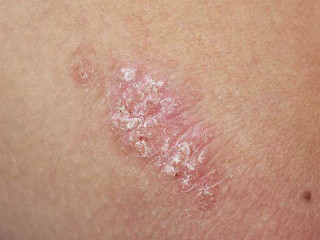
The first symptoms of bullous pemphigoid are redness and itching of the skin. For weeks to months on the arms and legs (flexor surfaces), in the armpits (armpits), on thin-walled stretched blisters with transparent foci of fluid appear on the abdomen and / or on the skin folds of the groin (bulls). Mucous membranes may also be affected, but less frequently.
Blisters are usually tight and contain clear or blood-stained fluid; do not burst with weak contact. If the blisters rupture, pain may occur, but healing usually occurs quickly and without scarring.
PD is usually itchy, and in the early phase before blistering may appear hives (urticarial rash).
Causes (etiology)
Bullous pemphigoid is an autoimmune disease. Autoimmune diseases occur when the body's natural defenses against "alien" or invading organisms (eg viruses and bacteria), i. e. the immune system begins to attack healthy tissue for unknown reasons.
In bullous pemphigoid, the immune system produces antibodies against the fibers that connect the outer layer of the skin (epidermis) and the next layer of skin (dermis). These antibodies provoke inflammation, which causes blistering and itching of the skin.
- Contributing factors.
The disease usually appears randomly without any obvious factors contributing to the occurrence of the disease. Some cases can be caused by:
- Medicines. Prescription drugs that can cause bullous pemphigoid include etanercept (Enbrel), sulfasalazine (azulfidine), furosemide (lasix), and penicillin.
- Ultraviolet and radiation.The disease can appear after ultraviolet light therapy for treating certain skin conditions, as well as after radiation therapy for cancer.
- Diseases. Disorders that can cause bullous pemphigoid include psoriasis, lichen planus, diabetes, rheumatoid arthritis, ulcerative colitis and multiple sclerosis.
The disease is most common in older people.
Affected populations
PD is a rare disease that affects men and women in equal numbers. The disease mainly affects the elderly, with an average age of about 80 years. However, cases have also been reported in infants and adolescents.
Scientists have recently learned about the link between PD and neurological disorders. It is reported that between one third and one half of all patients with the disease have neurological diseases such as dementia, Parkinson's disease, stroke, epilepsy and multiple sclerosis. These diseases usually occur before the onset of bullous pemphigoid.
Diagnostics
The diagnosis is made on the basis of a combination of clinical symptoms and laboratory tests.
Doctors usually identify PD by its typical blisters. However, it is not always easy to distinguish it from pemphigus blisters and other blisters from other causes, such as severe poison ivy burns.
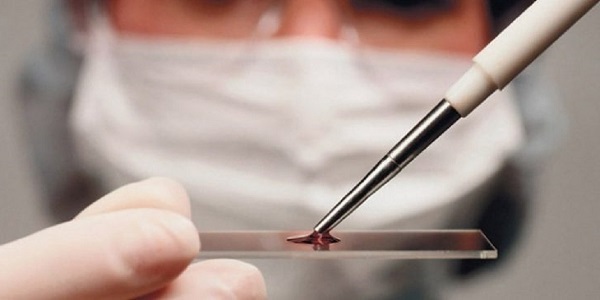
PD is reliably diagnosed by examining a skin sample under a microscope (skin biopsy).
Doctors differentiate bullous pemphigoid from pemphigus vulgaris by looking at the layers of the affected skin and the appearance of specific antibodies.
Symptomatic Disorders
Symptoms of the following disorders may be similar to those of bullous pemphigoid. Comparisons can be useful for differential diagnosis:
- Pemphigus (pemphigus) is a general term for a group of rare autoimmune blistering skin diseases. All forms of pemphigus are characterized by the development of blistering eruptions on the outer layer of the skin (epidermis). Blisters that occur with pemphigus may be referred to as flaccid bullae because they are not hard and break easily. In pemphigus vulgaris, lesions develop on mucous membranes, for example, on the inside of the mouth.
- Erythema multiforme (ME) is an inflammatory skin disease characterized by lesions of the skin and / or mucous membranes. ME is most commonly caused by infection or medication. Early symptoms of the disorder may include red, raised patches (erythematous patches or papules), which are often have the appearance of targets on the skin, filled in the center with a liquid and which ultimately develop into larger bubbles. Affected areas typically include the hands, forearms, feet, and / or mucous membranes of the mouth, nose, and / or genitals. Skin lesions and blisters caused by erythema multiforme usually appear on both sides of the body and tend to heal in about 2 to 3 weeks. Erythema multiforme can also cause fever, joint pain, muscle stiffness, and fatigue.
- Mucosal pemphigoid - A rare chronic disease characterized by the formation of blisters and scars on the mucous membranes, especially in the mouth and membranes surrounding the eyes (conjunctiva). Initial symptoms include redness and inflammation of these areas, and scarring may occur on membranes, including the eyes. Blisters can also develop in the mucous membranes of the pharynx, esophagus, nose, urethra, and / or vulva. If mucosal pemphigoid affects the skin, it usually affects the face, scalp, and upper body.
- Dühring's dermatitis herpetiformis Is a rare chronic autoimmune skin disease characterized by clusters of severely itchy blisters and redness on the skin. They are most commonly located on the elbows, knees, buttocks, lower back, and scalp. The most common age for onset of dermatitis herpetiformis is 30–40 years, but people of all ages can be affected. Herpetiform dermatitis rare in children, and is a cutaneous manifestation celiac disease. The disease is treated with a gluten-free diet and often a drug called dapsone.
- Epidermolysis bullosa - a genetic skin disease, clinically characterized by the formation of blisters due to mechanical trauma. Epidermolysis bullosa ranges from a minor inconvenience requiring a change in certain activities, to complete incapacitation and, in some cases, death. Friction causes blistering. Blisters can form anywhere on the surface of the skin, in the mouth and in more severe forms can also affect the outer surface of the eye, as well as the respiratory tract, gastrointestinal tract and genitourinary paths. In some forms of the disease, disfiguring scars and deformities of the musculoskeletal system occur. There is currently no cure for the disease. Supportive care includes daily wound care, dressing, and pain management as needed. Most types of the disease are inherited and usually first appear during childhood.
- Acquired epidermolysis bullosa (EBE) is a rare autoimmune skin disorder that usually affects middle-aged and older people. The most common sites for lesions are areas that are subject to repeated minor trauma, such as the arms, legs, knees, and elbows. Mucosal involvement is also common. Scars usually remain after the blisters heal. PBE is clinically similar to bullous pemphigoid and is difficult to differentiate without specific immunofluorescence analysis.
Treatment
Initially, doctors prescribe strong corticosteroid creams, such as clobetasol, to people directly on the skin. Such creams can reduce the need for oral medications. People who have blisters on large areas of the skin often need to take corticosteroids (prednisone), which are gradually tapered off after a few weeks. For most people, symptoms resolve in 2-10 months.
In the treatment of bullous pemphigoid, the combination of nicotinamide with minocycline or tetracycline is sometimes successful. Other drug therapy options include treatment with dapsone, sulfapyridine, or erythromycin alone. Sometimes, drugs are prescribed for people with a serious illness that does not respond to other treatment. suppressing the immune system, such as methotrexate, azathioprine, mycophenolate mofetil, rituximab, or cyclophosphamide. If necessary, immunoglobulin is used (intravenously).
Although some skin care may be required, such as keeping the affected area clean in order to preventing infection and possibly wearing loose clothing, most people do not need hospitalization for intensive skin treatments.
Forecast
Untreated, bullous pemphigoid usually resolves after 3–6 years of age, but can be fatal in about one third of frail elderly people. Deaths are likely to be more common in people treated with large doses of oral corticosteroids.
Lilia Khabibulina/ article author
Higher education (Cardiology). Cardiologist, therapist, functional diagnostics doctor. I am well versed in the diagnosis and treatment of diseases of the respiratory system, gastrointestinal tract and cardiovascular system. She graduated from the academy (full-time), she has a wide experience of work.
Specialty: Cardiologist, Therapist, Physician of functional diagnostics.
More about the Author.