Meniere's disease: what is it, symptoms and treatment, prognosis
Content
- What is Meniere's disease?
- Symptoms and Signs
- Causes and risk factors
- Affected populations
- Diagnostics
- Treatment
- Forecast
What is Meniere's disease?
Meniere's disease (syndrome) Is a disorder of the inner ear characterized by an increase in endolymph (labyrinth fluid) volume and increased intra-labyrinth pressure (endolymphatic hydrops), resulting in severe dizziness, ringing in the ears (noise in ears), hearing loss, and a feeling of pressure or stuffiness in the ear. In most cases, only one ear is affected. Only about 15% of people with Meniere's disease lose hearing in both ears.
Dizziness attacks can occur suddenly or after a short period of tinnitus or muffled hearing. In some people, occasional bouts of vertigo are separated by long periods of time. Others may experience many symptoms at once over several days, weeks. Some people with Meniere's disease feel so dizzy that they lose their balance and fall.
Meniere's syndrome can develop at any age, but is more common in adults between the ages of 30-60.
Symptoms and Signs
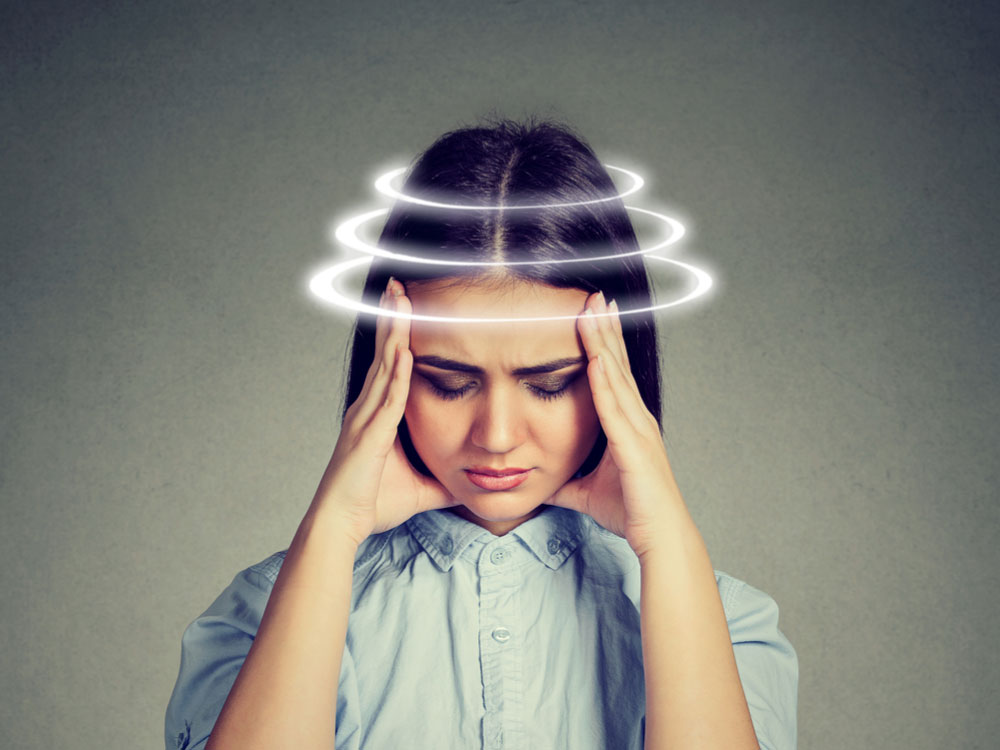
The symptoms of Meniere's disease vary greatly from person to person. Some patients experience a cluster of symptoms and signs for several weeks followed by years of relief, while other patients experience symptoms regularly for many years.
A person with Meniere's syndrome may experience one or all of the following symptoms:
- Vertigo, often so severe that it temporarily knocks the person out of potassium. It may feel like the room is spinning, spinning, or swaying. The balance can be seriously disturbed. The sensation can last from a few minutes to several hours. After the dizziness has subsided, the feeling of imbalance can persist for hours or days.
- Nausea and vomiting during an attack of dizziness.
- Feeling of pressure or stuffiness in the ear.
- Ringing, buzzing, or other noises in the affected ear. Noises are often low and can distort normal sounds.
- Hearing loss that comes and goes but gets worse over time. Hearing loss often occurs early in the disease.
Meniere's disease is characterized by periods of exacerbation and remission. The intervals between periods of exacerbation and remission are different. In some patients, symptoms appear several times a day, while in others, periods of exacerbation may occur 2-3 times a year. Meniere's disease is long lasting and can lead to profound hearing loss in the affected ear. People with advanced disease have a constant sense of imbalance.
What to do if symptoms of Meniere's syndrome appear?
In the event of symptoms suggestive of Ménière's disease, contact the primary care physician immediately, who will refer the patient for urgent consultation. otolaryngologist. In the event of a sudden onset of severe dizziness in a previously healthy person, an ambulance should be called, and the patient should lie down and calm down.
Causes and risk factors
There are many theories about what causes Meniere's disease, but there are no definite answers. Some scientists believe that Meniere's disease is the result of narrowing of blood vessels, similar to those that cause migraines. Others believe that Meniere's syndrome may be due to viral infections, allergies, or autoimmune reactions. Because Meniere's disease appears to run in families, it can also result from genetic changes that cause abnormalities in endolymph volume or regulation.
With regard to infectious agents, both bacterial and viral etiologies play a role. An example of a bacterial disease that can lead to disease is congenital and acquired syphilis. Also in people with Lyme disease sometimes this condition develops. 15% of patients with Meniere's disease have a positive serological response to the presence of Borrelia burgdorferi, responsible for tick-borne borreliosis. Viral infections that have occurred in some patients with the disease are cytomegalovirus, herpes virus, Epstein & Barr virus.
There is a lot of evidence pointing to a genetic predisposition to Meniere's disease. They are based on the mechanisms of immune regulation. However, it is difficult to clearly prove what has the greatest influence on the development of the disease.
Affected populations
Meniere's syndrome is rare (frequency 50: 100,000 inhabitants). In 3% of people who complain of dizziness, the cause is Meniere's disease. The disease can manifest itself at different ages, but most often it affects people between the ages of 30-60. It occurs in both women and men.
Diagnostics
Diagnosing Meniere's disease can be difficult. A doctor cannot examine the inner ear directly, so there is no easy way to determine if fluid has accumulated. Usually, a doctor diagnoses Meniere's disease if the person experiences typical symptoms and other possible causes of the symptoms have been ruled out.
The doctor will begin the diagnosis by looking at the medical history, including information about past or current health problems and the medications the patient has been taking. He asks detailed questions about the symptoms, including when they started, how often and how long they last, and how severe they are. Then the doctor examines with special attention the ears, nose, throat.
Tests that can be done to diagnose include:
- A hearing test, also called audiometry. This simple test allows you to determine if there is a hearing problem. People with Meniere's disease have some type of nerve damage that is important for normal hearing, which can make it difficult to distinguish between similar-sounding words.
- Computed tomography (CT) or magnetic resonance imaging (MRI) scans that allow doctors to see the brain, middle ear, and others structures inside the head - scans can check for tumors and other problems that can cause symptoms similar to the syndrome Meniere.
- Electronystagmography or Rotational Testing - Tests check the neural connection between the ears and eyes to examine the body's balance system. In a darkened room, electrodes are placed near the eyes. The auditory canal is then stimulated with water, air or changes in position. Electrodes measure the response of the inner ear. In Meniere's disease, your doctor can identify typical changes caused by fluid buildup in the inner ear.
Treatment
Meniere's disease is not yet cured, but a specialist may recommend some of the treatments below to help manage the condition.
- Medications. The most disabling symptom of an attack of Meniere's disease is dizziness. Prescription drugs such as meclizine, diazepam, glycopyrrolate, and lorazepam can help reduce dizziness and seizure.
- Salt restriction and diuretics. Limiting dietary salt intake and taking diuretics (diuretics) can help some people control dizziness, decreasing the amount of fluid that remains in the body, which can help reduce fluid volume and pressure during inner ear.
- Other dietary and behavioral changes. Some people claim that caffeine, chocolate, and alcohol make their symptoms worse and either avoid or limit them in their diet. Quitting smoking can also help reduce symptoms.
- Cognitive therapy. Cognitive therapy is a type of talk therapy that helps patients focus on how they interpret and respond to life experiences. Some people find that cognitive therapy can help them better cope with unexpected seizures and reduce their anxiety about future seizures.
- Injections. Injecting the antibiotic gentamicin into the middle ear helps control vertigo but significantly increases the risk of loss hearing, because gentamicin can damage the microscopic hair cells in the inner ear that help to hear. Some doctors will instead inject a corticosteroid, which often helps relieve dizziness without the risk of hearing loss.
-
Pulse pressure treatment. The US Food and Drug Administration (FDA) recently approved a device for the treatment of Meniere's disease, which is inserted into the outer ear and delivers intermittent pulses of air pressure to the middle ear. It seems that the air pressure pulses act on the endolymph fluid, preventing dizziness.
Surgery. Surgery may be recommended when all other treatments have failed to relieve dizziness. Some surgical procedures are performed on the endolymphatic sac to decompress it. Another possible operation is cutting the vestibular nerve, although this is less common. - Alternative medicine. Although scientists have studied the use of some alternative medical treatments for Ménière's syndrome, there is still no evidence of efficacy. treatments such as acupuncture or acupressure, tai chi, or herbal supplements such as ginkgo biloba, niacin, or ginger root. Be sure to tell your doctor if you are using alternative treatments, as they can sometimes affect the effectiveness or safety of conventional medicines.
Meniere's disease is incurable. Surgery can help relieve symptoms of the disease, but it does not stop its progression. However, there are long periods of remission in which patients recover and do not feel discomfort.
The disease usually affects one ear, but after many years, 15% of patients may also have hearing loss in the other ear. Complete hearing loss is rare, in about 7% of patients.
Forecast
There is no cure for Meniere's disease. Over time, some degree of permanent hearing loss usually appears.
However, the worst symptoms of dizziness, nausea, and vomiting can often be controlled. By working closely with their doctors, people with Meniere's can often find the right combination of lifestyle changes and medications to reduce the frequency and severity of attacks. Patients with severe, disabling symptoms may receive relief after surgery, but the risks and benefits must be carefully weighed.
Scientists estimate that 6 out of 10 people either get better on their own or can control their dizziness with food, medication, or devices. However, a small group of people with the disease will only get relief after surgery.