Nipah virus: what is it, causes, causative agent, symptoms, treatment, prevention
Content
- What is the Nipah virus?
- Transmission and distribution
- Risk of infection
- Signs and symptoms
- Diagnostics
- Prevention and control
- Geographic distribution
What is the Nipah virus?
Nipah viral infection (NiV) is a new infectious disease that first appeared in domestic pigs in Malaysia and Singapore in 1998 and 1999.
There is evidence of Nipah infection in several species of domestic animals, including dogs, cats, goats, and horses. Sheep can also be affected. However, since the initial outbreak, it has mainly affected people in different parts of the world.
The disease causes respiratory symptoms and sometimes nervous system disturbances in pigs. Possesses destructive zoonotic potential.
The organism that causes Nipah viral encephalitis is an RNA virus of the family Paramyxoviridae, genus Henipavirus, and is closely related to the Hendra viral infection (HeB). Virus Hendra, formerly known as equine morbillivirus pneumonia or acute respiratory syndrome, is an acute viral respiratory infection in horses and humans, reported in Australia.
Nipah viral infection, also known as Nipah viral encephalitis, was first isolated and described in 1999. The name Nipah comes from a village in Malaysia where the person from whom the virus was first isolated died of the disease.
Although the Nipah virus has caused only a few known outbreaks in Asia, it infects a wide range of animals and causes serious illness and death in humans, making it a public concern health care.
- Key facts about the Nipah virus.
- Many of the initial human cases of Nipah virus were previously diagnosed as Japanese encephalitis prior to isolation and identification of the newly discovered Nipah virus.
- Perhaps as a result of deforestation programs, many of the Malaysian farms that were primarily affected had fruit trees nearby. with a place where pigs are kept, which attracted bats and ultimately increased the susceptibility of pigs to excreta from bats containing virus.
- During outbreaks in Malaysia and Singapore in 1998-1999, more than 1 million pigs were killed to combat the disease, with devastating economic and social consequences.
- Human cases occurred in Bangladesh and India in 2003, 2004, 2007, 2008 with no apparent outbreaks in domestic animals.
Transmission and distribution
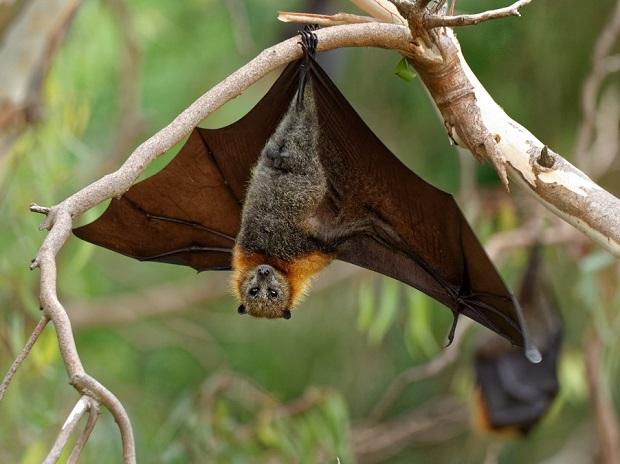
Fruit bats, also known as "flying foxes" of the genus Pteropus, are the natural reservoir hosts of the viral infection Nipah and Hendra.
The virus is present in bat urine and possibly in bat feces and saliva. Perhaps as a result of deforestation programs, fruit trees that attracted bats from the rainforest, thereby exposing domestic pigs to the urine and feces of the fly mice.
The shedding is believed to have initiated infection in pigs, which was then followed by rapid spread of the virus through intensively raised pigs. In addition, transmission between farms can be due to fomites - or the transfer of the virus to clothing, equipment, boots, vehicles, etc.
Risk of infection
The Nipah virus is a zoonotic disease. Transmission to humans in Malaysia and Singapore has almost always occurred from direct contact with the secretions of infected pigs. Outbreak reports in Bangladesh suggest virus transmission from bats without an intermediate host when drinking raw palm sap contaminated with bat excrement, or when climbing trees covered in bat excrement mice.
There have been reports of possible human-to-human transmission in Bangladesh and India, so precautions must be taken for hospital workers caring for infected patients. Precautions should also be taken when handling and handling laboratory samples and in slaughterhouses.
Typically, human infection is encephalitis syndrome characterized by fever, headache, drowsiness, disorientation, confusion, coma, and possibly death. During the outbreak in Malaysia, up to 50% of clinically apparent human cases died. There is no specific treatment for Nipah virus. Supportive care is the main treatment for the disease.
Signs and symptoms

Human infections range from asymptomatic infection to acute respiratory infection (mild, severe) and fatal encephalitis.
Infected people initially develop symptoms such as fever, headaches, myalgia (muscle aches), vomiting, and sore throat. This may be accompanied by dizziness, drowsiness, altered consciousness, and neurological signs suggestive of acute encephalitis. Some people may also experience atypical pneumonia and serious respiratory problems, including acute respiratory distress syndrome. Encephalitis and epilepsy occur in severe cases, progressing to coma within 24-48 hours.
The incubation period (the interval from infection to the onset of symptoms) is considered to be 4-14 days.
Most people who survive acute encephalitis recover completely, but the survivors have a long-term neurological condition. Approximately 20% of patients are left with residual neurological sequelae such as epilepsy and personality changes. A small number of people who recover subsequently relapse or develop delayed encephalitis.
The mortality rate is estimated at 40-75%. This rate may vary depending on the outbreak, depending on local surveillance and clinical management capabilities.
Diagnostics
The initial signs and symptoms of Nipah viral infection are nonspecific and at the time of presentation, the diagnosis is often not suspected. This can interfere with accurate diagnosis and create problems in outbreak detection, effective and timely infection control measures and outbreak response.
In addition, the quality, quantity, type, timing of collection of clinical samples and the time it takes to transfer samples to the laboratory can affect the accuracy of laboratory results.
A history of Nipah viral infection can be diagnosed during the acute and convalescent phase of the disease. The main tests used are reverse transcription polymerase chain reaction (RT-PCR) from biological fluids and the detection of antibodies by enzyme-linked immunosorbent assay (ELISA).
Other research methods used include polymerase chain reaction analysis (PCR) and virus isolation by cell culture.
Prevention and control
Prevention and control measures are aimed at immediate destruction through mass selection of infected and pigs in contact and antibody surveillance in high-risk farms to prevent future outbreaks.
After rejection, the burial site is disinfected with chlorinated lime. It is also recommended to use sodium hypochlorite (bleach) to disinfect contaminated areas and equipment. Other important control measures are the ban on the transport of pigs in the affected countries, the temporary the ban on pig breeding in the affected regions, as well as the improvement of methods of biological protection. Training and use of Personal Protective Equipment (PPE) for persons exposed to potentially infected pigs is highly recommended. Improvement of hygiene in operations on pigs is also proposed.
One of the most important biosecurity measures for affected areas is to reduce the likelihood of tank bats coming into contact with pig facilities.
There are currently no vaccines available against Nipah virus. Vaccine research is ongoing in Australia and France.
- Reducing the risk of infection in humans.
In the absence of a vaccine, the only way to reduce or prevent human infection is to increase awareness of risk factors and informing people about the measures they can take to reduce the impact of the Nipah virus.
Public health education messages should focus on:
- Reducing the risk of bat-to-human transmission. Efforts to prevent transmission should first focus on reducing bats' access to date palm juice and other fresh foods. It can be helpful to keep bats away from sap collection points with protective covers. Freshly prepared date palm juice should be boiled and the fruit should be thoroughly washed and peeled before eating. Fruits showing signs of bat bites should be discarded.
- Reducing the risk of animal-to-human transmission. Gloves and other protective clothing should be worn when handling sick animals or their tissues, as well as during slaughter and culling. As much as possible, people should avoid contact with infected pigs. In endemic areas, when establishing new pig farms, the presence of fruit bats should be considered. the area, and in general, the pig feed and the pig shed should be protected from bats when Maybe.
- Reducing the risk of person-to-person transmission. Close physical contact with people infected with the Nipah virus should be avoided. Regular hand washing should be done after leaving or visiting sick people.
Geographic distribution
There have been outbreaks of Nipah virus infection in pigs in Malaysia and Singapore, as well as in humans in Malaysia, Singapore, India and Bangladesh. Evidence of a virus without clinical disease has also been found in bats in Cambodia, Thailand and Madagascar.