
Cystinosis: what is it, causes, symptoms, treatment, prognosis
Content
- What is cystinosis?
- Signs and symptoms
- Causes
- Affected populations
- Diagnostics
- Symptomatic Disorders
- Standard treatments
- Forecast
What is cystinosis?
Cystinosis is a rare, multisystem genetic disorder characterized by the accumulation of an amino acid called cystine in various tissues and organs of the body, including the kidneys, eyes, muscles, liver, pancreas and the brain. Typically, cystinosis breaks down into three different forms known as nephropathic cystinosis, intermediate cystinosis, and non-nephropathic (or ocular) cystinosis.
The age of onset, symptoms, and severity of cystinosis can vary significantly from one person to another. Nephropathic cystinosis occurs during infancy and is the most common and severe form. Early detection and prompt treatment are critical to slowing the development and progression of symptoms associated with cystinosis. The kidneys and eyes are the two most commonly affected organs. Individuals with nephropathic or intermediate cystinosis ultimately require a kidney transplant. Non-nephropathic cystinosis affects only the cornea of the eye. Cystinosis is caused by gene mutations
CTNS and is inherited as an autosomal recessive disorder.Cystinosis was first described in the medical literature in 1903 by Abdergalden. Cystinosis belong to the group lysosomal storage diseases. Lysosomes are membrane-bound compartments within cells that break down specific nutrients such as fats, proteins, and carbohydrates. Lysosomes are the primary digestive unit in cells. Some enzymes in lysosomes break down (metabolize) these nutrients, while other enzymes carry the remaining metabolic products (such as cystine) out of the lysosome. In the case of cystinosis, the absence of such a specific transporter causes cystine to accumulate in the lysosomes of cells throughout the body. Cystine forms crystals (crystallizes) in many types of cells and slowly damages the affected organs.
Signs and symptoms

The specific symptoms and severity of cystinosis vary greatly from person to person depending on several factors, including the age of onset of the disease and the possibility of timely diagnosis and treatment disorders. The progression of the disorder can be delayed by early diagnosis and treatment. After all, cystinosis can affect all tissues in the body. The age at which the various symptoms appear varies greatly.
It is important to note that affected individuals may not have all of the symptoms described below. Affected individuals and parents of affected children should talk to their doctor and medical team about their specific case, associated symptoms, and overall prognosis.
- Nephropathic cystinosis.
Nephropathic or childhood cystinosis is the most common and most severe form of cystinosis. Symptoms of nephropathic cystinosis usually appear in the second half of the first year of life. Specific symptoms can be mild or severe, depending on the individual case and the age at which treatment is started.
Growth impairment and Fanconi renal syndrome are usually the first noticeable complications of the disorder. Although babies appear normal at birth, they often fall into the third percentile for height and weight at the age of one. In addition, affected children may have episodes of vomiting, poor appetite and feeding problems that contribute (along with kidney dysfunction) to nutritional deficiencies and an inability to gain weight and grow at the expected rate (failure to develop).
Children with nephropathic cystinosis develop Fanconi's renal syndrome, a rare disorder characterized by renal dysfunction. The kidneys are two bean-shaped organs located just below the ribcage. The kidneys have several functions, including filtering and removing waste products from the blood and body, making certain hormones, and maintaining the balance of certain chemicals in the body, such as potassium, sodium, chloride, calcium, magnesium and other minerals, and electrolytes. In nephropathic cystinosis, the renal tubules are unable to reabsorb various essential substances, including the compounds mentioned above, as well as amino acids, phosphates, calcium, glucose, carnitine, some proteins and electrolytes. Consequently, affected people have abnormally low levels of many of these substances in their bodies.
The symptoms of Fanconi renal syndrome usually appear between 6-12 months of age and include:
- excessive thirst (polydipsia);
- excessive production and outflow of urine (polyuria);
- imbalance of electrolytes;
- vomiting and dehydration with or without fever.
Dehydration of the body may be serious in some affected patients.
Fanconi's renal syndrome can also cause hypophosphatemic rickets. In this disorder, because the kidneys are unable to absorb phosphorus from urine, the body flushes phosphate from the bones to maintain phosphorus levels in the blood; this leads to gradual softening and weakening of the bone (rickets). Rickets can deform the bone and can make it difficult to walk as it becomes painful to walk. Kidney dysfunction can also lead to the loss of excess calcium from the body through the urine (hypercalciuric hypocalcemia). Low calcium levels can cause recurrent muscle cramps (tetany) and, less commonly with cystinosis, epilepsy.
If left untreated, the filtering function of the kidneys will continue to deteriorate, eventually progressing to renal failure At the age of 10. Treatment with medications that lower cystine levels may slow or stop progression of kidney disease and delay the need for a kidney transplant in adolescence, 20 years or later. Any existing kidney damage that occurs before diagnosis (and therefore before treatment) is irreversible.
Extrarenal symptoms.
Children with nephropathic cystinosis may also develop symptoms not related to the kidney (extrarenal symptoms). Again, these signs vary widely and the affected child will not develop all of the symptoms discussed below. Specific extrarenal symptoms vary greatly depending on the age of initiation of treatment and the specific organs involved; these organs can include the eyes, bone marrow, liver, pancreas, spleen, intestines, brain, thyroid, muscles, and testes.
At any age, children can develop abnormal sensitivity to light (photophobia) and irritation due to the formation of cystine crystals in the cornea. The severity of photophobia can vary. Some untreated people may develop pain and periodic corneal erosion.
Around the age of 10, children with medical conditions may also develop thyroid hormone deficiency (hypothyroidism) due to the accumulation of cystine crystals in the thyroid gland. Thyroid is a butterfly-shaped gland located at the base of the neck. The thyroid gland releases hormones into the bloodstream that affect certain activities in the body, such as growth, maturation, and metabolic rate. Symptoms of hypothyroidism vary greatly, but may include fatigue, feeling cold, dry skin, constipation, and depression.
As a group, children with nephropathic cystinosis do not produce normal amounts of tears, sweat, or saliva. Tear production can be reduced by causing the eyes to dry out. Impaired sweating can cause complete exhaustion or collapse due to heat (heat prostration).
Puberty may be delayed by one or two years. Untreated men experience hypogonadismin which the testes produce a reduced amount of testosterone. Testosterone plays a key role in the growth and development of secondary sexual characteristics in men during puberty.
Intelligence is usually normal, although many children have learning difficulties. Some children may have problems with processing visual information, short-term visual memory, difficulties in recognizing common objects to the touch (tactile recognition) and an inability to visually recognize spatial relationships between objects (poor visual-spatial skills). An example of visual-spatial skills is distance and depth perception. Problems with movement speed and attention span have also been reported. Some affected children exhibit behavioral and psychosocial problems that are common in children with chronic illnesses. IQ levels, while in the normal range, may be lower than would be expected based on the IQ levels of parents and siblings.
Children with nephropathic cystinosis may have slightly altered facial features (craniofacial dysmorphology). Delayed tooth development and delayed eruption of permanent teeth may also occur. Some people who are affected may develop increased pressure of cerebrospinal fluid in the brain (intracranial hypertension), which can cause headaches and swelling of the optic nerve head.
Late anomalies.
The increase in life expectancy for people with nephropathic cystinosis has shown that additional complications affecting organs other than the kidneys may occur later in life. These complications develop due to the chronic accumulation of cystine crystals in people who have not received adequate cysteamine treatment even though they have undergone a kidney transplant. These additional complications usually develop between the ages of 20 and 40.
The accumulation of cystine in muscle tissue can cause muscle disease (myopathy), leading to progressive weakness and wasting of the affected muscles. Disordered muscles in the throat can lead to difficulty swallowing and feeding. Involvement of the chest muscles can lead to pulmonary failure.
A wide range of gastrointestinal symptoms can develop, including:
- enlarged liver (hepatomegaly);
- high blood pressure in the main vein of the liver (portal hypertension);
- enlargement of the spleen (splenomegaly);
- gastroesophageal reflux;
- stomach ulcer;
- inflammation of the esophagus (esophagitis);
- dysfunction of the muscles of the gastrointestinal tract (impaired motility).
Unusual additional symptoms include:
- inflammatory bowel disease;
- a ruptured bowel, causing intestinal contents to enter the abdomen (bowel perforation)
- inflammation of the peritoneum (peritonitis), which is the membrane that lines the abdominal wall and organs.
High blood pressure (arterial hypertension), coronary artery atherosclerosis and bleeding disorders are complications of renal disease associated with cystinosis.
Additional signs include metabolic bone disease and an inability to properly digest food due to lack of digestive enzymes normally produced by the pancreas (exocrine pancreatic insufficiency glands).
Adults with cystinosis may also develop ocular abnormalities, including eyelid spasms (blepharospasm), ribbon keratopathy, and retinopathy pigmentosa. Ribbon keratopathy refers to the accumulation of calcium deposits in a band on the central surface of the cornea that can cause pain and decreased visual acuity. Retinopathy pigmentosa is characterized by progressive degeneration of the retina, a thin layer of nerve cells that lines the inner surface of the back of the eyes. The retina senses light and converts it into nerve signals, which are then transmitted to the brain via the optic nerve.
Although uncommon, some older adults with cystinosis develop brain dysfunction. The exact reason for this is unknown. Specific symptoms may vary, but some people may experience a decrease in both motor and mental performance. In very rare cases, neurological dysfunction can progress to dementia.
People with nephropathic cystinosis appear to have a higher incidence of diabetesthan the general population due to the destruction of the pancreas as a result of the accumulation of cystine.
- Intermediate cystinosis.
Also known as nephropathic juvenile cystinosis or adolescent cystinosis, this form of the disease is characterized by all of the signs and symptoms of nephropathic cystinosis described above. However, the onset of these symptoms does not occur later, possibly at the age of 8-20 years.
As a rule, symptoms are less pronounced than in the classic childhood nephropathic form, and progress more slowly. If left untreated, end-stage renal failure with cystinosis interstitial usually develops between the ages of 15 and 25. In cystinosis, there is a spectrum of disease severity with overlapping infant and intermediate forms.
- Non-nephropathic (ocular) cystinosis.
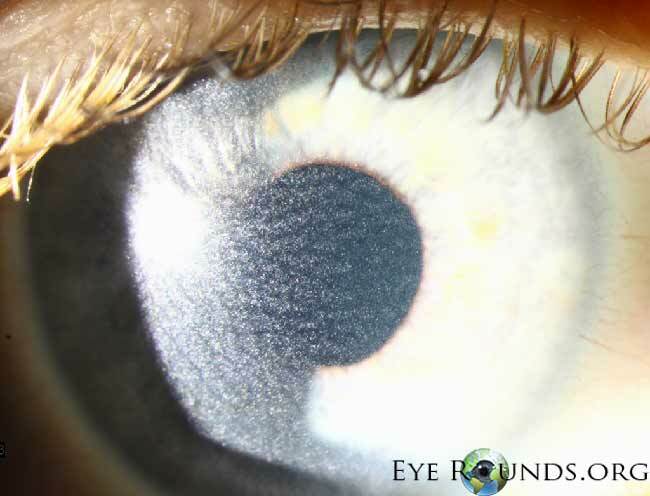
Also known as ocular or "benign" cystinosis, this form usually affects middle-aged adults; it was once called cystinosis in adults. Kidney disease does not occur in these people. The disorder seems to only affect the eyes. Untreated individuals with ocular cystinosis eventually develop photophobia due to the accumulation of cystine crystals in the eyes.
Causes
All types of cystinosis are caused by gene mutations CTNS. The disease is inherited in an autosomal recessive manner. Recessive genetic disorders occur when a person inherits a mutation in the same gene from each parent. If a person receives one normal gene and one gene for the disease, the person will be an asymptomatic carrier of the disease. The risk that two carrier parents will both pass on the defective gene and therefore infect the baby is 25 percent with each pregnancy. The risk of having a carrier child, like the parents, is 50 percent with each pregnancy. The risk for a child to receive normal genes from both parents and be genetically normal for this particular trait is 25 percent. The risk is the same for men and women.
Researchers have determined that the gene CTNS located on the short arm (p) of chromosome 17 (17p13). Chromosomes are present in the nucleus of cells and carry the genetic information of every person. Human cells usually have 46 chromosomes. Pairs of human chromosomes are numbered 1 through 22, and the sex chromosomes are labeled X and Y. Men have one X and one Y chromosome, while women have two X chromosomes. Each chromosome has a short arm, labeled "p", and a long arm, labeled "q". Chromosomes are further subdivided into many numbered bands. For example, "chromosome 17p13" refers to lane 13 on the short arm of chromosome 17. The numbered stripes indicate the approximate location of the thousands of genes present on each chromosome.
Gene CTNS contains instructions for the production (coding) of a protein called cystinosine, which is needed to transport the amino acid cystine from lysosomes to the rest of the cell. Lysosomes break down (break down) certain proteins into their constituent amino acids, such as cystine. Then cystine is transported from the lysosome by cystinosine. Deficient levels of functional cystinosine lead to the accumulation (storage) of cystine in the lysosomes of various tissues and organs of the body. The accumulated cystine forms crystals that eventually damage the affected organs.
Affected populations
Cystinosis affects men and women in equal numbers. The disorder is estimated to affect 1 in 100,000-200,000 people in the general population. The disease occurs throughout the world, in all ethnic groups. Cystinosis is the most common cause of Fanconi renal syndrome in children and accounts for approximately 5 percent of all cases of kidney failure in children.
Diagnostics
The diagnosis of cystinosis is based on the identification of characteristic symptoms (for example, symptoms of renal syndrome Fanconi), detailed medical history, careful clinical evaluation and a variety of specialized tests. Rapid diagnosis of cystinosis is critical to maximizing the preventive and therapeutic benefits of cystine-degrading drugs.
— Clinical analyzes and examination.
The diagnosis of cystinosis can be confirmed by measuring the level of cystine in certain white blood cells ("polymorphonuclear leukocytes").
A urine test can reveal excess loss of nutrients, including minerals, electrolytes, amino acids, carnitine, and water, suggesting Fanconi kidney syndrome.
An ophthalmologist may use a special microscope called a slit lamp to look at the eyes at high magnification, which can help detect cystine crystals in the cornea.
The diagnosis of cystinosis can be confirmed by molecular genetic testing, which can identify characteristic mutation gene CTNSwhich causes the disorder.
Prenatal diagnosis is available for families with a known risk of having a child with cystinosis. Cystine levels can be measured in cells obtained from the fluid that surrounds the developing fetus (amniotic fluid). A test known as chorionic villus sampling can also be used to make a prenatal diagnosis of cystinosis. Chorionic villi are thin, hair-like structures present in the placenta. These cells can be examined to detect elevated cystine levels.
Symptomatic Disorders
Symptoms of the following disorders may be similar to those of cystinosis. Comparisons can be useful for differential diagnosis.
Many different disorders can cause Fanconi kidney syndrome in children, including Lowe's syndrome, Wilson's disease, tyrosinemia type I, galactosemia and glycogen storage diseases. Additional disorders that may have symptoms similar to those of cystinosis include Bartter's syndrome and diabetes insipidus.
There are several types of metabolic disorders in which a secondary accumulation of certain substances occurs in the body, such as fats and carbohydrates. These disorders include galactosemia, sialidosis, Gaucher disease, galactosialidosis, Wolman's disease, cholesterol ester storage disease, mucopolysaccharidosis, and others lysosomal storage diseases.
Standard treatments
Treatment for cystinosis focuses on the specific symptoms that each person experiences. Treatment may require the coordinated efforts of a team of specialists. Pediatricians, kidney specialists (nephrologists), eye specialists (ophthalmologists), digestive disorders specialists (gastroenterologists), psychologists and other healthcare professionals may need systematic and comprehensive treatment planning injured child.
At one time, nephropathic and intermediate cystinosis were progressive fatal disorders, and the life expectancy for the infantile form was less than 10 years. However, the development of therapies for cystine as well as improvements in kidney transplantation have extended life expectancy into adulthood.
- Cysteamine therapy.
In 1994, the Food and Drug Administration (FDA) approved cysteamine bitartrate (Cystagon®) for the treatment of people with cystinosis. In 2013, the FDA approved Procisby®, a sustained release form of cysteamine. Cysteamine is a cystine degrading agent that can significantly reduce cystine levels in cells. Cysteamine therapy slows the development and progression of kidney damage and accelerates growth in children. Cysteamine can significantly delay the need for a kidney transplant. Some people who received early, diligent cysteamine treatment were able to delay a kidney transplant until the age of 20 or longer.
Cysteamine therapy should be started immediately after diagnosis to prevent or slow down kidney damage. Taking cysteamine should be continued throughout life as research has shown that long-term treatment with cysteamine can prevent many non-renal complications of cystinosis with late beginning.
Cysteamine is taken orally, but oral cysteamine does not effectively reach the cornea and therefore does not remove cystine crystals from the cornea. A drug has been developed to treat the accumulation of cystine corneal crystals associated with cystinosis Cystadrops®. These eye drops, containing cysteamine, help in the treatment of eye disorder complications.
Cysteamine therapy can cause nausea, vomiting, and gastrointestinal discomfort. Cysteamine also induces excess secretion of stomach acids. Some people taking cysteamine may need to take proton pump inhibitors such as omeprazole, to reduce the production of stomach acid, which helps to improve gastrointestinal symptoms.
- Symptomatic therapy.
Fanconi syndrome is treated with a high intake of fluids and electrolytes to prevent excessive dehydration (dehydration). Bicarbonate of soda, sodium citrate, magnesium and potassium can be used to maintain normal electrolyte balance. Acetylcholinesterase inhibitors (ACh inhibitors) are sometimes used in the hope of slowing the progression of kidney failure.
Indomethacin — non-steroidal anti-inflammatory drugwhich is sometimes used to reduce the loss of water and electrolytes; sometimes it also helps to improve growth rate. If affected people are taking indomethacin, they must be closely monitored for their renal function.
Phosphates and Vitamin D often prescribed to correct impaired phosphate reabsorption into the blood and prevent rickets. Carnitine may be prescribed to some patients before transplant to improve muscle strength.
Proper nutrition is vital for affected infants and children to maximize their growth potential. Growth hormone therapy has significantly improved growth in many patients. L-thyroxine used to treat hypothyroidism, insulin - for the treatment of insulin-dependent diabetes, and testosterone - for the treatment of men with insufficient testicular function (hypogonadism), which leads to the development of secondary sexual characteristics. Infertility is not amenable to testosterone treatment.
Eye symptoms of cystinosis can be treated by avoiding bright light and wearing sunglasses. In extremely rare cases, a corneal transplant may be required. It is usually only required for people with keratopathies or those suffering from pain due to repeated corneal erosions.
Some infants and children with cystinosis (such as dysphagia, poor nutrition, and an increased risk of aspiration) may require gastronomic tube implantation. In this procedure, a thin tube is placed into the stomach through a small incision in the abdomen, allowing food and / or medicine to be taken directly.
Speech and language therapy can be helpful in some cases.
— Kidney transplant.
Despite early and prompt treatment, people with childhood and intermediate cystinosis eventually develop end-stage renal disease requiring a kidney transplant.
Initially, the affected person may undergo dialysis. Dialysis is a procedure in which a machine is used to perform some of the functions of the kidneys - filtering waste from the bloodstream and helping maintain proper levels of essential chemicals such as potassium.
End-stage renal disease is not a reversible disease, so people will eventually need a kidney transplant. The rate at which kidney dysfunction progresses to end-stage renal disease can vary greatly from one person to another. People with cystinosis usually respond very well to a kidney transplant, which can cure Fanconi kidney syndrome because cystine does not accumulate in the donor kidney. However, cystine still accumulates in other tissues and organs of the body.
Forecast
At one time, nephropathic cystinosis was fatal at a very young age. However, the development of a drug known as cysteamine (which lowers cystine levels in the body) and improved kidney transplantation have turned cystinosis from fatal kidney disease to a chronic, multisystem disorder with life expectancy in adulthood and even beyond 50 years old.


