Neurogenic anorexia: what is it, causes, symptoms, treatment, prognosis
Content
- What is anorexia nervosa?
- Causes and risk factors
- Symptoms and Signs
- Diagnostics
- Treatment
- Forecast
What is anorexia nervosa?
Neurogenic anorexia Is an eating disorder characterized by a constant desire to lose weight, a distorted view about your body, excessive fear of obesity, restriction of food intake, leading to a significantly low weight body.
- Anorexia nervosa usually begins in adolescence and is more common in girls.
- People with anorexia nervosa, despite constant weight loss, are dieting all the time, obsessed with food and deny that they have a problem.
- Severe or rapid weight loss can have life-threatening consequences.
- Doctors diagnose symptoms based on symptoms, and do physical examinations and tests to check for unwanted effects of excessive weight loss.
- Therapies that specifically focus on a return to normal body weight and normal food intake (such as individual and family counseling therapy) can help.
Anorexia nervosa usually begins in adolescents or young adults and rarely begins before puberty or after age 40. In a given year, 1 in 200 young girls develop anorexia nervosa. Anorexia nervosa is less common among men. However, mild forms of the disorder may not be counted in these statistics.
In areas where food shortages are indeed observed, anorexia nervosa is quite rare.
Exist two types of anorexia nervosa:
- Constraining type: People limit the amount of food they eat, but they do not regularly overeat or remove food eaten from the body, for example, by making oneself vomit (self-induced vomiting) or by taking laxatives. Some do excessive exercise.
- Binge eating / type of food elimination: People limit their food intake, but they also regularly overeat and / or remove the consumed food from the body.
Do you know that…
A third to half of all people with anorexia nervosa overeat and / or take laxatives or induce vomiting.
Causes and risk factors
The reasons for the development of anorexia nervosa are unknown. Several risk factors have been identified other than female.
Genetic and environmental factors (social factors) play an important role in the development of anorexia. Western society is gripped by the desire to lose weight, and obesity considered unattractive by many. Even children who have not yet reached adolescence are familiar with this attitude of society towards obesity, and more half of pre-adolescent girls are dieting or trying to control their body weight to others way. However, only a small percentage of these girls develop anorexia nervosa.
Probably, the reason for the development of neurogenic anorexia lies elsewhere, for example, in psychological vulnerability. Many people who develop this disorder are of intermediate or advanced socio-economic class, pedantic and compulsive, have very high standards achievement of goals and success.
Symptoms and Signs
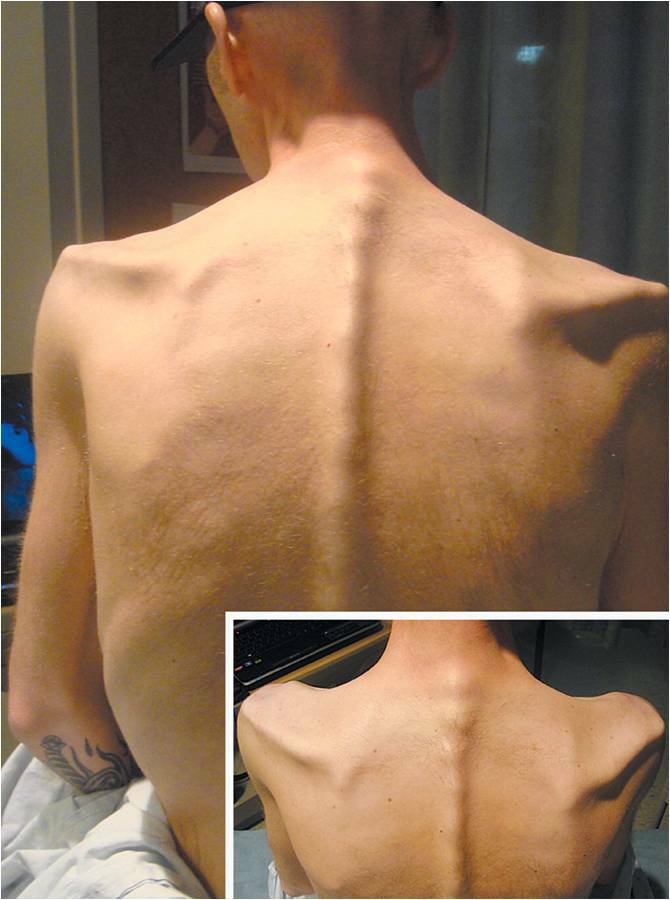
Anorexia nervosa can be mild and transient or severe and persistent.
The first signs of an impending disorder may be latent dietary preoccupation and weight preoccupation. Such anxiety about body weight from the outside seems inappropriate, since most people who have neurogenic anorexia develops, do not have a large overweight at the time of development disorders. The passion and concern about being overweight increases as people lose weight. Even when people get too thin, they may still complain about how they feel. fat, deny problems, do not worry about excessive weight loss, and usually resist treatment. They continue to try to lose weight even when friends and family members convince them that they are thin or warn them that they are getting too thin. People with anorexia nervosa perceive any weight gain as an unacceptable fact of inability to control themselves.
Anorexia actually implies lack of appetitebut most people with anorexia nervosa are actually hungry all the time. Many of them do not lose their appetite until they are severely exhausted.
In addition, people with this disorder are highly preoccupied with food. For example, they can do the following:
- Instead of eating, they study diets and count calories.
- Secretly stockpile, hide or throw food away.
- Collect recipes.
- Prepare delicious meals for others.
30-50% of all people with anorexia nervosa overeat and / or take laxatives or induce vomiting. Others simply limit the amount of food they eat. They also often lie about the amount of food they eat, hide the fact that they themselves vomit, and also prefer not to expand on their specific food preferences. Some people also take diuretics (drugs that force the kidneys to remove more water from the body) to relieve imaginary bloating and to try to lose weight.
Many women with anorexia nervosa stop menstruating (sometimes even before they significantly lose weight). Both women and men with anorexia nervosa can lose interest in sex.
Usually, people with anorexia nervosa have a low heart rate, low blood pressure, low body temperature, their body hair may become soft and thin, or excess hair may appear on their body and face hair. Body tissues swell due to fluid buildup (called edema). People usually celebrate bloating, a disorder of the abdominal organs and constipation.
Intentionally induced vomiting can damage tooth enamel, swell the salivary glands in the cheeks (parotid glands), and cause inflammation of the esophagus.
People with anorexia often have depression.
Even when people become very thin, they usually continue to lead an active lifestyle and often over-exercise for weight control purposes. There are few symptoms to recognize when a person is deficient in nutrients before they become depleted.
Hormonal changesresulting from anorexia include a significant decrease in estrogen (in women), testosterone (in men) and thyroid hormone levels, as well as increased cortisol levels.
If people start to eat very poorly, it most likely affects all major organs of the body. Bone density may decrease, increasing the risk of osteoporosis.
- How to recognize neurogenic anorexia?
People with anorexia nervosa usually deny that they have a problem and try to hide their unusual eating habits instead of seeking help. People with anorexia nervosa are often pedantic, compulsive and intelligent, love to set high goals and achieve success, and often manage to hide their disorder. Thus, their family members and friends may not even be aware of the problem until the situation gets too serious.
Since anorexia nervosa is fraught with serious and even life-threatening complications, family members and friends of those who those who often die on a diet or are overly concerned about overweight problems should know how to recognize this disease.
People with anorexia nervosa are often prone to the following:
- complain that they are fat, although in fact they are very thin;
- deny that they are thin;
- think about food all the time;
- constantly measuring the amount of food;
- secretly stockpile, hide or throw away food;
- prepare delicious meals for others;
- skipping meals;
- pretending to eat or lying about how much they ate;
- have obsessions;
- prefer bulky layered clothing;
- are weighed several times a day;
- base their self-esteem on their body weight.
Dramatic or significant weight loss can cause life-threatening problems. The most dangerous are heart problems, as well as problems associated with imbalance of fluids and electrolytes (such as sodium, potassium and chloride) in the body.
- The heart becomes weaker and pumps less blood.
- The heart rhythm may be disturbed.
- People can become dehydrated and prone to fainting.
- The blood can become alkaline (a condition called metabolic alkalosis).
- Potassium and sodium levels in the blood may decrease.
Deliberate induction of vomiting, laxatives, and diuretics can make the situation worse. Sudden death can occur as a result of an irregular heart rhythm.
Diagnostics
Diagnostics include:
- Medical examination.
- Tests to check for problems caused by anorexia nervosa.
People do not think they are sick, so they resist examinations and treatment. Usually they are brought to the doctor by a relative, or they seek medical help for another disease.
Doctors measure height and body weight and use the results to calculate body mass index (BMI). Doctors also ask people how they feel about their body and body weight and if they have other symptoms. Doctors can use questionnaires designed to identify eating disorders.
Doctors also check for other conditions that can cause weight loss or unwillingness to eat, such as schizophrenia, depression, disorders of food absorption (malabsorption), amphetamine abuse and cancer.
Anorexia nervosa can be suspected if a person has:
- Dietary restriction resulting in low body weight, usually with a BMI less than 17 (or in children with a BMI less than the 5th percentile for their age, or less than expected based on previous height).
- Fear of obesity.
- Distorted body image and / or denial that they have a serious disorder.
Anorexia nervosa can be diagnosed in children and adolescents who do not lose weight, but who do not grow as expected because they limit their food intake.
Doctors also check and refer the patient for blood and urine tests to determine the effects of weight loss and malnutrition. A bone density test is done to detect a decrease in bone density. An electrocardiogram (ECG) may be done to check for abnormal heart rhythms.
Do you know that…
Without treatment, about 10% of people with severe anorexia nervosa die.
Treatment
Treatment includes:
- Measures to ensure that people consume enough calories and nutrients.
- Psychological therapy.
- For teens, family therapy.
- Regular examinations.
Rapid recovery of body weight is critical in the following cases:
- weight loss was rapid or severe;
- the reduction was greater than 75% of the recommended body weight.
People with anorexia nervosa may need to be hospitalized to ensure they are getting enough calories and nutrients. Consuming solid foods is the best treatment, but liquid supplements are sometimes prescribed. On rare occasions when people with this disorder are severely malnourished or resist eating, they have to be fed with a tube inserted into the stomach through the nose and throat (nasogastric probe).
Doctors also treat problems that may arise from anorexia nervosa. For example, if bone density is low, patients are given calcium supplements and vitamin D.
During the hospital stay, the patient receives psychiatric help, as well as nutritional counseling. Hospitalization is also beneficial in the sense that people leave the familiar environment, which contributes to the elimination of harmful eating habits and behaviors. Thus, it is possible to radically change the situation. However, most patients are treated on an outpatient basis.
Psychological therapy is often used, focusing on establishing normal eating habits and achieving a healthy weight. Such therapy includes individual and family psychological therapy such as cognitive behavioral therapy. Usually, therapy is carried out within 1 year after the patient has gained the lost weight. It can last up to 2 years.
Family therapy is helpful in adolescent situations. Family therapy can improve relationships among family members and help parents better understand how to help their teen gain weight.
Psychotherapy is most effective in adolescents who have had the disorder for less than 6 months.
Psychotherapy is especially important because many people with anorexia nervosa are somewhat reluctant to seek treatment or gain weight.
Treatment also includes periodic physical examinations. Treatment often requires the involvement of a healthcare team, including consultation with a dietitian who will suggest a specific nutritional program or provide information on the number of calories needed to restore normal body weight.
There are no specific drugs for the treatment of anorexia nervosa. However, newer antipsychotic drugs like olanzapine can help people gain weight and relieve anxiety.
Forecast
Without treatment, about 10% of people with severe anorexia die. If the symptoms are mild and subtle, the likelihood of death is low.
After treatment, patients with anorexia nervosa may have the following outcomes:
- About half of people regain most or all of the weight they have lost, and hormonal and other physical problems associated with the disorder disappear.
- About one quarter of people improve slightly (they are gaining some of the weight they lost), but these people may also periodically return to old eating habits (relapse).
- The remaining quarter have frequent relapses and continue to face physical and mental problems associated with the disorder.
Treatment outcomes for anorexia nervosa are better in children and adolescents than in adults.