Gerstmann's syndrome: what is it, symptoms, treatment, prognosis
Content
- What is Gerstmann's Syndrome?
- Signs and symptoms
- Causes and risk factors
- Affected populations
- Symptomatic disorders
- Diagnostics
- Standard treatments
- Forecast
What is Gerstmann's Syndrome?
Gerstmann's syndrome (also called Gerstmann-Schilder syndrome, angular gyrus syndrome) Is a rare neurological disorder that can result from brain injury or developmental disabilities. The disease is characterized by the loss or absence of four cognitive abilities - loss of the ability to express thoughts in writing (agraphia, dysgraphia), perform simple arithmetic tasks (acalculia), recognize your own or someone else's fingers (agnosia), and distinguish between the right and left sides body. In some cases, additional cognitive defects may occur.
The violation was not found in families. In extremely rare cases, this disorder can affect both children with bright intelligence and high levels of functioning, as well as those suffering from brain damage.
Gerstmann syndrome is different from Gerstmann-Straussler-Scheinker syndrome, a rare genetic degenerative brain disease.
Signs and symptoms
Gerstmann's syndrome is a rare disorder characterized by the loss of four specific neurological functions:
- inability to write (dysgraphia or agraphia);
- loss of the ability to calculate and add (acalculia);
- inability to identify your own or someone else's fingers (agnosia of the fingers);
- inability to distinguish between right and left sides of the body.
It is very rare for a person with learning disabilities to have all four of these neurological dysfunctions. The classic disorder is present only when all four symptoms appear together without mental retardation.
When patients have all four of the characteristic symptoms of Gerstmann's syndrome without other cognitive impairments, the condition can be called “pure” Gerstmann's syndrome. However, affected individuals usually have other defects in addition to the classic four features of Gerstmann syndrome. In addition, many people only have two or three of the four key traits when combined with other types of cognitive impairments.
In such cases, in addition to the four classic symptoms, patients may also experience difficulty expressing yourself through speech and / or having difficulty understanding another person's speech (aphasia). They may also have difficulty reading and writing.
There have been several reported cases of childhood illness called Gerstmann's developmental syndrome. These cases usually become apparent when children start going to school. Affected children may exhibit poor handwriting, spelling, and math skills (such as difficulty in addition, subtraction, division, and multiplication). Some children have difficulty reading or understanding written words (alexia) and difficulty copying or keeping track of simple objects (constructive apraxia).
Some researchers suggest that Gerstmann's developmental syndrome is not a real, unique syndrome, but a group of symptoms caused by another underlying disorder.
Causes and risk factors
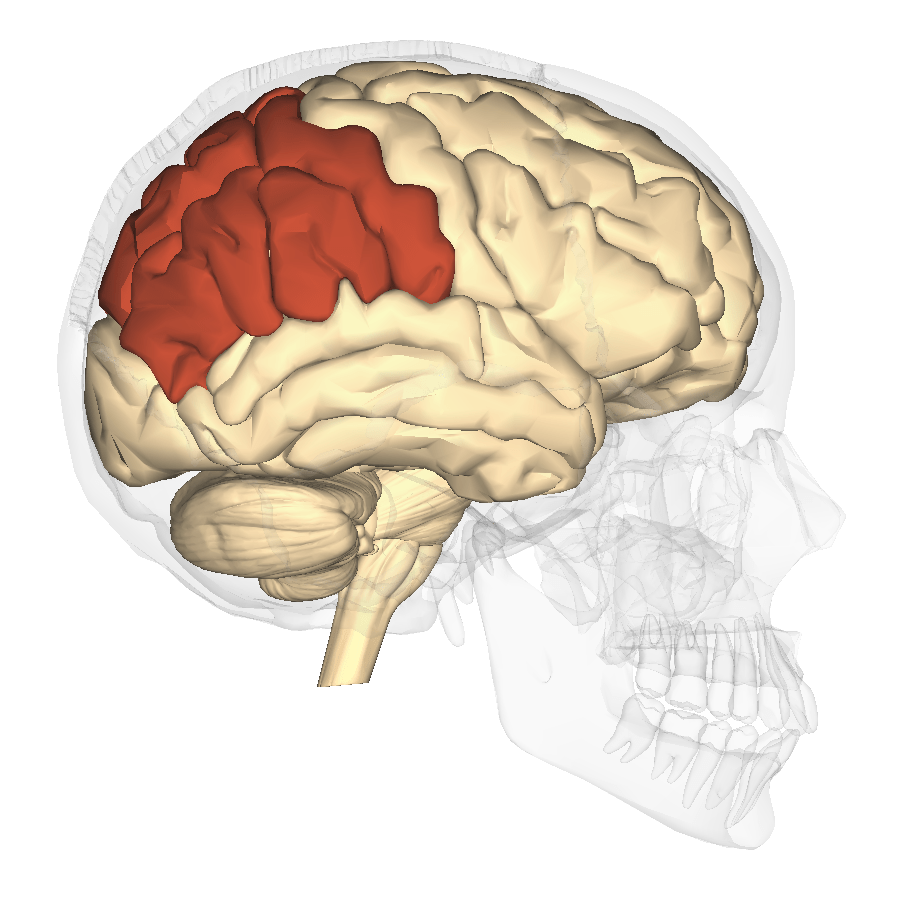
In adults, the disorder can result from an impaired blood flow to the brain (cerebrovascular disease), such as stroke or other brain damage. In Gerstmann's syndrome, the parietal lobes (upper lateral lobes) of the brain are affected. The parietal lobes are associated with sensation and perception, as well as the understanding of sensory information.
In rare cases, a traumatic brain injury or brain tumor in the same area of the brain can cause various symptoms associated with Gerstmann's syndrome.
The cause of Gerstmann's syndrome in children is often unknown. Although in some cases the disease can be associated with brain damage, children without brain damage can also be affected.
Affected populations
Gerstmann's syndrome affects men and women in equal numbers. The incidence of the disorder in the general population is unknown. The disorder was first described by Dr. Josef Gerstmann, a Viennese neurologist, in 1924.
Symptomatic disorders
Symptoms of the following disorders may be similar to those of Gerstmann's syndrome. Comparisons can be useful for differential diagnosis:
- Alzheimer's disease Is a progressive brain disease that affects memory, thinking and language. Degenerative changes in Alzheimer's disease lead to spots or plaques in the brain and entanglement of nerve fibers (neurofibrillary tangles). Memory loss and behavioral changes occur as a result of these changes in brain tissue. The hallmarks associated with Gerstmann's syndrome can occur due to Alzheimer's disease.
In addition, additional disorders can cause brain dysfunction and potentially lead to four characteristics associated with Gerstmann syndrome. These characteristic signs were also observed in alcoholics, in patients lupus erythematosus, at carbon monoxide poisoning and lead poisoning.
Diagnostics
The presence of all four neurological symptoms in an adult suggests a diagnosis of Gerstmann syndrome, especially when other causes of these symptoms have been ruled out. Among children, most cases are detected at school age, when the patient has difficulties with mathematics and writing. Affected children may also experience problems with spelling, performing the four basic math calculations, and distinguishing between left and right. In addition, they usually do not pass the finger recognition test. Many, but not all, such children will find it difficult to copy (copy) simple drawings (constructional apraxia).
Standard treatments
Treatment for Gerstmann's syndrome in developmental cases will include special education and related rehabilitation and counseling services. A neurologic examination is necessary to determine the difference between the two causes of the disease. Adults need treatment for the underlying neurological condition. For trauma or brain tumors, surgery may be used to relieve the condition. In some cases, symptoms that affect adults with Gerstmann syndrome improve over time.
Forecast
Having Gerstmann's syndrome with other disorders can make normal life impossible, mainly due to severe disorientation. But children with Gerstmann's developmental syndrome may experience improvements with intensive speech therapy, especially if diagnosed early.
Lilia Khabibulina/ article author
Higher education (Cardiology). Cardiologist, therapist, functional diagnostics doctor. I am well versed in the diagnosis and treatment of diseases of the respiratory system, gastrointestinal tract and cardiovascular system. She graduated from the academy (full-time), has a wide experience of work.
Specialty: Cardiologist, Therapist, Physician of functional diagnostics.
More about the Author.