Gianotti-Crosty syndrome in children: what is it, symptoms, treatment, prognosis
Content
- What is Gianotti-Crosty Syndrome?
- Signs and symptoms
- Causes and risk factors
- Epidemiology
- Related disorders
- Diagnostics
- Standard treatments
- Forecast
What is Gianotti-Crosty Syndrome?
Gianotti-Crosty syndrome (abbr. KFOR or pediatric papular acrodermatitis) Is a rare childhood skin disorder characterized by a papular rash with blisters on the skin of the legs, buttocks, and arms. The disease usually affects children between the ages of 9 months and 9 years. Skin lesions usually last at least 10 days and often last for several weeks.
The disorder is usually preceded by an underlying infection (usually a viral) that can cause accompanying symptoms such as low-temperature fever, a sore throat or symptoms of an upper respiratory tract infection. When KFOR occurs in connection with hepatitis B, Epstein-Barr virus or cytomegalovirus infection, acute hepatitis may also develop. SDK is considered to be a hypersensitive response to an underlying infection.
Gianotti-Crosty syndrome usually does not require treatment and resolves on its own within 1-3 months. In some cases, a mild topical steroid cream may be prescribed to relieve itching.
Signs and symptoms
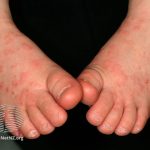

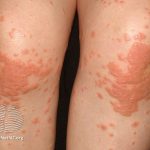
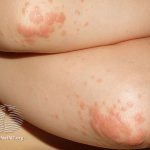
Gianotti-Crosty syndrome is characterized by blisters on the skin that may or may not itch. Photo). They are usually found on the face, buttocks, arms, or legs. Blisters are made up of large, flat sacs filled with fluid. They usually occur together with an upper respiratory tract infection. Blisters usually occur between 9 months and 9 years of age; they usually do not repeat. There may be an increase in lymph nodes in the trunk of the body. Gianotti-Crosty syndrome usually occurs after an attack of a viral illness, such as: Coxsackie virus, Hepatitis B, Infectious mononucleosis or cytomegalovirus, or after vaccination with live viral serum.
Causes and risk factors
It is believed that the cause of Gianotti-Crosty syndrome is a reaction to a previous viral infection. In many countries, the hepatitis B virus is usually the predisposing cause.
Specific viruses that cause childhood papular acrodermatitis may include:
- hepatitis B virus;
- Epstein-Barr virus (cause of glandular fever);
- cytomegalovirus;
- enterovirus infections;
- echoviruses;
- respiratory syncytial virus.
Vaccination is also sometimes associated with papular acrodermatitis in children.
Epidemiology
Gianotti-Crosty syndrome has been reported most frequently in children under 4 years of age, consistent with its viral etiology. Children do not have a sexual predisposition; however, in adulthood, the disease is slightly more common in girls. With SDS, there is no genetic or familial predisposition. Most cases occur in spring and summer. Gianotti-Crosty syndrome is more common in children with atopic diseases, including those with atopic dermatitis. Although the disease occurs worldwide, the etiological agents differ geographically.
Related disorders
The following viral infections can cause SDS.
- Hepatitis B virus is one of three viral agents that cause liver inflammation, known as hepatitis or "diffuse hepatocellular inflammatory disease." Hepatitis B is characterized by fever, nausea, vomiting, and yellowing of the skin and sclera of the eyes (jaundice). In its most serious form, hepatitis B can become a chronic infection or can cause liver cancer. The hepatitis B virus can be passed from mother to unborn child and is highly contagious through body fluids such as blood, semen and possibly saliva. Hepatitis B is often transmitted from person to person through intravenous drug use.
- Coxsackie virus characterized by infections that occur mainly during the summer. It mainly affects young children, especially boys, and includes fever, sore throat, vomiting, headache, respiratory signs and symptoms. diarrhea, abdominal pain, rash and ear pain (otalgia).
- Cytomegalovirus infection (CMVI) can occur congenital, postnatally, or at any age. The severity of CMVI ranges from a silent infection with no sequelae to a disease manifested by fever, hepatitis and (in newborns) severe brain damage, stillbirth, or perinatal death. In severe cases, hemorrhage may occur, anemia and liver damage. In infants, the disease can cause low birth weight, fever, hepatitis, blindness, deafness, or epilepsy.
- Infectious mononucleosis characterized by an incubation period of 30 to 50 days in young people and a shorter time in children. Symptoms include faintness for several days, headache, fever, and a sore throat with extreme fatigue, inflammation of the glands in the neck, armpits and groin, puffy eyes. Possible tonsillitis, rash, loss of appetite and light sensitivity (photophobia). Other organs in the body may be affected. Spleen and liver may increase. The infection is caused by the Epstein-Barr virus.
Diagnostics
The clinical manifestation of papular acrodermatitis is quite typical, and many children do not need any special examination methods. However, the following analyzes can be performed:
- blood test;
- liver function analysis;
- viral serology or PCR.
Standard treatments
Because Gianotti-Crosty syndrome is a self-limiting disorder, treatment of affected children is primarily symptomatic and supportive. For example, in some cases, the use of topical ointments or certain oral medications may be recommended to relieve mild or potentially severe itching. Skin lesions associated with Gianotti-Crosty syndrome usually resolve spontaneously within about 15-60 days. When associated signs of SDS include swollen lymph nodes (lymphadenopathy) and / or enlarged liver (ie, due to liver inflammation [hepatitis]), these signs may persist for several months after the initial onset of symptoms.
Forecast
The forecast is excellent. Lesions resolve within 4-12 weeks. There are no long-term complications with Gianotti-Crosty syndrome. Only the presence of a rash leads to a certain degree of social morbidity, depending on the age of the affected child. The only significant incidence includes the underlying infectious process, especially the hepatitis B virus.
Andrey Zakirov/ article author
I am engaged in the prevention and treatment of coloproctological diseases. Higher medical education. On the site tvojajbolit.ru I will be responsible for the quality and literacy of articles.
Specialty: Phlebologist, Surgeon, Proctologist, Endoscopist.
More about the Author.