Multiple endocrine neoplasia types 1 and 2, causes, symptoms, treatment
Content
- General information
- Types of their causes and symptoms
- MEN type 1 disease
- MEN type 2A disease
- MEN type 2B disease
- Affected populations
- Diagnostics
- Standard treatments
General information
Multiple endocrine neoplasia (MEN) is a rare hereditary disease in which multiple endocrine glands benign or malignant tumors develop or glands grow intensively without forming tumors.
- Multiple endocrine neoplasia is caused by gene mutations, so it occurs in relatives.
- Symptoms and signs of the disorder depend on which gland is affected.
- Genetic screening may be done to detect the disease in relatives of patients with multiple endocrine neoplasia.
- The disorder is incurable, but doctors treat changes in each gland as they appear with surgery or drugs to control the increased hormone production.
Multiple endocrine neoplasia can occur in both infants and patients aged 70 years. These syndromes are usually inherited.
Tumors and abnormally enlarged glands often produce excess hormones. Although tumors and abnormal growth can occur in several glands at the same time, changes often only appear over time.
Hereditary gene mutations are the cause of multiple endocrine neoplasia. A single gene has been identified that is responsible for type 1 disease. Abnormalities of another gene have been identified in patients with type 2A and 2B disease.
Types of their causes and symptoms
There are three types of multiple endocrine neoplasia: type 1, 2A and 2B, although sometimes the disease is of a mixed type.
MEN type 1 disease
Patients with type 1 multiple endocrine neoplasia have tumors or overgrowth and activity of two or more of the following glands:
- Parathyroid glands (small glands located next to the thyroid gland at the base of the neck)
- pancreas;
- pituitary;
- thyroid (in rare cases);
- adrenal glands (in rare cases).
Almost all patients with type 1 multiple endocrine neoplasia have tumors of the parathyroid glands. Most tumors are benign, but they cause the glands to produce increased amounts of parathyroid hormone (primary hyperparathyroidism). An increased amount of parathyroid hormone usually causes increased blood calcium levels, which sometimes becomes the reason for the formation kidney stones.
Many patients (30 to 80%) with type 1 disease also develop pancreatic cell tumors, hormone-producing (islet cells) (also called pancreatic neuroendocrine tumors) glands).
More than half of islet cell tumors produce increased amounts of gastrin, which stimulates the stomach to produce more acid. Patients with gastrin-producing tumors usually develop frequent bleeding stomach ulcers, perforation (perforation) of the stomach and leakage of its contents into the abdominal cavity, or blockage of the stomach. Increased acidity often affects the activity of pancreatic enzymes, which leads to diarrhea and fatty, foul-smelling stools (steatorrhea). Some of these tumors produce large amounts of insulin and, accordingly, there is a very low blood sugar level (hypoglycemia), especially in the absence of food intake for several hours. Remaining islet cell tumors can produce other hormones, such as a vasoactive peptide in the gut, which can cause severe diarrhea and lead to dehydration. Some islet cell tumors do not secrete hormones at all.
Some islet cell tumors are cancerous and can spread to (metastasize) other parts of the body. In patients with type 1 disease, islet cell cancers grow more slowly than islet cell cancers in people who do not have MEN 1.
Some patients with type 1 multiple endocrine neoplasia develop pituitary tumors. Some of these tumors produce the hormone prolactin, causing abnormalities menstrual cycle and often discharge from the mammary glands (galactorrhea) in women who are not breastfeeding and decreased sex drive and erectile dysfunction (impotence) in men. Other tumors produce growth hormone, which leads to acromegaly. A small number of pituitary tumors produce corticotropin, which overstimulates the adrenal glands, causing them to release too much corticosteroid hormones and causing Cushing's syndrome. Some pituitary tumors do not produce hormones at all. Some pituitary tumors cause headaches, blurred vision, and decreased pituitary function by putting pressure on nearby areas of the brain.
Some people with type 1 disease also develop tumors or overgrowth or activity of the thyroid and adrenal glands. A small number of patients develop another type of tumor called carcinoid tumors. Some patients may develop non-cancerous growths under the skin.
MEN type 2A disease
Patients with type 2A multiple endocrine neoplasia have tumors or overgrowth and activity of two or three of the following glands:
- thyroid;
- adrenal glands;
- parathyroid glands.
Sometimes people with type 2A have itchy skin, a condition called amyloidosis skin. Hirschsprung's disease present in 2–5% of people with type 2A disease.
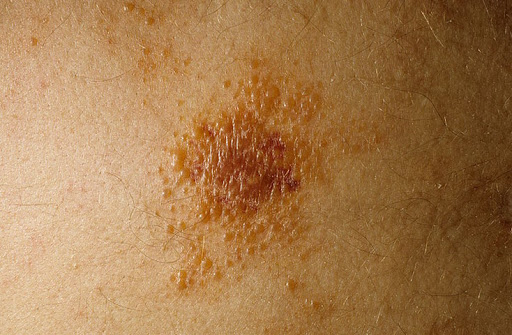
Almost every patient with type 2A disease develops medullary thyroid cancer. Approximately 40-50% of patients develop some type of adrenal tumor (pheochromocytoma), which causes an increase in blood pressure due to the produced epinephrine and other substances. High blood pressure can be temporary or permanent and is often severe.
Some patients with type 2A disease have an increase in the activity of the parathyroid glands. An increased level of parathyroid hormone causes an increase in the level of calcium in the blood. Elevated calcium levels often do not cause symptoms, but lead to kidney stones in about 25% of patients.
MEN type 2B disease
Type 2B multiple endocrine neoplasia may include:
- medullary thyroid cancer;
- pheochromocytomas;
- neoplasms around nerves (neuromas).
Many patients with type 2B disease have a negative family history. In these patients, the disease results from a new genetic defect (genetic mutation).
Medullary thyroid cancer in type 2B neoplasia tends to develop early in life; there are cases of the disease in three-month-old children. Medullary thyroid cancer in type 2B grows and spreads faster than in type 2A neoplasia.

Most patients with type 2B have mucosal neuromas. They appear as shiny nodules around the lips, tongue, and on the lining of the mouth. Neuromas can also occur on the eyelids and shiny surfaces of the eyes, including the conjunctiva and cornea. The eyelids and lips sometimes thicken and the lips may twist.
Disorders of the gastrointestinal tract are manifested in the form constipation and diarrhea. Sometimes large and dilated loops (megacolon) appear in the colon. These abnormalities are likely due to the formation of neuromas on the nerves of the intestine.
With type 2B disease, spinal disorders, especially curvature of the spinal column (scoliosis and / or kyphosis). Sometimes there is deformation of the bones of the skull, feet and femurs. Many patients have long limbs and weak joints. Some of these pathologies are similar to those that occur when Marfan syndrome.
Affected populations
MEN types 1 and 2 affect men and women in equal numbers. Type 1 and 2 disorder affects about 1 in 30-40,000 people. Some researchers believe that many cases of the disease remain undiagnosed, making it difficult to determine its true frequency in the general population.
Diagnostics
Diagnostics include:
- genetic analyzes;
- hormone levels in blood and urine;
- sometimes imaging tests.
Tests are available to detect the genetic abnormality present in every type of multiple endocrine neoplasia. Doctors usually do these genetic tests on patients with one of the tumors typical of multiple endocrine neoplasia, and in relatives of a patient who has already been diagnosed with one of forms of the syndrome. Screening of relatives, sometimes even before birth, is important because half of the children of patients with multiple endocrine neoplasia inherit the disorder.
Blood and urine tests are done to detect elevated hormone levels.
Imaging tests such as ultrasound, computed tomography (CT), magnetic resonance imaging tomography (MRI) and positron emission tomography (PET) are also needed to help doctors locate tumors.
Standard treatments
Treatment includes:
- removal of the tumor;
- often removing the thyroid gland;
- medications.
There is no cure for multiple endocrine neoplasia. Doctors approach the treatment of changes in each gland individually.
If possible, the tumor is surgically removed. Some small pancreatic islet cell tumors are not removed immediately but are observed to determine if they increase and treat if they grow large enough to cause Problems. Before removal, or if removal is not possible, doctors prescribe medications to correct hormonal imbalances caused by increased glandular activity. If the size of the gland is significantly enlarged and there is an increased activity of the gland in the absence of a tumor, doctors prescribe drugs to neutralize the effects of the increased activity of the gland.
Because medullary thyroid cancer is ultimately fatal if left untreated, doctors usually recommend prophylactic removal of the thyroid gland if a genetic test reveals the presence of multiple endocrine neoplasia type 2A or 2B. This prophylactic surgery is performed even if medullary thyroid cancer was not diagnosed prior to surgery. Unlike other types of thyroid cancer, this aggressive type of cancer is not cured with radioactive iodine. After removal of the thyroid gland, patients are forced to take thyroid hormone for the rest of their lives. If the thyroid cancer has spread, other treatments (such as chemotherapy or other drugs) can sometimes help the patient live longer. Pheochromocytomas are surgically removed after drug correction of blood pressure.
Because tumors can develop at different times, people with multiple endocrine neoplasms may feel anxious and anxious about when the next tumor will develop. Counseling may be needed to help people cope with this anxiety.