Adrenoleukodystrophy: what is it, symptoms, treatment, prognosis
Content
- What is adrenoleukodystrophy?
- Signs and symptoms
- Causes
- Affected populations
- Symptomatic disorders
- Diagnosis of adrenoleukodystrophy
- Standard treatments
- Prognosis of adrenoleukodystrophy
What is adrenoleukodystrophy?
Adrenoleukodystrophy (ALD) is a rare genetic disorder that affects the white matter of the nervous system and adrenal cortex.
White matter is made up of nerve fibers called axons, which carry nerve impulses from one cell to another. These nerve fibers are covered with myelin, an insulating layer or sheath that protects the nerve fibers. Myelin is composed of proteins and fats and gives the white matter a white color. Without myelin, signals between nerve cells cannot be transmitted properly, resulting in neurological symptoms.
The adrenal cortex is the outermost layer of adrenal cells. Adrenal glands are located above the kidneys and produce hormones that are vital for proper health and development, including cortisol and sex hormones.
Many with adrenal problems experience severe neurological problems during childhood or adulthood with various types of disabilities. Some affected people also have
adrenal insufficiency, which means that a reduced amount of certain hormones such as adrenaline and cortisol is produced, which leads to abnormalities in blood pressure, heart rate, sexual development and reproductive functions.Adrenoleukodystrophy (ALD) is an X-linked recessive disorder that is caused by variations (mutations) in a gene ABCD1. Because it is an X-linked disease, men develop more serious complications than women, while some women do not show symptoms. X-linked adrenoleukodystrophy can be classified into different types depending on symptoms and age of onset.
Signs and symptoms
Signs and symptoms can vary greatly, even among members of the same family. Some people develop serious complications during infancy or childhood, while others develop symptoms in adulthood. Some people do not develop symptoms until adulthood. The progression of the disorder can also vary. There are different forms of adrenoleukodystrophy.
- Children's cerebral ALD.
In 35% of affected boys, neurological symptoms develop between the ages of three and ten. It almost never happens between the ages of about two and a half to three years. Affected boys will develop normally and then begin to show a loss (regression) of previously acquired skills. Prior to the loss of skills, affected boys may have behavioral problems, including attention deficit hyperactivity disorder (ADHD) as well as learning disabilities. Boys with adrenoleukodystrophy usually develop cognitive impairment, which means they may have mental impairments and find it difficult to gain information and knowledge. This means that sick children may have a decline in school performance. They have difficulty understanding speech, difficulty reading or understanding written words, difficulty with spatial perception, and show impairment in writing skills.
They later develop additional symptoms, including:
- decreased vision clarity (decreased visual acuity);
- hearing loss;
- Difficulty walking and, ultimately, weakness and stiffness of the limbs;
- convulsions or epilepsy.
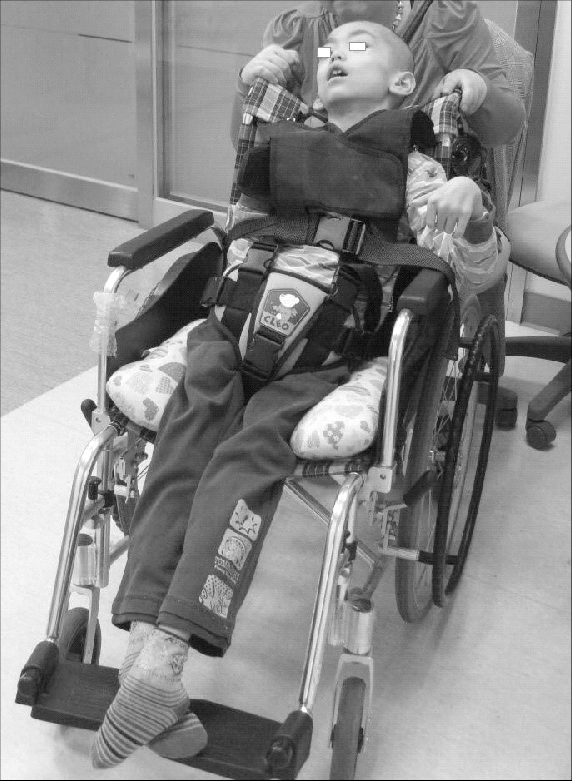
Eventually, affected children lose most of their neurological functions and become completely disabled due to blindness, deafness and inability to move at will. The disease will further progress, leading to a vegetative state and death, usually within 2 to 3 years of the onset of neurological symptoms.
- Addison's disease.
In men affected Addison's disease, can also be adrenal insufficiency. Adrenal glands are located above the kidneys and produce two hormones called cortisol and aldosterone. Other hormones produced by the adrenal glands help regulate fluid and electrolyte balance in the body. When the adrenal glands are unable to produce these hormones, the term primary adrenal insufficiency is used. Symptoms may include:
- fatigue;
- unintentional weight loss;
- nausea;
- vomiting;
- gastrointestinal problems;
- weakness;
- morning headaches;
- low blood pressure (hypotension)
- low blood sugar (hypoglycemia).
Read also:Dravet syndrome
These symptoms often indicate Addison's disease. Many people get a tan on their skin, including in areas not exposed to sunlight (skin hyperpigmentation).
- Adrenomyeloneuropathy (AMN).
Adrenomyeloneuropathy is a specific form of adrenoleukodystrophy that occurs in men between the ages of 20 and middle age. Ultimately, the disease affects almost all men who did not have it in childhood. The initial symptoms are usually progressive stiffness and weakness in the legs (spastic paraparesis). Affected men may have trouble walking or walking abnormally (abnormal gait). Numbness and pain with polyneuropathy are also common symptoms. PolyneuropathyIs a general term for peripheral nerve degeneration, i.e. nerves outside the brain and spinal cord (i.e., the central nervous system).
Sick men also have erectile dysfunction and problems with bowel and bladder control due to sphincter dysfunction. Sphincters are muscles that control the narrowing or widening of certain passages in the body. The urinary sphincters are two muscles that control the passage of urine from the bladder through a tiny tube that carries urine out of the body (urethra). Poor control of the urinary tract sphincter leads to urinary tract dysfunction. In addition, many men also develop premature baldness and thinning hair.
- Adult cerebral ALD.
At least 20 percent of all affected men experience cognitive decline similar to that seen in boys with infantile cerebral ALD. Patients develop progressive neurologic symptoms similar to infantile cerebral ALD, and they usually lead to severe neurological damage and ultimately to a vegetative state or of death.
- ALD in women.
Women who are carriers (see. Causes section below) adrenoleukodystrophies often develop adrenomyeloenuropathy in adulthood, although symptoms are often less severe than in men.
Approximately 20% of women with ALD develop symptoms before the age of 40. By the age of 60, this percentage reaches approximately 90%. Adrenal insufficiency and brain damage in women are rare but can occur.
Causes
Adrenoleukodystrophy is caused by a variation (mutation) in a gene ABCD1. Genes provide instructions for making proteins that are critical to many bodily functions. When a gene mutation occurs, the protein product may be defective, ineffective, absent, or overproduced. Depending on the functions of a particular protein, it can affect many organ systems in the body, including the brain.
ABCD1 the gene contains instructions for making a protein called X-linked adrenoleukodystrophy protein, or ALDP. It is a carrier protein; it helps transport fat molecules called very long chain fatty acids into structures called peroxisomes. Peroxisomes are small membrane-bound structures or sacs in the gel-like fluid (cytoplasm) of cells that play a vital role in many biochemical processes in the body. The very long-chain fatty acids are then broken down (metabolized). Since this is a scarcity ALDP, transport and, ultimately, the breakdown of very long-chain fatty acids is impaired and, therefore, these fatty molecules accumulate in the tissues of the body. The two specific areas affected are the myelin of the nerve cells and the adrenal cortex. These fatty molecules were originally thought to be directly toxic to brain tissue.
In the adrenal cortex, abnormal accumulation of very long-chain fatty acids is associated with the death of hormone-producing cells, although the exact mechanism is not yet known. It is also possible that damage to the adrenal cortex is the result of an abnormal immune response to fat storage.
X-linked genetic disorders are caused by an abnormal gene on the X chromosome. Women have two X chromosomes, but one of the X chromosomes is turned off and all genes on that chromosome are inactivated. Women who have a disease gene on one of their X chromosomes are carriers of the disease. Female carriers usually do not show symptoms of the disease, since the X chromosome with the abnormal gene is usually "turned off". A man has one X chromosome, and if he inherits the X chromosome containing the disease gene, he will develop the disease. Men with X-linked disorders pass the disease gene to all of their daughters, who will be carriers if the other X chromosome from their mother is normal. A man cannot pass on an X-linked gene to his sons, as men always pass on their Y chromosome instead of their X chromosome to male offspring. Women who are carriers of X-linked disorder have a 25% risk of having a carrier daughter like herself in every pregnancy, 25% chance of having a non-carrier daughter, 25% chance of having a son affected by the disease, and 25% chance of having healthy son.
Read also:Frontal hyperostosis
In some women, known as heterozygotes, who inherit one copy of the ALD disease gene, signs of disease on the X chromosome cannot always be masked by a normal gene on another X chromosome. As a result, these women may exhibit symptoms associated with adrenoleukodystrophy.
Affected populations
The prevalence of ALD ranges from 1 in 10,000 to 1 in 17,000 people in the general population. Prevalence refers to the number of people in the general population who have the disorder at any given time. Rare disorders such as ALD are often misdiagnosed or misdiagnosed, making it difficult to determine the true frequency of the disorder in the general population. The disease occurs throughout the world in all ethnic groups.
Symptomatic disorders
Symptoms of the following conditions may be similar to those of ALD. Comparisons can be useful for differential diagnosis. Specific differential diagnoses depend on the specific form of ALD.
Infantile cerebral adrenoleukodystrophy must be differentiated from other forms of leukodystrophy, such as Krabbe's disease or metachromatic leukodystrophy, Lyme disease, multiple sclerosis, attention deficit hyperactivity disorder and various brain tumors. Adrenomyeloneuropathy must be differentiated from multiple sclerosis, hereditary spastic paraplegia, amyotrophic lateral sclerosis and spinal cord tumors.
Diagnosis of adrenoleukodystrophy
The diagnosis of ALD is based on the identification of characteristic symptoms, a detailed history of the patient and his family, careful clinical evaluation, and various specialized tests.
Some babies are diagnosed with a mass newborn screening (neonatal screening). Neonatal screening is a special type of screening test that newborns take to find out if they have certain medical conditions. This screening is primarily done by examining dried blood spots. Since the newborn screening is a screening test, a positive result does not mean that the baby definitely has the disease. Often a second test is needed to confirm the diagnosis. If the neonatal screening results are positive, a genetic test may be ordered to check for a specific change (mutation) in the gene that causes ALD.
- Clinical testing and examination.
The initial diagnostic test is usually a blood test to measure plasma levels of very long chain fatty acids. If these levels are markedly high, or if the ratio of these fatty molecules in the blood is abnormal, doctors may order genetic testing to confirm the diagnosis. Some women who are ALD carriers may have normal long-chain fatty acid levels in their blood. Women who are suspected of having the disease may need genetic testing to definitively rule out the diagnosis.
Molecular genetic testing can confirm the diagnosis. Molecular genetic testing can detect mutations in the ABCD1 gene, which are known to cause adrenoleukodystrophy, but is available only as a diagnostic service in specialized laboratories.
Doctors will also check adrenal function with a test called an ACTH stimulation test. ACTH stands for adrenocorticotropic hormone and is produced by the pituitary gland. An increase in the concentration of ACTH leads to an increase in the production of adrenal hormones. In particular, there should be an increase in plasma cortisol levels.
Read also:McArdle disease
To assess how ALD has affected the brain, a special imaging technique called magnetic resonance imaging (MRI) can be recommended. MRI uses a magnetic field and radio waves to produce cross-sectional images of selected organs and tissues of the body, including the brain. This allows doctors to see if the brain has been damaged, including loss of myelin in the white matter of the brain.
Standard treatments
Treatment of adrenoleukodystrophy may require a coordinated team of specialists. Pediatricians, therapists, doctors specializing in the diagnosis and treatment of diseases of the brain and nervous system (pediatric neurologists), adult neurologists, doctors specializing in the diagnosis and treatment of diseases of the urinary system (urologists), doctors specializing in the diagnosis and treatment endocrine system disorders (endocrinologists), psychiatrists, physical therapists and other healthcare professionals may need systematic and comprehensive planning treatment.
Genetic counseling is recommended for patients and their families. Psychosocial support is also important for the entire family.
Asymptomatic boys should be monitored closely for signs of cerebral disease. This group typically consists of boys identified through newborn screening or boys who were diagnosed early due to a previously affected family member. Treatments such as hematopoietic stem cell transplantation should only be considered in boys with abnormal MRI abnormalities who do not yet have neurologic symptoms.
People with adrenal insufficiency need replacement therapy corticosteroids. Spinal cord diseases, urinary tract complications, and polyneuropathy are usually treated according to the usual or standard guidelines.
After initial diagnosis in infants or children, an assessment of the development of the nervous system may be done, and affected boys need regular follow-up MRI scans to monitor disease. It is important to detect brain MRI changes as early as possible, as people with early MRI changes before neurological symptoms develop have better outcomes with therapy. Periodic re-evaluations and adjustments of services should be done for all children and adults. Additional medical, social and / or professional services may be required, including specialized training programs.
Allogeneic hematopoietic stem cell transplant (allo-HSCT) for the treatment of some people, especially boys or adolescents with signs of damage to the central nervous system, which are at an early stage of the disease and do not have neurological symptoms, in is currently the standard of care and one existing effective method to stop the progression of neurological symptoms during childhood.
Hematopoietic stem cells are special cells found in the bone marrow that grow or mature into different types of cells. With allo-HSCT, people receive hematopoietic stem cells from a healthy person called a donor. A series of studies over the past two decades has shown that HSCT stops progression of neurological disease with adrenoleukodystrophy, although it does not improve adrenal failure. HSCT is a serious medical procedure with significant risks. Since allogeneic HSCT is only effective in the early stages of the disease, it is appropriate that newborn screening be extended to all conditions and that all boys diagnosed with ALD have re-MRI brain imaging and regular follow-up neurologist.
Prognosis of adrenoleukodystrophy
The long-term outlook (prognosis) for patients affected by X-linked adrenoleukodystrophy depends on the specific type of disease that each of them suffers from. The cerebral form of the disease in children is progressive. Boys with this form of the disease often die within a few years of the onset of symptoms. Other forms of adrenoleukodystrophy are less severe. The disease in these people may progress slowly or not at all affect a person's lifespan.