
Viral diarrhea: causes, symptoms and treatment
Viral diarrhea is a disease caused by intestinal infectionleading to intoxication of the body, vomiting, increased stool frequency, inflammation of the mucous membrane of the upper respiratory tract. Diarrhea resulting from an infection is called viral diarrhea (VD). The causes of the disease, the main symptoms and treatment options are discussed in the article.
Viral diarrhea is a sign of infection with an infectious disease. Pathogenic flora enters the body, penetrates the digestive organs, irritating them. The very first sign of the manifestation of the disease is diarrhea. Mostly young and children attending municipal kindergartens are highly susceptible to the disease. In places of mass congestion of children, a large number of children are often infected. But adults are also susceptible to the viral manifestation of diarrhea. It is possible to alleviate the patient's condition by correctly diagnosing, identifying the type of virus and adequately selecting treatment.
Content
- 1 Infection routes
- 2 Reasons for infection
- 3 Symptoms
- 4 The development of the disease
- 5 Diagnostics
-
6 Treating viral diarrhea
- 6.1 Drug treatment
- 6.2 Diet
- 7 Prevention measures
Infection routes
The main route of infection with viral diarrhea is contact and airborne droplets. Infection can occur from a sick person to a healthy person through shaking hands, touching objects of general use. Often, the virus is transmitted through food that cannot be processed with heat. Refers to such products - ice cream, salads. In summer, at high temperatures, infection is possible when swimming in open water. Waterborne infection can be contracted if accidentally swallowed. Sometimes you can get infected from animals. A combination of several routes of infection is often observed.
Adults and children are susceptible to viral diarrhea. When a pathogenic infection enters the body, the disease begins. Major viruses:
- Rotavirus;
- Enterovirus;
- Coronavirus;
- Adenovirus.
The most common variant is rotavirus. Children are more often infected, but the adult body does not have immunity against it.
Reasons for infection
- Eating unwashed raw vegetables and fruits, poor heat treatment of foods, eating foods that have expired.
- Failure to be careful in public toilets and transport.
- Violations in personal hygiene, dirty hands, shared towels in the family.
- Poor sterilization of medical instruments and equipment.
The route of infection is often airborne from a sick person to a healthy one, when using common objects, in hospitals, when manipulating with the use of a non-sterile instrument.
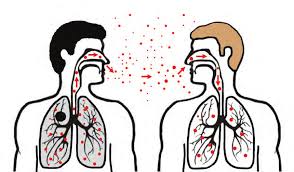
Airborne infection route
Young children attending kindergarten are highly susceptible to infection with infectious bacteria. The disease can be massive in the summer, during the season of many fruits and swimming in open water. A whole group of reasons leading to the disease is possible.
Symptoms
The main symptom of an infection that has entered the body is diarrhea. It occurs in children and adults. The symptom is not the only one. Together with the diarrhea of the patient, the following ailments are attacked:
- Sharp pains and cramps in the abdomen.
- Vomit.
- Fever.
- Body aches, weakness.
- Temperature increase.
- Signs of an incipient SARS - cough, runny nose, sore throat.
The urge to defecate in the presence of these symptoms is frequent, up to 15 times a day. The feces are watery, thin, with foam and an unpleasant odor. The color is yellow-green.
Vomiting - frequent, profuse, with mucus. Depending on the type of infection, a sore throat is possible, white plaque on the tongue, inflammation of the tonsils, enlargement of the liver and spleen. Extensive intoxication of the body is observed.
The development of the disease
Viral diarrhea has three stages of development in both children and adults.
- Incubation stage.
- Expanded manifestation stage.
- The recovery phase lasts up to 10 days.

The incubation period lasts from hours to 1 week. At this time, there is a lesion of the digestive tract, the urge to vomit after eating and drinking. In the vomit, mucus and food debris are found. Diarrhea joins vomiting. Some people have an inflamed throat, cough, chills, weakness, fever.
At the stage of expanded manifestations, the reaction of each organism is different. Depends on the patient's immunity and the type of infection that has struck the intestines. The main symptom of this stage is diarrhea, which lasts all the time the expanded manifestations pass. Duration from 2 to 7 days.
With residual manifestations of the third stage, diarrhea and vomiting are observed, but not as intensely as during the second stage. The symptomatology persists until the complete removal of pathogenic organisms from the human digestive system.
Diagnostics
Viral infections can independently infect the body and cause diarrhea, but can begin against the background of the underlying disease. The underlying pathology is required to be treated.
Establishing the correct diagnosis and prescribing treatment is possible after a thorough diagnosis. The patient undergoes the necessary tests: blood, urine, feces. Blood is donated to track internal inflammation. In the blood of a patient with viral diarrhea, a reduced number of leukocytes is found. In the urine, the indications for the presence of protein and erythrocytes are studied. When analyzing feces, the emphasis is on the detection of undigested pieces of food, the presence of blood, mucus.
With the viral nature of diarrhea, only the upper intestine is included in the pathological process.
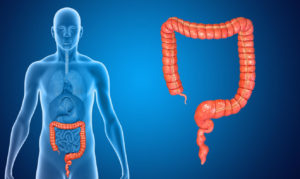
Upper intestine
The section of the large intestine is not subject to the inflammatory process, therefore, with a viral disease, there should be no blood impurities in the feces. It is important to determine the infectious nature of the disease, the treatment depends on it. When examining biological material, an electron microscope is used.
If required, analysis of vomit is carried out. This happens more often when you suspect intestinal flu. X-ray examination of the peritoneum is not excluded. This method allows you to establish an accurate picture and cause of diarrhea: virus, chronic malaise, food poisoning.
Treating viral diarrhea
With a mild course of the disease, you can be treated at home. It is important to provide the patient with adequate food, plenty of drink, enzyme-containing medicines to improve the digestion process. In acute courses of the disease, treatment is carried out in a hospital setting. The acute nature of the course of the disease is life-threatening. It is also better for young children to be treated in a hospital. The child is at great risk from frequent bowel movements. The child's body dehydrates very quickly, the consequences can be very serious, up to and including death. If there is a sharp deterioration in the child's condition, you should immediately call an ambulance!

There are several ways to treat viral diarrhea:
- Medication.
- With the use of medicinal herbs.
- Correctly selected therapeutic diet.
Drug treatment
With diarrhea caused by viruses, it is necessary to take inside drugs that can cure it, improve the work of the digestive system, and eliminate the causes of the disease. These medications include:
- Sorbents.
- Antidiarrheal drugs.
- Probiotics.
- Solutions for normalizing liquid and salt levels.
Viral diarrhea with frequent bowel movements and vomiting dehydrates. In case of disruption of the digestive organs, you will need to take polyenzyme drugs that improve the digestion of food. Sorbents are used to remove toxins.
With diarrhea, the intestinal microflora is disturbed. Probiotics are prescribed to restore disturbed microflora.
If viral diarrhea is accompanied by a fever of more than 38.5 degrees, it is better to take antipyretic drugs. In the presence of spasms, analgesics or pain relievers of a wide spectrum of action.
With viral diarrhea, it makes no sense to take antibiotics, since they do not work on viruses. But if the patient has a mixed type of infection, then antibiotic therapy is possible.
Diet
With prolonged diarrhea, adherence to proper nutrition is the basis of cure. In the first days of illness, it is better to refuse food altogether. It is necessary to drink plenty of fluids to prevent dehydration. Different liquids are suitable: water (only boiled), tea, compote, herbal teas, still mineral water.
After a while, it is permissible to take a light broth, low-fat soup. You can not eat spicy, fatty, fried foods during the period of viral diarrhea. The load on the weakened organs of the gastrointestinal tract will be too high, possibly additional irritation of the mucous membrane and aggravation of the course of the disease.
It is allowed to take decoctions of chamomile, which has anti-inflammatory, antibacterial and soothing effects.

The best diet for a breastfed baby is breast milk.
Older children are shown kefir.
Adults with viral diarrhea are shown table number 46. This implies the exclusion of foods that enhance intestinal motility, rejection of fats and foods that enhance fermentation.
Prevention measures
After viral diarrhea, the human body develops immunity for a while. But you need to remember about preventive measures:
- Thorough hygiene. Especially after visiting public places, returning from a walk.
- Heat treatment of products. Raw vegetables and fruits are poured over with boiling water before use, especially during the first time after illness. When cooking meat and fish, it is important to monitor the quality heat treatment sufficient in time.
- Regular disinfection of bathrooms, common areas for the purpose of hygiene procedures.
- Thorough regular cleaning of the apartment and airing.
- Refusal to use shared towels or other household items that can transmit the disease.
- Proper nutrition.
The most important tool in the fight against viral diarrhea is human immunity. Therefore, for reliable protection against viruses, it is important to take care of your health, observe the basics of a balanced diet, daily routine and lifestyle.
It is important to instill good habits in children who are most susceptible to attacks of viral diarrhea. A child who has a positive example in the family is less likely to get sick, has higher immunity, and copes with illness more easily.