Diarrhea after eating: causes and quick treatments
Diarrhea often occurs immediately after a meal. Sometimes a symptom occurs once, then disappears without a trace. Sometimes the disorder is regular. Each case requires finding out the cause in order to eliminate it and prevent re-disorder in a similar situation. It is not recommended to ignore diarrhea, even if the phenomenon is rare, the process is caused by a serious pathology.
Content
-
1 Causes of upset stools after eating
- 1.1 Causes of diarrhea after eating in children
-
2 Diseases causing diarrhea after eating
- 2.1 Irritable bowel syndrome
- 2.2 Dysbacteriosis
- 2.3 Pancreatitis
- 2.4 Enteritis
- 2.5 Colitis
- 2.6 Helminthiasis
-
3 Treatment of diarrhea after eating
- 3.1 Traditional methods
- 3.2 Diet
- 4 When to see a doctor
Causes of upset stools after eating
Diarrhea after eating food is considered functional. Functional diarrhea is a bowel disease that causes frequent bowel movements. Food moves at a higher speed and is not completely digested.
Loose stools in an adult, after eating, it becomes a consequence of the use of low-quality or improperly processed food. In addition to the obvious reason, other factors are also named:
- Constant emotional stress contributes to the development of irritable bowel syndrome. With a disease, the functioning of the organ is impaired.
- When taking antibacterial drugs, the intestinal microflora is disturbed, making it difficult to digest food.
- In people with chronic pathologies of the liver and other organs of the digestive system, overeating is fraught with stool disorder.
- Unwashed plant foods consumed by humans can introduce pathogens into the body, leading to intestinal infections.
- Individual intolerance or an allergic reaction can manifest itself in the form of diarrhea.
- Hormonal imbalance causes stool disorder after every meal.
Often, after a fatty meal, a person has a stool disorder. The body's response may indicate inflammation of the pancreas, liver and gallbladder disease.
Causes of diarrhea after eating in children
Babies, like adults, sometimes have a bowel disorder after eating. The reasons are:
- Intestinal malabsorption;
- Infectious diseases;
- Lactose intolerance in a child.
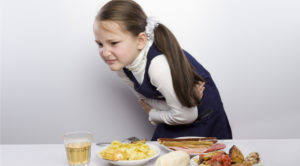
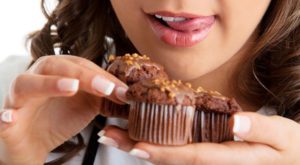
The reasons can be determined by the color of the stool, consistency and smell. Bloody stains often indicate infection, and black stools indicate bleeding. Diarrhea in children often occurs after sweets. From overeating sweets, confectionery, children periodically suffer from intestinal upset. An adult should monitor the child's nutrition to prevent symptoms and more serious problems, including dehydration due to diarrhea.
Diseases causing diarrhea after eating
Many diseases and pathological processes in the body cause loose stools. Some pathologies require antibiotic therapy, others require surgical intervention. Pathologies that provoke diarrhea:
- Thyroid disease (organic, functional);
- Acute intestinal infection;
- Enteritis, colitis, duodenitis;
- Worm diseases caused by helminths;
- Functional bowel disease;
- Inflammation of the pancreas;
- Malignant and benign formations in the digestive tract;
- Dysbacteriosis.
Irritable bowel syndrome
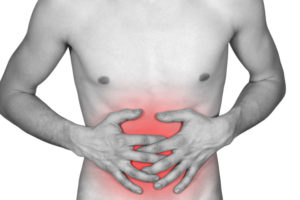
The phenomenon is common in the adult population. With the disease, diarrhea causes severe stress. The stool is loose and frequent. The person has a stomach ache and twists. There are many causes of the disease. Among the most likely, doctors distinguish:
- Lack of control from the part of the brain over the work of the gastrointestinal tract.
- Strengthening intestinal motility.
- Improper nutrition. Diarrhea occurs in people from fatty foods, after spicy foods more often than in advocates of a healthy diet.
Treatment is diet.
Dysbacteriosis
Dysbacteriosis can occur due to taking medications and improper nutrition. It manifests itself in the form of a liquid, light-colored stool. Often, foam and pus are found in the stool. The patient feels bloating in the abdomen, especially in the evening.
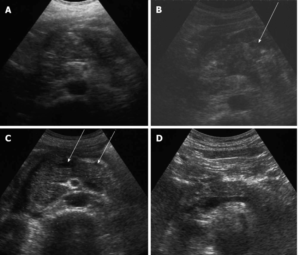
Pancreatitis
Lack of pancreatic enzymes provokes pain and diarrhea, proteins, fats and carbohydrates are not broken down, which provokes the intestines to increased peristalsis. The pain may not appear immediately, but 2 hours after the meal.
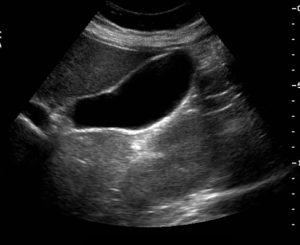
Pancreatitis is a serious diagnosis. Pathology is dangerous to human life. It is required to diagnose pathology in a timely manner and begin immediate treatment. It is pointless to treat diarrhea if the cause is inflammation of the pancreas.
Disease pancreatitis
Enteritis
A group of inflammatory diseases of the mucous membrane of the small intestine. Enteritis usually begins with diarrhea shortly after eating. There is an increase in temperature, pain in the head, nausea.
Symptoms are expressed in the afternoon when the digestive system is more active.
Colitis
Large intestine affection. With pathology, feces liquefy, the temperature rises. After eating, there is pain in the abdomen and bloating, the pain subsides after a bowel movement. In the feces of the patient, blood, pus is observed.
Food is poorly digested. Proteins, fats and carbohydrates are poorly absorbed.
Helminthiasis
Liquid bowel movements after meals are caused by the presence of parasites in the human body. Worms feed on vital substances necessary for the proper functioning of the gastrointestinal tract. Due to the loss of useful salts and minerals, liquid feces are often formed.
In addition to the main symptom, the patient has lethargy, weakness. Nausea occurs. A cough that does not respond to treatment is possible. Decreased immunity due to the presence of parasites leads to frequent colds.
In babies, the disease is easy to suspect if there are signs:
- Peeling skin, brittle nails;
- Increased salivation during sleep, teeth grinding;
- Itching in the anus;
- Eating a lot of sweets.
Treatment of diarrhea after eating
Every adult should know what to do if diarrhea occurs. If loose stools are not caused by a pathology of internal organs or an infection, it is not accompanied by a temperature, nausea and vomiting, it is permissible to take measures to eliminate loose stools and replenish the water balance in the home conditions. To restore the water-salt balance, it is recommended to take Regidron. The powder is diluted with water and used in accordance with the instructions. It corrects fluid and electrolyte imbalances in bowel disorders. It is allowed to take a Loperamide tablet to eliminate the symptom.
Food of questionable quality causes diarrhea within an hour or two after consumption. Sorbents are recommended to remove toxins. Activated carbon, Smecta - effective medicines for intestinal disorders, capable of stop diarrhea quickly.
If diarrhea is caused by stress or overexertion, you need to get rid of external stimuli. The doctor may prescribe mild sedatives. In severe cases, antidepressants are prescribed.
To prevent frustration, you need to adjust the diet.
Traditional methods
It is possible to get rid of an intestinal disorder with the help of traditional medicine. A decoction of oak bark helps to fix the stool.
A few tablespoons of buckwheat porridge on an empty stomach helps to cope with malaise.
Strong, sugar-free black or green tea helps to eliminate the unpleasant manifestation in the form of liquid bowel movements.
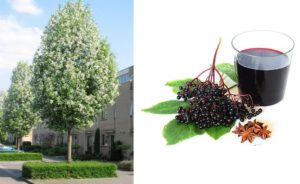
Blueberry jelly, bird cherry broth are effective drinks against diarrhea.
Diet
Many foods have a laxative effect. To prevent the symptom from recurring, you need to exclude them from the diet, replace them with fixing dishes. It is important to observe the measure in the use of food. After overeating, diarrhea and severe abdominal discomfort may occur. You will need to follow the rules:
- To eat often, in small portions.
- Give preference to steamed dishes, refuse fatty foods and foods that are not digested.
- Babies are advised to give up sweets. If the child wants sweets, it is better to give baked fruits, homemade compotes.
- Consume more liquid in the form of black or green tea, herbal decoctions.
When to see a doctor
Diarrhea of a protracted nature, accompanied by nausea, pain in different parts of the stomach, requires a doctor's consultation. It can become a sign of serious pathology in the organs of the gastrointestinal tract. Medical assistance is needed:
- If the child has diarrhea for more than 24 hours;
- Strong loose stools with blood, pus, or mucus;
- High body temperature;
- Nausea, vomiting, persistent stomach discomfort;
- In the presence of chronic diseases.
Frequent urge to use the toilet is not normal. There is always a reason for this, indicating a deviation in the human body. A person should take care of his health and at the first symptoms indicating pathologies, consult a doctor to establish the cause and treatment.