
Diarrhea in a child: how to treat, quick ways to stop diarrhea
Diarrhea in a child is a common occurrence, indicating a disease of the gastrointestinal tract or indicative of infectious or viral pathologies. Sometimes a similar reaction occurs after taking antibiotics or other medications. The main symptom of diarrhea is frequent loose stools. Measures to restore the functioning of the digestive tract depend on causes of diarrhea.
Content
- 1 Causes of diarrhea in a child
-
2 Types of diarrhea in a child
- 2.1 Sharp
- 2.2 Chronic
- 3 Diarrhea symptoms
-
4 Diarrhea treatment
- 4.1 Medication
- 4.2 Diet for diarrhea
- 5 Prevention of bowel disorder in a child
Causes of diarrhea in a child
Before taking measures to eliminate diarrhea, you need to identify the cause of the disease. Diarrhea is caused by various factors. The use of foods and liquids unfamiliar to the body can provoke loose stools. In the latter case, you will need to adjust the diet, the symptoms will disappear.
Sometimes the reasons frequent loose stools there may be serious illnesses. Salmonellosis, dysentery, viral infection are accompanied by diarrhea. Often doctors diagnose -
viral diarrheacaused by rotavirus.
Causes of loose stools:
- Drug reactions;
- Lactose intolerance in a newborn;
- Food poisoning;
- A similar reaction of the body develops from emotional overstrain.
Children under two years of age experience discomfort during teething. When taking antibiotics, severe diarrhea becomes an adverse reaction.
Types of diarrhea in a child
Doctors say that diarrhea in children is provoked by factors of an infectious and non-infectious nature.
Diarrhea is divided into functional and organic. A functional disorder is characterized by the absence of a violation of the structure of the digestive organs. With organic diarrhea, there are changes in the structure of the digestive system.
According to the severity of the course, types of diarrhea are distinguished - acute and chronic.
Sharp
Most often acute diarrhea occurs in children who are too young, due to the lack of basic sanitary and hygienic skills in the baby, due to weak protective mechanisms. Often, a baby acquires symptoms of the disease through dirty hands, in contact with contaminated toys, pets.
If the little one is one and a half years old, it is impossible to explain to him the rules of personal hygiene. But a three-year-old should have basic hygiene skills, including washing hands before eating and after using the toilet.

The acute form of the disease is accompanied by fever, abdominal pain. This diarrhea goes away after 3 days with adequate treatment.
Chronic
The disease is characterized by frequent bowel movements, loose stools, lasting more than four weeks. The kid complains of abdominal pain. Lack of appetite. Diarrhea is accompanied by nausea and vomiting.
Chronic stomach upset is a reason to see a doctor. Prolonged diarrhea causes dehydration of the child's body, as a result of which dire consequences can occur, up to and including death.
Diarrhea symptoms
The main symptom is an increase in the frequency, thinning of the stool in the baby. In addition to the obvious symptom, diarrhea is accompanied by:
- Bloating;
- False urge to empty;
- Lack of appetite;
- General weakness;
- Nausea, vomiting;
- In a nursing baby, tearfulness, anxiety, refusal to eat.
Symptoms are partially present or absent at all.
A companion of diarrhea with intestinal infections and poisoning is an increased body temperature. In the feces, mucus is observed, in case of poisoning, parts of the food that are not digested.
Without fever, diarrhea is due to improper diet or allergies.
A nursing infant often empties the intestines, which sometimes disturbs the parents. If the stool is light brown and free of mucus or blood, you shouldn't worry.
Diarrhea treatment
Diarrhea in children is a dangerous symptom, as the body loses a lot of fluid and salt, which are necessary for proper functioning. First of all, the parent must restore the water and electrolyte balance through rehydration. Then you can try stop diarrhea. Do not forget that only a doctor prescribes adequate treatment. Certain drugs are not recommended for children under 1 year of age. Parents have the right to provide first aid and alleviate the patient's condition before the doctor arrives. The doctor will tell you what to do to cure the little patient.
Medication
With diarrhea, the patient should be given a saline solution. It is permissible to use a drug purchased at a pharmacy: Regidron, Oralit, Enterodez.
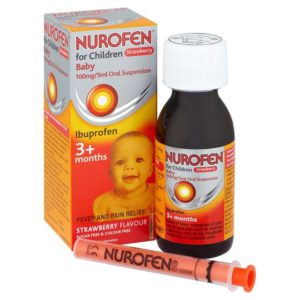
If diarrhea is accompanied by fever, it is necessary to take antipyretic drugs containing paracetamol. Fever in a one-year-old baby - it is better to use rectal suppositories. Older children take suspensions. You can take children's paracetamol. In a year, the patient is allowed to take Nurofen as an antipyretic.
You can treat diarrhea by taking sorbents that help remove toxins from the body. For example, activated carbon, Smecta, Polysorb, Neosmectin. Smecta is recommended for children from birth, one diluted package is enough for 3 doses. A two-year-old baby is offered 1 sachet twice a day.
Dysbacteriosis will cause the appointment of bacteriophages and probiotics: Acipol, Linex, Enterol, Bifidumbacterin.
In case of intestinal infections, the doctor prescribes a course of antibiotics: Meronem, Kanamycin, Ciprofloxacin. Parents should not make an independent decision - to give the baby an antibiotic. This appointment is made by the doctor.
When breastfeeding, it is acceptable to give the infant a baby electrolyte solution to replenish fluid reserves.
Dr. Komarovsky believes that medications are not the primary helpers in the treatment of diarrhea. The most important are the conditions and environment in which the immune system begins to cope with the causative agent of the disease. It is necessary to provide the baby with peace, to protect from emotional stress, to give more fluid. If a small child has diarrhea under one year old, the famous pediatrician recommends calling a doctor.
Diet for diarrhea
When symptoms occur, parents need to be careful about diet and food intake. Fractional, frequent meals will be appropriate. The child should chew food with special care. If this does not work, the food must be mashed using a blender. It is better to exclude animal fats from the diet and limit the intake of carbohydrates. It is necessary to give more drink of pure water, weak tea or weakly concentrated compote.
Allowed Products:
- Steamed fish of low-fat varieties;
- Porridge on the water;
- Veal, chicken;
- Steam cutlets and veal, turkey;
- Fruit and berry compotes, with the exception of plum, grape, apricot.
Prohibited foods:
- Vegetables and fruits that have not undergone heat treatment;
- Dairy;
- Fat broth soups;
- Carbonated drinks;
- Pickled and salted vegetables.
In infants and newborns on artificial feeding, the situation is more difficult in case of illness. In case of intestinal upset, it is important for the baby to restore the lack of useful and vital substances. Therefore, it is recommended to apply the baby to the breast more often, but reduce the time of eating.
Bottle-fed babies are prescribed to feed every 2 hours. For feeding, the baby should eat 50 ml of the mixture.
For children from 6-8 months who have already been introduced to complementary foods, it is better to temporarily refuse additional food, limiting themselves only to breast milk or formula.
After diarrhea stops, a gentle diet should be followed for at least a week to consolidate the result. In a one and a half year old child, cereals and vegetable soups are allowed in the diet. For a two-year-old baby, cottage cheese is allowed on the menu, without dyes and preservatives. During this period, the work of the intestines is normalized.
Prevention of bowel disorder in a child
To avoid bowel problems, it is important to follow simple rules. First of all, it is required to teach children to wash their hands after walking and before eating. Adults should thoroughly wash vegetables and fruits, heat meat and fish.
Toddlers up to one year old explore the world around them with great interest, while tasting rattles, toys and everything that comes to hand. Parents should regularly wash toys and damp areas where the baby is playing. It is necessary to exercise constant control over the little one.
Children 6 years old are already big enough to understand what adults are saying. It is worth explaining that you cannot drink water while swimming during the summer vacation from reservoirs, as well as tap water.
If diarrhea occurs often for no apparent reason and does not go away for a long time, and you cannot cure yourself, you need to consult a doctor and inform him about diarrhea. The doctor may prescribe an examination of the organs of the gastrointestinal tract, identifying pathologies accompanied by an unpleasant symptom.