Liquid stool in a child: what to do, reasons
Perhaps the most common situation that any adult has to solve is diarrhea in a child. The functioning of the child's body is not entirely debugged, so some parents take such situations calmly. It should be remembered that sometimes serious infectious diseases can cause disorders of the gastrointestinal tract and cause severe dehydration of a fragile body.
Diarrhea is stool containing a lot of water, which is characterized by frequent and violent urging with cramping that is difficult to control. The bowel movements greatly increase: the more often the child pulls to the toilet, the thinner the consistency.
Mom and Dad should be concerned if the stool becomes profuse with a greenish tinge. It happens up to eight times a day, or even more often. This poses a danger, there is a release of a significant volume of water from the body and the displacement of substances necessary for its development, in addition, changes in the blood are noted.
The nature of the bowel movement will indicate the cause of what is happening:
- foam indicates the development of infection;
- green color - a sign of the development of staphylococcus;
- with salmonellosis, the normal color of the feces changes to marsh;
- discolored stools become a sign of hepatitis;
- the infectious disease dysentery is associated with the crimson color of feces.
Content
-
1 Causes of diarrhea
- 1.1 Infectious diarrhea
- 1.2 Dyspepsia
- 1.3 Dysbacteriosis
- 1.4 Food intolerances
- 1.5 Other diseases
- 2 What is the danger of diarrhea?
-
3 Help with diarrhea
- 3.1 What to give a child with loose stools?
- 3.2 Medications
Causes of diarrhea
The child's digestive system fails if the body is attacked by various viruses and infections, allergens. The same happens when teething occurs in small, irrationally introduced complementary foods or when they are fed with food that is not accepted by the body. The main cause of diarrhea is inflammatory processes of the intestinal mucosa.
Infectious diarrhea
It is called "the disease of dirty hands", because children constantly take everything they see into their mouths, and as they get older, they systematically violate the rules of hygiene. Unwashed apples, pears, plums, etc., close contact with pets, untreated water contribute to the entry of pathogenic microbes into the child's body. That is why, when it occurs, it is necessary to immediately eliminate the threat of infection, which is often caused by common pathogens. Diarrhea does not cause infection, but vice versa! It happens that the child has no pain.

Dyspepsia
Loose stools are sometimes associated with malnutrition: excessive consumption of food rich in carbohydrates and fats, unlimited fruits, or the usual overeating. Vomiting, nausea, diarrhea can be the result of the usual overeating at a party or at home.
Coordinate replacement of an established list of products is an additional cause of diarrhea that occurs in young children during travel. A change of country or city inevitably leads to a new composition of dishes, in which previously unused products appear.
Infant dyspepsia is associated with overfeeding, when a parent or other adult tries to feed a child with food "Adult table", a sudden cessation of the baby's natural nutrition, an unadapted mixture, untimely complementary foods. All of the above causes diarrhea, fountain vomiting, and stabbing sensations.
Dysbacteriosis
Dysbacteriosis is a malfunction of the intestinal microflora. It is considered the most common cause of the disease. Diarrhea becomes chronic or is interrupted by obstructed bowel movements. The process causes bursting sensations, active formation of gases in the intestines. If the disease is started, the stool acquires a rotten smell, becomes greenish, and the consistency includes undigested particles.
Food intolerances
Milk rejection in an infant is associated with a lack of lactose. If the required substance is not produced in the required volume, each feeding ends with diarrhea with a foamy content and a sour odor. In infants, the reaction can be passing; when growing up, lactose is produced well.
The child's body sometimes does not accept gluten. An allergy to it is called celiac disease. The cause of the disease lies in the predisposition of an unwanted reaction to cereals.
Other diseases
The alternation of profuse disorders and persistent constipation is a sign of a genetic disease - cystic fibrosis. This is the case when the glands of the digestive and respiratory systems are affected.
Particular attention should be paid to the presence of blood in the baby's stool. Similar symptoms serve as signals: colitis, Crohn's disease, intestinal yersiniosis. The listed diseases must be treated immediately.
Parents should keep in mind that when a child develops diarrhea, they will definitely have to visit a doctor, since the disease poses a danger to the child and to others.
What is the danger of diarrhea?
Frequent loose stools deprives the body of the necessary fluid content, nutritional components, which leads to serious disorders. For a baby, this amount is 100 ml each time, for older children - up to the volume of a glass of water. All of the above leads to dehydration. In addition, salts are lost. An imbalance leads to electrolyte disruption and can cause cardiac arrest. Frequent diarrhea causes a small amount of nutrients: the child loses weight, grows slowly, is inactive and indifferent.
When this condition occurs, the skin and mucous membranes dry, crack, and dark circles appear around the eyes. The child becomes restless, no appetite, constantly half-asleep. A clear sign of danger is dark urine, rarely excreted in small volumes.
Help with diarrhea
The first step is to invite a pediatrician. The initial signal for treatment: stool more often than 8 times a day, does not pass for a long time; watery, profuse bowel movements; the presence of blood impurities in the feces; temperature above 38 degrees; complaints of abdominal pain; discoloration of the skin (yellow); other family members have diarrhea.
It is necessary to talk with the doctor about the child's diet in the last days, whether he has left somewhere during the summer vacation, whether this has happened before.
Before the arrival of the doctor, follow the rules:
- The baby should not be fed, after a bowel movement, wash and treat with baby cream to avoid irritation.
- Stop dehydration.
- The baby is often supposed to be fed with mother's milk, the teenager should be given tea with sugar or water with salt. In such situations, special solutions, such as Regidron, help. You can make a saline solution yourself: dilute half a teaspoon of salt and four tablespoons of glucose in half a liter of water. This mixture is given in small portions at intervals of ten minutes. At the age of up to a year in the child's diet, liquid is up to 700 ml, after a year to two years - 900 ml, up to five - 1400 ml.
- Monitor the baby's well-being: temperature, the appearance of blood in the stool.
If you feel unwell, call an ambulance immediately! Remember that medications cannot be taken without a doctor's recommendation. Treatment is prescribed exclusively by a doctor.
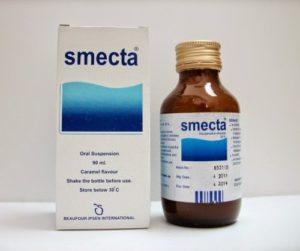
Activated carbon, Smecta and antipyretics (if necessary) are acceptable.
What to give a child with loose stools?
To treat adolescent diarrhea, use alternative medicine and dietary supplements. Here are some recipes:
- Pour a glass of water over a tablespoon of fennel, oak bark, sage. Boil the mixture and cook for 15 minutes. Drain the solution by filtering through a sieve or cheesecloth. Drink 120 ml before main meals.
- Mix dried blueberries and bird cherry in a 2: 3 ratio. Then pour 1 tablespoon of fruits with a glass of water and boil for 20 minutes. The liquid must be cooled and taken three times a day.
Diet is key. This is a prerequisite for getting rid of diarrhea. You shouldn't force-feed your baby. The main thing is to provide his body with the necessary amount of fluid. Babies on breast milk do not need to change anything: breastfeed and do not use routine supplements. Mom needs to eliminate foods that are allergenic or bloating. Those on artificial feeding are best fed lactose-free and hypoallergenic mixtures.
For other categories of children, the recommendations are as follows:
- do not use smoked, salty, fried foods; refuse dairy products, peaches, bananas, grapes, cabbage, beans and peas, mushrooms, baked goods, carbonated water;
- it is imperative to include in the diet mashed soups, cereals on the water, jelly;
- puree that does not contain milk with sunflower oil;
- boiled vegetables, stewed or steamed, dried fruit compote;
- blueberries, lingonberries;
- sour milk-based drinks;
- steam meat and fish cutlets.
Medications
As medications for the treatment of diarrhea are used:
- Enterosgel, Polysorb, Polyphepan, which bind and retain various toxins.
- Abomin, Somilaza, Pancreatin, freeing the stomach from accumulated food, and the intestines from feces.
- Espumisan, Bebinos - with bloating and gas formation.
- Drugs that relieve spasm - Drotaverin, No-shpa.
- The intestinal flora is restored by probiotics and prebiotics.
- Loperamide, Imodium - antidiarrheal agents that have age restrictions. It is undesirable to take them before the diagnosis is made by the attending physician.
- For infectious diseases, antibacterial, antiviral drugs are prescribed.
- When infected with worms - anthelmintic drugs.
- Lactraza is prescribed for infants with enzyme deficiencies.