Levomycetin for diarrhea: instructions for children and adults
Stool disorder is a common occurrence, characterized by liquefaction of stool and increased frequency of bowel movements. When diarrhea is prolonged, and diet or habitual remedies do not help to cope with the disorder, the patient begins to look for a more effective way to stop the unpleasant process. Taking antibacterial drugs is relevant if the disorder is caused by food intoxication or intestinal infection. One of the list of effective medicines for diarrhea is Levomycetin, which allows you to quickly eliminate the symptom.
Content
- 1 Benefits of Levomycetin
- 2 Indications
-
3 Method of administration and dosage
- 3.1 Admission rules for adults
- 3.2 Admission rules for children
- 4 Contraindications
-
5 Side effect
- 5.1 Overdose
- 6 Precautionary measures
- 7 Analogs
Benefits of Levomycetin
Levomycetin is an antibacterial drug with a broad spectrum of action. Actively affects pathogens of intestinal infections (except for viral and fungal). The drug inhibits the growth and reproduction of bacteria - the causative agents of salmonellosis, shigellosis. It acts on the cell of the microorganism, destroying the formation of protein, destroying its viability. The medicine does not eliminate the symptom, but acts on the cause that provoked the body's reaction.

Indications
The medication is available in the form of white tablets with a yellowish tinge. Levomycetin is prescribed for acute intestinal infections. For selected pathologies that cause diarrhea, an antibiotic is necessary. Diseases for which the drug is taken:
- Salmonellosis;
- Dysentery;
- Typhoid fever and others.
The drug is inactive against some bacteria. Therefore, it is important to establish the exact cause of the pathology before taking the medication.
An effective remedy for food poisoning and indigestion if:
- Stool frequency exceeds 10-15 times, and the patient's condition does not improve after taking alternative medications.
- In the liquid stool, the patient notices bloody streaks or pus. This case involves antibacterial therapy.
- Diarrhea is infectious, but it is not treated with alternative antibacterial agents. The patient must pass a stool test to establish the pathogen.
- In addition to bowel upset, there is an increased body temperature.
- The patient has an individual intolerance or an allergic reaction to other antibacterial drugs.

Method of administration and dosage
The attending physician can prescribe antibacterial agents. The doctor sets the dosage, the duration of treatment with Levomycetin, depending on the severity of the disease. When the patient begins to use the medicine, the condition improves markedly after a day. But it is contraindicated to end therapy - you need to take the drug for the full course prescribed by the doctor in order to completely destroy the bacteria. On average, the course of treatment is from a week to ten days.
The tablets should be taken half an hour before meals or an hour after meals. For better absorption, it is permissible to bite the tablet through. The taste of the drug is very bitter, you need to drink a pill with a large volume of water. The tablets are taken at regular intervals.
In the box with the medicine there is an instruction for use that must be followed, but the medicine must be used as indicated by the doctor.
Admission rules for adults
If diarrhea is in an adult, it is recommended to take a tablet after 5 hours. The total daily dosage in adults should not exceed 4 grams.
A mild form of diarrhea involves taking a pill 4 times a day.
With a severe form of diarrhea caused by an infection, 2-4 tablets are prescribed - 3-4 times a day.
Admission rules for children
Levomycetin is a potent drug. When treating diarrhea, it is important to know the dosage for children and not exceed it. Children are prescribed the drug, taking into account age and weight.
A child under three years old is not recommended to give more than 10-15 mg per kilogram of weight. With a weight of 10 kg - no more than 125 mg is allowed.
From 3 to 8 years old, no more than 200 mg per day is allowed.
Over 8 - up to 300 mg per day.
It is allowed to give medication against diarrhea to a child after diagnosis and consultation with a therapist.
Contraindications
The antibiotic has a strong effect, there are contraindications. Restrictions on use:
- Pregnancy and the period of breastfeeding. If therapy with a drug is necessary, for the period of treatment it is necessary to refuse feeding.
- Impaired renal function.
- Porphyrin disease.
- Children up to age 4 months.
- Diabetes.
- Skin diseases: psoriasis, eczema.
- Allergy and individual intolerance to the components of the drug.
Cannot be taken for angina and acute respiratory viral diseases.
In this case, it is recommended to abandon the use of the medication or replace it with another medication, after consulting with your doctor.
It is not recommended to use the medication for stool disorder caused by allergies, or the use of laxative products. Antibiotic treatment is performed if an infection enters the digestive tract.
Side effect
Taking medication, even in accordance with the prescribed dosage, is often accompanied by the onset of symptoms. The patient may feel dizzy and have a headache, vision and hearing impairment. Levomycetin causes pathological processes in the circulatory system, for example, thrombocytopenia, leukopenia. In the abdomen, the patient may feel discomfort - bloating, flatulence.

In patients prone to allergies, skin rashes or other reactions appear. In difficult cases, edema occurs, which is a danger to human health and life.
Side effects disappear after stopping treatment.
Overdose
Exceeding the recommended dose is fraught with various complications. The patient may have poor vision and hearing, dizziness, pain in the head. An overdose symptom is general weakness, nausea, vomiting, convulsions.
Often, in pursuit of a quick recovery, patients make an independent decision - to increase the dose of the drug. When taking antibiotics, it is forbidden to change the dosage yourself. In case of diarrhea, the doctor prescribes the volume required by the patient. Excess aggravates the condition and can cause severe stool upset.
Precautionary measures
To protect yourself from adverse reactions, it is necessary to follow the rules for taking the medication:
- A doctor's consultation before antibiotic therapy for diarrhea is mandatory. Moreover, when it comes to treating an infant.
- Reception is not allowed medications for a one-time bowel disorder, in the absence of other signs of intoxication.
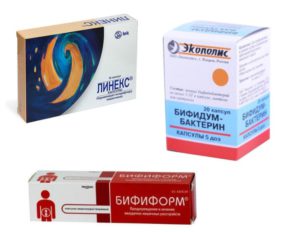
- Levomycetin is an antibiotic that affects the intestinal microflora, which leads to dysbiosis. Already at the stage of treatment, it is necessary to take probiotics to restore the intestinal microflora. It is recommended to drink Linex, Bifidumbacterin, Bifiform. These probiotics work well with antibiotic therapy.
- Diarrhea is not always a sign of infection. The symptom may indicate chronic diseases of the gastrointestinal tract. When planning to start antibiotic treatment, you need to seek help from a doctor, undergo an examination and identify the cause of diarrhea.
It is forbidden to take tablets while consuming alcohol-containing products. Alcohol reduces the effectiveness of the medication. There will be no positive result if you combine alcoholic beverages and antibiotic therapy.
Analogs
Drugs similar to Levomycetin, or antibiotic substitutes, can overcome infectious diarrhea:
- Levomycetin Aktitab is a medicine produced in the form of tablets. The main substance is chloramphenicol, as in standard Levomycetin. It differs from the antibiotic in the composition of the excipients.
- Levomycetin Darnitsa is a broad-spectrum antibiotic with an active substance - chloramphenicol.
- Dexamethasone is a synthetic drug that regulates protein and carbohydrate metabolism. It can be prescribed instead of Levomycetin for typhoid fever, diphtheria.
The choice of antibacterial agent depends on the causative agent of the disease. A doctor should prescribe a medicine based on laboratory studies of a person's biological material.
Levomycetin is a powerful antibiotic that helps adults and children cope with infection. It is forbidden to take for any diarrhea, since the medicine will not only not help to cope with a banal stool disorder, but will also increase the diarrhea. Before taking it, you need to identify the cause with a laboratory test. And after making sure that the symptom is provoked by bacteria, start antibiotic therapy without breaking the dosage.