
Clostridia in the analysis for dysbiosis: bacteriological study
In infants with intestinal dysbiosis, clostridia often dominate. How to interpret such test results? Do I need to immediately turn to bacteriophages to reduce the population level, or are Clostridia safe? In Russian medicine, bacteriological research is more often used: the sample is inoculated on a nutrient medium, then the result is expected. Bacterial feces take a week. Clostridia in the analysis for dysbiosis means the need for penicillin for treatment.
The bacteria that cause poisoning are not too dangerous. However, be prepared for prolonged diarrhea. The specified species is killed by antibiotics. The doctor may prescribe pills at random, but it is better to wait for the test results, which take a week, if the clinic does not use express methods with the identification of metabolites of the desired strains in feces the masses. Diseases associated with the gastrointestinal tract are uncomfortable and interfere with a normal lifestyle.
Content
- 1 From the history
-
2 Analyzes
- 2.1 Indications
- 2.2 How to collect
- 2.3 Research process
- 2.4 What is the price?
- 2.5 What does a positive result mean?
- 3 Treatment
- 4 I have no clostridia
From the history
The genus Clostridia, when it enters the human body, causes a number of diseases. Part of the complete list:
- Botulism.
- Gas gangrene.
- Tetanus.
The poison produced by some strains is so strong that it is considered the most dangerous in nature. We are talking about the causative agents of botulism. If Clostridia is found through bacterial culture, lethal consequences should not be expected, although signs of food poisoning will be evident.
The information gleaned from history is thought-provoking. A number of sausage-loving areas in Germany have suffered from botulism. A series of outbreaks of the disease occurs at the end of the 18th century. Unsurprisingly, German scientists became seriously interested in pathology. In 1817, Justinus Kerner discovered rod-shaped bacteria in contaminated food.
In 1897, the first scientific work by Emil van Ermingham about an endospore organism localized from ham appeared. Biologists have classified the find as a gram-positive bacterium. The surprise was the knowledge that bacilli grew exclusively in the absence of oxygen, which was considered inexplicable. The name Clostridia was coined in 1924 when Ida Bengston showed that microorganisms are bacteria of a new kind.
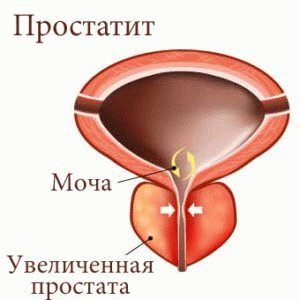
A host of varieties were immediately ranked here, not all Clostridia are the causative agents of terrible diseases. This type of pathogenic organisms causes poisoning, is considered a likely cause of prostatitis.
Analyzes
In clinics of the Russian Federation, analysis for Clostridia is possible. Feces become the subject of research. In the lists it goes under the number A26.19.007. For the sake of brevity, doctors call the analysis a clostridial culture.
Indications
It is especially important to correctly collect anamnesis in children, the baby will not be able to express complaints. Analyze the bowel movement to draw conclusions. Clinical signs of clostridial poisoning:
- The stool is liquid with a green tinge, a strong rotten smell. Sometimes there is blood or mucus.
- Cutting pain in the abdomen. The symptom is difficult to identify in nursing infants.
How to collect
Preparing for delivery involves time-consuming preparation.
- 1 week before the doctor's appointment, exclude antibiotics and laxatives from the diet. Do not insert candles into the anus.
- A few days before the test, remove spicy, sour, fatty foods from the diet. The use of beets is undesirable, alcohol is unacceptable. Eat less fish, meat.
- Pick up a clean, tightly curling jar for stool delivery. Or buy a container at the clinic.
Before handing over, it is worth washing the anus. The material is handed over within two hours. After the specified time has elapsed, the delivery of the sample does not make sense. Calculate in advance how long you will have to queue. It will not be difficult for an adult to do the necessary activities in the clinic's toilet.
Clostridia die in the air, close the lid tightly.
Research process
The collected material is sown on nutrient media, where the growth of the desired culture is analyzed. The strain is later tested for antibiotic susceptibility. This action provides a point strike in the desired direction.
What is the price?
The analysis is rare and difficult, get ready to shell out the amount from 400 to 1000 rubles. The price depends on the location of the study. For Moscow and the state polyclinic, the average price is 200 rubles.
Some clinics, for example, Helix, do not make individual crops on Clostridia, you will have to pay more.
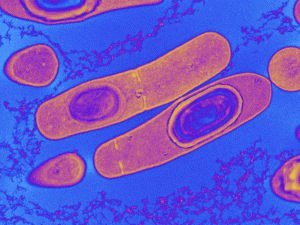
Clostridium bacteria
What does a positive result mean?
Deciphering the analysis for dysbiosis falls on the shoulders of the doctor. The presence of causative agents of botulism or tetanus leads to the death of the recipient; there are no indicators in the analyzes. Intestinal dysbiosis with the definition of sensitivity indicates the presence of much less dangerous, unpleasant strains.
First of all, we are talking about Clostridium perfringens, provoking signs of food poisoning. The acute condition is caused by the presence of Clostridium difficile. The disease progresses in different ways in adults and children, starting with a complete absence of symptoms, ending with severe colitis.
Typical population density figures look like this:
- Children under one year old - 1 thousand units on g.
- An adult has 100 thousand. units on g.
- The retirement age is 1 million. units on g.
The above list serves as a starting point for the Aesculapians, an approximate pivot table. The final decoding remains with the doctor. The study can go down the wrong path if blood accidentally gets into the samples. To make a correct diagnosis, you will have to take additional measures.
Sowing is sometimes not a viable method. Samples are examined for toxins secreted by Clostridia, the potency of which has already been described. Do the analysis using a different technology. The answer is faster, there is no need to wait for the growth of the strain.
Treatment
Traditionally, clostridia are treated with penicillin. Many strains are vulnerable in the treatment of dysbacteriosis with antibiotics:
- Tetracycline.
- Metronidazole.
- Sulfanilamide (streptocide).
When cooking, bacteria die at a temperature of 75 degrees Celsius, spores - 120 degrees. The moral is simple: Eat boiled food that is well cooked. At the same time, a therapeutic diet is drawn up. It is believed that Clostridia are inhibited by inulin-based cultures. The patient (if possible) should receive products from the following list:
- Carrot.
- Onion.
- Garlic.
- Chicory.
- Asparagus.
- Artichoke.
Try to include fructo-oligosaccharides in your food. Consume cereals, corn, and regular bread (coarsely ground) regularly to stimulate the growth of bifidobacteria that prevent clostridia from multiplying.
I have no clostridia
Most of the tests for dysbiosis are concentrated around the anus. The genitourinary system also suffers from bacteria, the symptoms are different. Prostatitis in some cases is caused by bacteria, the appearance of microorganisms in the urethra indicates the third stage of dysbiosis. Think about it.
Unpleasant diseases begin from the stomach and intestines. Many scientists in their works declare that cancer starts in these organs. At first glance, there is no connection, but scientists are talking about a crazy percentage of correlation - over 99. No wonder cancer has already been dubbed the disease of sorrow. And dysbiosis, as found, develops due to stress. Another reason to think!


