
Dysbacteriosis during pregnancy: symptoms and treatment
Dysbacteriosis during pregnancy can lead to transmission of the disease to the fetus or newborn. When carrying, a woman periodically has to deal with this common phenomenon. Intestinal dysbiosis observed in 90% of citizens. The disease is accompanied by the presence of a certain amount of opportunistic and frankly harmful flora, including streptococci, proteas, staphylococci and other microorganisms. Depending on the main pathogen, the signs of a pathological condition change. Consider the manifestation of dysbiosis in pregnant women, methods of treatment, precautions.
The expectant mother becomes the center that forms the baby's microflora. Now scientists believe that the process begins in the prenatal period. The lion's share of bacteria undergoes formation in the intestines of the child during childbirth and after birth. The strains needed for the baby appear around the nipples of the breastfeeding breast. It is recommended to attach the baby; it is recommended to start natural feeding after two postpartum hours. This greatly simplifies the life of a future person.

Content
- 1 Intestinal microflora
- 2 Causes
- 3 Fetal microflora
- 4 Treatment
- 5 Dysbacteriosis of the birth canal
Intestinal microflora
It is estimated that 2 kg of bacteria live in the intestines. 10% of the energy consumed with food goes to the nutrition of microorganisms. Difficulties of dysbiosis are incomprehensible to a person who has no idea about normal or pathogenic microflora. Part of the mass of normal flora is made up of anaerobes, for example, lactobacilli. Main functions:
- stimulate the body's defenses;
- participate in digestion;
- break down complex carbohydrates;
- ferment proteins;
- help to absorb fats;
- promote the absorption of iron and vitamins.
At the same time, the normal flora prevents the growth of pathogenic bacteria, taking up space on the mucous membrane in the intestinal cavity. The released substances create the pH-factor of the environment, which prevents the reproduction of foreign strains. All of these benefits disappear when the balance is imbalanced. Dysbacteriosis is a persistent violation of the microflora balance, or the replacement of a conditionally pathogenic component with an openly harmful one: fungi, proteas, staphylococci, Pseudomonas aeruginosa, streptococci.
Bacteria are present on any mucous membrane, even on the surface of the skin. These violations affect not only the gastrointestinal tract.

Causes
Today it is considered normal if the expectant mother visits entertainment places, leads an active lifestyle, and visits public places. The causes of dysbiosis are varied, including poor diet and lack of sleep. Antibiotics come first. Along with harmful bacteria, drugs destroy beneficial biota. The balance of normal microflora is disturbed.
The bacteria live in many places, but most of the damage occurs in the intestines. Problems await pregnant women with gastrointestinal pathologies (for example, gastritis). Risk factors include abnormal blood pressure, joint disease, and menstrual irregularities before pregnancy. Common caries, allergic reactions become the consequences of dysbiosis. Disruption of hormonal metabolism leads to malfunctions of the body.
Add to this substandard foodstuffs containing preservatives, far from ideal ecology, stress, harmful ionizing radiation (from cell phones). There are many reasons. Most of the girls today smoke, despite the anti-tobacco state campaign, which is extremely harmful and often provokes dysbiosis during pregnancy.
Fetal microflora
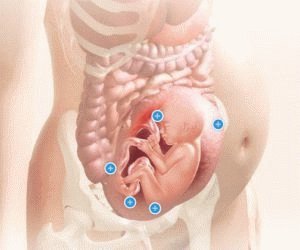
The fetus is inextricably linked to the mother. Violations in the woman's body are immediately reflected in the future baby. It is reasonable to lead prevention of dysbiosis before the onset of the disease. Doubtful medicines, antibiotics are subject to exclusion from the list of approved ones.
Above, it was said about the need for good nutrition, which means the rejection of products that include:
- Preservatives.
- Amplifiers of taste and aroma.
- Genetically modified foods.
When the balance is imbalanced, not all nutrients are absorbed. It turns out that there are not enough substances for the construction of fetal tissues. Therefore, the role of a mother is not as elementary as it seems at first glance. It is known that 90% of the population has a history of dysbiosis. This means that only one mother out of ten is healthy in the mentioned plan.
Treatment
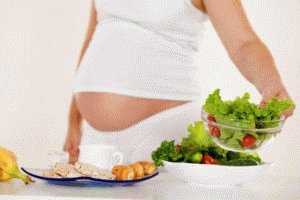
Pregnancy is a special period of life. The woman becomes capricious, requires increased attention. Even if the tests are in order, you need to be on the lookout, preventing the development of dysbiosis. The first step is to make the right diet. Include in the menu the necessary complex carbohydrates for microflora nutrition. Consider the simple fact: total cure is not possible.
Pregnancy requires a special approach to diet. We attach a list of products that do not replace treatment, but create favorable conditions for maintaining the biota at a stable level. Supplement the diet with the intake of bacterial drugs, defeating intestinal dysbiosis during pregnancy.
- Inulin. The kind of fiber improves the absorption of calcium required by new mothers. Chicory is widely advertised as a source. It is also found in garlic. If you don't like the pungent smell, eat bananas, artichoke, dandelion root.
- Raffinose is a nutrient medium for the cultivation of bifidobacteria, the main content of yogurt. In order for microorganisms to take root in the digestive tract, a nutrient medium is needed. Consume large amounts of peas and beans.
- Pectin has a stimulating effect, enhances the production of gastric juice. Products containing pectin have an absorption effect (absorption of harmful substances). Good sources are apples, carrots (mashed potatoes are good for a baby). Consume blueberries, apricots.
- Galactooligosaccharides contribute to the formation of strains of bifidobacteria. The difficulty is that the maximum number of these substances contains human milk. Pharmacy infant formula is a good substitute. The label must contain information about the content of substances in the composition.
- Fructooligosaccharides accompany inulin and are found in cereals, bread, onions and corn. Play the role of a nutrient medium for bifidobacteria.
- Look for other dietary fiber in the list of ingredients, it is marked on the package as fiber. The bran is rich in it.
Not every product will appeal to the expectant mother, but the treatment is rarely pleasant. Peas and beans cannot be substituted. Garlic, onion is enough to grind in mashed potatoes, mix with cow's milk, eliminating the unpleasant odor.
Additional drugs will be advised at the nearest clinic: Smecta, Hilak Forte, others.
Dysbacteriosis of the birth canal
The birth canal is overgrown with the necessary microflora, which the baby will collect at birth. The health of the birth canal is an important prerequisite for the formation of healthy offspring. The composition of the strains is determined mainly by age, adjusted for hormonal levels and general condition. There is a mass of lactobacilli responsible for maintaining an acidic environment, preventing the dispersal of pathogenic flora. The main metabolites are hydrogen peroxide and lactic acid.
On the days of pregnancy, the hormonal background changes, affecting all organ systems and the genitourinary. The mucous membrane of the birth canal becomes thicker, the density of the population of lactobacilli is growing. Difficulties begin when microorganisms appear inside that are resistant to an acidic environment, for example, fungi. The composition of the environment changes, adversely affecting immunity, leading to dysbiosis. In a broad sense, this is dysbiosis, special cases - candidiasis (reproduction of the genus Candida) and thrush.
According to the design of nature, the density of lactobacilli is maximum at the time of childbirth. The newborn is provided with good mother cultures. In a baby girl, the birth canal is filled with microflora already on the first day. And while maintaining the balance, treatment in the future is not required.


