
Intestinal dysbiosis: causes, symptoms and treatment
The pathogenesis of dysbiosis is characterized by the simultaneous release of strains outside the habitat. The causes of unpleasant effects are found in the large intestine. Relocation of strains leads to metabolic disorders. For example, the immigration of a portion of the bacteria in the large intestine upon settling in the oral cavity results in bad breath. Dysbacteriosis of the intestine is a disorder of the whole organism.
Content
- 1 Definition
-
2 Dysbiosis degree
- 2.1 Features of the bacterial background
- 2.2 First degree
- 2.3 Second degree
- 2.4 Third degree
- 2.5 Relationship between grade and clinical signs
-
3 Signs
- 3.1 In adults
- 3.2 Baby
- 4 Causes
- 5 Consequences
-
6 Treatment
- 6.1 Medicines
- 6.2 The diet
- 6.3 Enema
Definition
There was no place for dysbiosis in the international classification. Use the code according to ICD-10 63.8.0 or refer to section K59.9. Both formulations are vague, but allow you to find the right drugs when needed. Abroad, there is no concept of colon dysbiosis. There is exclusively the term for the redundancy of flora in the small intestine.
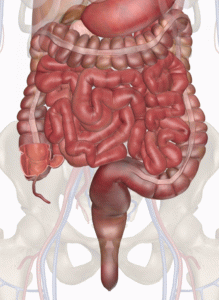
Human intestine
The appearance of dysbiosis means an imbalance in the microflora of the body. Pathogenic (harmful) microorganisms and physiological (beneficial) live in complete harmony. Even in the intestines. During dysbiosis in adults, the stool becomes infantilely unstable. The gastrointestinal tract is unable to assimilate food, the production of vitamins is disrupted. The remnants of food rot in the intestines, fecal stones are deposited. The products of the process are absorbed into the bloodstream.
Chronic body poisoning disrupts metabolic processes, inhibits the work of individual organs. Scientists now claim that they are approaching the solution of the problem of chronic fatigue syndrome. Some researchers agree that the syndrome represents the consequences of prolonged feeding of the central nervous system with poisons through the blood, when the blood-brain barrier no longer works.
Dysbiosis and dysbacteriosis is a violation of the ratio of populations of bacterial strains. The intestines are more often affected, the oral cavity is periodically affected. The causes of intestinal dysbiosis are often rooted in the abuse of antibiotics and hormones. Various diseases of the gastrointestinal tract, improper mode of life and nutrition lead here. Symptoms and treatment are described below, but a patient suffering from diarrhea should think about changing the daily routine, making changes to the diet.
Dysbiosis degree
The classification of dysbiosis operates with the density of mucosal strains. There are three or four degrees, according to the classification of the analysis.
Features of the bacterial background
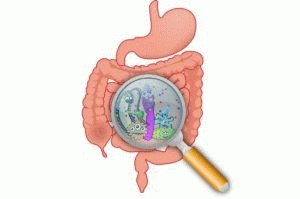
The disease is detrimental to the normal type E. coli population. When the flora is replaced by atypical pathogenic representatives, there is a predominance of strains of staphylococcus, proteus or clostridia. The latter are already pathogenic flora. Violations can occur against the background of dysentery, giardiasis, salmonellosis, helminthic invasion. The cause is duodenitis, gastritis with reduced secretion. In the latter case, bacteria easily pass through the barrier formed by gastric juice.
First degree
It is called a mild form. Changes in the main flora are insignificant, conditionally pathogenic representatives appear in the amount of two strains (the established minimum) and a population density of 1 million. units.
Second degree
The form is called moderate. The number of anaerobic microorganisms (bifidobacteria and lactobacteria) is sharply reduced and is equal to the number of aerobic ones. Population densities of the atypical form of Escherichia coli appear. Conditionally pathogenic flora develops.
Third degree
The latter is often referred to as the severe form. Bifido and lactobacilli are poorly represented, until they disappear completely. The level of conditionally pathogenic flora reaches 10 million. units, among Escherichia coli, atypical forms are finally approved.
Relationship between grade and clinical signs
Experts claim that there is no direct relationship between the degree and severity of clinical signs. It all depends on the sensitivity and resistance of the organism.
Signs
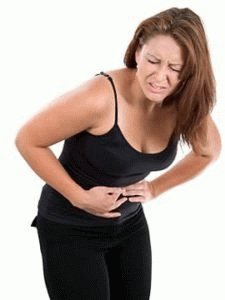
Various troubles can be expected from intestinal dysbiosis. Lack of B vitamins leads to anemia, eczema. Allergic reactions cause bronchial asthma, nicotinic acid deficiency easily provokes the development of depression. Less often, symptoms are accompanied by mental abnormalities, which seems incredible with intestinal dysbiosis and confirms the need for a serious attitude to the disease.
In adults
Selected clinical signs:
- Rumbling.
- Bloating.
- Flatulence.
- Inconsistent appetite.
- Smell from the mouth.
- Hair loss.
- Deformation of nails.
- Wrinkles.
- Difficulties in awakening.
- Mood swings.
- Irritation.
In the presence of three or four signs, dysbiosis is diagnosed, an examination is required. If there is nowhere to rush, regular seeding will do, the results are prepared for a week. The fact is proven: in the adult population, the disease is found in 90% of cases. More often it manifests a dual nature: staphylococcal dysbiosis and the form caused by clostridia. Pathology has become widespread, sometimes the slightest sign of an extraneous infection is absent.
Baby
The child is unable to clearly explain the localization and severity of pain, parents should focus on the symptoms of dysbiosis. Weakening of immunity, toxicosis in the mother, prematurity, transfer to artificial feeding, infections and diseases are the reasons for the accumulation of toxins in the baby's body. We list the features of the body that transfer the baby to the risk zone for the development of such a condition:
- The lack of immunoglobulins facilitates the penetration of pathogens through the gastrointestinal tract and the respiratory system.
- Inactive neutrophils lead to blockade of the reticuloendothelial system.
- The low capabilities of the nonspecific immunity department reduce the time for the approval of pathogenic bacteria.
- The dominance of the white matter of the brain predisposes to edema.
- Insufficient differentiation of the brain causes a tendency to diffuse reactions.

- Over-activity in the hippocampus causes seizures when there is a lack of oxygen.
- Excessive tone of the sympathetic nervous system predetermines the body's tendency to rise in temperature in response to external influences.
- A high concentration of extracellular fluid increases the patient's need for water.
- The low power of the sodium-potassium pump causes a tendency to edema.
- Excessive permeability of the capillaries of the lungs can lead to edema of the respiratory system.
These are extreme manifestations of dysbiosis in case of severe poisoning of the body with products of decay of feces in the large intestine. It sounds scary, often parents prefer to eliminate constipation in a child with dysbiosis by cardinal methods. For example, an enema.
Causes
Psychosomatics sees the cause of dysbiosis in deviations of human mental activity. Stress, harmful emotions are mentioned. For a long time, diseases have been associated with nerves, there is a chance to prove or disprove what has been said. The bundle looks like this:
- Psychosomatic syndrome causes microflora disorders.
- The vulnerability of the mucous membrane causes disturbances in the work of the gastrointestinal tract.
- Impaired motility leads to stagnation of chyme and feces.
- As a result, toxins produced by the body are absorbed into the blood.
Toxins are the cause of many diseases. Scientists include cancer here. Lifestyle is considered the first factor leading to the accumulation or absence of disease. In the theory of fitness, it is proved that the component of the body's poisons determines half of the state of health. The development of dysbiosis is influenced by:
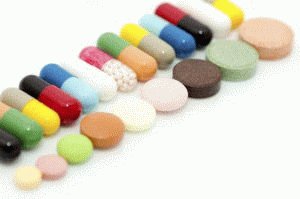
- Taking antibiotics (uncontrolled).
- Improper diet.
- The abundance of preservatives in food.
- Poor nutrition.
- Bad ecology.
- In infants, risk factors are: late breastfeeding, artificial feeding, caesarean section.
- Pathology of the gastrointestinal tract.
- Violation of immunity.
Violations of the correct lifestyle cause changes in the state of the microflora, diseases that are not associated with the gastrointestinal tract, at first glance, have a background in the form of dysbiosis. A person tries to get rid of the bad smell coming from the mouth, or to remove the warts, and the disease manifests itself regularly. Lack of vitamins, provoked by disturbed flora, causes eye fatigue, stress and peeling of the skin on the face. There is a vicious circle:
- Stress (psychosomatics) causes dysbiosis.
- Dysbiosis is stressful.
The disease is complex, the cause is difficult to identify.
Consequences
If there is no treatment for intestinal dysbiosis, colitis of various forms, gastritis, duodenitis, pancreatitis, cholecystitis, cholangitis occur. With a chronic imbalance, the causes and consequences of the disease are constantly changing places, in unfavorable situations leading to sepsis, from which they often die in the 21st century. Staphylococcus aureus and Proteus are health threats.
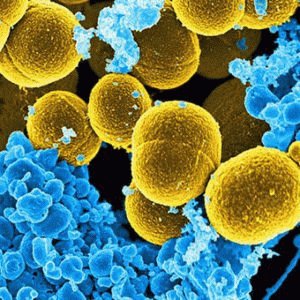
Staphylococcus bacteria
Rumbling, bloating, diarrhea or constipation sounds harmless at first glance. In the absence of a medicine, the situation worsens. Even cancer, scientists today are inclined to consider a consequence of fecal poisoning. Think seriously about how to treat intestinal dysbiosis in adults, the disease has a number of dangerous consequences.
Treatment
Intestinal dysbiosis treatment consists in restoring beneficial microflora to restore the former balance, blocking the abundance of secondary diseases. The treatment regimen for intestinal dysbiosis is not easy. The antibiotics used kill E. coli, and the pathogenic forms are resistant. There are forms of flora that are resistant to penicillin, they produce a special enzyme that breaks down the drug.
The drugs Enteroseptol, Mexaza, Mexaform, Intestopan are not bad, but long-term use leads to complications in relation to the nervous system. Colibacterin is often not effective enough. For this reason, people turn to folk remedies, herbal medicine. Plants fight well against pathogenic flora, without interfering with the development of the normal form of E. coli. Herbs relieve intestinal inflammation, restore peristalsis. For the complete elimination of the disease, it is proposed to establish the functions of many organs.
Herbal medicine plays up the antimicrobial properties of plants. We are talking about calendula, St. John's wort, plantain, yarrow, cinquefoil, tansy, horsetail, burdock, chamomile, and other medicinal herbs. Plants complement each other perfectly. Fees are compiled based on the characteristics of the pathogenic microflora. High degree of dysbiosis involves the use of potent agents.
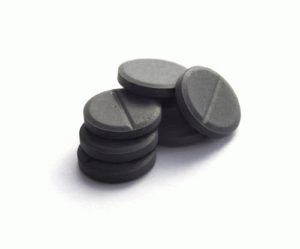
Not one ancient manuscript is filled with recipes using medicinal plants, and activated carbon was taken in ancient Egypt. The funds are safe and time-tested.
Medicines
Of the specific drugs representing culture strains or metabolites, the following are popular among physicians:
- Colibacterin (live Escherichia coli).
- Bifiform (bacterial strains).
- Lactofiltrum (sorbent similar to activated carbon).
- Acipol (lactobacilli and fungi).
- Iberogast (a complex of substances that improve gastrointestinal motility).
- Lactobacterin and Bifidumbacterin (bacterial strains).
Probiotics sow beneficial strains into the intestines, prebiotics serve as a breeding ground. Treatment is complex. Antibiotics kill pathogenic flora, and the usual one suffers. Later, a cleaning stage follows, activated carbon or Enterosgel is actively used. To top it off, an attempt is made to restore the flora with prebiotics and probiotics.
An antibiotic is prescribed based on the results of a stomach examination. Before the destruction of pathogenic flora, it makes no sense to drink probiotics like Hilak Forte. Taking antibiotics uncontrolled aggravates the situation. The specified class of drugs is the cause of an unpleasant situation in the form of dysbiosis.
During the analysis, a test is performed for the sensitivity of the strains. Researchers will try to kill the sprouted flora with a specific antibiotic, the doctor will prescribe a treatment based on the results of the attempt. This position ensures the effectiveness of a whole set of measures. Arbitrary self-medication is not so dangerous when antibiotics are excluded. Antibiotics are prescribed by a doctor.
The diet
A person receives a certain amount of bacteria from food, the process of penetration into the digestive tract is much slower. In the usual case, a few hundredths of a percent of the total population passes through the stomach. This means - if there are 10 mln. units to the intestine will reach several thousand. In order to create a specific breeding area, bacteria must survive.
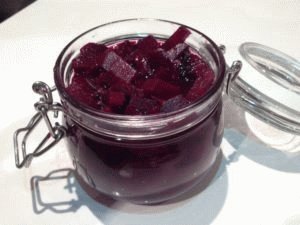
The environment of lactic acid products contributes to the preservation of the population from the influence of the stomach. More useful than other acidophilus, yogurt, yogurt, kefir. There are few bacteria in common foods. Pickled beets have a beneficial effect. Simple recipe:
- Wash beets, boil, peel, cut into slices, pour marinade in a jar.
Kept cool. Any marinade is taken, for example, based on vinegar. People are accustomed to starting treatment with activated charcoal, but there is a list of products indicated for use in case of dysbiosis. Putrefactive bacteria are perfectly suppressed by onions and garlic. For those who are afraid of an unpleasant smell after the mentioned vegetables, it is recommended to mix products ground into a gruel with milk and drink. It is advisable to consume 30 g of raw onions and a few cloves of garlic per day. At the same time, the intake of a small amount of dietary fiber is ensured.
Try the garlic tincture. Take 200 g, crush into a gruel, pour 1 liter of vodka, keep the vessel tightly sealed for 2 weeks at room conditions. Consume 15-20 drops, 2-3 times a day. Garlic dilates blood vessels, relieves spasms, shortness of breath disappears. An oil infused with garlic is considered a good medicine for atherosclerosis.
Include cereals, bread, artichoke, peas, beans in the diet. Drink fresh celery root juice half an hour before meals. Acidophilic flora reproduces well on boiled Jerusalem artichoke. Make mashed potatoes according to a well-known recipe and get rid of intestinal problems. With the rapid restoration of the balance of microflora, intestinal dysbiosis is not terrible.
Eat plenty of vegetables and fruits that are high in fiber.
Enema
The features of the use of enemas for dysbiosis are widely described. Prescribing an enema to infants includes a number of features. Much less liquid is used:
- For babies up to a month - within 25 ml.
- Up to six months - 30 - 60 ml.
- Up to a year - 125 ml.
- Over a year - 200 ml.
An adult usually needs 1-1.5 liters. The child's behavior will become difficult to administer the enema. Not all parents will be able to lay the child on the left side the first time, pressing the legs to the chest, at the request of the procedure. In terms of volume, a pharmacy pear will be enough for the baby.
Medical sources recommend laying the child on his back and raising his legs. The tip is abundantly lubricated with petroleum jelly, inserted 3-5 cm into the anus. Make sure that the child does not begin to wriggle, turn over at the time of introduction. Then the procedure will not do any harm.
After emptying the enema, squeeze the buttocks with your hands, preventing the solution from flowing out. According to their composition, pediatricians divide enemas into four categories:
- Cleansing using boiled water. Water is taken at room temperature: cold water causes spasms, and hot water is immediately absorbed.
- An oil enema is used for constipation. Human body temperature oil is used. An additional effect is enveloping.
- The medicinal one follows the cleansing one with an interval of half an hour. For the drug to be absorbed, do not let the liquid flow out. It is used in case of ineffectiveness of oral administration.
- Siphon is used for poisoning.
Similar compositions are recommended for adults, with the proviso that the position of the embryo on the left side is taken in advance. As a result, the process is greatly simplified.
First aid measures for dysbiosis are listed.