
Yeast mushrooms in feces in an adult
Yeast in the feces of an adult or child is a very common problem that requires immediate treatment. Usually, intestinal candidiasis is one of the most common causes of the appearance of yeast fungi. It is not recommended to ignore the symptoms of this pathology, because this can lead to serious consequences. More details on the treatment of yeast fungi will be discussed in this article.
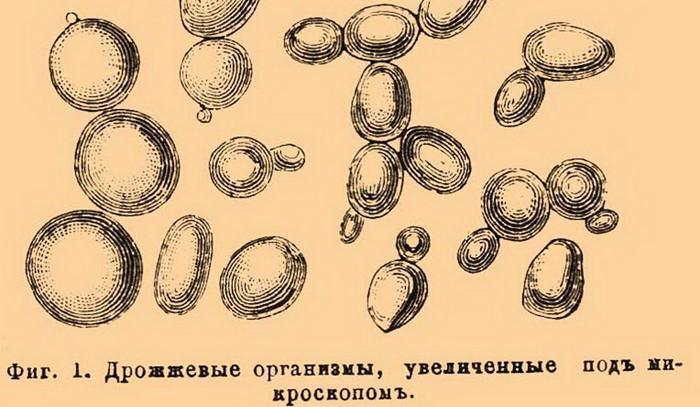
Yeast mushrooms in feces in an adult
Content
- 1 What it is?
- 2 Causes of occurrence
- 3 Typical symptoms
- 4 Laboratory analysis
-
5 Treatment methods
- 5.1 Pharmacy preparations
- 5.2 Therapeutic diet
- 5.3 Folk remedies
-
6 Prevention measures
- 6.1 Video - How to get rid of fungi in the intestines by natural means
What it is?
Both beneficial and harmful microorganisms live in the human body. Due to their balanced amount, the digestive system functions normally, and the patient himself feels well. But the balance of bacteria in the body can be disturbed, as a result of which the intestinal microflora will begin to replenish with pathogenic microorganisms, in particular Candida fungi. This can happen under the influence of various factors.

Violation of intestinal microflora

Danger of Candida fungus
Mushrooms multiply very actively, as a result of which harmful substances begin to accumulate in the patient's blood or on the intestinal walls. toxins that negatively affect the state of the whole body (the work of the esophagus worsens, the protective functions). When infected with toxins, the patient experiences general weakness, malaise, problems with defecation, and so on. Often, the activity of pathogenic microbes leads to the development of inflammatory processes, painful sensations arise. Over time, fungi can spread to other internal organs, worsening their condition. As a rule, the genitourinary system suffers from fungi.

Culture of the fungus Candida albicans

Yeast structure
Causes of occurrence
Various factors, both internal and external, can provoke a malfunction of the intestine. Here are the main ones:
- severe stress, overwork;
- a decrease in the immune system, caused by the development of other pathologies;
- alcohol abuse;
- excessive consumption of coffee;
- unbalanced diet, frequent consumption of junk food (sweet, fatty, salty and smoked);
- overeating, snacks on the go;
- development of the inflammatory process;
- the consequences of long-term use of potent antibacterial drugs;
- development of sexually transmitted diseases;
- diseases of the gastrointestinal tract;

Biopsychological conceptual model of functional gastrointestinal diseases
- negative impact of the environment;
- violation of the menstrual cycle;
- carrying a child;
- violation of hormonal levels, the consequences of taking anti-inflammatory, antibacterial or hormonal medications;
- the presence of cancer;
- development of hypervitaminosis or vitamin deficiency;
- high blood pressure;
- poisoning with chemicals.

Candida mushrooms. Ecology
Important! Often, weak immunity acts as a causative factor, which is not able to restrain the multiplication of pathogenic microorganisms in the human digestive system. This leads to the development of dysbiosis and other intestinal problems.

Intestinal candidiasis
Typical symptoms
When fungi appear in the intestines, the patient may notice the following symptoms:
- the appearance of itching in the anus;
- diarrhea, sometimes with the presence of bloody discharge;
- curdled or white inclusions in feces;
- decreased appetite (sometimes the patient's appetite disappears completely);
- flatulence, heartburn, belching and other signs of malfunctioning of the gastrointestinal tract;
- painful sensations in the abdomen, or rather in its lower part.

Itching in the anus
If suspicious symptoms appear, indicating the appearance of fungi in the body, you should immediately seek medical help from a doctor. The faster you do this, the more chances you have to cure the disease without any complications.

Bloating
Laboratory analysis
After you visit the doctor's office with suspicion of dysbiosis or other intestinal pathologies, he will most likely prescribe a comprehensive laboratory analysis. This procedure is needed to detect yeast spores in the patient's stool. After the delivery of the material, laboratory staff place it in a special habitat. Over time, the activity of the fungi increases and they begin to multiply. This leads to the fact that associations of microorganisms can be seen even without using a microscope.

Comprehensive laboratory analysis
There are other tests that can determine the presence of pathogens, such as a laboratory blood test for candida antibodies and immunoglobulin levels. The vital activity of fungi can also be found in urine, so doctors often prescribe a general urine test to their patients.

For people with susceptibility to mold and yeast problems, it is extremely important to control the consumption of specific foods.
On a note! If the feces are poorly flushed in the toilet, constantly floating on the surface of the water, this may indicate the presence of fungus in the intestines. In this case, you also need to see a doctor for a diagnostic examination.

Healthy feces tend to sink to the bottom of the toilet, while unhealthy feces float in the water and even rise to the surface.
Treatment methods
The essence of the treatment of dysbiosis is to eliminate all negative factors affecting the state of the body. Therapy should be comprehensive and include a special diet, medication and traditional medicine. Let's consider each of the treatment methods separately.
Pharmacy preparations
If the test results have confirmed the presence of fungi in the body, then an urgent need to start treatment. When prescribing a particular drug, the doctor must take into account the condition of the patient's body, his age and the degree of development of the disease. Below are the most common medications given when yeast is present in the body.
Table. Effective drugs for the treatment of yeast fungi.
| Name of the drug, photo | Description |
|---|---|
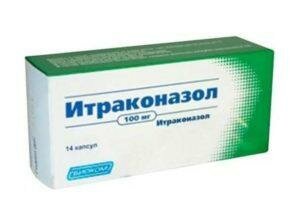 Itraconazole |
A potent synthetic drug with antifungal and anti-inflammatory properties. It belongs to the group of triazoles and is used in the treatment of various fungal diseases. The dosage and duration of the treatment course are prescribed by the doctor. |
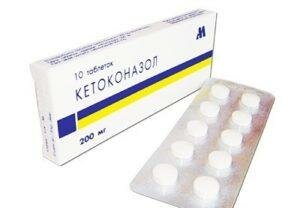 Ketoconazole |
An effective broad-spectrum drug. Possesses fungistatic, fungicidal and antifungal properties in relation to various types of dermatophytes. |
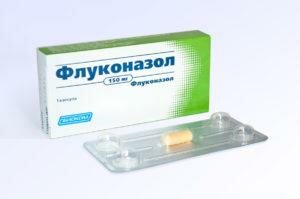 Fluconazole |
Another antifungal drug used when yeast appears in the patient's body. Slows down the reproduction of pathogenic microorganisms and leads to their complete destruction. Begins to act almost immediately after application. It is completely excreted from the body in about a week, mainly through the kidneys. |
 Pimafucin |
Fungicidal drug with antifungal and antibacterial properties. It is a broad-spectrum drug, therefore it is often used in the treatment of gastroenterological diseases. |
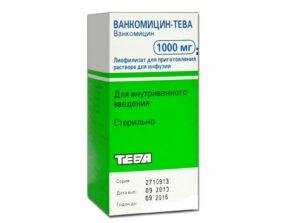 Vancomycin |
An antibacterial drug with antifungal and bactericidal properties. Its action is to block the synthesis of pathogenic fungi. It has practically no contraindications, therefore it is often prescribed to children. |
Important! If pathogens were found not in feces, but in urine, a laboratory urine test is necessary to make an accurate diagnosis. Only after the doctor discovers the spores of the pathogen in the urinary and reproductive system, you can start therapy.
Therapeutic diet
In addition to medication, doctors prescribe a special diet, adherence to which is an important step in recovery. The diet should contain food rich in vitamins, it should be not only light, but also healthy. With the development of dysbiosis, the nutrients that enter the body along with food are absorbed rather poorly, which causes the patient's entire body to suffer.

Eat Healthy and Whole Foods
Prohibited foods include:
- apples, cherries and plums;
- fat milk;
- canned food, ketchup, mayonnaise and various spices;
- fried food;
- citrus fruits, white cabbage, legumes;
- soda;
- alcoholic beverages;
- coffee;
- confectionery.

Confectionery will have to be abandoned
All these foods negatively affect the functioning of the digestive system, especially during the treatment period. But, in addition to the prohibited ones, there are also permitted foods that need to be included in the diet.
Permitted products include:
- a fish;
- vegetable soup (necessarily low-fat);
- mashed potatoes;
- dairy products;
- fresh vegetables and fruits;
- lean meats (chicken, turkey, rabbit, and so on);
- buckwheat, rice, pearl barley and other types of cereals.

Barley porridge
All dishes are recommended to be baked, stewed or steamed. Fried foods should be discarded.
Folk remedies
Traditional medicine recipes can also be used to treat yeast, but only as an adjunct to traditional therapy. Before use, be sure to consult a doctor. The following are effective traditional medicines.
Table. Traditional medicine recipes for yeast fungi.
| Name of the product, photo | Application |
|---|---|
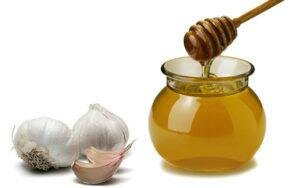 Garlic with honey |
This miraculous vegetable is often used in folk medicine for its bactericidal properties. If yeast fungi are growing in your intestines, then garlic with honey will help to cope with this phenomenon. To prepare the product, mix 1 tsp in one bowl. l. honey and 4 minced garlic cloves. Take the finished product daily on an empty stomach until the symptoms of the disease are completely eliminated. |
 Hypericum infusion |
Pour 400 ml boiling water over 1 tbsp. l. chopped plant and leave for 2 hours. After insisting, the medicine must be filtered through several layers of gauze to get rid of the remnants of St. John's wort. If desired, the infusion can be slightly sweetened by adding a small amount of sugar or honey. Take the infusion by mouth several times a day. |
 Olive oil |
An excellent remedy against yeast fungi. It is no secret that this oil has regenerating, bactericidal and anti-inflammatory properties, thanks to which it can be used not only by adults, but also by children. Drink 2 hours daily. l. olive oil before meals. The duration of the treatment course is 10 days. Alternatively, you can use sea buckthorn oil. It has the same properties. |
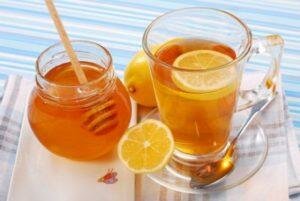 Lemon juice and honey |
To prepare such a medicinal drink, you need to mix 1 tsp. l. honey with 50 ml of freshly squeezed lemon juice. Take the finished product throughout the day. It is advisable to divide the prepared mixture into 3 portions. |
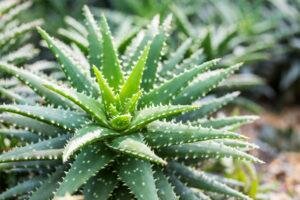 Aloe |
Take a few leaves of aloe, wash them thoroughly and peel them off. Cut the pulp into pieces and place in a blender. As a result, you should get a green gruel, which must be mixed with 1 tsp. l. honey. Store the finished product in the refrigerator. It is recommended to take 2 times a day - in the morning and in the evening for 2 hours. l., preferably 20 minutes before meals. |
Before using this or that remedy, be sure to consult a doctor. Many drugs have contraindications - just like folk remedies. Otherwise, you can harm your body.
Prevention measures
There are many different things you can do to prevent gut problems, including yeast formation. It has already been mentioned that activation of fungal microorganisms occurs against the background of a weak immune system, therefore, the first thing to do as a preventive measure is to improve health. Normalize the daily routine, make adjustments to the diet. If necessary, exclude harmful products from it (fast food, sweet, fatty). Such food has a negative impact not only on the digestive system, but also on overall health. Regular consumption of junk food creates ideal conditions for the habitat of yeast fungi.

Prevention of intestinal diseases
If you are genetically prone to the development of intestinal candidiasis, then as a preventive measure it is necessary to consume more fermented milk products. They contribute to the normalization of the intestinal microflora, which helps to prevent the recurrence of the disease. Depending on the state of the intestines, the state of health can change, so if any problems appear, you do not need to let everything go by itself or self-medicate. This can lead to serious consequences.

You need to eat right


