Constipating and Stool Strengthening Foods
Discomfort in the intestines is often caused by eating certain foods that can cause stool stagnation. In addition to the absence of defecation, a person has bloating, flatulence, and pain in the abdomen may be present.
The cause of constipation can be in a sedentary lifestyle, taking medications, diseases of the gastrointestinal tract. Consuming fixing foods can make the situation worse.
Content
-
1 Constipation-causing foods
- 1.1 List of prohibited foods
- 1.2 Binge eating
- 2 What causes constipation in children
- 3 Consequences of consuming dangerous products
- 4 To whom are fixing products contraindicated?
Constipation-causing foods
In addition to the use of certain foods, there are other factors that provoke an unpleasant phenomenon. These include physical inactivity, malnutrition, emotional distress, and more. If the diet is poor in fiber and monotonous, then constipation is the result of nutrition.
Often the symptom is typical for people who prefer fast food. Fast food is high in calories, rarely natural, and rich in dyes and preservatives. Negatively affects the work of the digestive system.
Eating unripe fruits containing starch can lead to stool retention. It is better to exclude green unripe fruits from the diet.
Cottage cheese is capable of causing discomfort if the product is consumed in large volumes. Calcium absorbed into the intestines in excess can disrupt the functioning of the gastrointestinal tract.
Eating meat also leads to constipation if eaten in large quantities and seized with flour and potatoes. If you add pasta to the meat, difficult bowel movements are inevitable.
Kefir normalizes the digestive tract, but excessive consumption of the drink can lead to constipation due to the lack of fiber.
Persimmon fruit can strengthen stools if not peeled beforehand.
The use of chocolates and black, milk chocolate provokes constipation. It is justified to eat chocolate milk if the problem is caused by stress or nervous strain, since sweets help to relax.
With chronic constipation, it is better to give up sweet, starchy foods.
Delayed bowel movements occur from fatty, spicy foods. Basically, the problem worries the elderly.

List of prohibited foods
People prone to constipation should exclude foods that can harm the body. List of prohibited products:
- Bread made from premium flour.
- Fried eggs.
- Smoked meats.
- Pickled vegetables, canned food.
- Pasta.
- Chocolate.
- Hard and soft cheese.
- Rice, rice water.
- Confectionery.
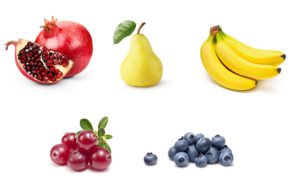
Berries and fruits that cause constipation:
- Lingonberry, blueberry.
- Pomegranate, pear, banana.
Drinks that contribute to the onset of the symptom:
- Red wine.
- Strongly brewed tea.
- Cocoa.
Some foods take a long time to digest. This food includes: white bread, baked goods, potatoes. Food is processed for at least eight hours. Fruits and vegetables are twice as fast.
Eggs are conditionally allowed. When cooked correctly, they do not put a strain on digestion. Of the eggs, it is better to choose those that are soft-boiled. It is recommended to completely abandon raw and fried eggs - their protein is difficult to digest.
Binge eating
Not only harmful foods can provoke constipation, but also excessive food intake. After a festive feast, the intestines are unable to cope with the volume of food, the process of decay begins.
It is difficult to refuse fatty, heavy dishes at the festive table. Doctors recommend combining such dishes with vegetable salads.
In between meals, you need to move, helping to activate the intestines.

What causes constipation in children
The child is exclusively breastfed for the first six months. The bowel disorder is the result of the mother's nutrition. To eliminate a symptom in a baby, it is necessary to revise the diet and exclude fixing dishes.
At 6 months, the baby begins to introduce complementary foods. The baby's first food is vegetables, fruits, cereals. An adult should carefully consider the child's food intake and exclude anything that can harm the digestion of the crumbs. In case of digestive problems, green banana, green apples, pears, semolina, flour products should not be given as complementary foods.
A child who has switched to full nutrition from an adult table should not be given baked and boiled carrots, potatoes. Fatty fish and fish cakes are contraindicated. Temporarily exclude sweets from the diet. Walnut is prohibited for difficult bowel movements.
From drinks, jelly, cocoa, sour fruit drinks and juices are not recommended.
It is better to exclude persimmons, pomegranates, apples from fruits. It is better to exclude black currant from berries.
For older children and adolescents, nutritional rules for difficulty with defecation, as in adults.
Consequences of consuming dangerous products
Frequent consumption of foods that have a strengthening effect has a negative effect on the body. Recurrent constipation becomes chronic if you do not pay enough attention to the daily diet.
Possible consequences of constipation due to improper diet:
- The body is susceptible to intoxication. This negatively affects the work of human organs.
- Immunity becomes weak. A person is vulnerable to various diseases.
- With constipation, the intestinal mucosa can be injured by hardened stool. The process of defecation itself is painful.
- The sensitivity of the stomach is impaired.
- The work of the nervous system is disrupted.
It is better to exclude foods that lead to such consequences from the daily menu, but sometimes you can eat when digestion is normal.
To whom are fixing products contraindicated?
In healthy adults, a lump is formed under the influence of substances and moves with ease. With improper nutrition, the formation of a lump is difficult, as a result - intestinal disorders, the absence of defecation for a long period.
To refuse food that can lead to difficulty in defecation is necessary for people with diseases:
- Irritable Bowel Syndrome.
- Decreased peristaltic activity.
- Endometrial polyposis.
- Intestinal atony.
Do not forget that the same product consumed by different people causes different reactions. When drawing up the menu, one should take into account the individual characteristics of the organism.
The patient, whose gastrointestinal tract is prone to various diseases and pathological processes, should monitor his diet.
A person who has trouble defecating should be aware of which foods lead to constipation. A prerequisite for the normalization of the state is the rejection of fixing dishes. By adjusting the diet, you can avoid health problems.